The Camera Shop Run by People Who Actually Held the Camera
In a business full of order-takers, this Burbank shop bets that filmmakers would rather buy cameras from people who have actually pulled focus at 3 a.m. on a real set.
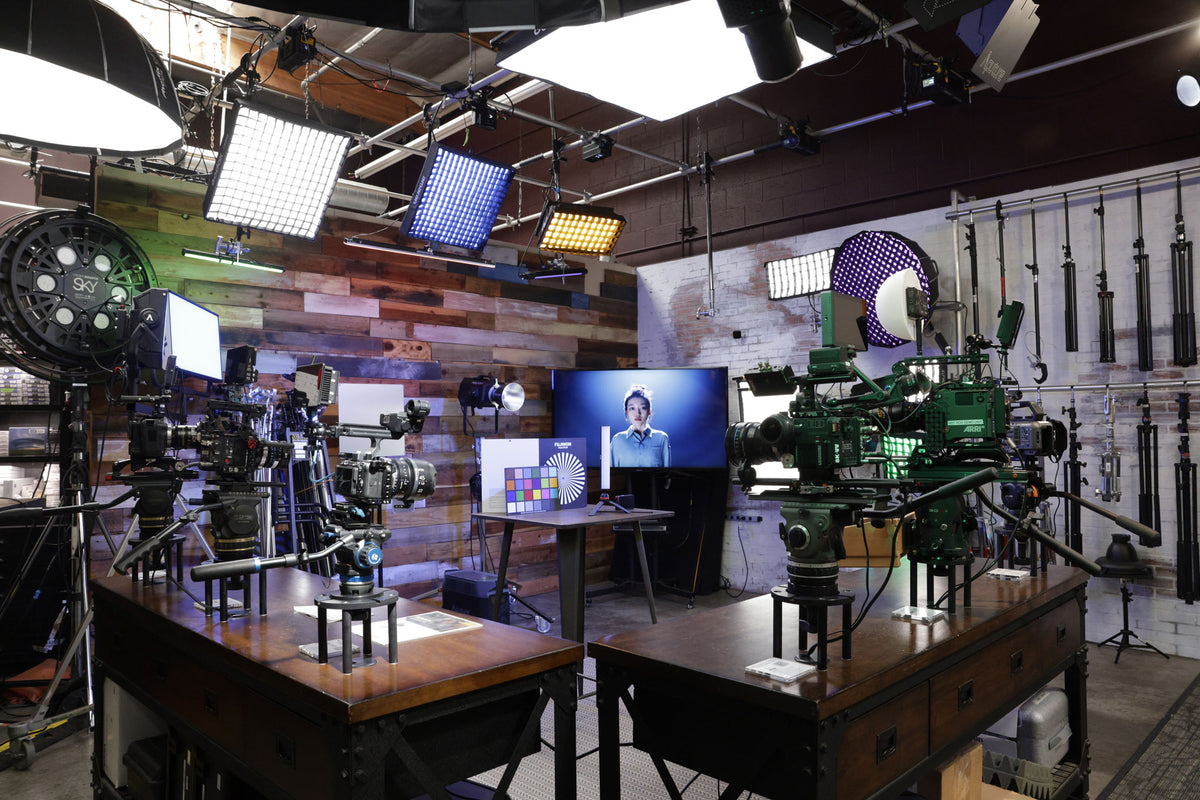
Walk down a quiet stretch of North Mariposa Street in Burbank and you would not guess that the small storefront on the corner moves cameras that cost as much as a car. There is no neon, no wall of blinking demo units, no salesperson steering you toward the highest-margin box. What Hot Rod Cameras sells is harder to put in a window: the judgment of people who have spent their careers on the other side of the lens.
Founded in 2009, Hot Rod Cameras is a specialty dealer of motion-picture camera equipment. It carries the names a working cinematographer expects - ARRI, RED, Sony, Canon, Blackmagic Design, Panasonic - along with lenses, lighting, grip, monitors, wireless video and storage. It also builds its own custom camera accessories. But the inventory is not really the point. The company's own line, repeated across its storefront and its site, is blunt about the pitch: "We don't just sell gear - we help you make the right decisions for your production."
A camera assistant who switched sides of the counter
The shop's point of view starts with its founder. Illya Friedman spent roughly 25 years in the camera department before he ever ran a register. A former Local 600 first assistant camera and operator, he accumulated hundreds of credits across feature films, television, commercials and music videos. After a stint as an assistant at the agency CAA, he moved into the professional camera rental business, and in 2006 joined Dalsa Digital Cinema - the maker of one of the first 4K digital cinema cameras - just as the industry's shift from film to digital was accelerating.
That timing matters. Friedman had a front-row seat to the moment the tools changed faster than most crews could keep up. When he opened Hot Rod Cameras in 2009, alongside producer Lisa Sotolongo, the gap he was filling was not a shortage of places to buy a camera. It was a shortage of places where the person selling it had used one under pressure.
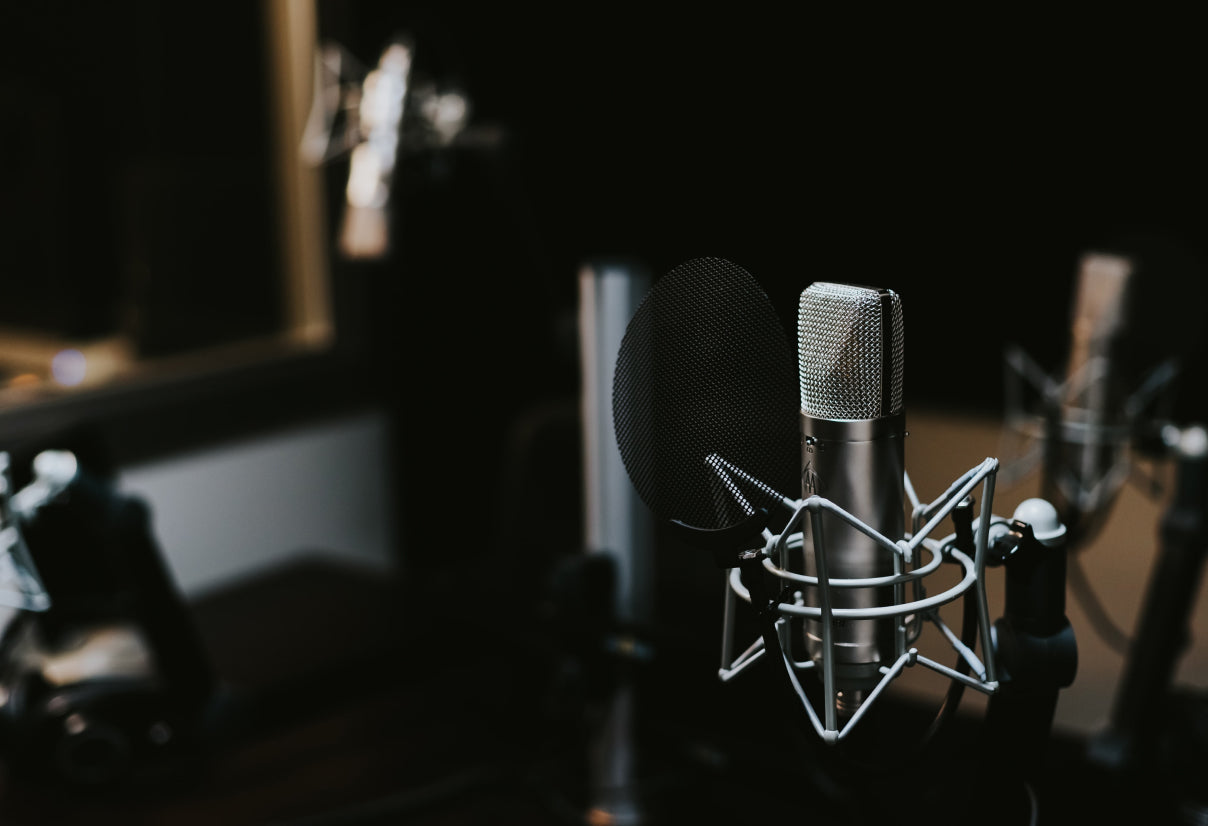
He is also the co-host and editor in chief of The Cinematography Podcast, a long-running show about the art, craft and philosophy of the moving image, produced out of the company's own headquarters. It is an unusual thing for a gear dealer to run a serious editorial program about the trade it sells into - and a telling one. The podcast is not a product catalog with a microphone; it is a standing argument that the shop belongs to the craft, not just the transaction.
Studios and students at the same counter
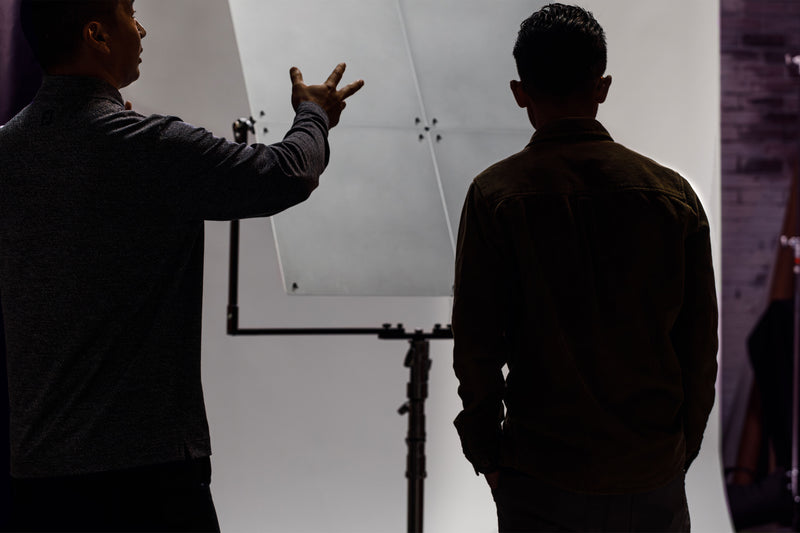
The most striking thing about Hot Rod Cameras is the range of people it serves out of one modest showroom. Its customers include studios, networks and production companies; ASC cinematographers and owner-operators; government agencies and universities; and film students buying their first serious rig. It is rare for a business to hold both ends of that spectrum, because the two groups usually want opposite things - the pro wants speed and precision, the student wants patience and context.
The shop's answer is to sell the same thing to both: advice. A student and a department head are asking versions of the same question - which of these cameras is right for what I am actually shooting - and the value is in an honest answer, sometimes one that talks the buyer out of the more expensive option. That is a difficult trick to fake, which is precisely why it works as a moat.
Competing on knowing, not on price
On paper, this is a hard business to be in. Camera retail has spent two decades being squeezed by online megastores that win on selection and price. Hot Rod Cameras went the other direction: a curated catalog instead of an endless one, deep expertise instead of the lowest sticker, and a phone number that still works after the sale. It layers in financing, studio-build consultation and equipment packages for schools - all extensions of the same idea that the hard part of buying professional gear is deciding, not checkout.
Third-party estimates put annual revenue somewhere around $2.9 million with a team of roughly eleven - the profile of a shop that has chosen to stay small and deep rather than large and thin. That is a deliberate posture. When your product costs as much as a used car, trust is the feature, and trust does not scale the way a warehouse does.
Everything on set - and some things it built itself
The catalog spans the full shot: digital cinema, mirrorless, broadcast and specialty cameras; cinema and photo lenses, cine-size filters and adapters; professional LED lighting, modifiers and rigging; on-set monitors, HD/4K recorders and wireless transmission; memory, drives and storage. Where off-the-shelf parts fall short, the company designs and builds its own camera cages, support rigs and accessories - a maker's habit that fits a founder who spent years figuring out how to make gear behave on a real set.
A showroom that behaves like a workshop
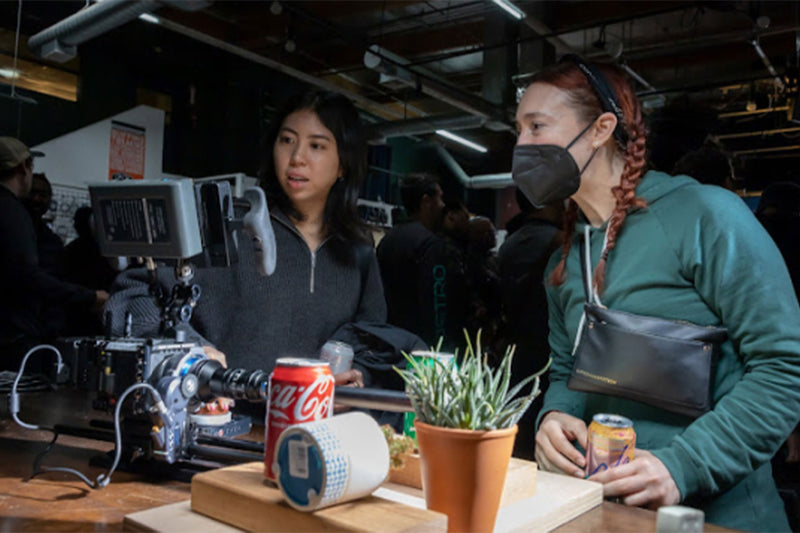
Customer reviews keep returning to the same note - not the prices, but the people. "I've picked up a few pieces of gear from them over time, and every single experience has been solid," one Yelp reviewer writes. The store keeps regular weekday hours, offers hands-on testing, and has added an appointment-only Portland location to reach filmmakers further up the coast. The tone is closer to a good repair shop than a big-box floor: come in, put your hands on the thing, get a straight answer.
From Dalsa to a Burbank corner
Where it fits in the market
Hot Rod Cameras sits in a lane the giants cannot easily follow. B&H, Adorama and the large rental houses will always have more units and, often, a lower price. What they cannot cheaply reproduce is a founder who has actually pulled focus, a staff of working professionals, and a willingness to tell a customer that the cheaper camera is the right one. In a market that has been commoditizing for twenty years, that combination is less a marketing angle than a business strategy - and, so far, a durable one.
The honest limits are worth naming too. A boutique built on expertise depends on the people who carry it; a shop this size lives or dies on reputation and repeat relationships rather than scale. It will not out-discount the internet, and it does not try to. For a filmmaker weighing a six-figure decision, that trade - pay a fair price, keep the phone number - is exactly the point.