Head-to-Head · Finance Software
NetSuite Already Has The Controls So Why Bolt On Ramp
NetSuite bakes spend controls and approval workflows straight into its general ledger. So the finance team's real decision is not which tool wins, but whether to run the module they already own or bolt Ramp's card platform on top of it.
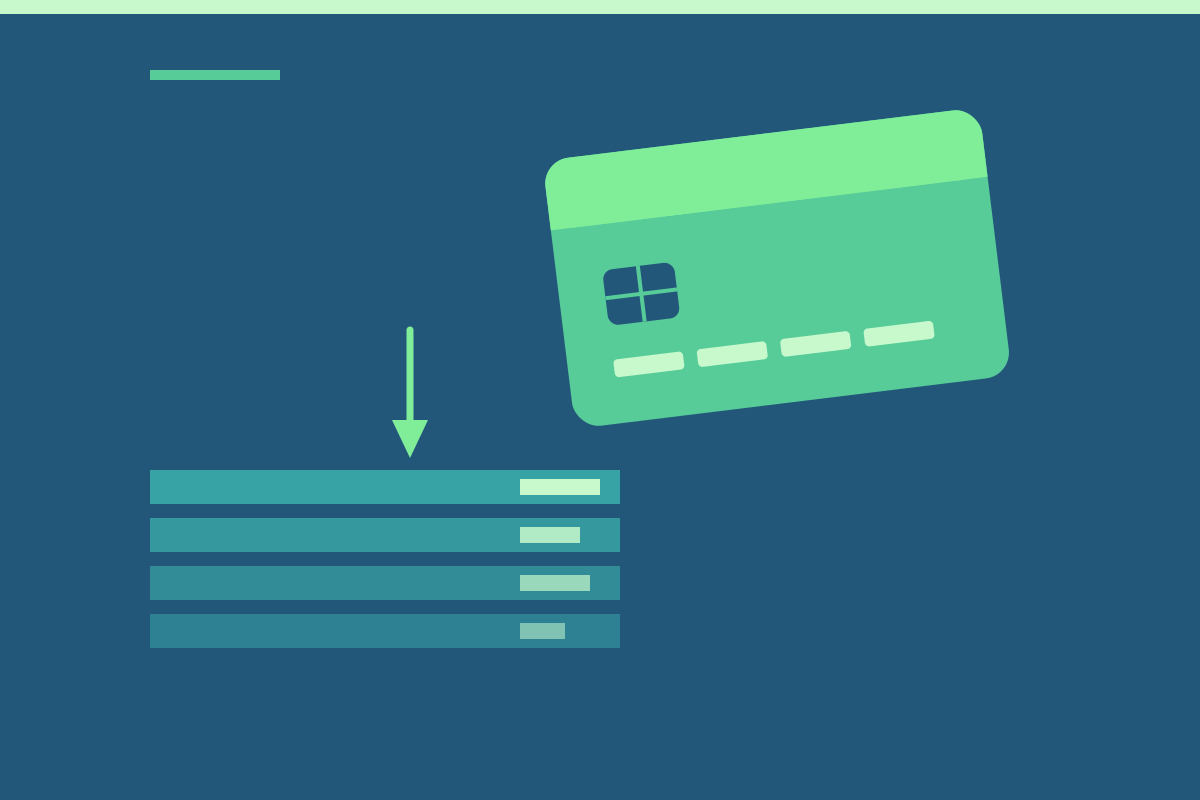
The card sits on top of the ledger. That single image is most of the argument.
Walk into any mid-market finance team running Oracle NetSuite and ask why they are also paying for Ramp. You will get a confident answer, and about half the time it will be wrong. The confident answer is that NetSuite cannot control spend. It can. It routes approvals by amount and by department, assigns general ledger accounts automatically, and enforces policy at the point of entry. All of that ships in the box. So the honest question is not whether NetSuite has the controls. It is whether anyone turned them on, and whether the people spending money will ever open the app that houses them.
That distinction runs through the whole build-versus-buy debate, and most vendor comparisons skate right past it. NetSuite is built for the record side of accounting. Its job is to be correct, auditable, and permanent. Ramp is built for the workflow side. Its job is to be used by a sales rep at an airport gate who needs a card to work and a receipt to disappear from their to-do list. Those are different jobs. Pretending they are the same is how companies end up buying two tools to solve one problem, or one tool to solve two.
NetSuite is the system of record. Ramp is the system of behavior. The fight is over which one comes first when money leaves the building.
It helps to remember how these two got here. NetSuite started life in 1998 as NetLedger, one of the first attempts to run accounting in a browser, and grew into the mid-market ERP that Oracle paid $9.3 billion for in 2016. It has spent a quarter century optimizing for the auditor. Ramp launched in 2019 and spent five years optimizing for the person swiping the card. When two products aim at different users for that long, they do not converge into one winner. They specialize. That is why the comparison keeps resolving into a partnership rather than a knockout, and why the interesting question was never which company is better.
What NetSuite actually gives you for free
The native module is more capable than its reputation. NetSuite supports multi-level approval workflows, so an expense can route to a manager, then a controller, then finance, with thresholds you set. Approved items get coded to the right GL account without an AP clerk retyping anything. You can enforce policy at submission, which means the system can reject an out-of-policy claim before it becomes an argument in a Slack thread. For a company that has invested in configuring its instance, this is a real spend management engine, not a checkbox.
The catch is the word configuring. NetSuite's controls are powerful and, in a large share of deployments, quietly switched off or half-built. The workflow map exists, but nobody drew the routes. The card feed exists, but it lands as a monthly import rather than a live stream. The interface that an employee touches is dated, and dated interfaces do not get used, which means receipts arrive late, coding slips, and the month-end close drags. The tool did nothing wrong. The organization simply never met it halfway.
What Ramp is really selling
Ramp did not reach a $44 billion valuation by building a better ledger. It reached it by making the moment of spend feel human. Virtual cards spin up with limits attached. Categorization and coding happen before a transaction ever touches accounting. Receipts get matched by text message. The whole experience is designed around the person holding the card, not the person closing the books. That is a genuinely different product philosophy, and it is worth studying even if you never buy the thing.
Crucially, Ramp does not pretend to be your accounting system. It cannot produce financial statements, handle accounts receivable, run payroll, or file taxes. It is a layer, and it knows it. That honesty is the reason the NetSuite comparison is not really a cage match. In most shops the two run together through a two-way integration: Ramp captures the spend and pushes transactions into NetSuite with GL coding and departmental allocations already attached, while purchase orders or approvals that start in NetSuite flow back the other way.
The AI story sitting underneath the June 2026 valuation is part of this too. Investors did not push Ramp toward $44 billion because they wanted a prettier expense app. They wanted the software that watches every transaction to start doing the analyst's job: flagging duplicate subscriptions, catching the vendor whose price crept up, suggesting where a budget is about to blow. NetSuite has the historical data locked in the ledger, but the ledger is a rear-view mirror. Ramp is trying to sit at the windshield, where a decision can still be changed. Whether that promise fully lands is a fair thing to be skeptical about. The direction of the bet is not.
Approval workflows are free inside NetSuite. Behavior change is not. That one line explains most of the spend management industry.
Where each system is strong
The cost question is not the real question
Buyers reach for a spreadsheet at this point, and the spreadsheet lies a little. NetSuite's native expense functionality is bundled into a suite you are already paying for, so on paper it looks free. Ramp's card program famously carries no per-seat software fee, so on paper it looks free too. Neither is. The cost of the NetSuite route is the consultant hours to build the workflows and the internal discipline to keep them current. The cost of the Ramp route is the reconciliation seam, the change management, and the quiet dependency on a vendor for the interface your whole company touches. Line those up honestly and the decision stops being about license fees and starts being about where your organization is willing to spend attention.
Procurement makes this sharper. A purchase order raised in NetSuite is a control that lives before the money moves, which is exactly where finance wants it. Ramp can receive that PO, attach a card to it, and report back what was actually spent against it. Done well, the approval starts in the system of record and the execution happens in the system of behavior, and the two agree at the end of the month. Done badly, you have a PO in one place, a card in another, and a controller reconciling them by hand. The technology supports the good version. Only process delivers it.
So which do you actually pick
Here is the test that cuts through the demos. Is your NetSuite instance well configured, with approval routes built and card feeds flowing, and does your team reliably submit expenses on time? If yes, a bolt-on card platform may add cost without adding much control, and the disciplined move is to use what you already own. If your controls exist only in theory, or your employees treat expense reports the way they treat jury duty, then the value of Ramp is not the cards. It is that finance stops chasing receipts and the books close a few days faster.
Picture the two failure modes side by side. In the first, a growing company keeps its native NetSuite module, but the approval routes were built for a 40-person org and never touched since. Expenses pile up in a queue nobody owns, the close slips to day twelve, and finance blames the software. In the second, the same company buys Ramp, loves the demo, and rolls it out without fixing the mapping to NetSuite. Now transactions sync to the wrong department, the two systems disagree, and finance blames the integration. Same root cause in both stories, and it is not the vendor. It is that spend management is a habit before it is a tool.
That reframes the spend as an operations decision rather than a feature bake-off. You are not buying a better ledger. You are buying a shorter distance between an employee tapping a card and a correctly coded line appearing in NetSuite. If your organization can close that gap with configuration and habit, buy nothing. If it cannot, the layer earns its keep. Both answers are respectable. What is not respectable is buying Ramp to fix a NetSuite instance nobody ever set up, because the second tool will inherit the same neglect.
There is a quieter risk worth naming. The integration is the product. NetSuite plus Ramp only works if data moves cleanly in both directions, mappings stay in sync, and someone owns the reconciliation. When that breaks, you have not bought a bolt-on. You have bought a second source of truth that disagrees with the first, and every close becomes a negotiation between two systems that were each supposed to be authoritative. Pick the pairing, but staff the seam between them.
Strip away the valuations and the demo polish and the choice is small and human. NetSuite is the accountant's tool. Ramp is the employee's tool. A company that serves both without doing the work twice will close its books faster and argue about expenses less. Anyone who tells you there is a universal winner is selling you something. There is only your team, your controls, and the honest answer to whether they are switched on.
Go deeper
Ramp Oracle NetSuite TechCrunch: Ramp's $44B round Guide: NetSuite approval workflows Spend tools for NetSuite teamsFrequently asked
Does NetSuite have spend controls and approval workflows built in?
Yes. NetSuite supports multi-level approval routing by amount or department, automatic GL account assignment, and policy enforcement at the point of entry, all native to the ledger.
Can Ramp replace NetSuite?
No. Ramp cannot produce financial statements, handle accounts receivable, run payroll or file taxes. It layers card issuance, expense capture and automation on top of an ERP like NetSuite.
Why bolt Ramp on top instead of using the native module?
The usual reasons are a modern mobile experience, proactive card-level spending limits, automatic categorization and coding before transactions hit the ledger, and less manual receipt chasing, which can speed up the monthly close.
When is NetSuite's native module enough?
When your instance is well configured, approval routes are set up, and your team reliably submits expenses on time. In that case a bolt-on card platform may add cost without adding much control.
Do NetSuite and Ramp work together?
Yes. A two-way integration syncs coded transactions and departmental allocations into NetSuite and can receive purchase orders or approvals initiated in either system, creating a unified procure-to-pay flow.