unreal-engine
(16)
Pure Imagination Studios puts a zombie apocalypse in a taco truck
The studio behind Alien: Descent and LEGO screen adventures turns familiar stories into places people can enter. Its next setting is a $41 million studio and learning center in Kansas.
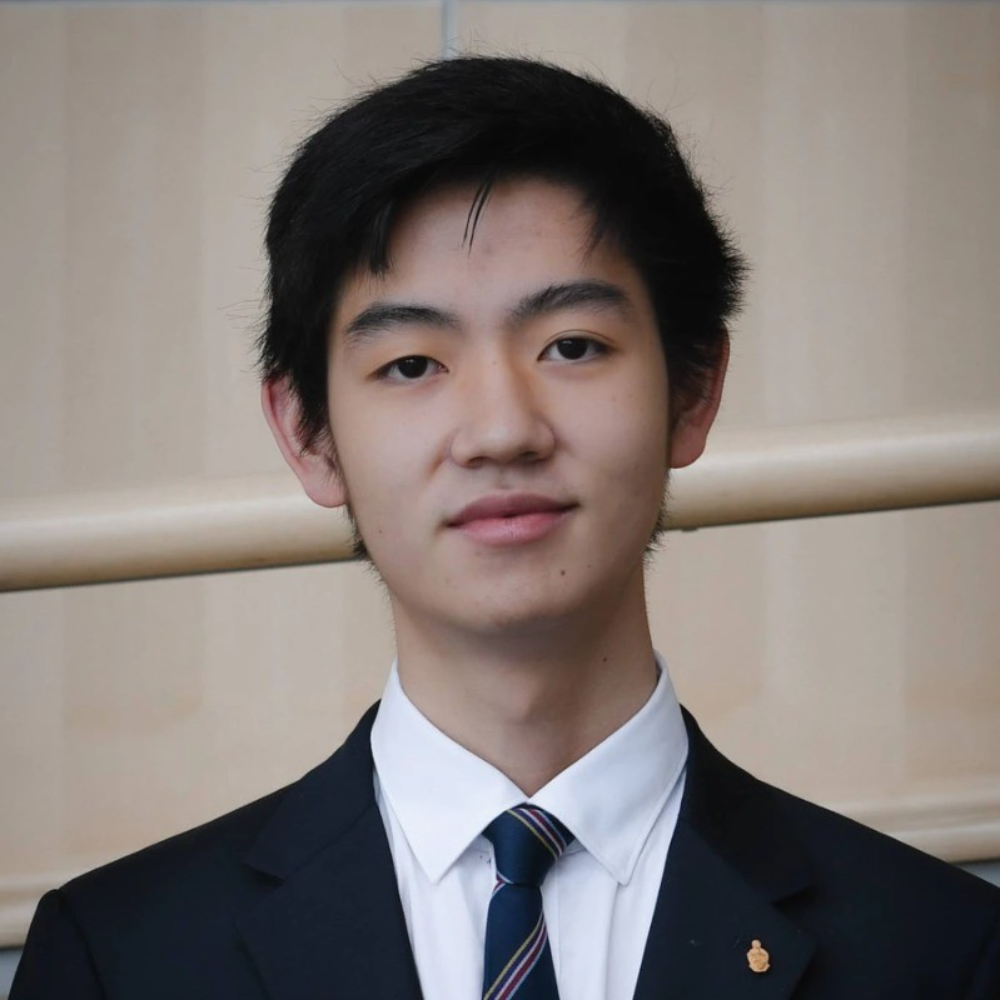
Ben Kim Built an AI Game Engine. Then the Engine Became the Test.
Nitrode began by trying to make games easier to build. Ben Kim and his team discovered a thornier problem hiding inside the engine: AI still struggles to understand worlds that move.

Norman Wang Put the Camera Inside the Computer
He once tried on an astronaut helmet to understand a virtual world. Now the Glassbox co-founder builds cameras for worlds that exist only in computers - and teaches filmmakers how to walk straight into them.

Tilt Five Bet the Future of AR on a Place Big Tech Ignored: Your Table
Jeri Ellsworth rebuilt a failed AR dream by narrowing it to one stubbornly social surface. The result is clever, compromised and full of lessons for anyone tempted to fight Big Tech head-on.
The Six-Person Studio That Put a Movie Camera Inside a Game Engine
How a former VR outfit turned into the off-the-shelf toolmaker for virtual production - selling filmmakers a camera that shoots worlds that do not physically exist.

Two Riot Vets Bet $49M That a Game Could Feel Like Church
They left Riot to make an online world that welcomed the people MMOs usually scare off. Palia found 10 million of them - and still cost the founders the studio.

Apurva Shah Builds Worlds Where Robots Can Fail First
After two decades making digital worlds believable, the former Pixar technical leader is using simulation to make machines more dependable in the real one.
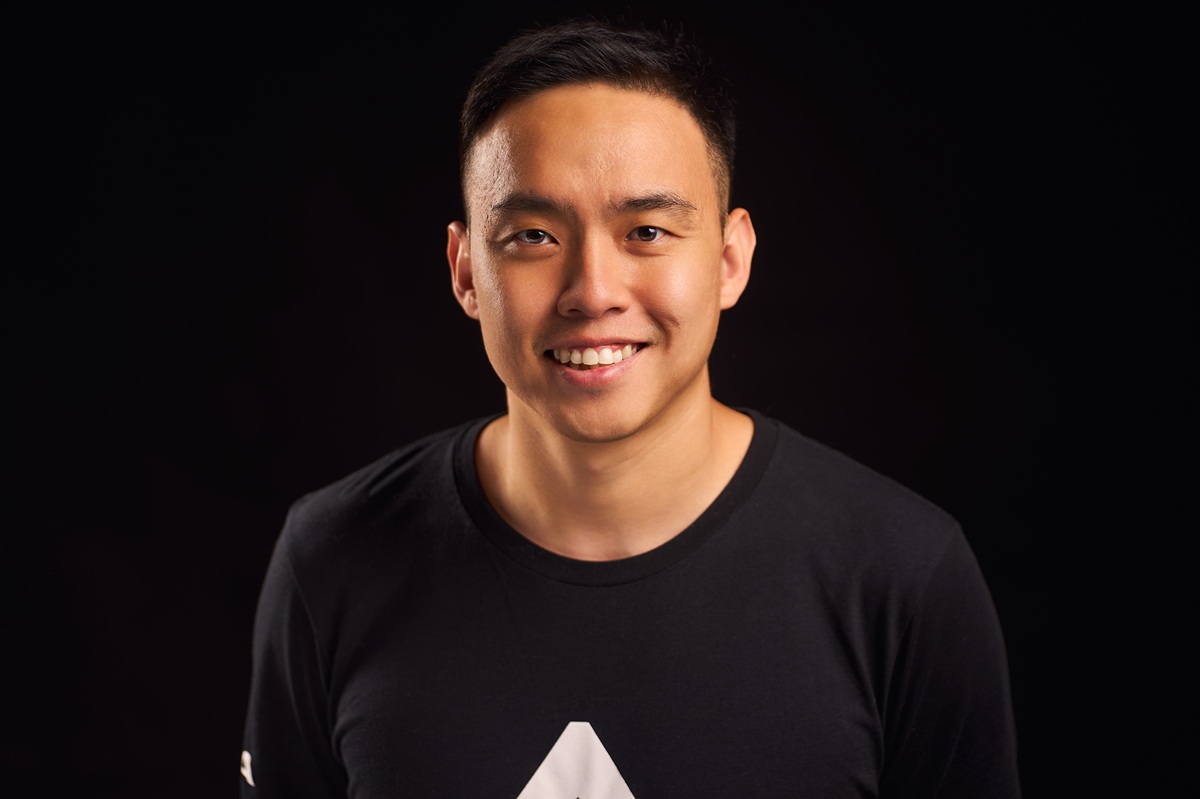
Andy Tsen Built a World. Then He Built the Tools to Make the Next One.
After Zenith topped Steam and Quest, its defining problem appeared after launch. Andy Tsen turned that lesson into Aura, an AI assistant designed around the unglamorous work of shipping games.

Stacy Minero
Stacy Minero spent two decades teaching brands to earn attention on screens. Now, at OUTFRONT Media, she is making the case that a valuable impression may be the one people meet together in the street.

Aura
Aura is an AI agent for game development built by Ramen VR, the San Francisco studio behind the VR MMO Zenith: The Last City. Purpose-built for Unreal Engine and Unity, Aura turns written ideas into Blueprints, C++ and C# code, generates 3D assets, and automates repetitive tasks so professional developers can ship games faster. Its multi-agent system - including the Telos Blueprint agent and specialized verification and material agents - understands a studio's existing codebase and works within the engine editor. Ramen VR raised more than $45M (Series B led by Anthos and Dune) and pivoted from VR gaming to XR + AI developer tooling.

Duality AI
Duality AI is a San Mateo-based simulation software company behind Falcon, a digital twin platform built on Unreal Engine. Falcon lets engineers create photorealistic, physics-accurate virtual replicas of robots, sensors, and environments, then generate the labeled synthetic data used to train and validate AI vision and autonomy models - closing the gap between simulation and the real world. Founded in 2018 by Pixar graphics veteran Apurva Shah and robotics pioneer Mike Taylor, Duality serves customers including DARPA, the U.S. Army, Honeywell, and P&G.
Kaedim
Kaedim is a San Francisco- and London-based AI company that turns 2D images and concept art into production-ready 3D models. Founded in 2020 by Konstantina Psoma and Roman Bromidge out of the University of Bristol, it pairs machine-learning tools with an in-house team of artists - a 'human-in-the-loop' approach - to deliver game-ready assets faster and cheaper than traditional outsourcing. Kaedim serves 250+ enterprise studios and thousands of creators, and raised a $15M Series A led by a16z Games in March 2024.

Manticore Games Inc.
Manticore Games is a San Mateo game studio behind Core, a free platform that lets people build, share, and play online multiplayer games without deep art or coding skills. Founded in 2016 by industry veterans Frederic Descamps and Jordan Maynard, the company built accessible creation tools on top of Unreal Engine and raised roughly $164M from backers including Epic Games, Benchmark, and SoftBank's Vision Fund 2 to power what it calls a 'games multiverse.'

Olga Dogadkina
Olga Dogadkina is the co-founder and CEO of Emperia, a London-based immersive commerce platform that builds virtual stores and 3D brand experiences for the world's biggest luxury and retail names, including Dior, Burberry, Bloomingdale's, Tommy Hilfiger, Harrods, Lacoste, Christie's and Dom Pérignon. Named to the Forbes 30 Under 30 Retail & Ecommerce list in 2025, she started Emperia in 2018 after trying VR for the first time on a Microsoft fashion project and deciding it would change the way people shop.

Sans Strings Studio
Sans Strings Studio is a San Francisco real-time animation and entertainment company building 'animation with a soul.' Co-founded by Substance 3D creator Sebastien Deguy and real-time artist Ryan Corniel, it uses a proprietary digital-puppetry system called F.E.L.T. to turn live human performance into instant character animation, aiming to make animation fast, affordable and scalable across interactive, linear and live formats.
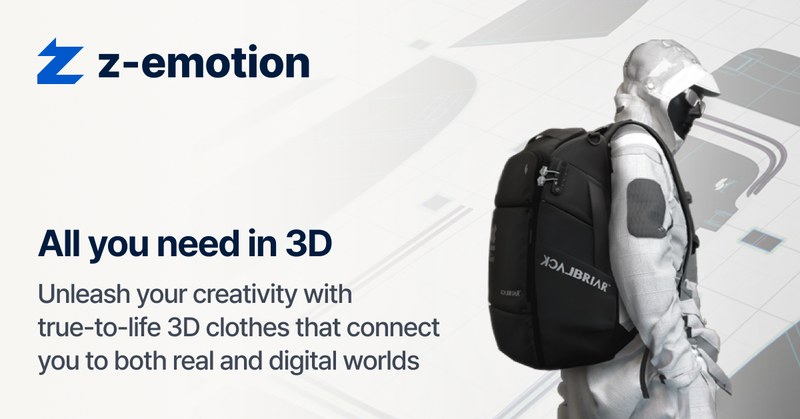
z-emotion
z-emotion is a Seoul-based fashion-tech company building 3D garment simulation software that lets designers create true-to-life digital clothing in seconds. Its flagship CAD tool, z-weave, plus plugins for Autodesk Maya and Unreal Engine, a cloud asset library, and AI-driven virtual try-on, help fashion, gaming, and e-commerce companies replace physical samples with photorealistic 3D garments. Founded by former AMD graphics researcher Dongsoo Han, the company pairs game-grade simulation with apparel workflows to push the fashion industry toward digital production.