the-atlantic
(14)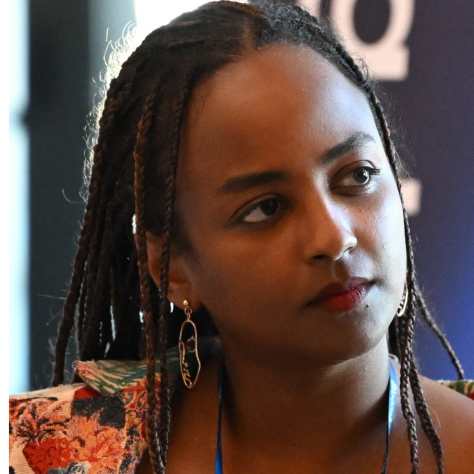
Jerusalem Demsas Learned to Argue in Seven Minutes. Now She’s Building a Magazine for the Long Fight
Housing gave her family access to opportunity. Debate taught her to test a claim from both sides. Now the journalist and editor is turning those lessons into The Argument, a magazine built for disagreement without surrender.
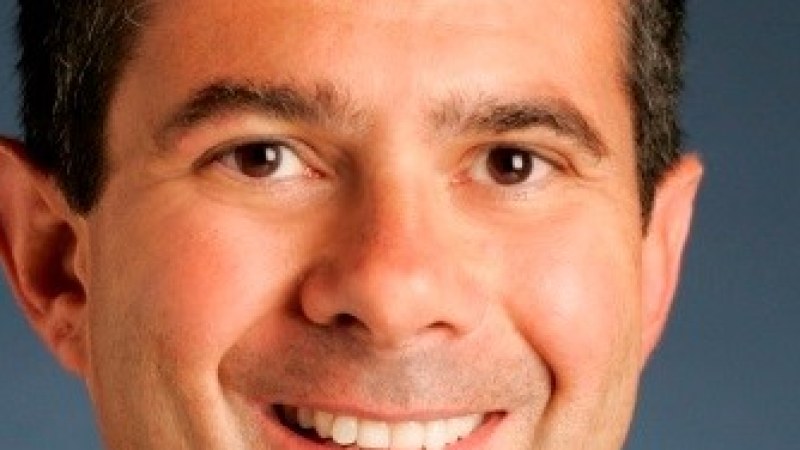
David Goldhill
David Goldhill is the co-founder and CEO of Sesame, a cash-pay online marketplace where patients buy doctor visits, labs, and prescriptions at fixed prices with no insurance in between. A former entertainment executive who ran the Game Show Network for a decade, he turned healthcare critic after his father died of a hospital-acquired infection, wrote the 2009 Atlantic cover story 'How American Health Care Killed My Father' and the book 'Catastrophic Care,' then built the company that tries to fix what he spent years writing about. He chairs the board of the patient-safety nonprofit Leapfrog Group and is a senior fellow at the Manhattan Institute.
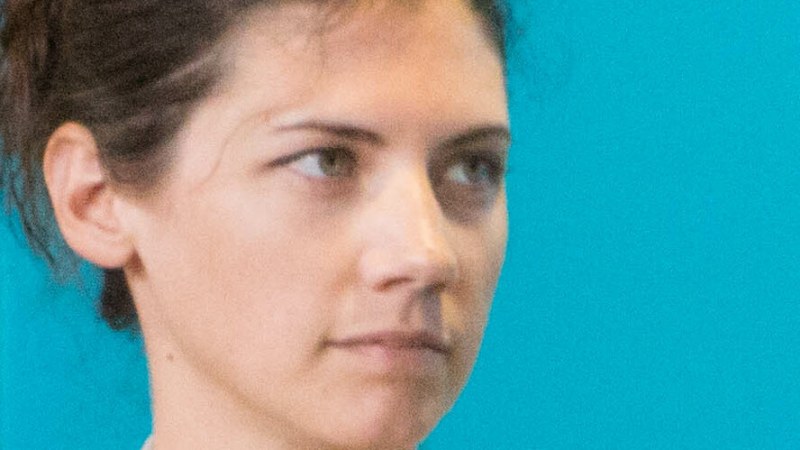
Annie Lowrey
Annie Lowrey is a staff writer at The Atlantic who turns the dry machinery of economic policy into stories people actually read. She coined the phrase the time tax to name the hours Americans waste navigating government paperwork, wrote Give People Money to make the case for a universal basic income, and has spent more than a decade explaining how money moves through people's lives. Her work spans The Atlantic, The New York Times, Slate, and Foreign Policy.
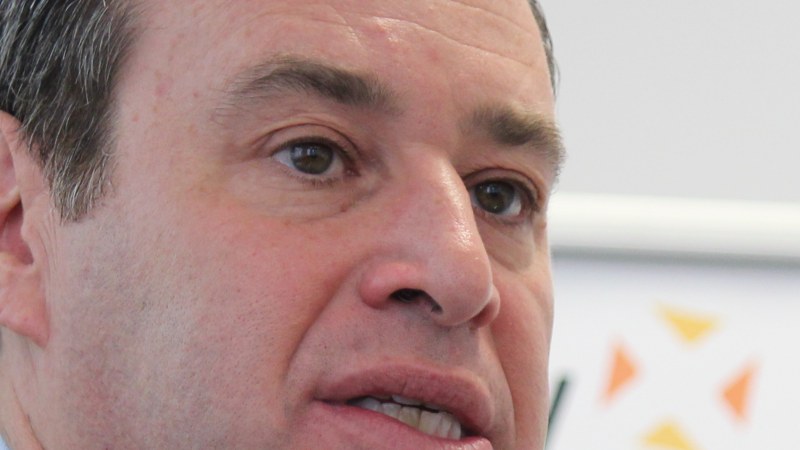
David Frum
David Frum is a Canadian-American staff writer at The Atlantic and host of The David Frum Show, the podcast where he turns four decades of conservative argument on the movement that produced him. He coined the phrase 'axis of evil' as a speechwriter for George W. Bush, wrote ten books, and became one of the most quoted voices of the Never Trump right. The son of legendary Canadian broadcaster Barbara Frum, he left the Republican Party in November 2024 after a lifetime inside it.
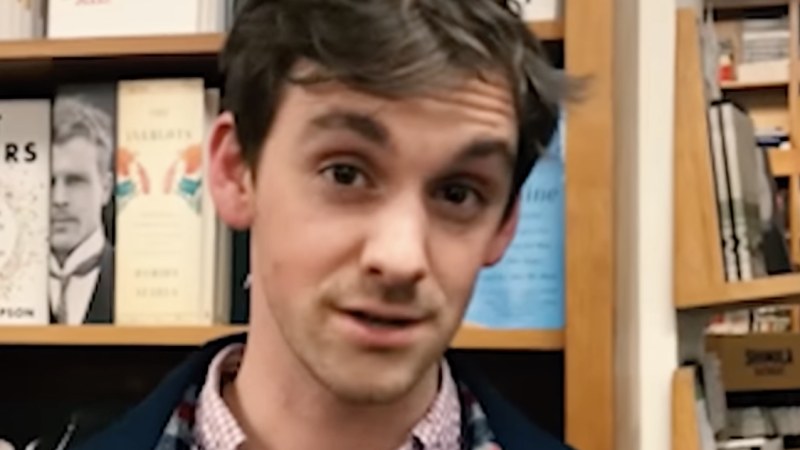
Derek Thompson
Derek Thompson is an American journalist, author, and podcaster best known for co-writing the #1 New York Times bestseller Abundance with Ezra Klein and hosting the Plain English podcast on The Ringer. After 17 years as a staff writer at The Atlantic, he left in 2025 to write independently on Substack, focusing on housing, energy, technology, and the decline of in-person social life.
Jonathan Chait
Jonathan Chait is an American political columnist known for picking fights in every direction - skewering conservative economics, needling the progressive left over identity politics, and defending liberalism with the persistence of a man who enjoys an argument. After three decades that took him from The New Republic to New York magazine's Intelligencer, he joined The Atlantic as a staff writer in late 2024. He is the author of 'The Big Con' and 'Audacity,' a self-described liberal who is happy to annoy everyone on his own side.
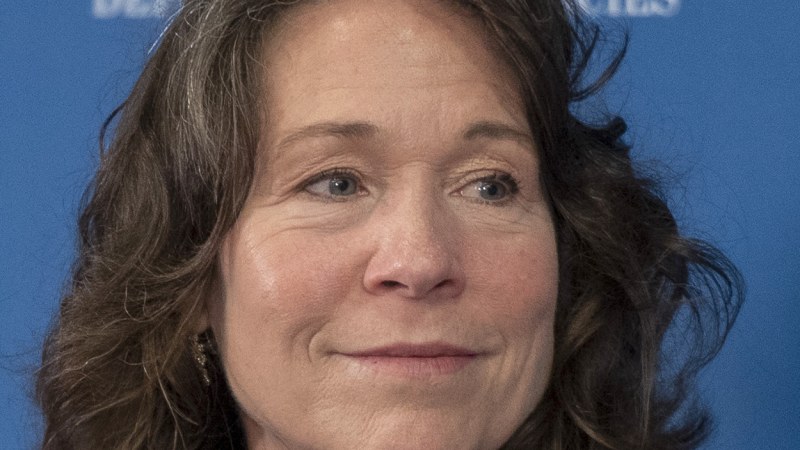
Kori Schake
Kori Schake runs foreign and defense policy studies at the American Enterprise Institute and is one of Washington's most quoted voices on alliances, deterrence, and the future of NATO. A Stanford-trained scholar who studied under Condoleezza Rice, she spent a decade and a half inside the Pentagon, the National Security Council, and the State Department before becoming a leading public intellectual on grand strategy. She is the author of several books on hegemony and civil-military relations, a contributing writer at The Atlantic, and a Republican national security thinker known for breaking with her party over Donald Trump.
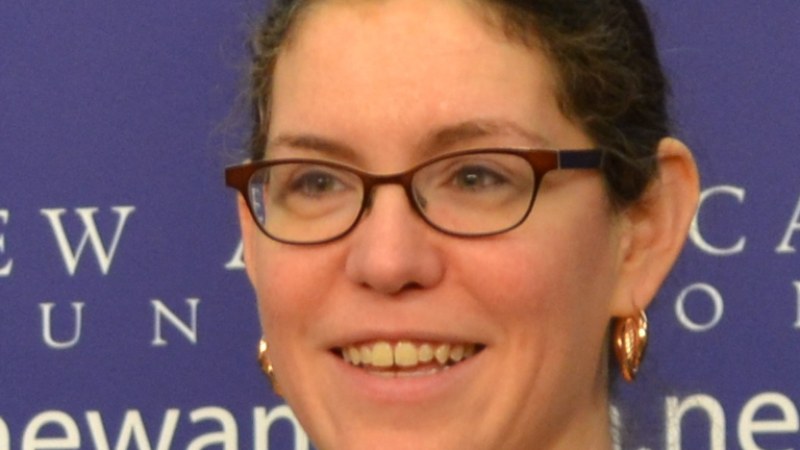
Megan McArdle
Megan McArdle is a Washington Post opinion columnist who writes at the seam where economics, business and public policy meet. She was blogging as 'Jane Galt' from a desk near Ground Zero before most journalists knew what a blog was, parlaying an English-lit degree and a Chicago MBA into a career that ran through The Economist, The Atlantic, Newsweek/Daily Beast and Bloomberg View. A self-described right-leaning libertarian known for steelmanning the other side, she wrote 'The Up Side of Down,' a book arguing that failing well is the real engine of success. In 2025 she added a contributing-writer role at The Dispatch and turned to podcasting with 'Central Air' and 'Reasonably Optimistic.'
Ross Douthat
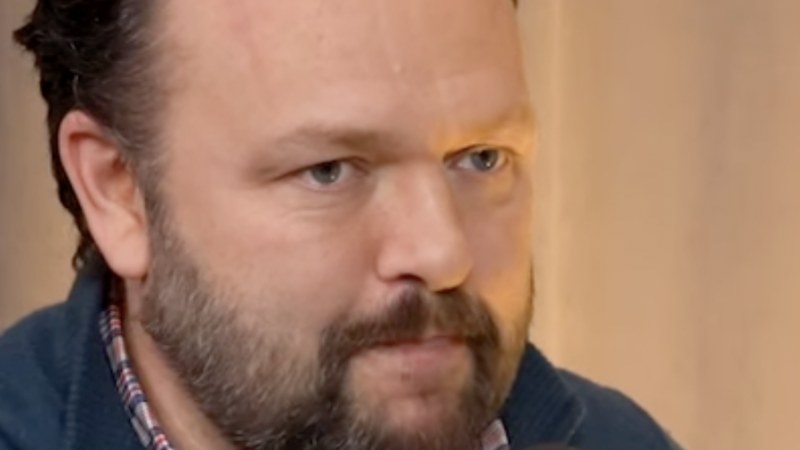
Ross Douthat is a New York Times opinion columnist, author, and podcast host who became the paper's youngest regular op-ed writer in 2009 at age 29. A conservative Catholic convert with a knack for diagnosing cultural drift, he wrote 'The Decadent Society' and 'Believe: Why Everyone Should Be Religious,' and now hosts the Times Opinion podcast 'Interesting Times,' where he interviews figures from across the political spectrum about the New Right and a shifting world order.

Tom Nichols
Tom Nichols is a staff writer at The Atlantic, professor emeritus of national security affairs at the U.S. Naval War College, and author of The Death of Expertise. A Cold War scholar who spent decades teaching strategy to military officers, he became one of America's most-read voices on the collapse of trust in experts and the fragility of democracy. He is also, improbably, a five-time undefeated Jeopardy! champion and a curmudgeonly New England cat guy who once played a fictional pundit on HBO's Succession.

Amanda Mull
Amanda Mull is a senior reporter at Bloomberg Businessweek and one of the sharpest observers of American consumer culture. Writing the 'Buying Power' column, she dissects how everyday purchases shape identity, politics, and society - bringing a decade of retail experience and almost six years at The Atlantic to one of journalism's most under-examined beats.
Charlie Warzel
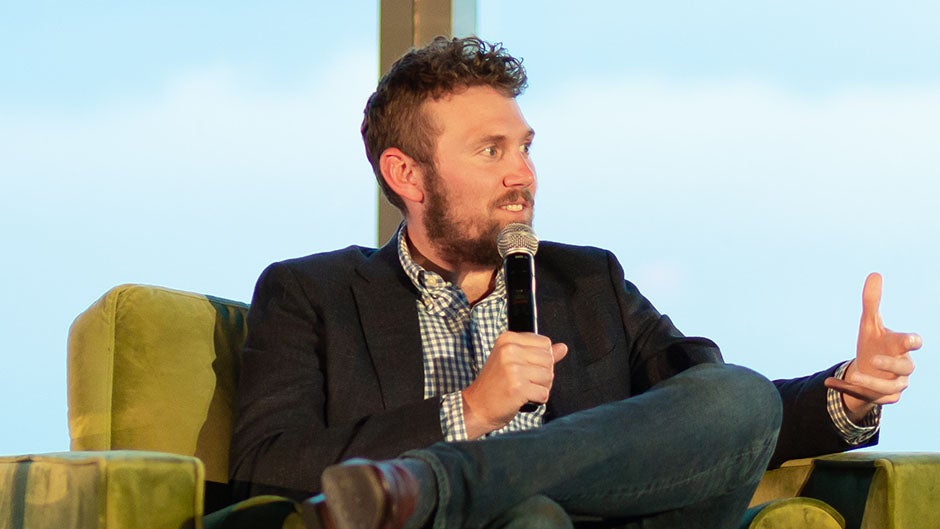
Charlie Warzel is a staff writer at The Atlantic and author of Galaxy Brain, the publication's flagship newsletter on tech, media, and internet culture. A veteran of BuzzFeed News and The New York Times, he has spent over a decade mapping the collision of technology, power, and human behavior - from smartphone location tracking to AI hype cycles to Twitter's moderation failures. Co-author of 'Out of Office' with Anne Helen Petersen, Warzel writes from Lummi Island, Washington, with a voice that is analytical, empathetic, and stubbornly resistant to easy narratives.

Ed Yong
Ed Yong is a Pulitzer Prize-winning British-American science journalist best known for his eight years at The Atlantic, where he wrote over 750 stories including landmark COVID-19 coverage that earned him journalism's highest honor in 2021. Author of two acclaimed bestsellers - 'I Contain Multitudes' (2016) and 'An Immense World' (2022) - he translates complex biology and animal sensory science into vivid, empathetic prose that has won him the George Polk Award, Carnegie Medal, Royal Society Science Book Prize, and a 2024 Guggenheim Fellowship. Now an independent journalist, he publishes the newsletter 'The Ed's Up' and remains one of the most distinctive voices in science communication.
Katherine Wu
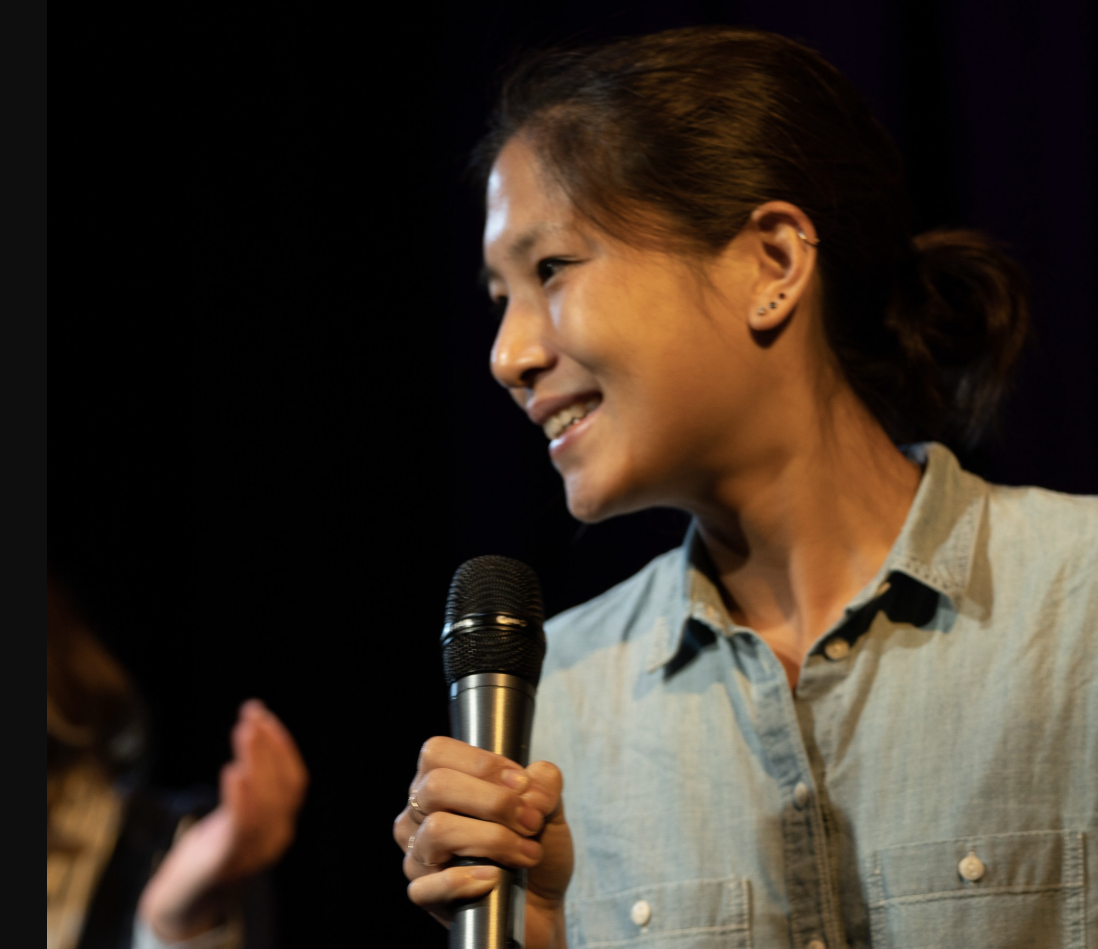
Katherine J. Wu, Ph.D. is a staff science writer at The Atlantic and one of the most respected science journalists working today. A former Harvard bacteriologist turned acclaimed writer, she translates complex biology - from pandemic viruses to the sex lives of deep-sea creatures - into stories that are simultaneously rigorous and riveting. Winner of the 2024 Kovler Prize and the 2022 Schmidt Award for Science Communication, she has reported for The New York Times, National Geographic, and Smithsonian, and holds a PhD in Microbiology and Immunobiology from Harvard. She writes the newsletter The Pivot, covering science and health.