telecommunications
(62)
John Doyle Bet the Company on the Part of Your Phone You Never See
A Green Beret turned coder turned reluctant lawyer chose the hardest possible way to make a phone private: rebuild the cellular network beneath it.
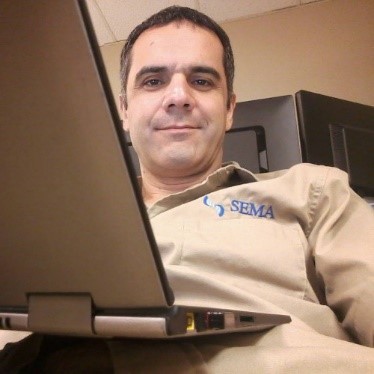
Hilmi Turan Builds the Signal Path First Responders Cannot See
From Istanbul Technical University to more than 500 emergency-radio systems, Turan has built a career around the moment a concrete wall turns a clear signal into silence.

Meg Powell Is Making the Invisible Infrastructure of Conversation Matter
After moving through agency work, lottery technology, customer intelligence and digital health, Meg Powell arrived at Bandwidth and rebuilt marketing around a deceptively simple idea: the pipes beneath a conversation shape the experience above them.

Kendra Seaman Makes Ambiguity Behave
Across PTC, Toast and Calix, Kendra Seaman has built a career in the consequential space between a strategy and the people expected to carry it out.

Rebecca Stone Wants the Data Clean - and the Customer Heard
After building pipeline at LiveRamp and speeding up marketing at Cisco, Rebecca Stone has taken on a wider brief at Plume: make every customer handoff carry context, and leave the difficult conversations to humans.

Svetlana Lepikhova Makes the Business Phone Sound Human Again
The MightyCall CMO brings a finance-trained eye to the decidedly human business of explaining phone software - then leaves the dashboards behind for a surfboard and a dog walk on the Northern California coast.

Ronny Haraldsvik Has Spent a Career Selling the Invisible
From Flarion’s mobile-broadband bet to Cohere’s pitch for smarter spectrum, Ronny Haraldsvik has built a career translating radio engineering into decisions that operators, partners and investors can act on.
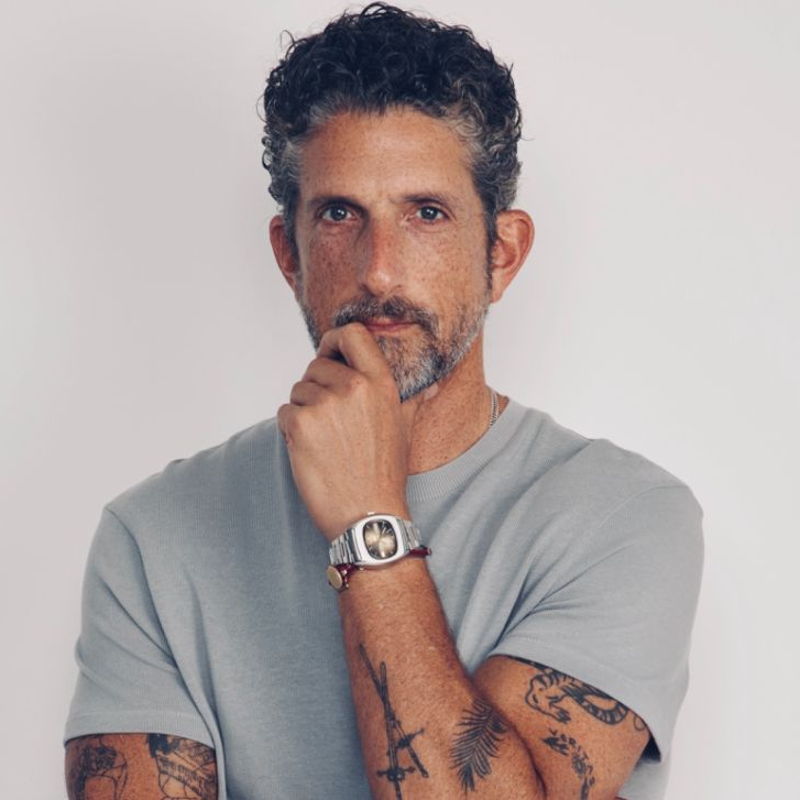
Gil Rosen Makes Elephants Dance. Now He Is Teaching AI Some Manners.
The Amdocs CMO has spent his career turning large-company machinery into products people can understand. His latest brief is stranger and more human: giving corporate AI a recognizable personality.

Kristi Brown Has Spent 20 Years Making Invisible Technology Impossible to Ignore
From cloud phones to construction finance and AIoT, the Nashville marketing executive has built a career translating complicated infrastructure into reasons to care.

Sahil Dhar Hakim Built a Career in the Spaces Between Departments
From car strategy and field sales to fintech SaaS and streaming economics, Evergent's Chief Business Officer has made a specialty of translating between products, markets and the people who must make them work.

Dawn Callahan Built a Career by Saying Yes Before She Felt Ready
A production creative became a service-quality fixer, a cable marketer and the long-serving CMO who helped guide Boingo from startup to public company to private ownership. Her operating system is disarmingly simple: notice the problem, volunteer an idea and get comfortable being uncomfortable.

Miguel Alonso Has Spent 30 Years Making Networks Less Stubborn
From broadband line cards to AI-assisted operations and open network software, Miguel Alonso’s career follows a quiet idea: infrastructure improves when operators gain more choice.

Sally Hudson Maps the Money Beneath the Fiber
At VCTI, Sally Hudson translates the hidden arithmetic of broadband into a practical question: where should the next mile go, and what will it really cost?

Donna Johnson Makes Invisible Infrastructure Make Sense
An electrical engineer became the marketer translating 5G, wireless WAN and cloud-managed connectivity into decisions people can actually make. At Inseego, Donna Johnson is applying that unusual career arc to a company preparing for a much larger global stage.
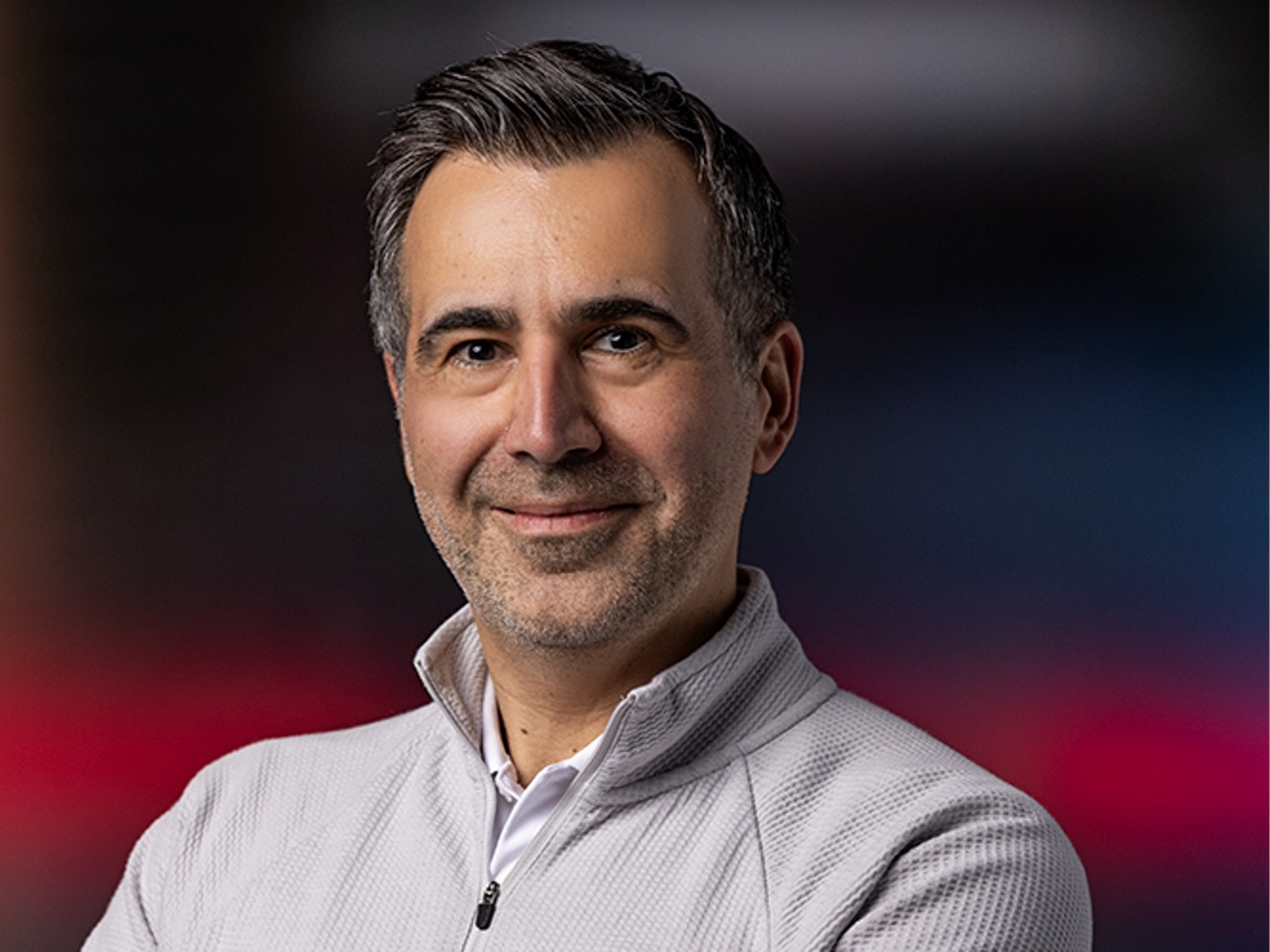
Mo Katibeh’s Quiet Operating System for the Loud Business of Connection
He has built networks, products and marketing engines at telecom scale. His quieter advantage is an executive habit anyone can borrow: listen closely, think alone, then translate technology into a problem someone actually needs solved.
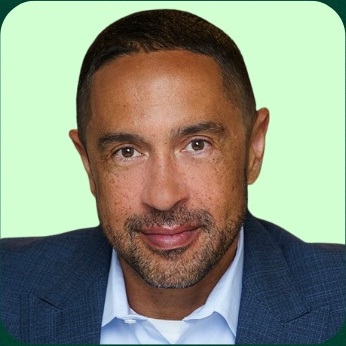
Cliff Dinwiddie Put Sales and Marketing on One Scoreboard
After three decades in telecom, Uniti and Kinetic CMO Cliff Dinwiddie has a plain-spoken operating system: share the numbers, start with the customer’s problem, admit when you are wrong, and let AI make the humans more useful.

Larry Ridwan Put Indonesia's Cold Chain on an Eight-Kilometer Grid
A banker-turned-telecom executive tried selling fish online, met the limits of motorcycle delivery, and drew a new map for Indonesia's cold chain - one hyperlocal fulfillment center at a time.

Danny Gardner Put Wi-Fi Where the Wires Run Out
A student project, a solar panel and a stubborn question became Mesh++. Danny Gardner’s routers travel lightly because the places that need a signal rarely come with convenient walls, wires or outlets.

Iyad Tarazi Is Teaching the Airwaves to Share
He left a vast telecom organization for a startup with two scientists and a difficult idea: let radios share. A decade later, Iyad Tarazi is applying the same instinct to AI, physics and the stubborn economics of wireless networks.

Benjamin Forgan Is Building the Quiet Layer That Keeps the Physical World Online
A broken connection in Singapore became a decade-long lesson in infrastructure: make cellular access programmable, design failure out of the system, and let builders concentrate on what their devices actually do.

Jim McKenna Bet Maine's Last Mile Could Travel Through the Air
A former nuclear-submarine officer built a Maine internet company around one stubborn engineering belief: fiber should carry the distance, and wireless should finish the trip.

Andrea Calcagno Put the Store Floor Online - Then Made WiFi Think
A Calabrian engineer followed a stubborn question from Turin to Pisa to New York: what if WiFi could do more than connect? Two decades later, Andrea Calcagno is still rebuilding the answer.

Abilash Menon Wants the Internet's Middle to Stop Using Spreadsheets
After two decades of making packets behave, the MaiaEdge co-founder is tackling telecom's awkward handoff: the place where automation ends, spreadsheets begin, and every network insists on being an island.

Ari Rabban Built for the Small Business Everyone Else Put on Hold
A lawyer turned telecom operator spent nearly two decades making sophisticated phone tools feel ordinary. His enduring bet was simple: tiny businesses deserve serious infrastructure without an IT department.
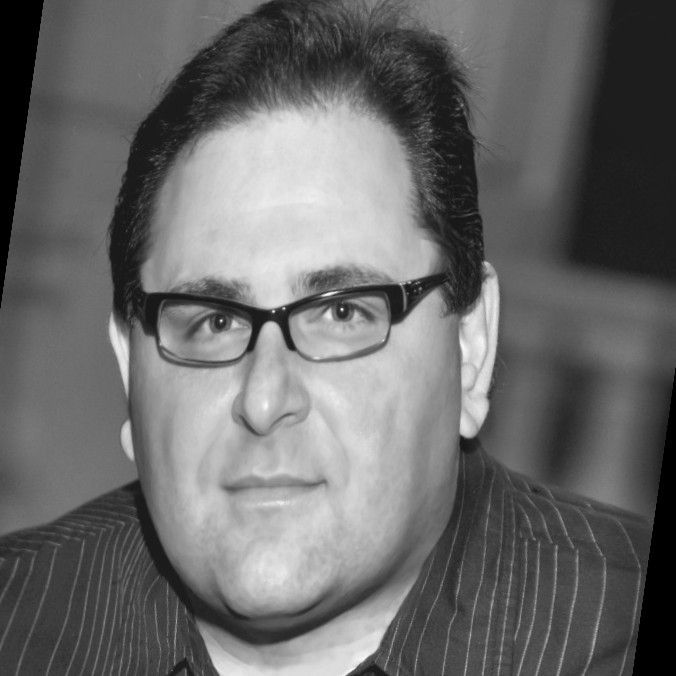
Dave Drazen Put the Internet on the Map
For 25 years, the GeoTel founder has turned buried fiber, rooftop towers and lit buildings into something decision-makers can actually see - and use.

Roger Dewey Put the Tiny SIM Card in Charge
For decades, telecom treated the SIM as a passport. Roger Dewey saw a pocket-sized computer - and built a company around letting it make decisions.
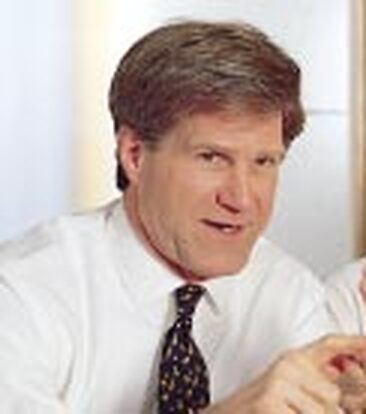
Steven Wagner Built the Bundle Before Streaming Broke It Apart
Across HBO, Disney, NTL and Rogers Cable, Steven Wagner spent three decades turning new communications infrastructure into products people could actually choose, buy and understand.

Louis Adam Turned Telecom Complexity Into a Marketing System
At EXFO, Louis Adam made a discipline of translating dense network technology into useful customer conversations - then turned the process into a playbook others could use.

Scott Lahman Kept Betting on the Phone's Next Act
From a prescient Nokia meeting to JAMDAT's $680 million exit and textPlus's pending Truecaller deal, Lahman's career is a study in spotting the next job a phone will do - then doing the patient work to make it ordinary.
V.K. Budhraja Built for the Moment the Network Blinks
After selling Fibex to Cisco, the telecom engineer started again - this time opening the machinery that keeps critical systems available when hardware or software fails.