technology-marketing
(62)
Shahed Ahmed and the art of being understood
From reporting on Sega to testing AI tools at Merritt Group, Shahed Ahmed has spent his career studying the distance between what technology can do and what people need to hear.

Merritt Group and the Business of Making Complicated Things Matter
For three decades, Merritt Group has made a business of translating dense technology into stories that buyers can repeat. The trick is not louder marketing. It is knowing exactly which details deserve a microphone.

Ben Fox Built a Global Agency by Getting Out of Its Way
He began with a Dell laptop, a phone and what he calls a healthy amount of fear. Fifteen years later, Ben Fox is learning that a founder's hardest job may be making the company less dependent on its founder.

The Publicists Behind the Pixels
Liaison found a narrow problem hiding inside a gigantic industry: the people building the future in 3D were not always good at explaining it. For more than 25 years, Heidi Lowell's Portland agency has made the pixels legible.

Isource Marketing Put the Funnel on the Factory Floor
A twenty-year-old Miami agency has given the marketing funnel a mechanic's vocabulary - and built a cross-border business around fixing the leaks between attention and revenue.

The Wedding Invitation That Built a Marketing Agency
Sagefrog began when an engineer hired a designer for his wedding invitations. Two decades later, that accidental pairing - strategy beside craft, measurement beside taste - has become the agency's entire operating idea.

Bhava Found a Better Way to Launch Tech: Prove the Problem First
A small San Francisco agency has spent 15 years translating difficult technology into stories people can repeat. Its neatest trick is simple: before announcing the answer, prove the problem is real.

Beginners knows a launch is only the first story
A robotics company, a hockey arena, and an agency that kept looking for the next chapter. Inside Beginners’ approach to making complicated companies easier to understand.

BAM knows who needs to hear your story
A startup can have news and still have nobody’s attention. BAM sells the work between the two: finding the story, earning the introduction, and giving people a reason to care.

Big Sky Communications and the art of asking a customer twice
A good customer story can help sell software. Big Sky Communications builds the relationships, routines, and restraint needed to keep those stories coming.

Big Valley Marketing asks a better question: Who needs to care?
A technology company can explain every feature and still leave its audience cold. Big Valley Marketing works on the missing connection between what a business builds, what it says, and why anyone should pay attention.

10Fold Communications and the question after the applause
Getting a technology company into the news is one job. Explaining what the attention accomplished is another. 10Fold has built its pitch around doing both.

For More Than 20 Years, Felicia Diebley Has Turned Complex Technology Into Customer Value
Her career runs through radios, open source, and cybersecurity, but the method stays remarkably consistent: align sales, product, partners, and a clear customer promise.

Sudharsan Rajagopalan Turned a 21-Year Dell Career Into a Marketing Operating System
After more than two decades inside Dell, Sudharsan Rajagopalan has learned to make marketing answer to the business - through customer intelligence, partner economics and the quiet discipline of running the machine.

Lisa Luscap Makes Complicated Technology Sound Like a Human Decision
From Dolby's cinema screens to Snowflake's record-setting market debut and Starburst's data platform, Lisa Luscap has built a career around a deceptively hard task: making technical change clear enough to matter.

Catherine Solazzo Put Her Marketing Team on Jira - and Made the CMO Job Bigger
After 17 years at IBM and turns through Tech Data, TD SYNNEX and Syntax, Appfire's CMO is asking marketing to work like the developers it hopes to reach - in sprints, inside Jira, with fewer handoffs and more proof.

Heather Robertson Came Back to Sell the Cloud Built for Macs
After three decades translating technical products into reasons to care, Heather Robertson has returned to MacStadium to market a particularly physical kind of cloud: racks of Apple hardware, built for enterprise work.

Steve Daheb Counted Computer Parts. Then He Learned How to Sell the Future.
Before Steve Daheb became Flexera's chief marketing officer, he wore three bargain suits to a manufacturing job and counted networking components. The career that followed has been an exercise in seeing the whole machine - product, proof, people and the story that makes them move together.
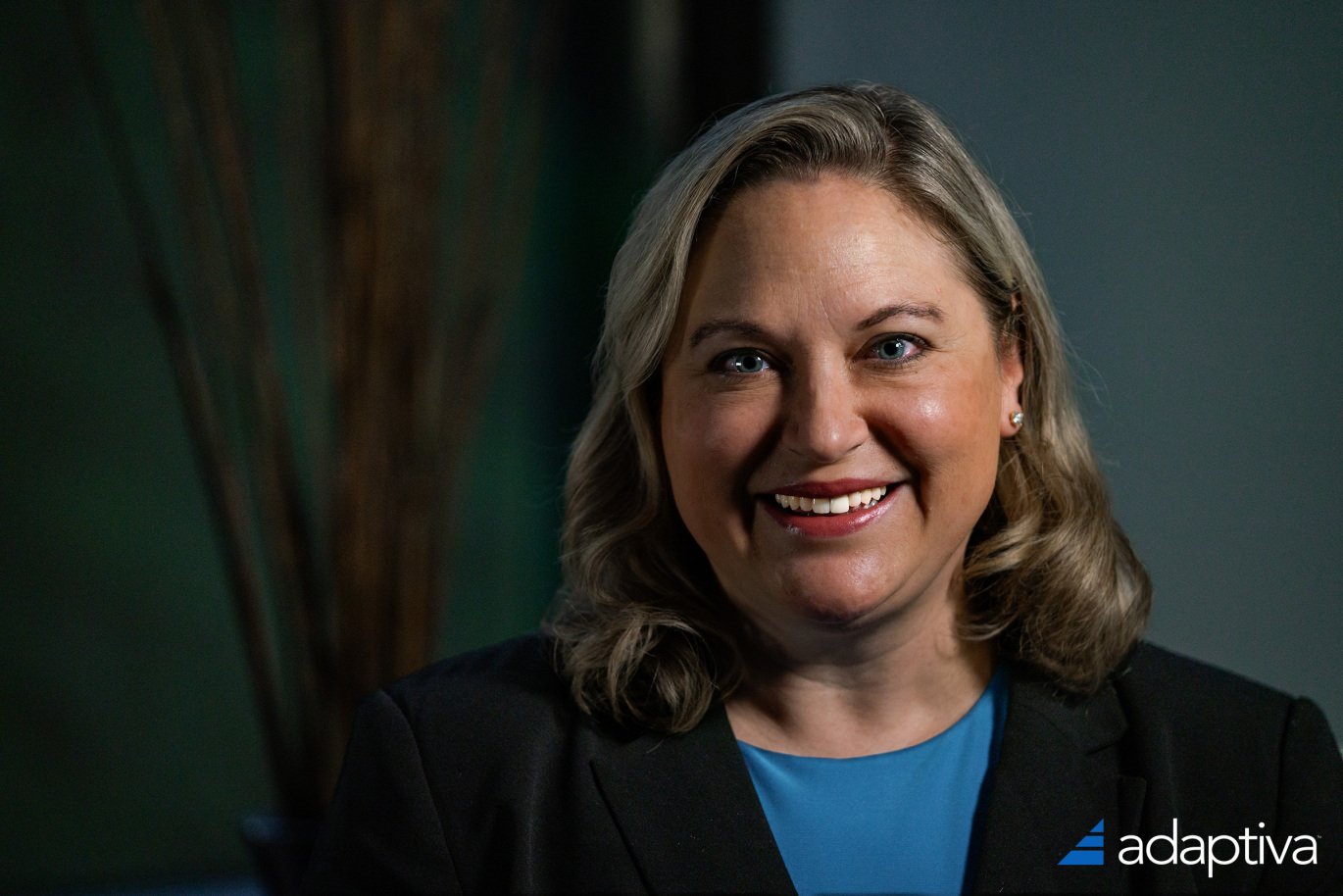
Anne Baker Came Back to Make the Invisible Work Visible
The mechanical engineer turned marketer left Adaptiva, learned the machinery of global alliances, then returned to explain a quiet technology problem with enormous consequences.

Joanne Wong Read the Fine Print - Then Rewrote the Rules
A lawyer crossed into technology, helped build a cybersecurity business across 25 Asia-Pacific markets, and carried one hard lesson about work and family into the way she leads.

Katherine Rincon Has Spent 30 Years Making Real Time Mean Something
From Visa Gold to developer communities, streaming data and operational AI, Katherine Rincon has built a career translating invisible infrastructure into reasons to care - usually before the rest of the market catches up.

Mario Carvajal Has Spent 17 Years Turning Technical Detail Into Corporate Direction
He arrived at AvePoint through engineering and stayed long enough to help explain its next era. Now Mario Carvajal works where product architecture, corporate strategy and the public story meet.
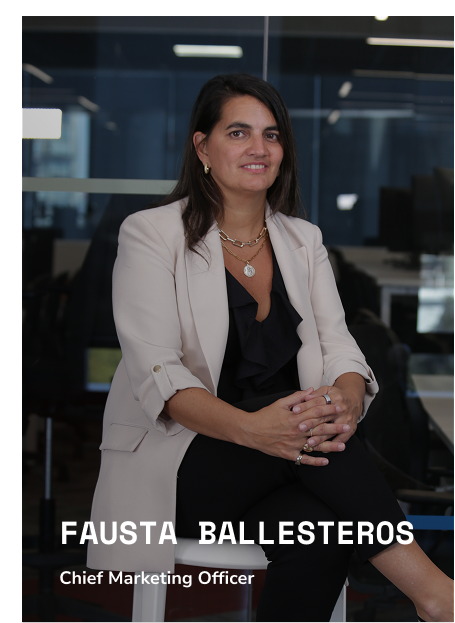
Fausta Ballesteros Turns Culture Into the Operating System for AI
The Wizeline CMO has spent more than two decades making technical companies legible, human and connected. Her durable idea is simple: culture is how strategy learns to move.

David Crozier Is Selling AI With His Feet on the Ground
After decades explaining enterprise software at IBM and HPE, Appian's CMO has arrived at a useful doctrine for the AI age: begin with the work, keep the claims honest, and let customers tell you what matters.

Anahita Poonegar Makes Trust Legible
A Cornell-trained planner became the translator, marketer, and operator behind Intertrust's shift from digital rights to data governance - while building its India business from the ground up.

Karen Brewer Made a Career Out of Listening Before Speaking
From Macromedia's startup years to a Tokyo room full of Illustrator users, Monotype's new CMO has built her career around a modest idea: the market gets clearer when you invite people in and listen.

David Bradley Has Spent a Career Making Silos Talk
From turning ibm.com into a $12 billion sales channel to redirecting surplus produce toward families, the r4 executive has built a career around one stubborn idea: useful information should travel farther than the department that owns it.

Dana Loof Makes Complicated Technology Sound Useful
Across three decades, Dana Loof has sold ideas most people cannot see - cloud storage, zero-client computing, AI security screening, and now the quiet software behind safer kitchens. Her specialty is turning technical machinery into a story that makes operational sense.

Abhishek Vanamali Wants Brands to Move Before They Drift
After rebuilding one technology brand from the inside out and repositioning another for an AI-first market, FullStack's new CMO is asking a sharper question: can a company change quickly without forgetting what it means?

Brian Kirkham Makes Serious Technology Easier to Trust
Across radios, cameras, evidence systems and safety software, the Omnigo CMO has spent more than 35 years turning technical capability into a case that real customers can use.