student-entrepreneurship
(14)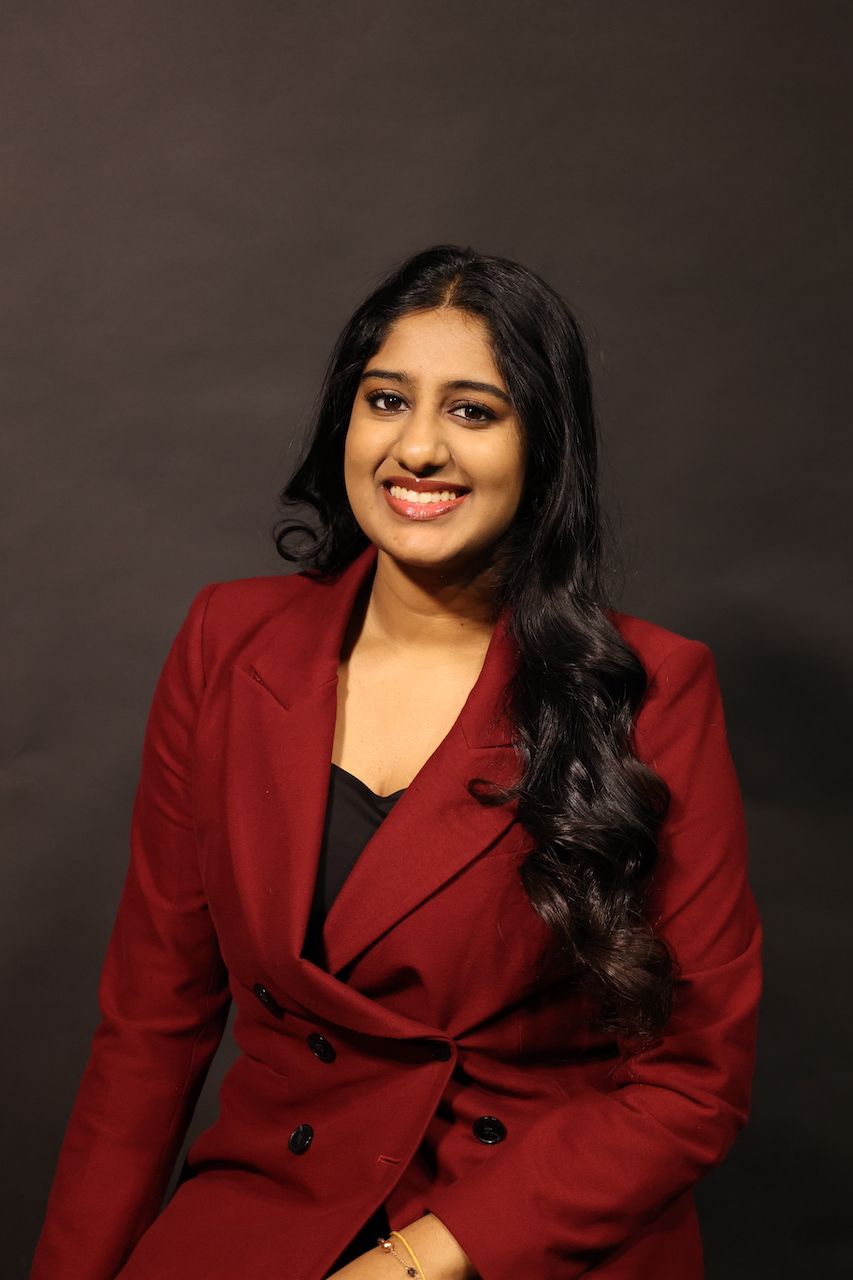
Ashritha Kallem and the work before the pitch
Before leading Northeastern’s student-run venture accelerator, Ashritha Kallem worked on its operations. Her path through IDEA and TEDx follows the people, preparation and practical help that give an idea somewhere to go.

Leads and Feeds wants to build the business behind the buzz
The Bengaluru marketing firm now connects campus ideas, nonprofit visibility and startup investment. Its most interesting proposition is what happens after somebody pays attention.
Boost Turku gives first-time founders a summer to find out
Eight weeks. No fee. No equity taken. In Finland’s student-run startup community, the first business idea is only part of the education.

LUTES Gives Students the Keys to the Startup Club
In Lappeenranta, a student-run society turns curious newcomers into project leaders and first-time founders. Its most useful lesson is what happens when the board lets other people take charge.

START Stuttgart gives student ambition a deadline
A free pitch night, a prototype sprint and a room full of people who might become your co-founders. Inside the student network turning entrepreneurship into something you actually have to do.
The ₹52,000 Detail in Invertis’s Startup Story
At Invertis University in Bareilly, incubation connects student ideas with workshops, industrial equipment and early funding. A modest allowance for a software startup offers a useful way to understand the ambition.

i-Hub Gujarat puts a price on getting started
A ₹3,000 desk. Seed grants of ₹2.5–10 lakh. Gujarat’s public startup hub tackles the awkward stretch between a student’s prototype and a business somebody will pay for.

GUIITAR Council gives startup ideas a place to get their hands dirty
At GSFC University in Vadodara, GUIITAR Council connects founders with laboratories, mentors and public funding routes. Its incubatees are tackling solar-panel cleaning, hydrogen combustion and even banana-stem fibres.
Ava McCoy Is Building a Career in Public - One Story, Sideline and Spreadsheet at a Time
The Harvard junior moves between a $13 million student-run business, the Crimson sports desk, ESPN+ sidelines and nonfiction film. Her useful trick is not choosing one lane - it is learning what each lane can teach the others.
The University That Had to Fire Its First Idea to Build Toronto's Research Machine
U of T began as an Anglican college that took 16 years to open and lasted only seven years in the classroom. Its secular reboot became a three-campus platform serving 103,140 students - and a case study in how institutions turn breadth into an advantage without pretending complexity is free.
Northwestern Started With $9.92. Here’s the Flywheel Institution Builders Can Steal
A lakefront land bet, $100 perpetual scholarships and an obsession with crossing disciplines turned nine founders’ “wind work” into a $3.46 billion-a-year institution. The trick is copyable. The conditions are not.
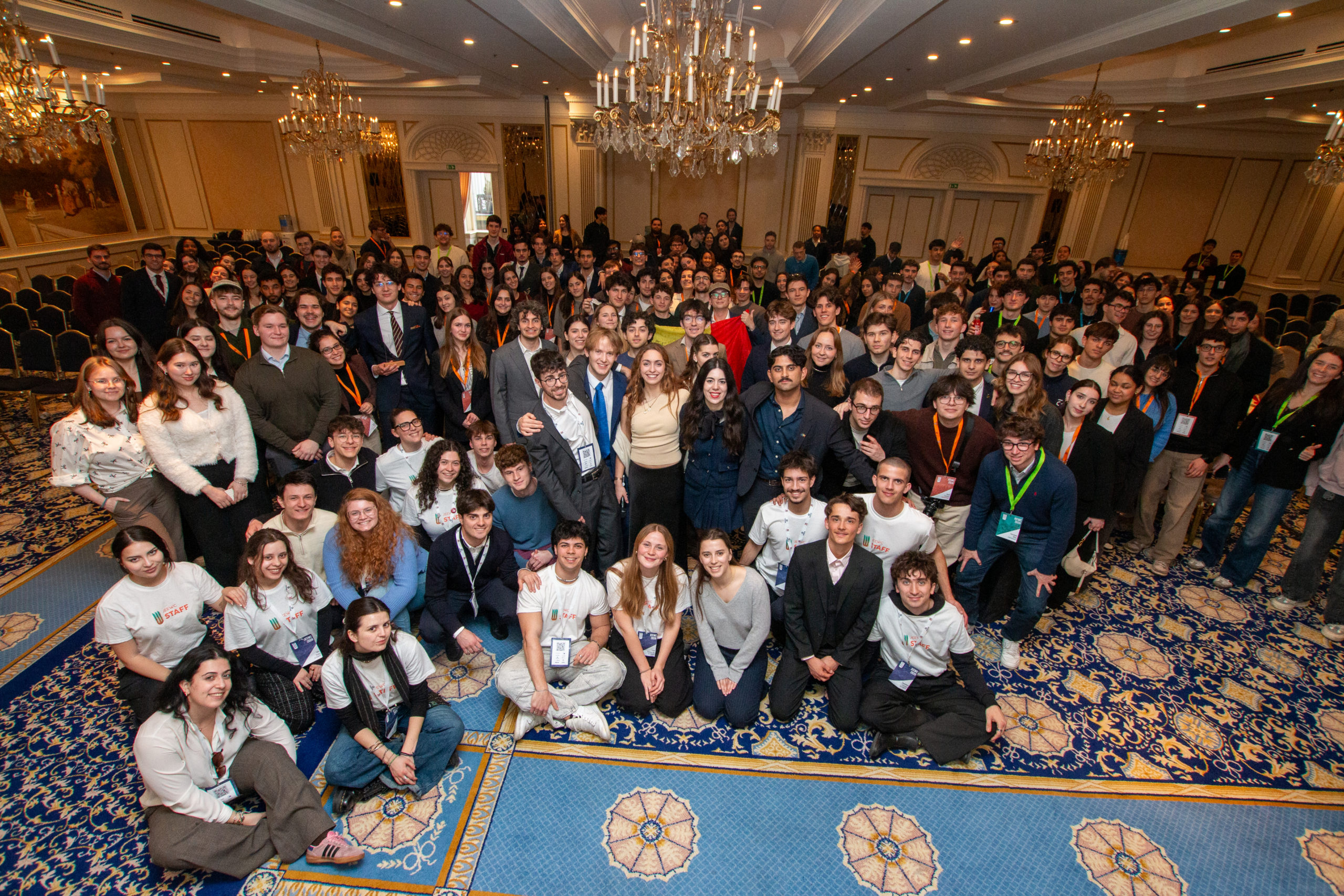
Junior Enterprises Turn Classrooms Into Client Work
Across Europe, student-run nonprofits are doing what lectures cannot: putting young people in charge of real clients, real decisions and real consequences.
Harvard Student Agencies
Harvard Student Agencies (HSA) is the largest student-run company in the world. Founded at Harvard in 1957 as a 501(c)(3) nonprofit, it employs more than 900 Harvard undergraduates each year across roughly a dozen businesses - from The Harvard Shop and Trademark Tours to Let's Go travel guides, HSA Tutoring, GroupGear custom apparel, and Campus Insights user research. Students run every division as managers, gaining hands-on business experience while earning wages that help offset the cost of a Harvard education.
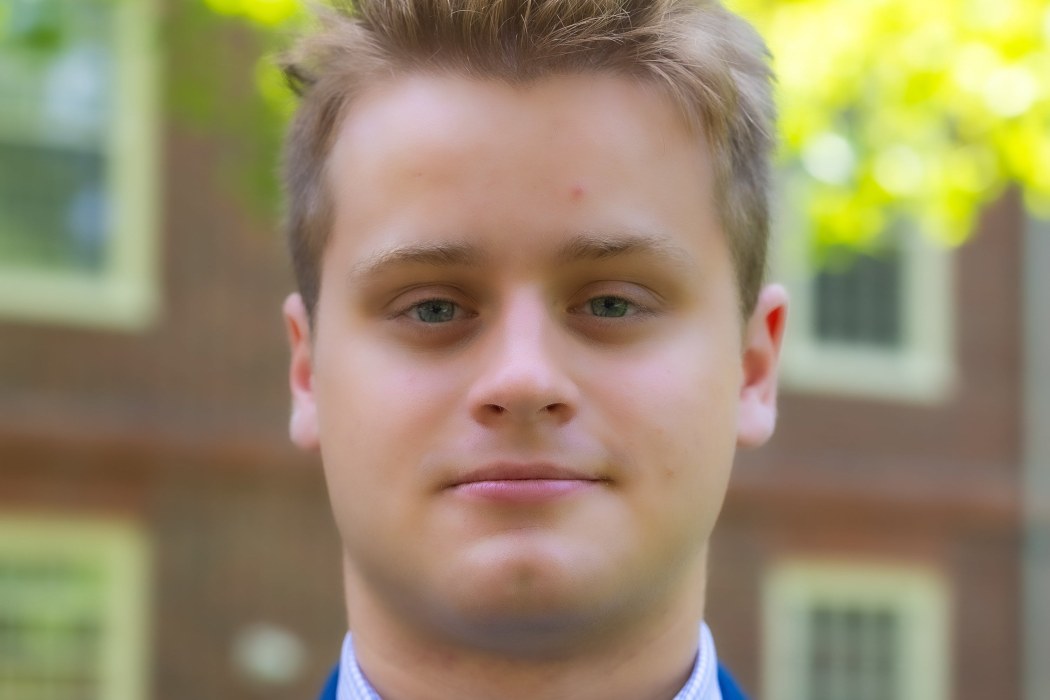
Michael Mauro
Michael Mauro is a Harvard undergraduate economics student from Long Island who has turned campus life into a business education. He helps run marketing at Harvard Student Agencies, the world's largest student-run company, works as a consulting manager for its summer Academies, and co-presides over the Harvard Undergraduate Economics Association. He plays club ice hockey, is aiming for law school, and has collected passport stamps from two dozen countries along the way.