software-founder
(20)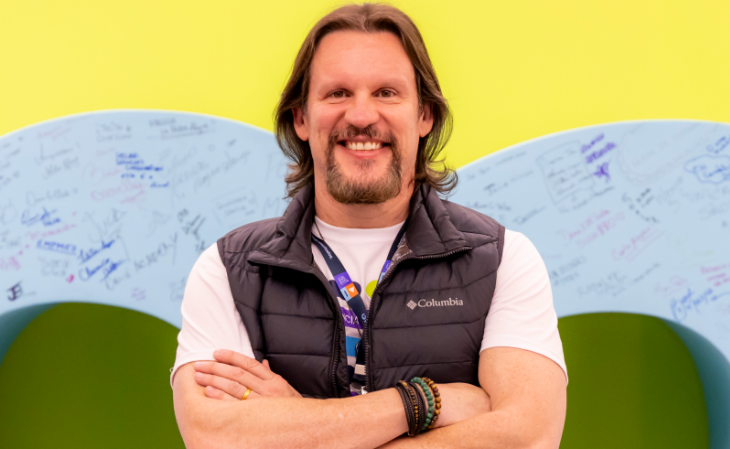
Marcelo Lombardo and the accountant next door
Omie grew when Marcelo Lombardo followed the people already recommending his software. Now the founder is changing the machinery again, with WhatsApp, AI and a costly farewell to franchises.
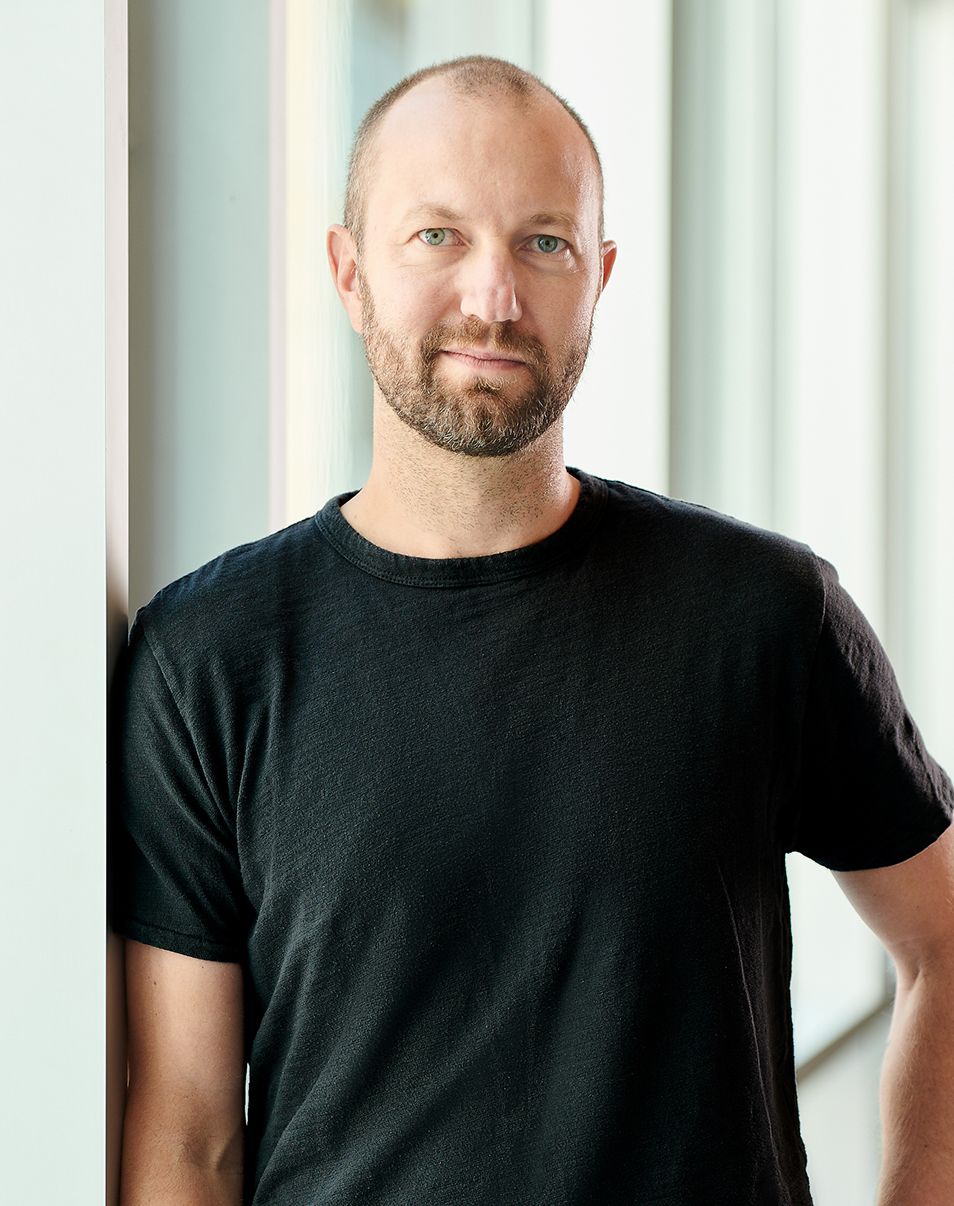
Sam Pillar and the business hiding in the paperwork
A painting contractor needed less administration. Sam Pillar saw a software company. Fifteen years into Jobber, he is still working out how to grow without losing sight of the people who taught him what to build.
Elias Farah and the business that began over lunch
An aerospace engineer, a conversation in a Bombardier cafeteria, and a partnership that lasted. Elias Farah’s route to MEDFAR runs through patient engineering, acquisitions, and a deadline called 2030.

Red Xiao and the art of starting again
Before Manus, there were WeChat tools, a browser extension and years of awkward questions about what an application was worth. Red Xiao’s career is a study in getting useful software into people’s hands - and learning when to begin again.
Tibo Louis-Lucas and the Art of Trying Again
Eleven launches in a few months produced one hit. After selling Tweet Hunter and Taplio, the French founder turned that quick-test habit into a growing portfolio of software businesses.
Dylan Farnsworth and the Fine Art of Knowing What to Throw Away
A trained oboist became a software operator, then let AI write the code. His real craft is knowing when to conduct, when to listen, and when to throw a bad session away.

Kevin Figueroa Graduated Early. Now He Is Building for Time That Creators Never Get Back
He earned a bachelor's degree before his high-school diploma and a master's at 18. Years later, Kevin Figueroa is still preoccupied with time - this time, the hours independent creators lose to the business of being creative.
Craig Weston Keeps Building - and Now the Blueprint Is a Town
He started a dot-com in college, turned association paperwork into a software business, ran relief operations in the Philippines and built a national clinic network. Craig Weston's latest project asks a harder question: what happens when an entrepreneur's blueprint becomes public geography?
Andrew Ofstad and the Art of Making Complexity Disappear
He began by building dams in a Montana mud flat, then learned to strip clutter from Google Maps. At Airtable, Andrew Ofstad made the same bet at a larger scale: the best tools leave people feeling capable, not impressed by the machinery.

Max Brodeur-Urbas Built the AI Company That Knows When Not to Use AI
Gumloop began as a three-day experiment for people who could not install AutoGPT. Its co-founder turned that failed-agent lesson into a more useful idea: let AI make the judgments, and let people keep hold of the map.
Jesal Mehta Spent Decades Watching Contracts Leak Value. Then He Built the Fix Into the Workflow.
After building software teams across India and the United States, Jesal Mehta chose a stubborn enterprise problem: contracts full of value, obligations and risk that organizations still manage like paperwork. Aavenir is his attempt to make the work visible, searchable and useful.
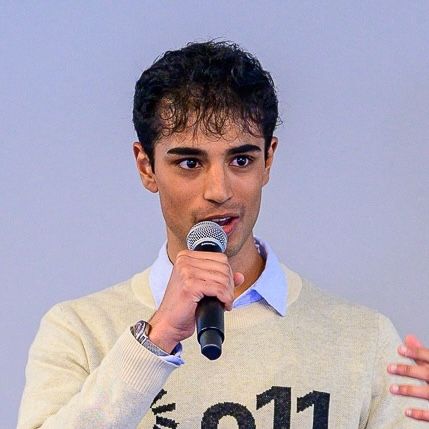
Aryah Oztanir Is Building the Memory Layer Finance Forgot
At 19, he traded a full scholarship for a startup bet: financial firms do not need another dashboard. They need their scattered knowledge to remember how to work together.
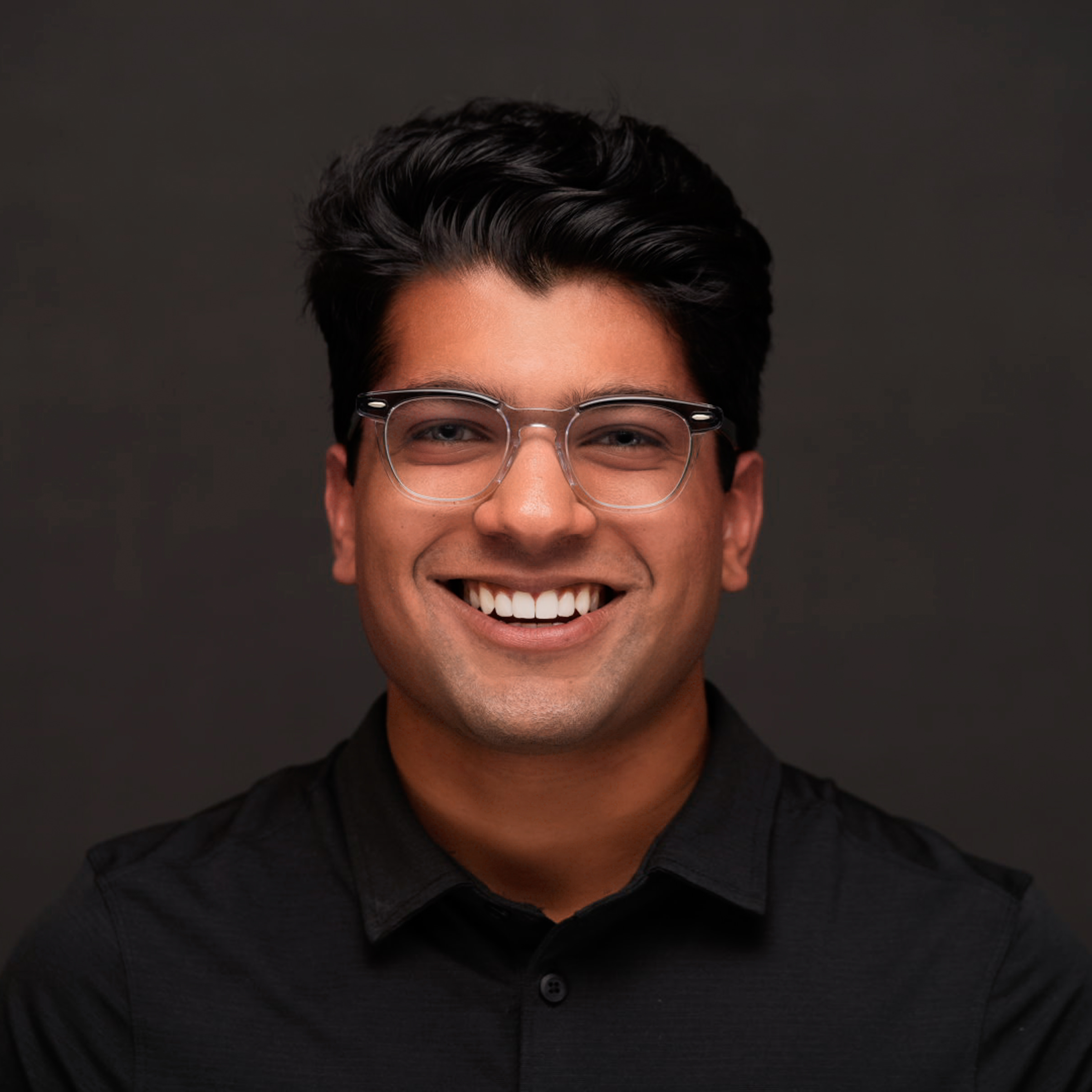
Anand Valavalkar Learned to Hear the Money in a Missed Call
Before Twine became an AI revenue engine, its central insight lived inside a high-school contracting business: every unanswered ring could be a customer walking away. Anand Valavalkar has spent the years since turning that small-business lesson into software.

Dave Zohrob Keeps Following the Glitch
A strange download spike became Chartable. A childhood coding habit became a career. Now the founder of Nori is proving that his real product is a durable way of noticing what does not make sense yet.
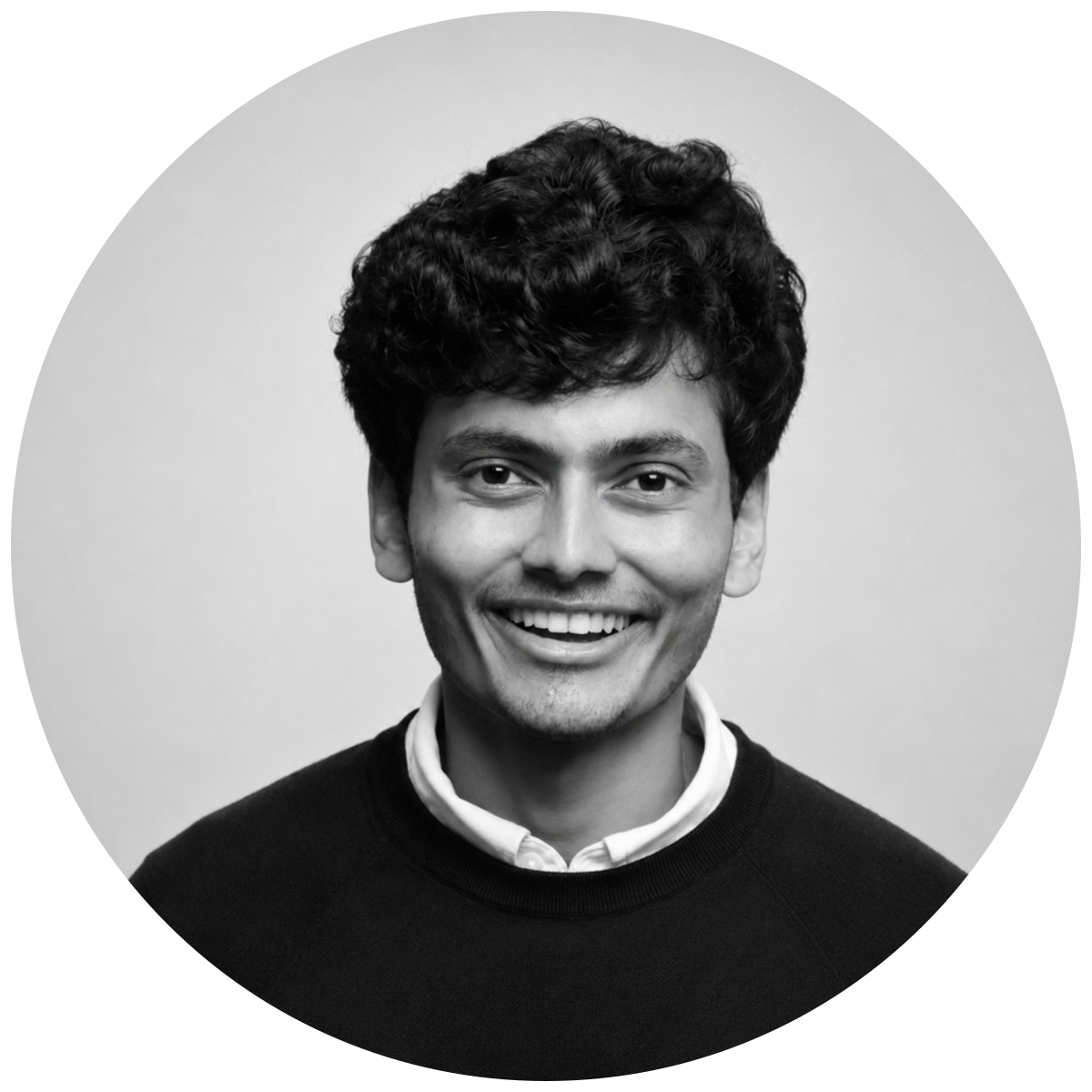
Ranvir Deshmukh Kept Shipping Until the Paperwork Started to Move
A Dartmouth course planner, a rejected accelerator interview, and two hours inside a brokerage taught the RealPact co-founder the same lesson: useful software begins where somebody is still copying the parcel number by hand.
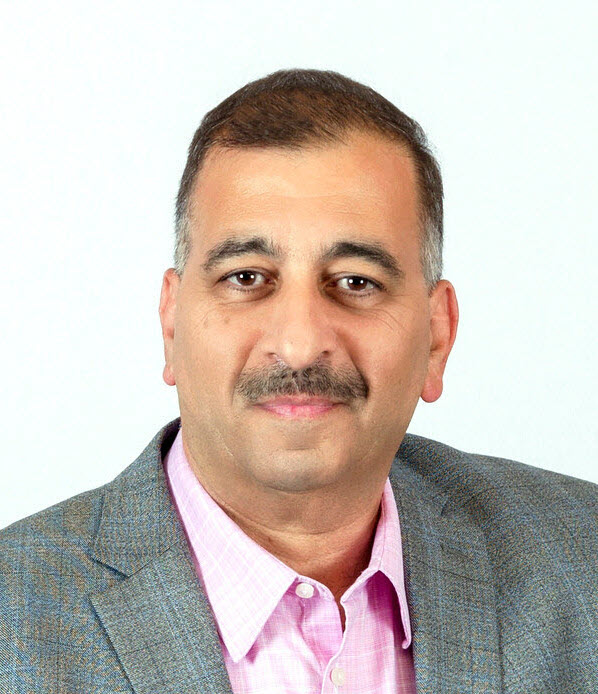
He Sold His Software Company. Six Years Later, He Bought It Back.
Sam Saab built Results from a one-person consulting tool, watched an acquisition shelve it, then returned with a new platform and the old team. His four-decade career is a study in patient software, customer memory, and the uncommon art of a second beginning.

Mason Hale Turned Swim-Meet Chaos Into Software That Outlived the Startup Playbook
A volunteer assignment, one overworked laptop and 250 young swimmers gave Mason Hale a problem worth fifteen years. His answer became SwimTopia - a patient SaaS company built around the people who keep community sports alive.
Zvika Netter Spent 18 Years Making TV Ads Less Dumb
He started with clickable objects inside video. The more durable invention was an independent control layer for a television business learning to speak software.

Dan Adika Built a GPS for Work - Then Sold the Map to SAP
WalkMe began with a modest question: why should people have to memorize software? Fourteen years, a public listing and a $1.5 billion SAP deal later, Dan Adika is still working on the same stubborn gap between what technology can do and what people actually get done.
Mihir Shukla Is Rewriting the Office’s Oldest Habit: Busywork
He left a PhD path for the early internet, watched office workers copy data between screens, and spent two decades turning that frustration into Automation Anywhere. Now his bet is larger: AI should change the design of work, not merely add another tool to it.