sequoia
(39)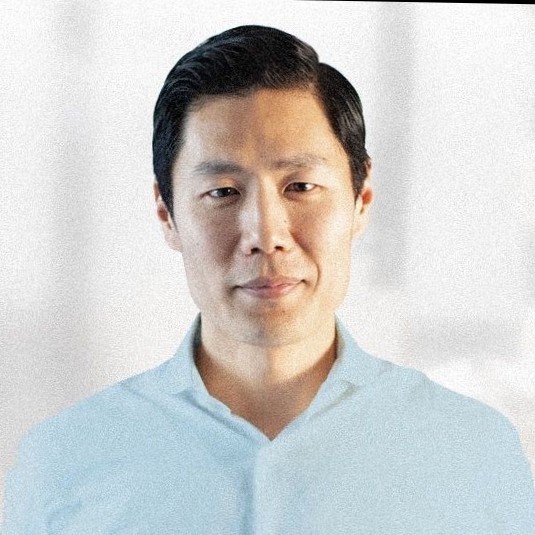
Yong Kim
Yong Kim is the co-founder and CEO of Wonolo, an on-demand staffing marketplace that connects businesses with more than one million frontline workers across the United States. Born in Seoul, he moved alone to a New Hampshire boarding school at 15, graduated as valedictorian, and went on to the University of Chicago and Harvard before a career in tech investment banking at Deutsche Bank. A stint at a Coca-Cola innovation accelerator exposed the broken state of hourly staffing and led him to launch Wonolo in 2014. The company has raised roughly $200 million, including a Sequoia-led round, and Kim has become a prominent voice for treating gig and hourly workers with dignity, flexibility, and fair pay.
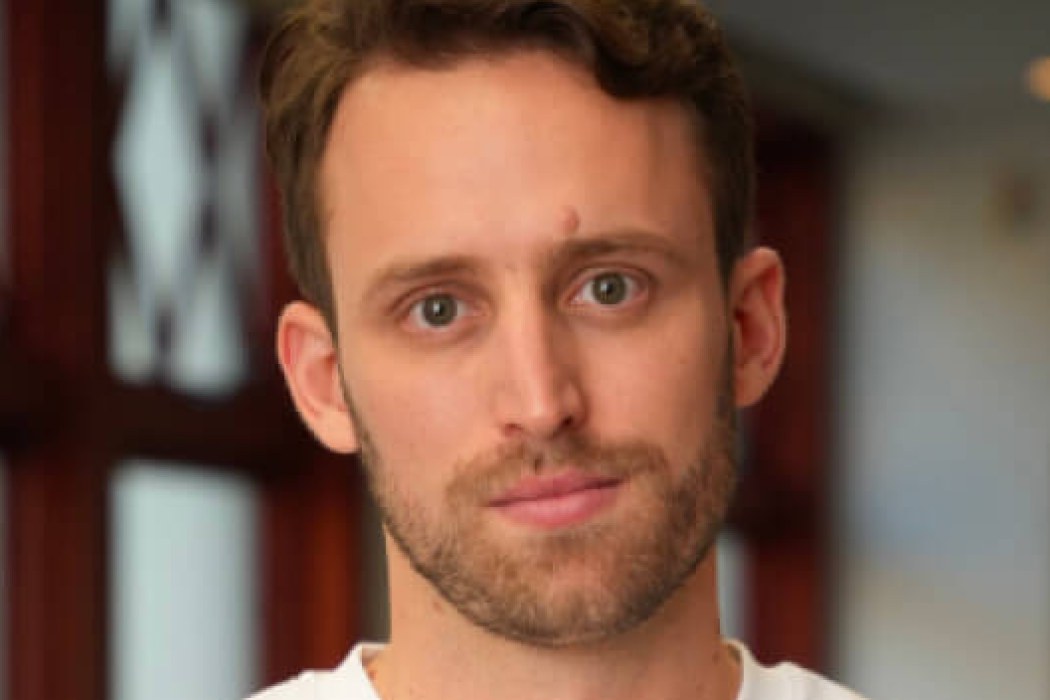
Danny Brickman
Danny Brickman is the co-founder and CEO of Oasis Security, a New York and Tel Aviv-based cybersecurity company building the first enterprise platform for non-human identity management and agentic access management. A former Israel Defense Forces cyber R&D leader with 11 years of service and an Israel Defense Prize to his name, Brickman started Oasis in 2022 with Amit Zimerman to tackle the fast-growing security gap around machine identities, which now outnumber human identities by roughly 20 to 1. The company has raised about $195 million, backed by Sequoia, Accel, Cyberstarts and Craft Ventures.
Ian Krotinsky
Ian Krotinsky is the co-founder and CEO of Fin, a New York based payments company that uses stablecoin infrastructure to move large sums of money instantly across borders. A former quantitative portfolio manager and trader at Citadel, he and co-founder Aashiq Dheeraj first built TipLink, a tool for sending crypto with a link, before rebranding around a broader ambition: to build the payments app of the future for high-value transfers. In December 2025 the company raised a $17 million Series A led by Pantera Capital, with Sequoia and Samsung Next participating.

Jake Cooper
Jake Cooper is the CEO and co-founder of Grow Therapy, a New York based company building the infrastructure that lets therapists and psychiatric providers run insurance-covered private practices. Since 2020 he has grown it into a national network spanning 125+ insurers and tens of thousands of providers, raising $388 million to date, including a $150 million Series D in 2026. A former Blackstone and Apollo private equity investor and summa cum laude Duke graduate, Cooper is focused on making mental health care easier to find, afford, and stick with.
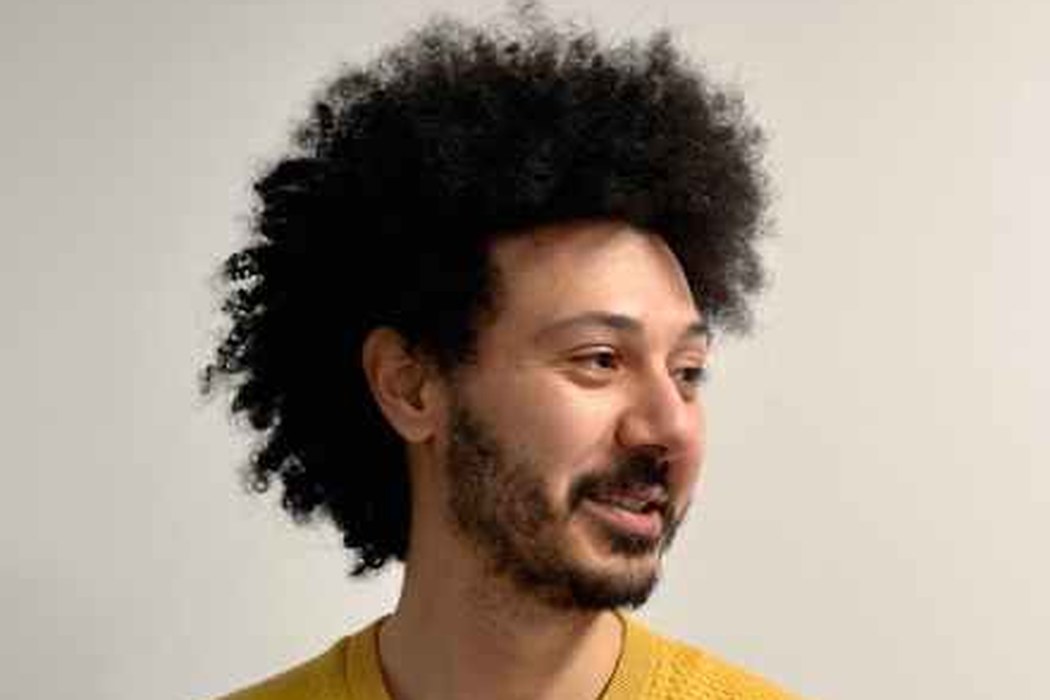
Kareem Amin
Kareem Amin is the cofounder and CEO of Clay, a New York-based go-to-market platform that lets sales and marketing teams pull data from dozens of sources and run AI-powered personalized outreach at scale. After a seven-year search for product-market fit, Clay crossed $100M in annual recurring revenue and raised a $100M Series C in 2025 at a reported valuation above $3B. A second-time founder and McGill-trained engineer, Amin frames Clay as a creative tool that gives non-programmers the power of code, and talks openly about meditation, founder psychology, and building 'from a place of wholeness.'
Max Brenner
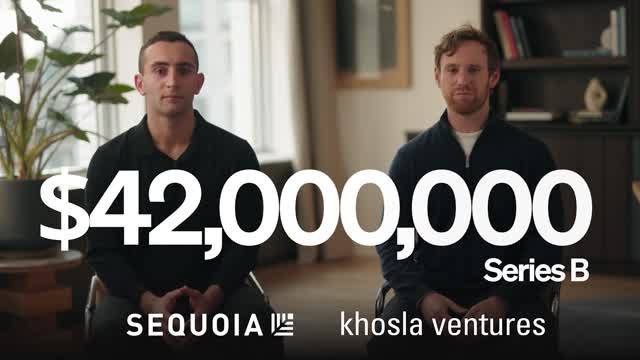
Max Brenner is co-founder and CEO of WithCoverage, an AI-enabled risk management and insurance platform based in New York that raised a $42M Series B in January 2026, led by Sequoia and Khosla Ventures. He was part of the founding team at Compound, the wealth management platform, where he helped scale to its first $1B in AUM before starting WithCoverage with Opendoor co-founder JD Ross to rebuild the commercial insurance broker from scratch.
Oron Afek
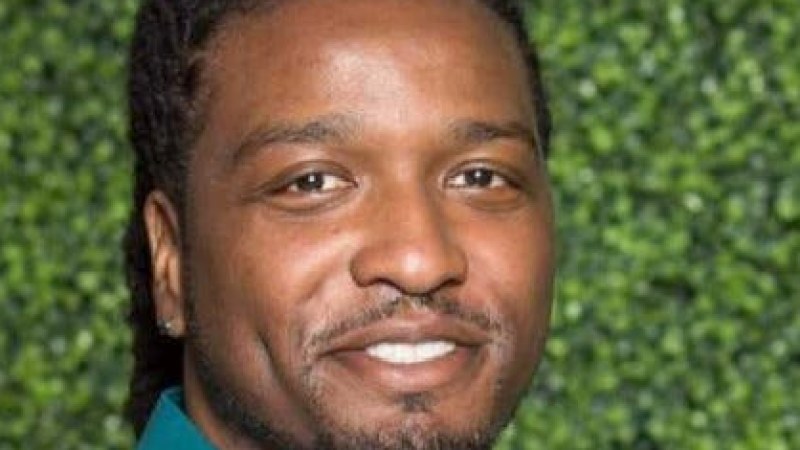
Oron Afek is co-founder and CEO of Vim, a New York-based healthcare technology company that plugs into electronic health record systems to close the gap between insurers and clinicians at the point of care. An Israeli entrepreneur with a background in the IDF's special forces and a summa cum laude degree in law and business from IDC Herzliya, he founded Vim in 2015 with Sequoia Israel as founding investor and has since raised over $100 million from investors including Optum Ventures, Anthem, Walgreens Boots Alliance, and Frist Cressey Ventures.
Sal Sferlazza
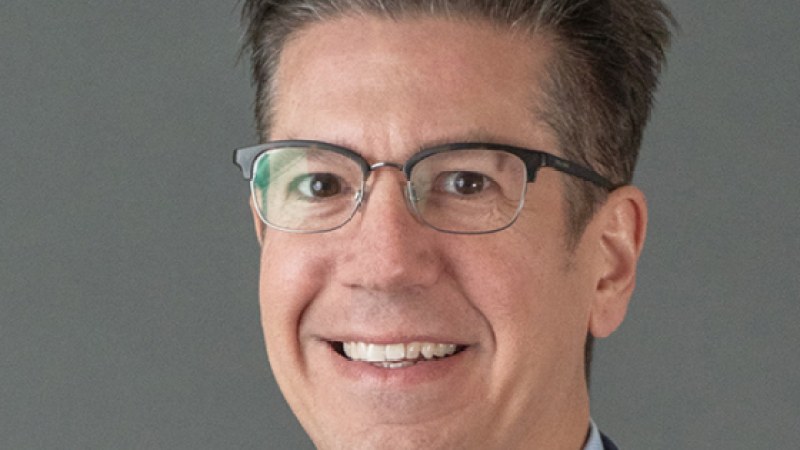
Sal Sferlazza is the co-founder and CEO of NinjaOne, the Austin-based IT and endpoint management platform valued at $12.3 billion in June 2026. A serial entrepreneur, he built and sold four previous companies (Realm Interactive, Lasso Logic, PacketTrap, Anchor) before launching what was originally NinjaRMM in 2013 with his childhood-camp friend Chris Matarese. NinjaOne is profitable, debt-free, and still majority-controlled by its founders.
Shane Curran
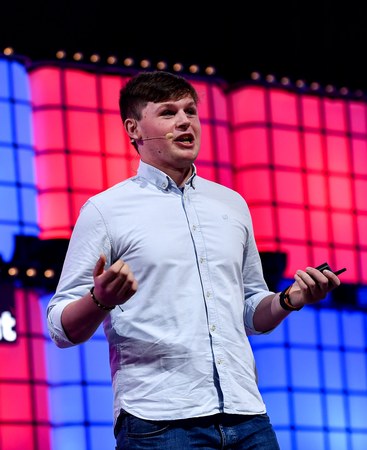
Shane Curran is the founder and CEO of Evervault, an encryption infrastructure company he started in 2018 after dropping out of University College Dublin three days into a business and law degree. A year earlier, at 16, he had won the BT Young Scientist and Technology Exhibition with a post-quantum encrypted storage project called qCrypt. Evervault sells developer-facing tools that keep sensitive data - card numbers, health records, keys - encrypted while still being processed, running inside AWS Nitro Enclaves. The company has raised $46 million from Sequoia, Kleiner Perkins, Index Ventures and Ribbit Capital, most recently a $25M Series B in March 2026.
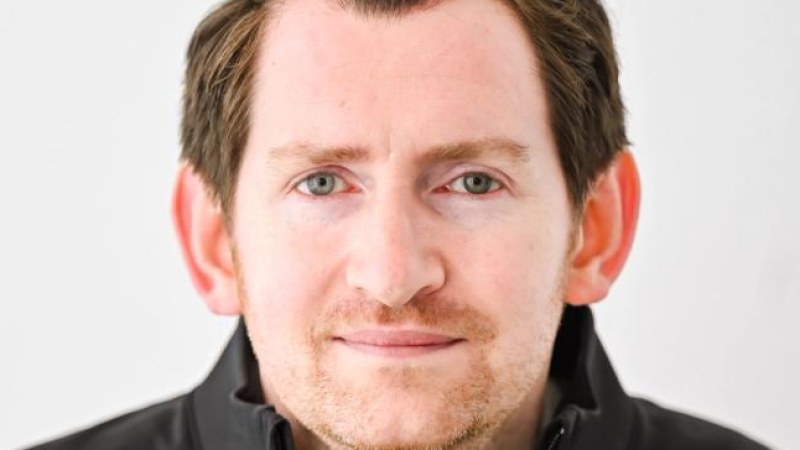
Cameron McCord
Cameron McCord is the co-founder and CEO of Nominal, a defense-tech software company modernizing how the world tests and validates mission-critical hardware. A former US Navy nuclear submarine officer who logged 484 days underwater, he studied physics and nuclear engineering at MIT and earned an MBA at Harvard before building product at Anduril and investing at Lux Capital. Founded in 2022, Nominal reached a $1 billion valuation after raising $155 million in ten months, counting four of the five largest US defense contractors among its customers.

Christopher O'Donnell
Christopher O'Donnell is the co-founder and CEO of Day.ai, an AI-native CRM that captures customer relationship context automatically so people stop doing manual data entry. He spent roughly a decade as Chief Product Officer at HubSpot, where he led the 'startup within a startup' that turned a marketing tool into a CRM capable of challenging Salesforce. He founded Day.ai in April 2023 with longtime HubSpot colleague Michael Pici, and the company raised a $20M Series A led by Sequoia. Off the clock, O'Donnell is a guitarist, singer and songwriter who fronts the Boston rock band The Providers.
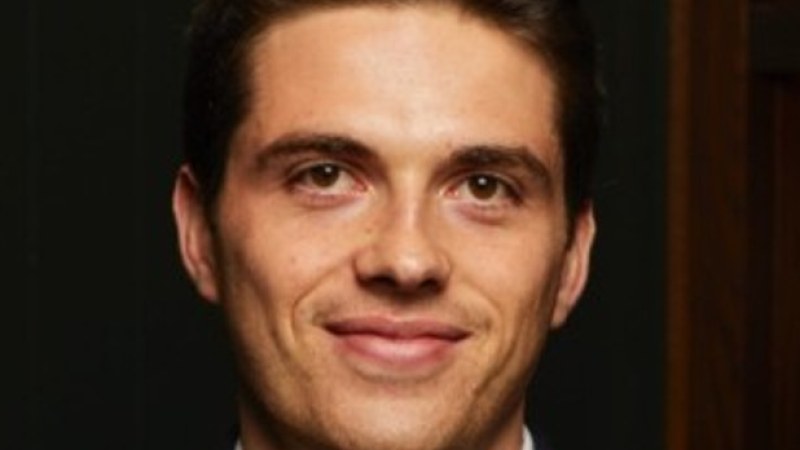
Gabriel Stengel
Gabriel Stengel is the co-founder and CEO of Rogo, a generative AI platform built for investment banks, private equity firms and hedge funds. A 2020 Princeton computer science graduate who did stints at J.P. Morgan and whose co-founder came from Lazard, Stengel turned a clunky senior-thesis econometrics chatbot into a company that, by April 2026, raised a $160 million Series D at a roughly $2 billion valuation. Rogo's AI agent Felix now serves more than 35,000 finance professionals across 250-plus institutions, automating the grunt work of benchmarking, earnings analysis and pitch decks that once kept junior bankers awake at night.
Reza Javan
Reza Javan is the CEO and co-founder of Telescope, a London-based AI prospecting platform that automates B2B outbound across email and LinkedIn. Before he sold software to salespeople, he was Dr. Reza Rezaei Javan, an Oxford DPhil microbiologist who sequenced thousands of pneumococcal genomes and discovered new families of antimicrobial peptides. He swapped the lab bench for a startup at Entrepreneur First's LD17 cohort, where Telescope was born in 2021. The company is backed by Sequoia Capital, Soma Capital and Entrepreneur First.
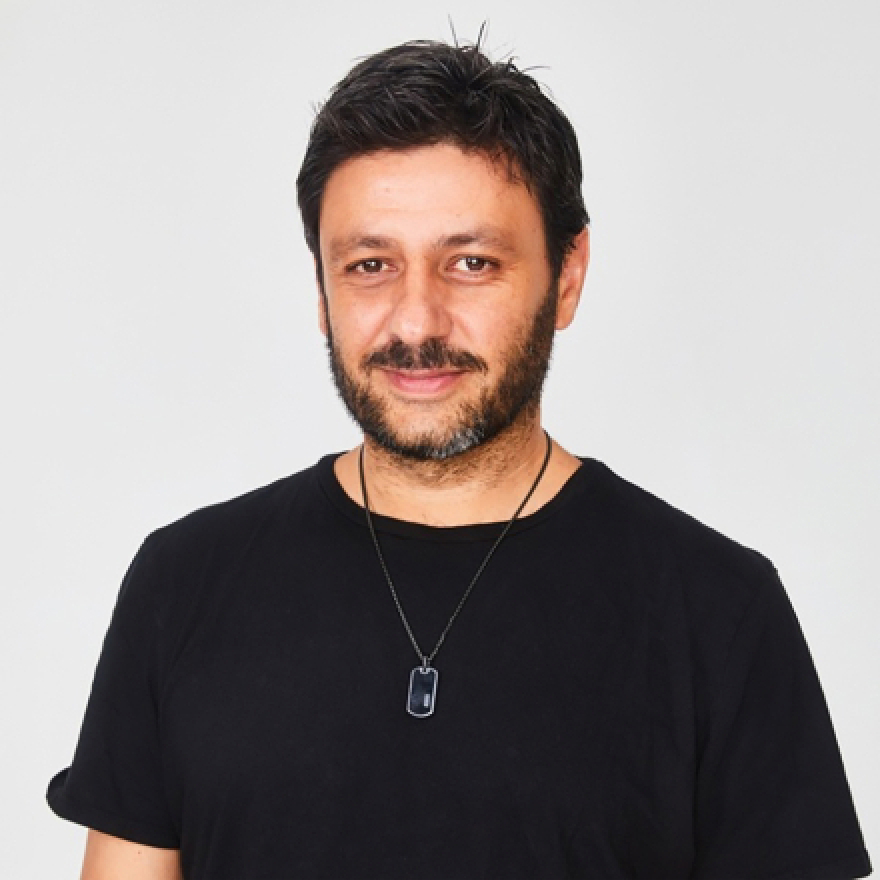
Bobby Farahi
Bobby Farahi is the co-founder and CEO of Dolls Kill, the San Francisco alternative-fashion brand he built with his wife and co-founder Shaudi 'Shoddy' Lynn after the two met at a Los Angeles rave. A serial operator who earlier founded and sold the broadcast-monitoring company Multivision, Farahi turned a stack of foxtail keychains in an apartment into a Sequoia- and Maveron-backed e-commerce label for self-described 'misfits and miss legits.' He also invests as an angel in e-commerce and lifestyle companies.
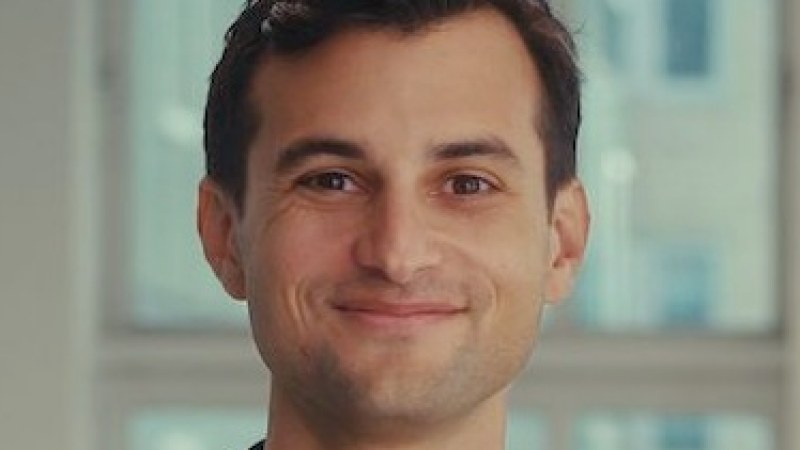
Ryan Daniels
Ryan Daniels is the cofounder and CEO of Crosby, a hybrid AI law firm that pairs licensed lawyers with proprietary AI agents to review commercial contracts (MSAs, NDAs, DPAs) in under an hour at fixed per-document pricing. A Stanford Law graduate and former startup general counsel who got tired of being the bottleneck on his own company's deals, Daniels built the product he wished he had. Since emerging from stealth in 2025, Crosby has negotiated more than $1 billion in contracts for clients like Cursor and Clay, and raised about $85.8M from Sequoia, Index, Lux Capital and Bain Capital Ventures.
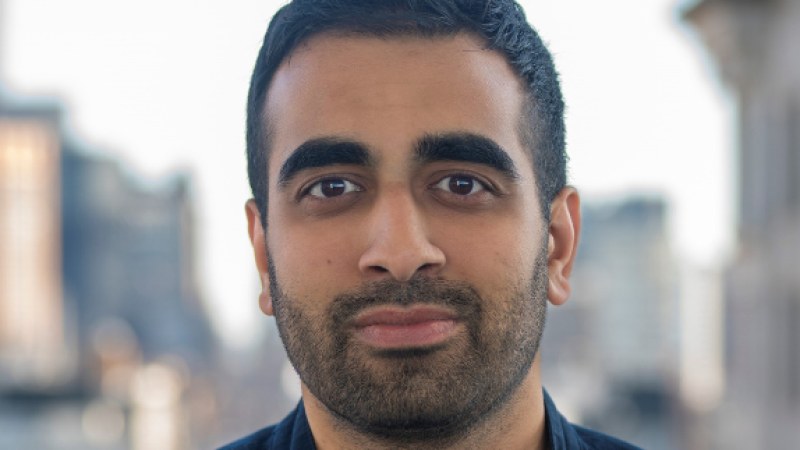
Viraj Bindra
Viraj Bindra is the co-founder and CEO of Finch, a New York-based legal technology company that pairs experienced U.S.-based paralegals with purpose-built AI agents to automate pre-litigation work for personal injury law firms. He spent roughly eight years at DoorDash, joining as its founding designer and growing into senior product roles that scaled new lines of business, before leaving to build Finch in 2024 with longtime friend Benjamin Weems. Finch raised a Seed round led by Sequoia Capital, launched publicly in April 2025, and announced a $20 million Series A led by Redpoint Ventures in October 2025.

Zach Lloyd
Zach Lloyd is the founder and CEO of Warp, the Rust-based terminal that grew up into an agentic development environment. A former Google principal engineer who led the Docs and Sheets teams, he looked at the one tool every programmer touches and noticed it had barely changed in 40 years. Warp's answer: a command line that reads natural language, runs AI agents, and as of 2025 codes by prompt. The company has raised roughly $73-75M from Sequoia, GV, Dylan Field and Elad Gil, and went from its first $1M of ARR in 300-plus days to adding $1M every few days.
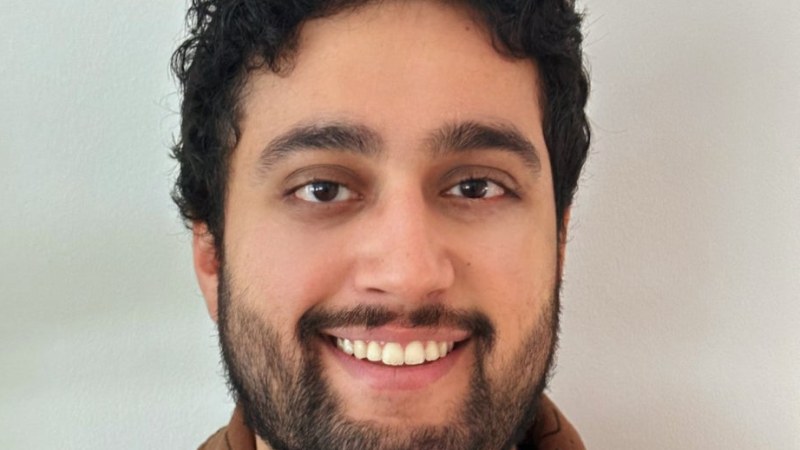
Anish Dhar
Anish Dhar is the Cofounder and CEO of Cortex, a San Francisco-based internal developer portal company he co-founded in 2019 after spending nearly five years as an engineer at Uber. Watching Uber's microservices sprawl into chaos—thousands of undocumented services named after video games, ownership lost every time someone quit—he rented an Airbnb for a weekend hackathon with two friends and built the first version of what would become a $470M company backed by Sequoia, Scale Venture Partners, IVP, and the Collison brothers. Cortex raised $60M in Series C funding in September 2024 and is used by engineering teams at Adobe, Grammarly, Xero, TripAdvisor, and Canva to catalog, score, and continuously improve their software services.
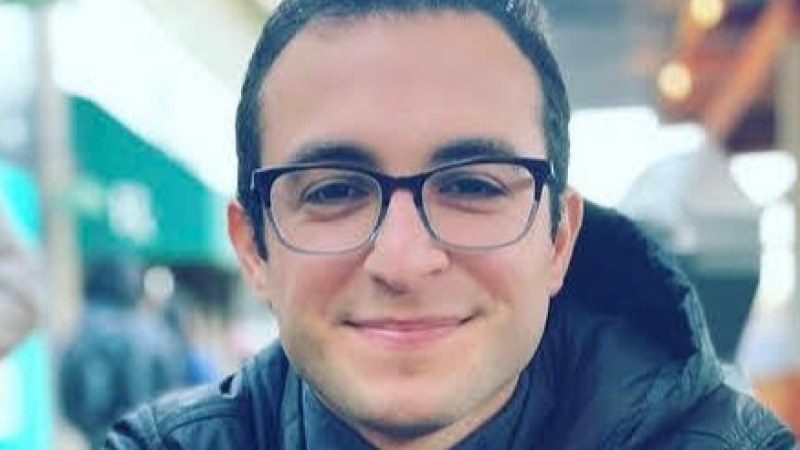
Ben Rudolph
Ben Rudolph is the co-founder of Peregrine Technologies, a San Francisco-based public safety data platform that raised $190M at a $2.5B valuation in 2025. A Stanford Computer Science graduate and former NCAA gymnastics All-American, Rudolph pivoted from Silicon Valley offers to spend two years building humanitarian tech for UNHCR's refugee camps before co-founding Peregrine with his college gymnastics teammate Nick Noone. Today, Peregrine's platform serves law enforcement agencies covering more than 80 million Americans, unifying fragmented data from body cameras, dispatch records, and crime databases into a single real-time intelligence system.
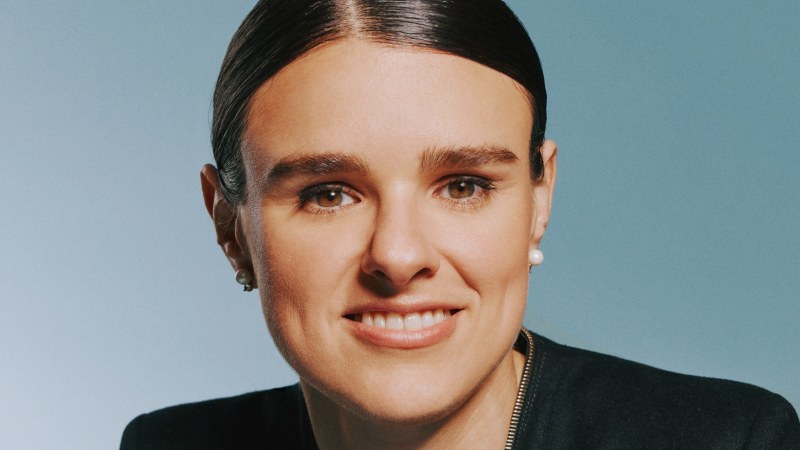
Christina Cacioppo
Christina Cacioppo is the co-founder and CEO of Vanta, the agentic trust management platform that has become the default infrastructure for security compliance among modern tech companies. After stints at Union Square Ventures and Dropbox Paper, she built Vanta from a spreadsheet prototype into a $4.15 billion company serving 12,000+ organizations across 58 countries, raising $504 million in total funding. She is one of America's self-made female billionaires, known for applying rigorous first-principles thinking to the usually-dull world of corporate security.
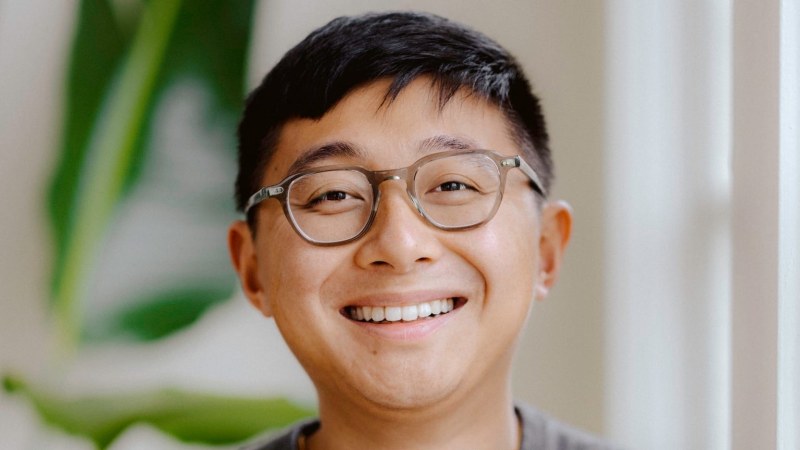
David Hsu
David Hsu is the founder and CEO of Retool, a San Francisco-based developer tools company that lets engineers build internal software through a drag-and-drop interface. He founded Retool in 2017 at age 25 after pivoting from a failed fintech startup (Cashew/Oatpay) where he kept having to build internal tools from scratch. A Computer Science and Philosophy graduate from Oxford, Hsu grew Retool to $2M ARR before public launch, achieved a $3.2B valuation by 2022 with $140M in total funding from Sequoia Capital and notable angels including the Stripe founders, and now serves over 10,000 companies including Amazon, Netflix, OpenAI, and the US Army.
Erez Druk
Erez Druk is the co-founder and CEO of Freed, an AI medical scribe that automates clinical documentation for physicians. A Technion-educated engineer who cut his teeth at Facebook, Druk built Freed after watching his wife - a family medicine physician - spend her evenings buried in patient notes. Since launching in 2023, Freed has grown to over 25,000 paying clinicians across 96 specialties, saved more than 2.7 million hours of documentation time, and raised a $30 million Series A led by Sequoia Capital. Before Freed, Druk co-founded UrbanLeap, a government procurement platform that served 35 municipalities before closing in 2022.
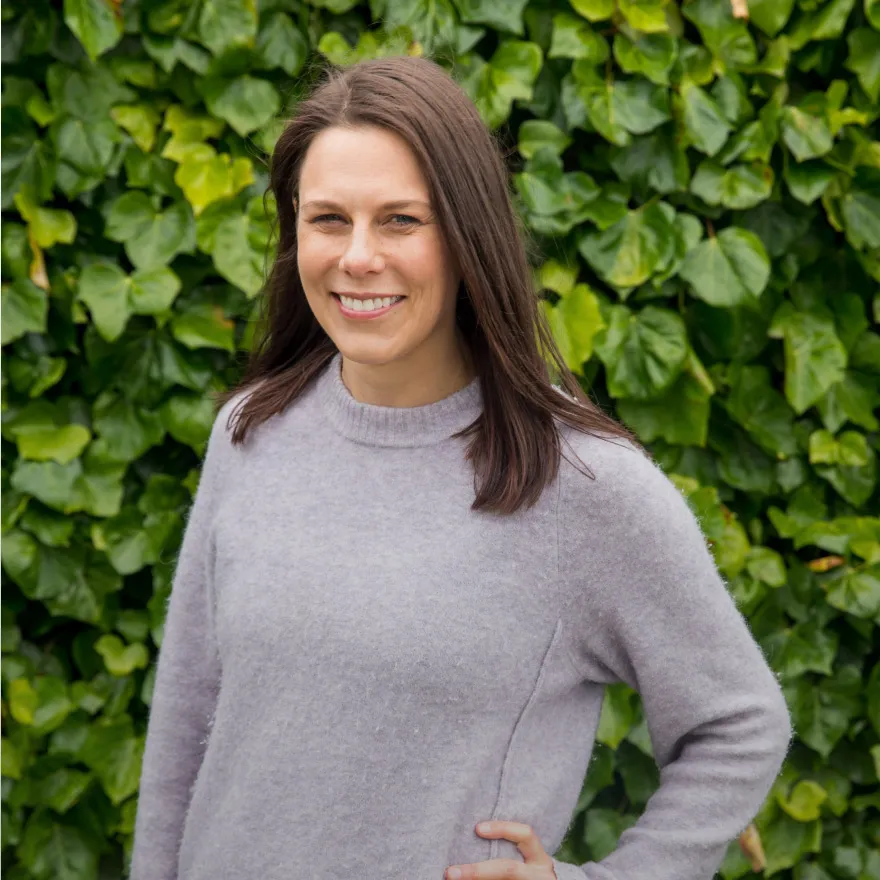
Lauren Myrick
Lauren Myrick is the CEO and Co-founder of Found, a San Francisco-based fintech company building the all-in-one financial platform for self-employed workers and small businesses. After eight years at Square - joining as the company's second product manager and eventually running Square Payroll as General Manager - she co-founded Found in 2019 alongside Connor Dunn. The company has raised $125M+ across six rounds (most recently a $50M Series C led by Sequoia Capital in 2024) and now serves 770,000+ small business owners with integrated banking, bookkeeping, invoicing, and tax tools.
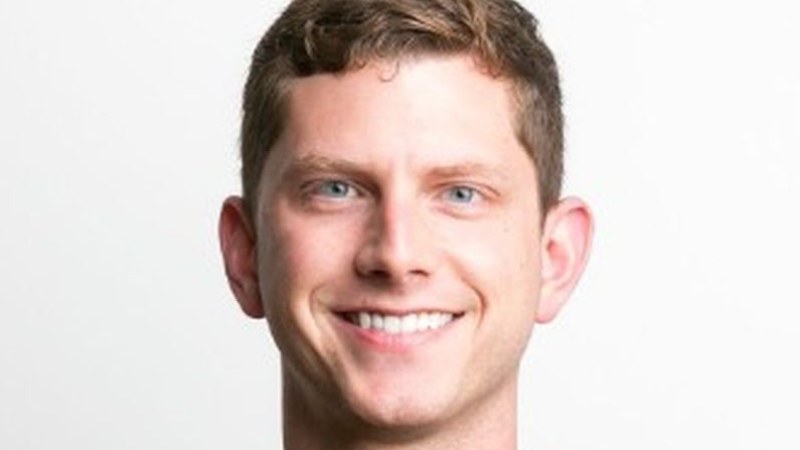
Kyle Mack
Kyle Mack is the CEO and Co-founder of Middesk, the business identity platform that's modernizing how financial institutions and fintechs verify and trust the companies they work with. Founded in 2018 after Mack witnessed firsthand the painful manual process of customer credentialing at Checkr, Middesk has grown into a category-defining KYB infrastructure company backed by Sequoia Capital, Accel, Insight Partners, and Canapi Ventures with $77M+ in total funding. The company serves hundreds of enterprise clients - including two of the top three U.S. banks and fintechs like Plaid, Affirm, Brex, and Shopify - by connecting to roughly 400 U.S. government agencies to surface real-time business identity intelligence. Mack is also a Sequoia Scout, investing in early-stage founders.
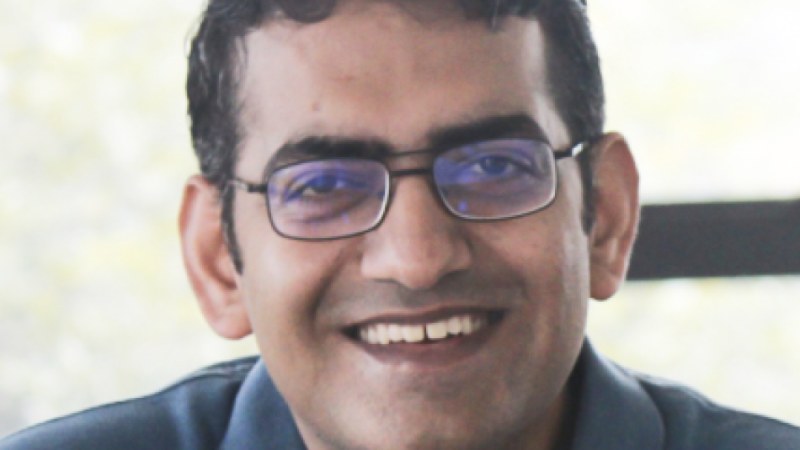
Manish Jethani
Manish Jethani is the Co-Founder and CEO of Hevo Data, a no-code data pipeline platform that helps over 2,000 companies in 40+ countries move data from 150+ sources into cloud data warehouses. A serial entrepreneur from Shahdol, India, who became the first person from his hometown to gain admission to IIT Roorkee, Jethani built two companies before Hevo - including food-delivery startup SpoonJoy, acquired by Grofers in 2015. Hevo has raised $43 million in total funding, including a $30M Series B led by Sequoia Capital India in 2021, and has reached approximately $46.9M in annual revenue.
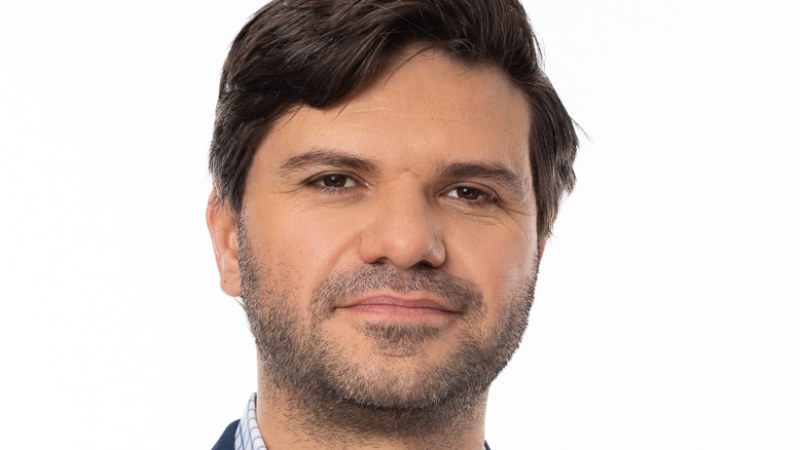
Petko Plachkov
Petko Plachkov is the Co-Founder and CEO of Bright Money, a San Francisco-based AI-powered personal finance platform that helps middle-income Americans manage debt, build credit, and access affordable financial products. A Princeton and Wharton-educated serial entrepreneur who grew up in Bulgaria and Swaziland, Petko spent over a decade building digital financial products at McKinsey and as Co-Founder of CommuterClub before launching Bright Money in 2019. The company has raised $93M in funding, serves over 1 million users, and is powered by MoneyScience - a patented system of 34 AI algorithms.
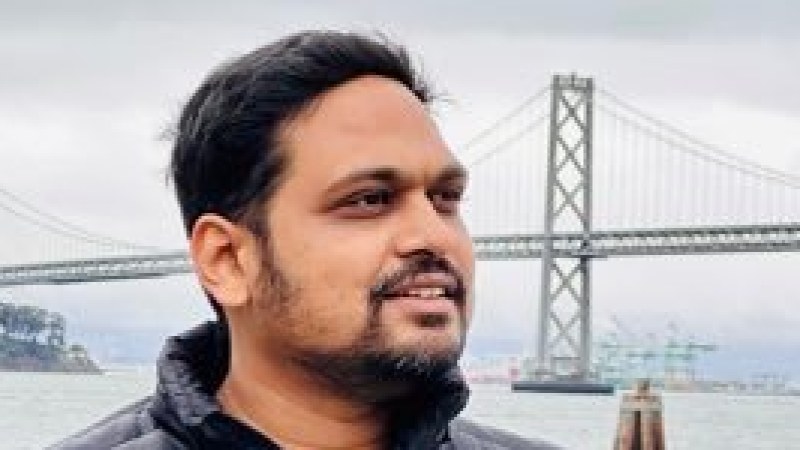
Sandeep Panda
Sandeep Panda is the Co-Founder and CTO of Hashnode, a developer-first blogging and community platform that lets software engineers own their content and publish on custom domains. Founded in 2016 alongside Syed Fazle Rahman, Hashnode has grown to serve 3M+ monthly readers and 10M+ monthly views, backed by Sequoia Capital India's Surge, Salesforce Ventures, and angel investors including Naval Ravikant and Guillermo Rauch (Vercel). A graduate of IIIT Bhubaneswar with a background in web development and technical writing, Sandeep has authored books on AngularJS and HTML5, and is now building Bug0, an AI-native end-to-end testing platform.
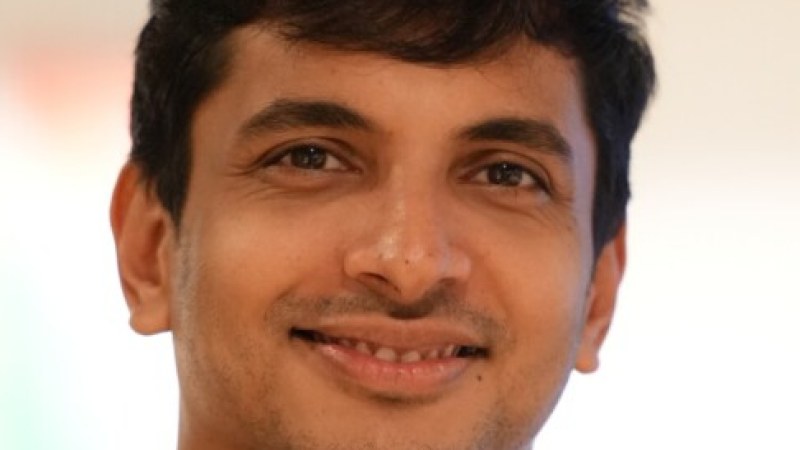
Sanket Shah
Sanket Shah is the co-founder and CEO of InVideo, an AI-powered video creation platform with over 50 million users across 190+ countries. Starting in 2012 with book-summary YouTube videos and a first company that was acquired, he built InVideo in 2017 on the belief that anyone should be able to create professional-quality video without technical skills. The company has raised over $52 million from Tiger Global, Peak XV, and others, is on a $50 million annual revenue run rate, and is now expanding into AI-driven filmmaking through a strategic partnership with Bollywood studio Abundantia Entertainment.
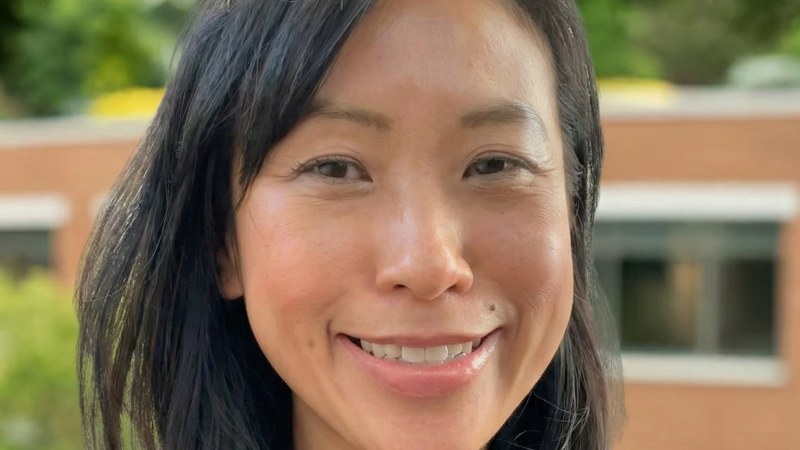
Ethel Chen
Ethel Chen is General Partner at Sentinel Global, a San Francisco-based multi-stage venture capital firm that raised a $213.5 million inaugural fund to back enterprise technology founders worldwide. She brings 20+ years of investing experience across GIC (Singapore's sovereign wealth fund), Sequoia Capital Global Equities, CPP Investments, and Norwest Venture Partners - a career that includes early bets on Anthropic, Databricks, Zoom, Snowflake, Coinbase, Airbnb, DoorDash, Affirm, Chainalysis, and Uber, collectively contributing to 20+ IPOs and tens of billions in returns.
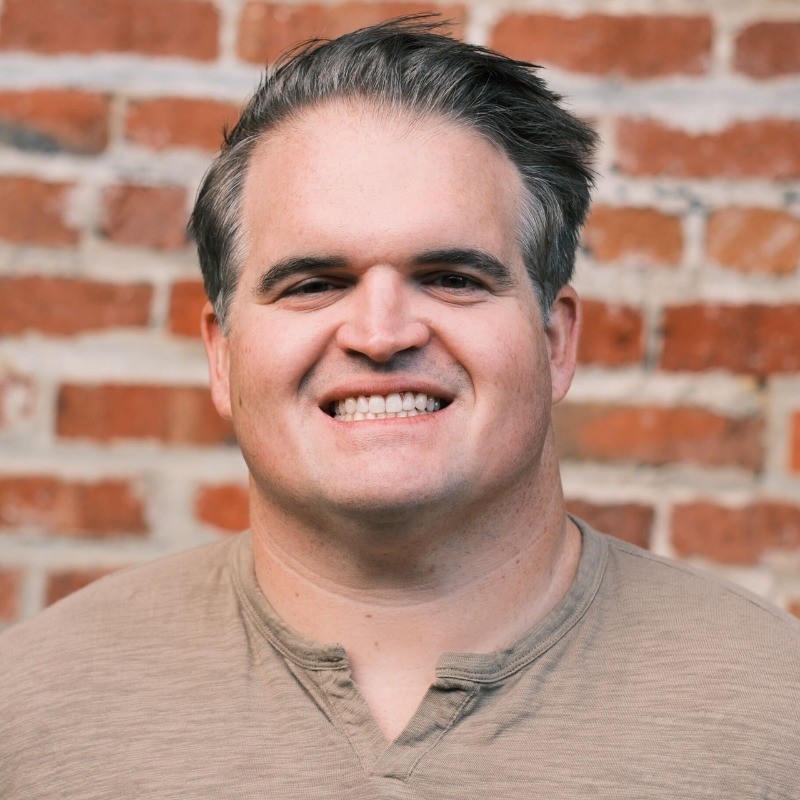
James McGillicuddy
James McGillicuddy is the CEO and Co-founder of BRM (Buyer Relationship Management), a San Francisco-based AI-powered vendor management and procurement automation platform. After key early roles at RelateIQ (acquired by Salesforce for $390M), Sourcegraph (valued at $2.6B), and Carta (where he led CartaX), McGillicuddy co-founded BRM in May 2022 to rebalance the power dynamic between buyers and their vendors. BRM raised $21.6M in total funding - a $6M seed from Base10 Partners and a $15M Series A led by Caffeinated Capital in December 2024 - and serves customers including Deel and Cadence with AI SuperAgents that automate vendor discovery, contract extraction, compliance monitoring, and negotiation.