seo
(121)
Gushwork makes the quiet website talk
The forklift dealer. The compliance consultant. The manufacturer. Gushwork turns what they know into pages buyers can find - and inquiries a sales team can answer.
Designer Web Agency Looks Beyond the Website
The Atlanta agency pairs web design with search, advertising, and marketing follow-up. Its service mix offers a useful way to think about what happens before a click - and after it.

Directive wants fewer dead-end leads.
The B2B agency built its reputation by asking what happened after the click. Its next bet takes that question into PR, influence, and AI search.
Sitio and the art of fixing the small stuff
A broken link is a tiny mistake with a long shadow. Sitio built its website governance pitch around making those mistakes easier to find, understand, and fix.

829 Studios finds growth between the clicks
An ad is only as useful as what happens next. The Boston agency connects campaigns, websites, and data - then looks for the gaps where customers disappear.

SEO.com: Being found is only the beginning
The domain says SEO. The business behind it is trying to connect a much longer chain: the question, the click, the customer, and the sale.
SEO Expert and the art of doing the small things
An Iowa agency puts keyword research, careful execution, and repeat measurement at the center of its pitch. The interesting question is what happens after the rankings move.
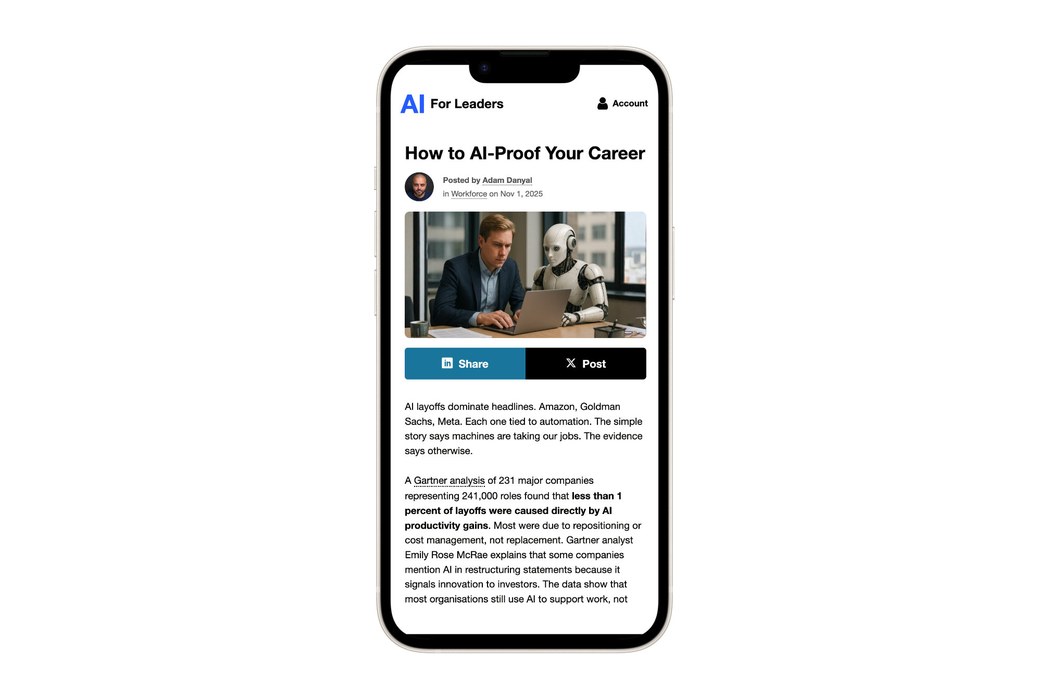
AI For Search and the fight to become the answer
AI For Search channels the confusion around AI visibility into a daily briefing for business leaders. Its useful lesson: a place in an answer is only the beginning.
Reprise Digital found the gaps between the clicks
A search agency became a global performance network by joining up the work around the ad. Its next act came in 2023, when Reprise became part of KINESSO.
Clearlink makes the click count.
Behind the internet’s buying guides sits a company built to finish the sale. Clearlink’s story begins with two failed websites and a better way to pay for the third.

Wildnet Technologies: The team behind your team
An agency wins another client. Who does the work? Wildnet Technologies has built a business around that awkward, profitable question.
Booyah Advertising Knows When to Let Go
When tighter targeting stopped working, Booyah loosened its grip. Inside the Denver agency that turns campaign surprises into decisions clients can use.

Getsvision Solutions: First, reach the inbox.
The Noida company puts email delivery beside campaign strategy, SEO, and website design. Its proposition starts with a practical question: what good is a message that never arrives?
The playbook changed. So did they.
The Authority Hacker Podcast made its name teaching people to win at search. Its next act asks a harder question: which parts of your business can AI actually run?

Niche Pursuits makes the experiment the business
Spencer Haws turned his online business experiments into a publishing company. Its most useful lessons begin where the easy-money story falls apart.
Marketing School made the lesson smaller. The audience got bigger.
Neil Patel and Eric Siu turned bite-sized marketing advice into a listening habit. Behind the easy format sits a harder lesson about distribution, production costs and earning trust.
Before the draft, find the audience.
Animalz built a business on other people’s content. Its podcast opens the workshop door - and reveals why the work before writing matters so much.

The agency that gives away the thinking
Search with Candour turns a Norwich agency’s working knowledge into a weekly public conversation. The interesting part is what happens when its own advice challenges its own business.
The Search Engine Journal Show: Fewer guesses. Better questions.
Search keeps changing the rules. Search Engine Journal’s podcast puts the people doing the work on the microphone - and gives marketers something more useful than another prediction.
Voices of Search sells the conversation.
A free SEO podcast became a business selling access to the people who keep the web discoverable. Its useful trick: give a narrow audience a reason to keep listening.

Mega wants your marketing to run without you
A gaming team built AI tools to find its own customers. Now Mega sells the same proposition to small businesses: search, ads, websites and lead follow-up, with fewer jobs left on the owner’s desk.

WSI sells the expertise behind the click
A furniture showroom, a community bank, and a franchise fee reveal how WSI turns a global network into a local consulting business. The useful lesson starts before anyone buys an ad.

Search Atlas and the Trouble with Knowing What to Fix
SEO software has become very good at finding work for people. Search Atlas is betting that the more valuable business is getting that work done.
Avalaunch Media Found the Missing Middle Between a CMO and a Campaign
Most agencies sell hands. Consultants sell advice. Avalaunch built its pitch around the awkward space between them - then joined Amplēo to make that space its main business.
The Woman Who Closed Two Businesses to Build One Brand
Virginia Martino made an unfashionable bet: strategy, design, media, PR and digital work better when they sit at the same table. Twenty-six years later, BRAND's most revealing work begins where the usual advertising playbook runs out of road.
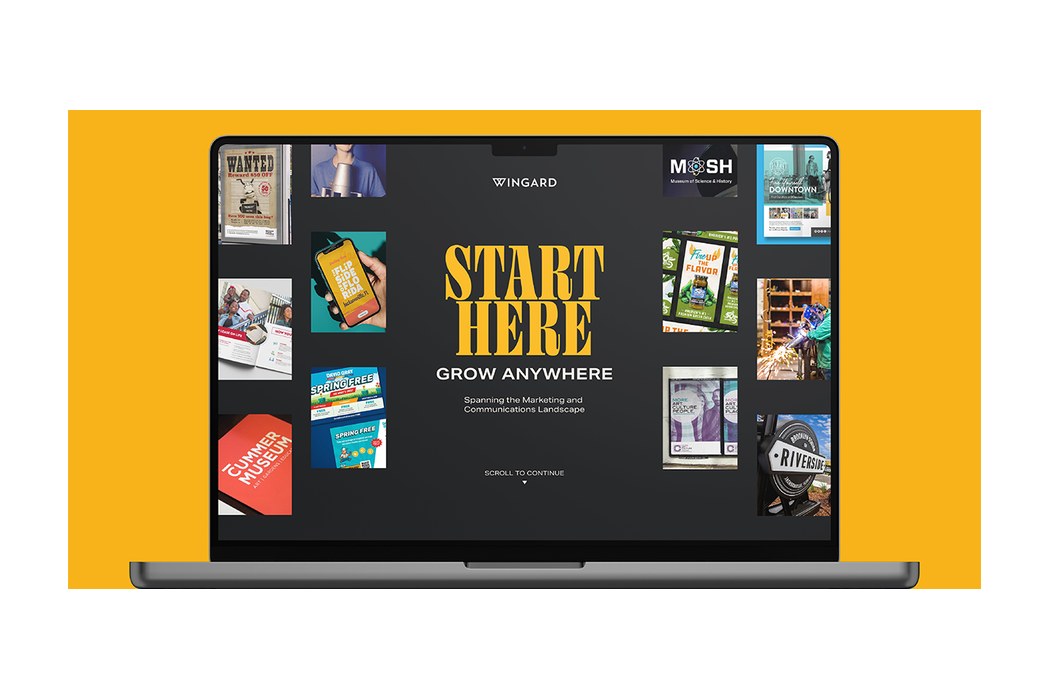
The Agency That Made Jacksonville Its Operating System
Wingard began as one designer answering calls in a recession. Its durable advantage turned out to be less glamorous and more useful: knowing one city well enough to make the city see itself differently.
Gen3 Marketing and the Sale That Was Going to Happen Anyway
Affiliate marketing has always had a small philosophical problem: who deserves credit for a purchase? Gen3 built a global agency by turning that argument into an operating discipline.
The Agency That Learned to Sell the Missing Photograph
MBE Group makes its best case in the moments when the usual marketing machinery breaks. No photographs, a dormant audience, a blog nobody reads - those constraints reveal what this Detroit-area agency actually sells: a better way to see the problem.
The Agency That Fixes the Plumbing Before It Turns on the Faucet
Best Practice Media manages more than $35 million in annual ad spend. Its more interesting habit is knowing when not to spend it.
The Small Agency That Made Measurement Its Main Character
The Shepherd Group began with writers and production people. Three decades later, it sells something harder to package: a chain of evidence from the first question to the final business result.