In early 2025, Ria Money Transfer ran into a problem familiar to anyone who rents space in somebody else’s machine. Meta’s financial-services advertising restrictions removed detailed targeting options. A channel Ria depended on suddenly offered fewer ways to find its customers. Its agency, Booyah Advertising, initially tried interest audiences such as mobile banking. They underperformed. Then the team did something that sounds peculiar in a business devoted to precision: it widened the audience.
- Booyah connects advertising, creative, retail media and measurement.
- Its Ria campaign improved after the team abandoned an underperforming targeting approach.
- The habit to borrow: choose a business question, run a fair test, change the plan.
01 / The audience got bigger. The bill per customer shrank.
Broader targeting came with more relevant creative and time for the campaigns to learn. Over five months, Booyah reports, Ria’s U.S. cost per acquisition fell 23%, while reach nearly doubled. The sequence matters: a restriction arrived, the first adjustment disappointed, and performance improved after another change. You can learn something from that sequence even without running a money-transfer business.
The interpretation is more interesting than the percentage. Advertising teams can become attached to the controls they know how to operate. Here, creative carried more of the job of attracting suitable customers. The lesson we can reasonably draw is to treat a familiar targeting method as a hypothesis. Its continued usefulness has to be earned.
02 / Buying the people behind the buttons
Booyah occupies a practical corner of the agency market. Businesses hire it to plan media, operate campaigns and interpret the results. Paid search and social sit alongside programmatic display, video, retail advertising, organic search and creative production. For a marketing department juggling several platforms, the attraction is coordination: the person changing a bid can work from the same plan as the person changing the message.
The company says clients speak directly with practitioners. That is its competitive argument against arrangements that put distance between the client and the work. The alternatives include specialist agencies, larger networks and an internal team. Booyah earns its place when coordinating those specialties produces better decisions than managing each separately.
There is a useful distinction on the balance sheet, too. The website reports more than $140 million under management. That describes managed spending; it is not agency revenue. Clients are buying services around their media investment. Booyah’s acquisition of white-label specialist PPC Sidekick also added a business its deal adviser describes as entirely retainer based, serving other agencies.
03 / First, make sure the soap is on the shelf
Consider Charlie’s Soap. It already had an Amazon presence, but wanted its digital work to support purchases through physical retailers. Booyah’s Instacart approach included revised bids, targeting and landing-page content, plus additional ad formats. One detail deserves particular attention: campaigns concentrated on stores where the products were distributed. Attention is less useful when the interested shopper cannot buy.
The published case reports threefold Instacart revenue growth within a year and a 138% increase in subcategory market share. Those are platform-specific results, rather than evidence that the company’s entire business tripled. The operational point is portable: connect the media plan to availability before celebrating the audience size. A retailer’s shelf can be a more consequential constraint than an advertising platform’s settings.
Back To Nature illustrates another coordination problem. For its 2025 rebrand, Booyah refreshed Amazon product pages and Instacart storefronts, narrowed retail keyword targeting, and planned creative tests across channels. A redesigned package has to meet a recognizable product page. Otherwise, the shopper encounters two versions of the same company on the way to buying a box of snacks. Booyah reports working with the brand’s creative agency months before launch. That early involvement is a service a buyer can ask for explicitly: agree on the assets and retail destinations while the campaign is being planned, rather than patching them together after the ads begin running.
04 / Give the new idea an opponent
Booyah’s September 2026 Bona account offers a cleaner comparison. For one month, the team tested DoubleVerify’s Scibids AI against native social-platform bidding at equal spend. It reports 33% more unique reach and 19% lower cost per unique reach, including the Scibids fee. That last clause is useful. A technology improvement becomes harder to assess when its extra expense disappears from the calculation.
These percentages answer different questions and should not be treated as interchangeable. Reach counts distinct people exposed to advertising. Cost per unique reach adds economics. Neither establishes that additional people bought floor-care products. As an experiment, though, the design gives marketers something concrete to copy: define the outcome, establish a comparison, and include the tool’s price.
“I believe this is a team sport”Troy Lerner / CEO, Booyah Advertising
05 / The owner took the long route
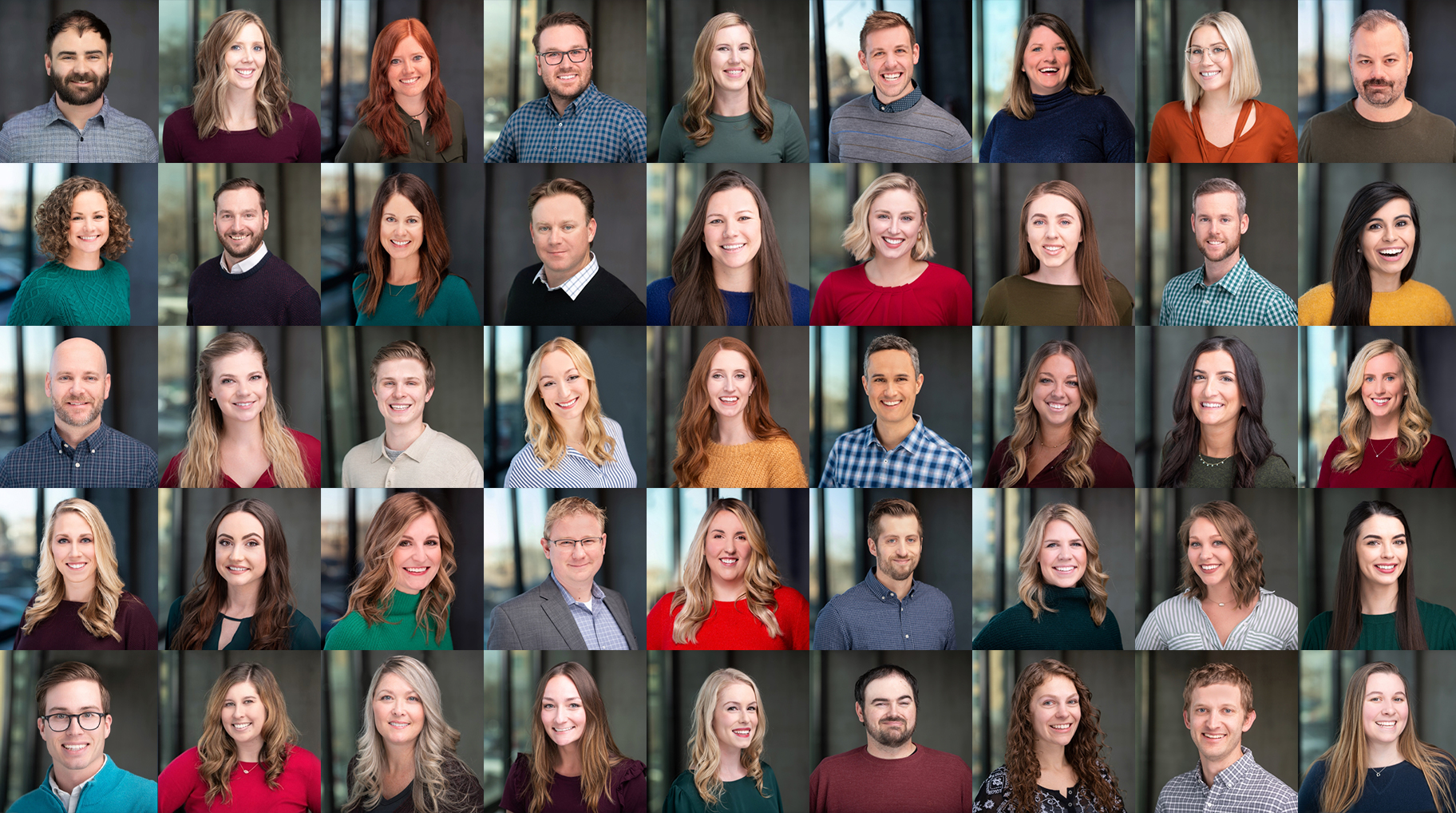
The company dates its beginnings to 2001. Troy Lerner left Avenue A/Razorfish in 2005 to build its agency-services division, then bought Booyah with colleague Dan Gallagher in 2018. His route to ownership ran through years of operating the business. Today, his company biography stresses direct communication and explaining the work in language clients understand.
The careers page gives that philosophy a few everyday mechanisms: weekly training, knowledge-sharing roundtables and opportunities to pitch improvements at an internal Shark Tank event. These are the employer’s descriptions, but the connection to the product is straightforward. An agency selling specialist judgment needs people who can share what they learn before the next campaign begins.
06 / Make the next decision easier
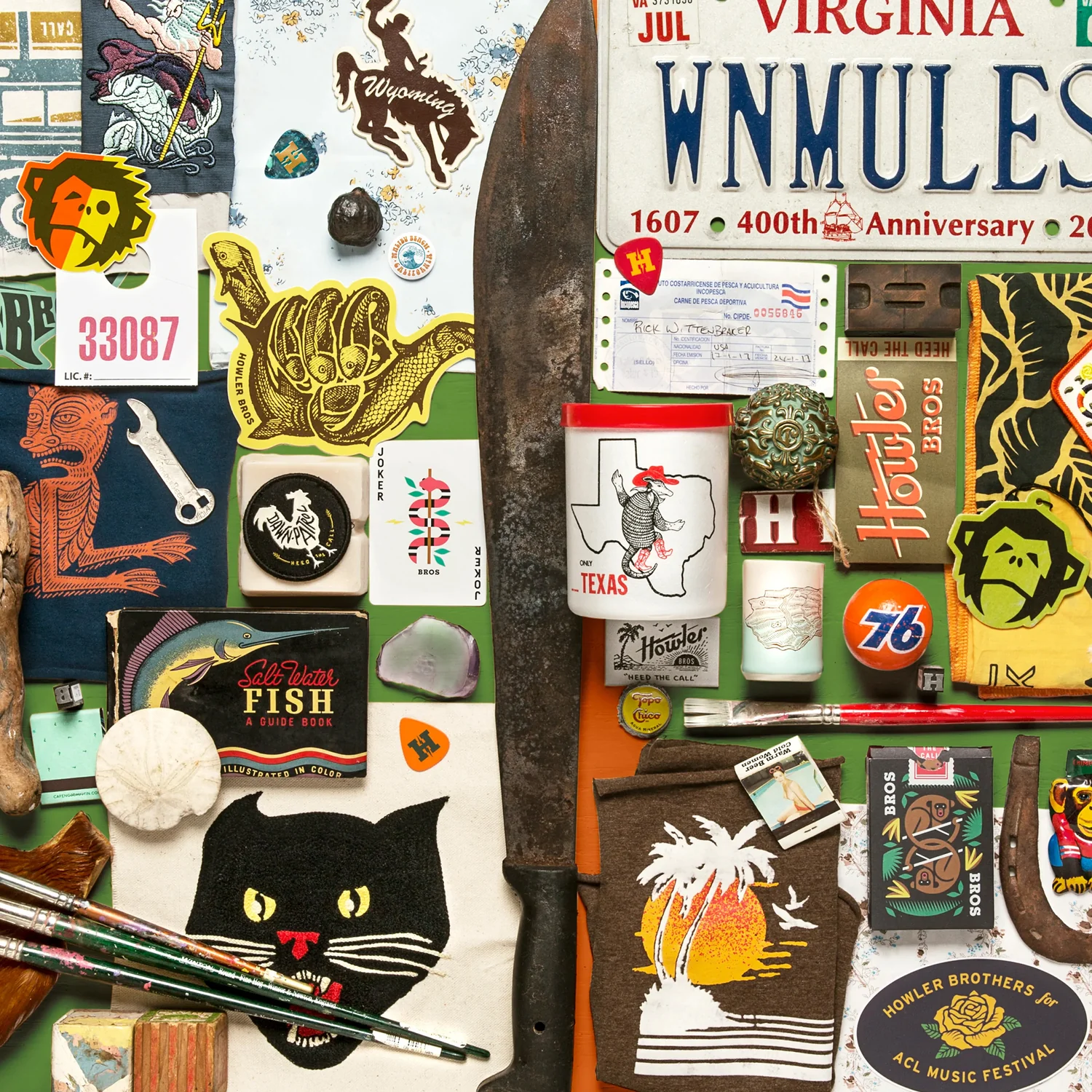
For Howler Brothers, Booyah tested awareness media across Meta, YouTube, connected TV and audio over two months. The work combined audience expansion with brand-lift measurement and downstream performance analysis. It addressed a familiar budgeting problem: a business can understand why people need to know its name while still wanting evidence before paying for that introduction.
None of these methods travels unchanged. Broad targeting needs suitable creative and useful feedback. Retail advertising depends on distribution. Awareness studies answer different questions from sales tests. Booyah’s August 2026 measurement writing makes the essential distinction: attribution assigns credit; incrementality asks whether marketing caused an additional outcome. A useful agency helps a client choose between those questions before money leaves the account.
Booyah website ↗ · Services ↗ · Blog ↗
Ria campaign ↗ · Bona experiment ↗ · Charlie’s Soap ↗ · Howler Brothers ↗
LinkedIn ↗ · X ↗ · Instagram ↗ · Facebook ↗