seo
(8)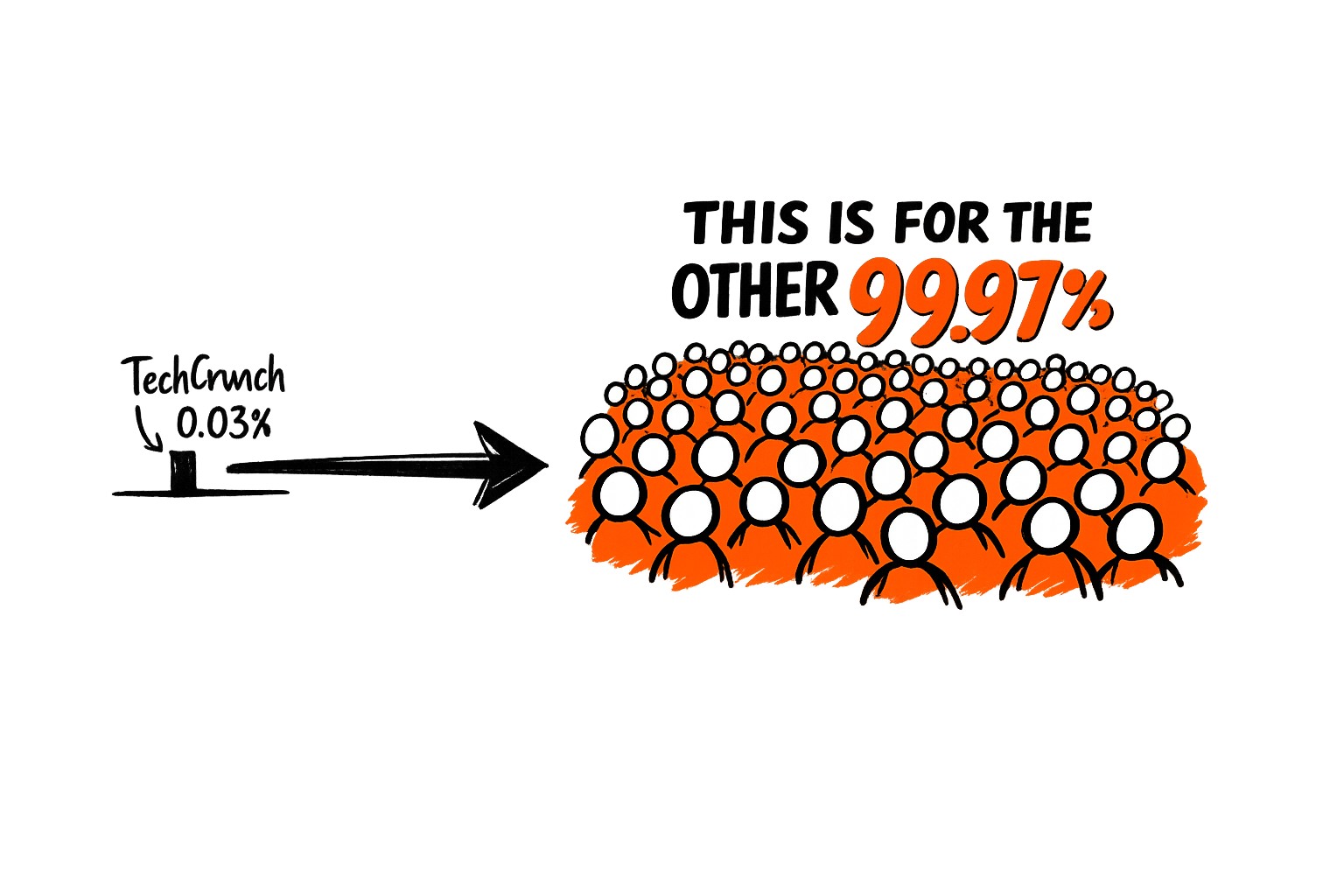
TechCrunch covers 0.03% of the companies that pitch it. This is for the other 99.97%.
An argument about the gap between getting covered and being known. TechCrunch runs a finite front page and turns away nearly everyone who pitches it, yet its stories now feed the AI systems that answer questions about the technology economy. The piece separates the editorial question - will a reporter find us interesting today - from the retrieval question - does enough structured, freshly dated material about us exist for a machine to find. It makes the case that press coverage is a moment while a continuously published public record is memory, and that a YesPress Newsroom is the second thing: an always-on, structured record of launches, hires and expertise that compounds on the days no reporter writes back.
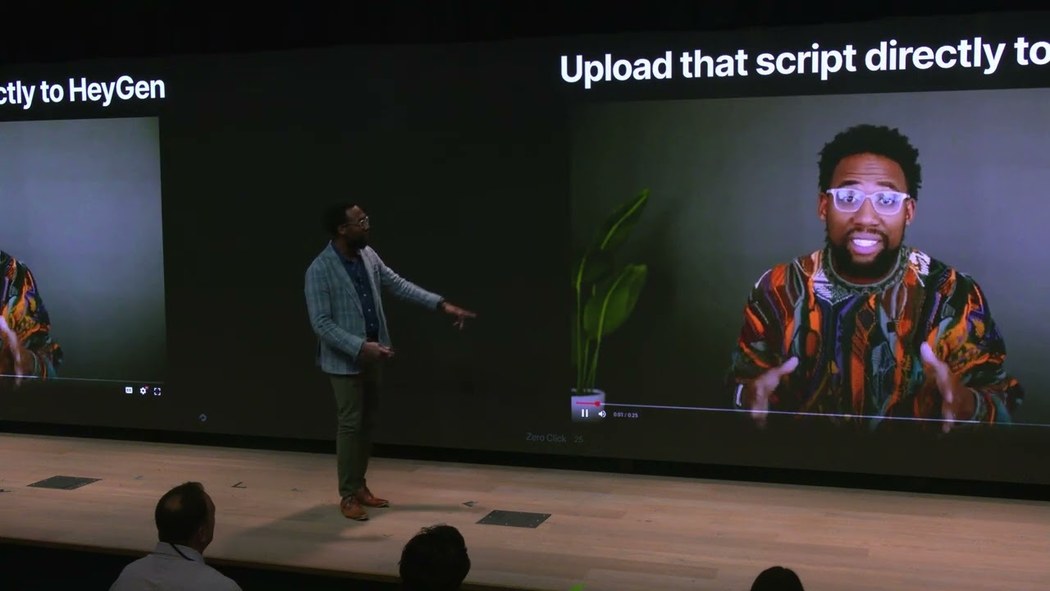
Content Distribution in the Age of AI — Ross Simmonds, Foundation Marketing
In a fast-talking, joke-laced keynote delivered at a Profound event, Foundation Marketing founder Ross Simmonds sets out to demolish what he calls one of the marketing industry's favorite lies: that AI-written content can never drive results. Playing amateur detective — 'Sherlock Homeboy' — he digs into CNET's much-mocked AI publishing experiment and finds that the disclosed AI-written pages still pull millions of annual visits, roughly 2,400 backlinks and about $1.3 million worth of organic traffic value. From there he lays out a free four-part framework — Research, Creation, Distribution, Optimization — arguing that marketers have spent a decade obsessing over content while forgetting the marketing half of 'content marketing.' Along the way he makes the data case that B2B review sites like G2, Capterra, TrustRadius and Software Advice are losing ground while Reddit, YouTube and LinkedIn dominate LLM citations, and he walks through the actual tool stack — ChatGPT, HeyGen, ElevenLabs, Descript, Canva, MidJourney, RunwayML, Distribution.ai — he uses to turn one asset into many. His closing plea is less about tools than temperament: have a growth mindset, keep experimenting, and create once, distribute forever.

What ChatGPT Actually Knows About Your Company
When a customer asks ChatGPT about your company, the answer is not pulled from your website in real time. It is assembled from what the model absorbed during training - Common Crawl web pages, Wikipedia, news, reviews, Reddit threads, job postings and structured databases like Crunchbase and Wikidata - frozen at a knowledge cutoff months before the model shipped. This story explains where that knowledge comes from, why it drifts stale, how gaps and old narratives creep in, and what companies can actually do to correct the record.
The AI Visibility Audit (Step-by-Step)
The AI Visibility Audit is a step-by-step method for checking how ChatGPT, Claude, and Gemini describe a brand. It runs a set of buyer-intent prompts across each engine, measures whether answers stay consistent, flags hallucinated or outdated facts, surfaces missing product knowledge and use cases, and turns the gaps into a ranked list of fixes. The goal is simple: know what the machines are saying about you before your customers ask them.

YesPress vs Semrush: SEO for Search Engines vs Publishing for AI
Two tools, two eras. Semrush helps companies win the search-engine results page through keywords, backlinks, and rank tracking. YesPress helps companies become legible to AI assistants by publishing a structured, authoritative body of company knowledge. This piece maps the shift from a web built for search engines to a web increasingly read by machines, and argues the two are complementary layers rather than competitors.
GEO vs SEO vs AEO Explained
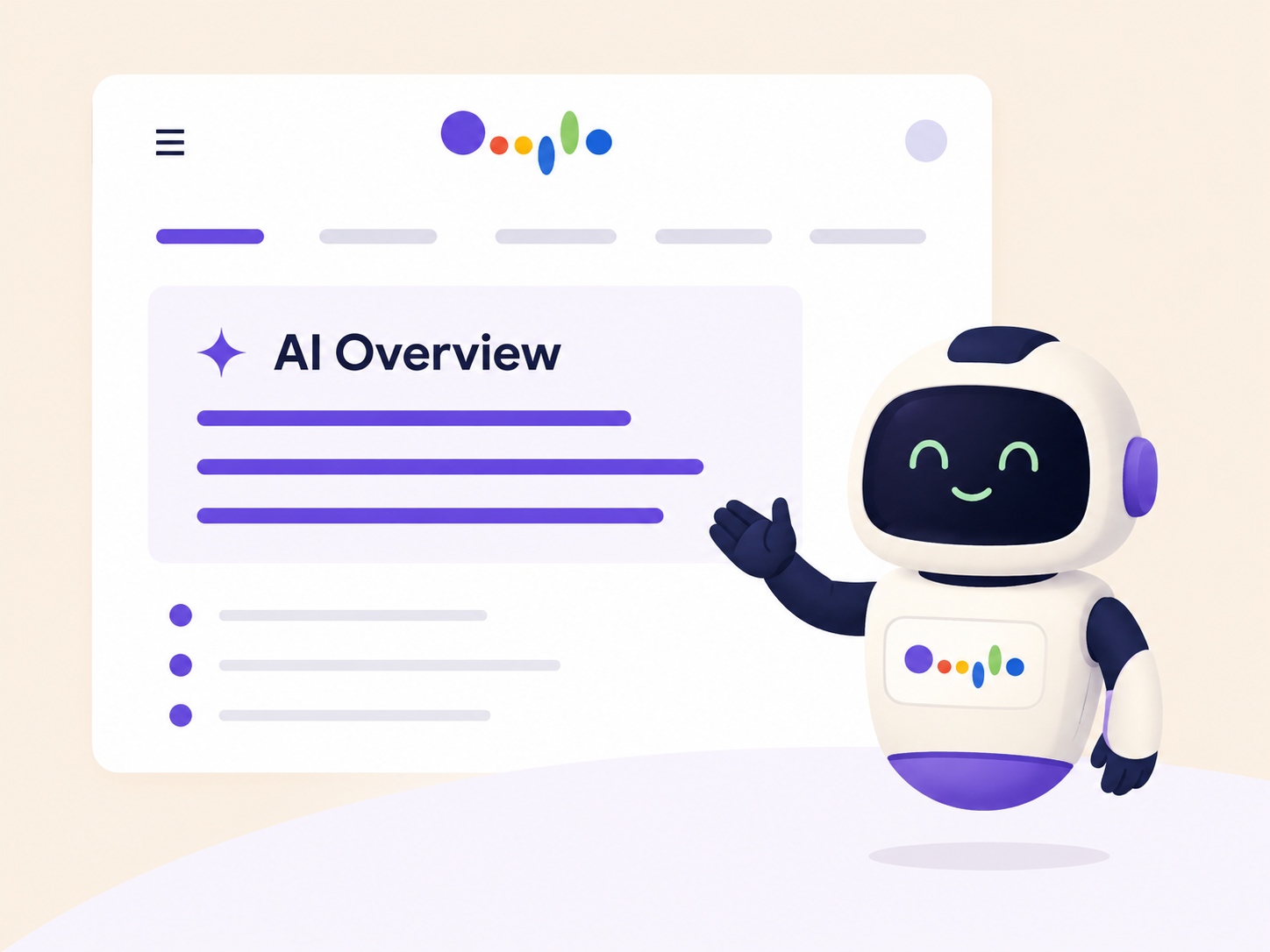
SEO, AEO, and GEO are three overlapping disciplines describing how content gets found in the age of AI-mediated search. SEO ranks pages on Google and Bing. AEO optimizes for direct answers - featured snippets, voice, and AI Overviews. GEO optimizes for citation inside generative responses from ChatGPT, Perplexity, Claude, and Gemini. The 2026 consensus: they are additive, not substitutive.
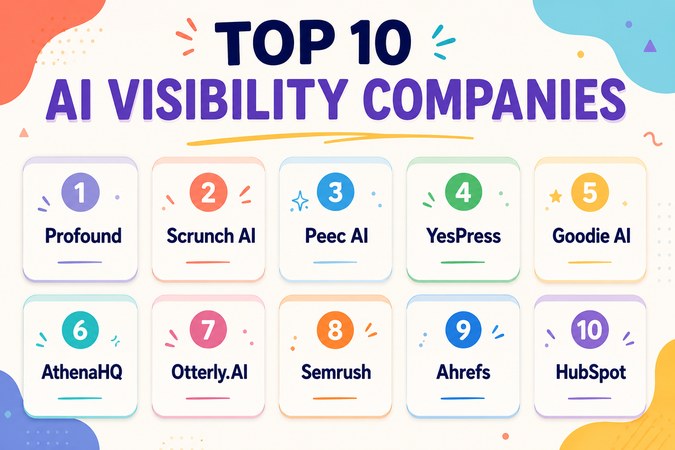
Top 10 AI Visibility Companies Leading the Future of AI Search in 2026
As buyers increasingly ask ChatGPT, Claude, Gemini, Perplexity and Copilot for recommendations, a new marketing discipline called AI Visibility has emerged. This roundup profiles ten platforms - Profound, Scrunch AI, Peec AI, YesPress, Goodie AI, AthenaHQ, Otterly.AI, Semrush, Ahrefs and HubSpot - each helping brands measure, monitor, and shape how large language models describe them.

The Ask-and-Act Web: How AI Is Rewiring the Internet 2026–2029
A data-driven editorial report mapping how the AI-native internet will reshape search, content, attention and brand visibility between 2026 and 2029. The piece argues the web is shifting from 'search and click' to 'ask and act' — answer engines synthesize replies, agents transact on users' behalf, and the open link economy is being renegotiated in real time. Drawing on 30+ primary sources including Pew Research, McKinsey, Cloudflare, Stanford HAI, and Similarweb, it covers the adoption explosion (900M weekly ChatGPT users), the great decoupling of searches from clicks (69% zero-click), the stumbling first steps of agentic commerce, the rise of synthetic content (52% of new articles AI-generated), and a practical playbook for publishers, brands, and e-commerce operators navigating the shift.