Imagine a company with a handsome website and a link that leads nowhere. The design still looks expensive. The page still loads. The person trying to take the next step simply cannot take it. This is a hypothetical scene, but it captures the unglamorous territory Sitio chose: the space between publishing a website and keeping it useful.
- Find the loose ends. Sitio combines website checks with page-level reporting.
- Give the team a next step. AI assistance offers content help and code suggestions.
- Keep a person in the loop. An audit needs someone who can judge and implement a repair.
Sitio describes itself on LinkedIn as the simplest way to find and fix web issues.
That modest formulation is more revealing than the AI language surrounding its product. The customer is an organization with pages to maintain; the practical audience includes developers, editors, and marketers. Their shared difficulty is noticing what has slipped out of place.
The hunt is only half the job
The documented workflow begins with a crawler collecting website material. Analysis checks for problems, AI assistance offers guidance, and a dashboard displays the findings. Sitio says its reports can show issues directly on the affected page alongside code and styles. The attraction is context: an error becomes easier to discuss when everyone can see where it lives.
Its Quality module covers spelling, grammar, and broken links. Accessibility checks look for barriers against WCAG, the Web Content Accessibility Guidelines. The code assistant adds explanations and suggested snippets for remediation. These are recommendations for a team to evaluate and implement. The distinction matters when a plausible-looking change must survive contact with an actual website.
- 01CrawlCollect pages and assets
- 02AnalyzeLocate potential issues
- 03GuideExplain and suggest
- 04ReviewA team decides what to fix
Sitio puts itself alongside Siteimprove, Monsido, DubBot, Silktide, and Sitemorse. Its comparison with Siteimprove makes an unusually candid concession: Sitio has fewer features. It argues that the smaller tool is easier to navigate. That is a positioning claim, rather than a measured usability result, but it identifies the contest Sitio wants to enter: how quickly a busy person can reach useful work.
A side project gets a sales problem
Founder Jake Dornbush established Sitio in 2022. In June 2024, a NextGen Sales Systems interview description presented him as a full-time B2B account executive building the company alongside that job. It reported $100,000 in annual recurring revenue, reached through outbound email prospecting without a CRM. Treat that number as a dated account of the business, rather than a current financial statement.
The discussion concerned the move toward a first sales hire and a formal selling process. Here was a recognizable constraint: the founder was carrying two sales responsibilities. The account points to pressure on his time; it does not document a failed product. For another founder, the useful lesson is to ask which parts of selling somebody else could repeat.
Reported in a June 2024 sales interview description. Historical, self-reported, and not a current revenue estimate.
In a July 2024 LinkedIn announcement, Dornbush said he was leaving Sure to run Sitio. He called it a passion project
that had gained momentum in digital governance. The sequence shows a growing commitment. It leaves room between seeing traction and deciding exactly how to organize a company around it.
The website has a memory problem
Some of Sitio’s quieter modules explain why this category exists. Inventory catalogs pages, URLs, documents, and images. Governance helps teams locate wording that needs review. Consider a hypothetical organization changing a service name: the work includes discovering every old mention, including the one stranded in a forgotten corner of the site. A search across that estate has an obvious use.
Insights adds performance, SEO, and best-practice checks. The AI Writing Assistant helps generate and revise content. Together, the seven advertised modules span what a website says, how it behaves, and what it contains. The expertise on offer is automated inspection and guidance across those tasks. The buyer still needs editorial judgment and access to the systems where changes happen.
“less clicks and be easier to use”
Sitio’s stated design goal, in its Siteimprove comparison
A practical routine follows from that design. Inventory the public site, inspect the findings, assign a repair, then check the changed page. That routine is our recommendation. It is also a sensible way to evaluate a demo: bring a real problem and watch the handoff. A beautiful report can still leave the next person wondering what to do.
For a buyer, the interesting unit is the repair. Can an editor find the affected sentence? Can a developer understand the proposed code change? Can the team tell whether an issue has been resolved? These questions make a more useful trial than counting dashboard tiles. A team maintaining a sprawling public site may value the combined view; a team checking one occasional page should weigh that subscription against its actual workload.
The small print has a job, too
Sitio’s commercial model is subscription software, with a free introductory site scan and a demo as entry points. Its published agreement describes annual fees paid in advance and a minimum twelve-month order term. Buyers should check their actual order for price, scope, and renewal obligations. The free scan and the paid relationship serve different purposes.
That agreement also limits scanning to public-facing pages and requires the crawler to remain unblocked. A private employee portal therefore falls outside its stated scanning scope. Accessibility requires another boundary: W3C guidance says automated tools cannot evaluate every aspect. Human review remains necessary. Those conditions belong in a buying decision because they determine which work the software can usefully support.
A deliberate shade of different
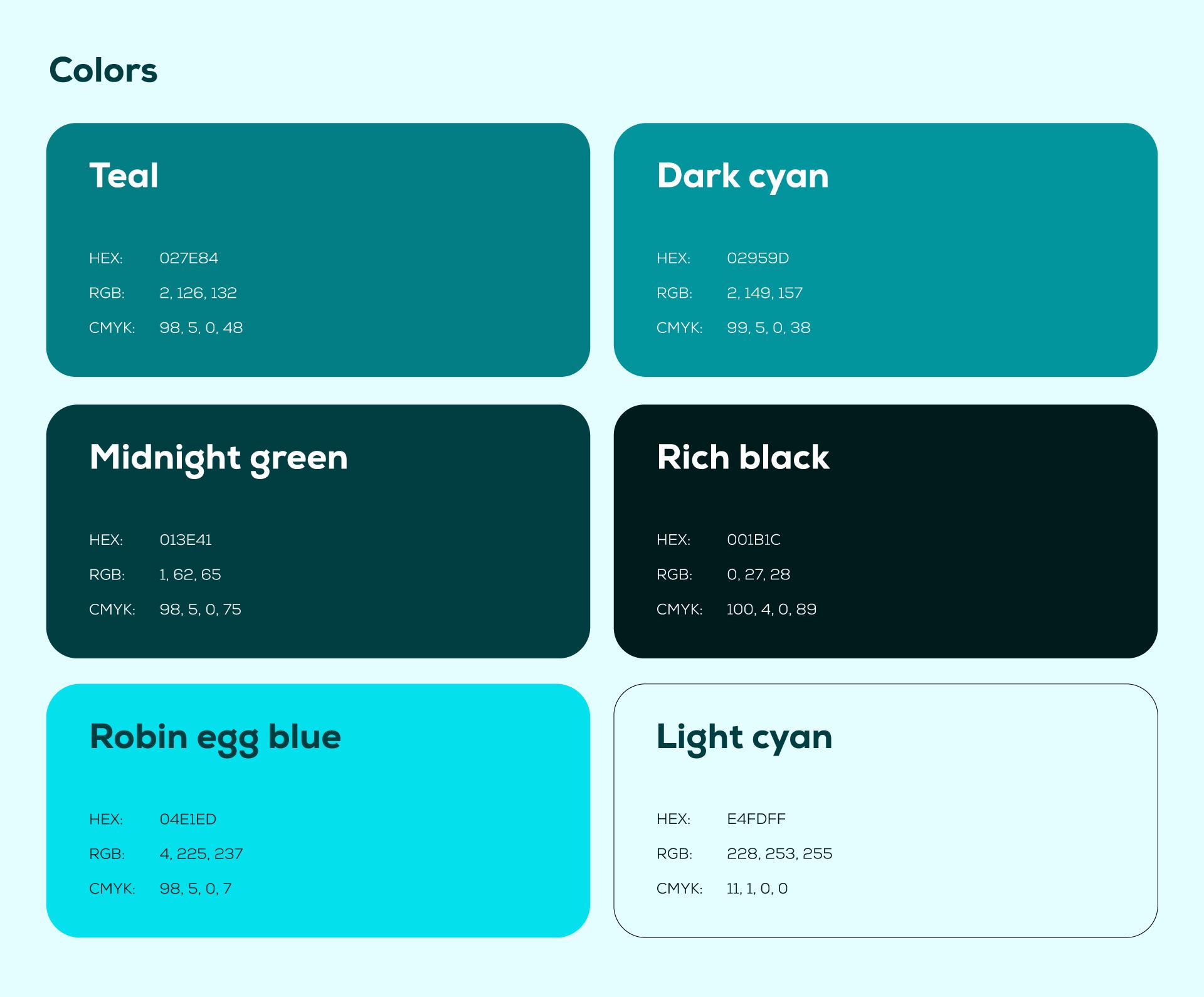
Even the visual identity expresses a choice about the market. Design studio RGRAY says competitor research led it toward green-blue colors instead of familiar blue and purple. It created a wordmark without a separate icon, giving the final letter its own treatment. For software concerned with overlooked details, that is an appropriately small place to put a signature.
There is a present-day wrinkle. On October 23, 2026, a direct check of Sitio’s domain returned an expiration notice. That observation establishes the website’s condition at that moment, without establishing the company’s operating status. Its documented product proposition remains clear: make the small defects visible, put them in context, and help the person responsible do something useful next.