semiconductor
(66)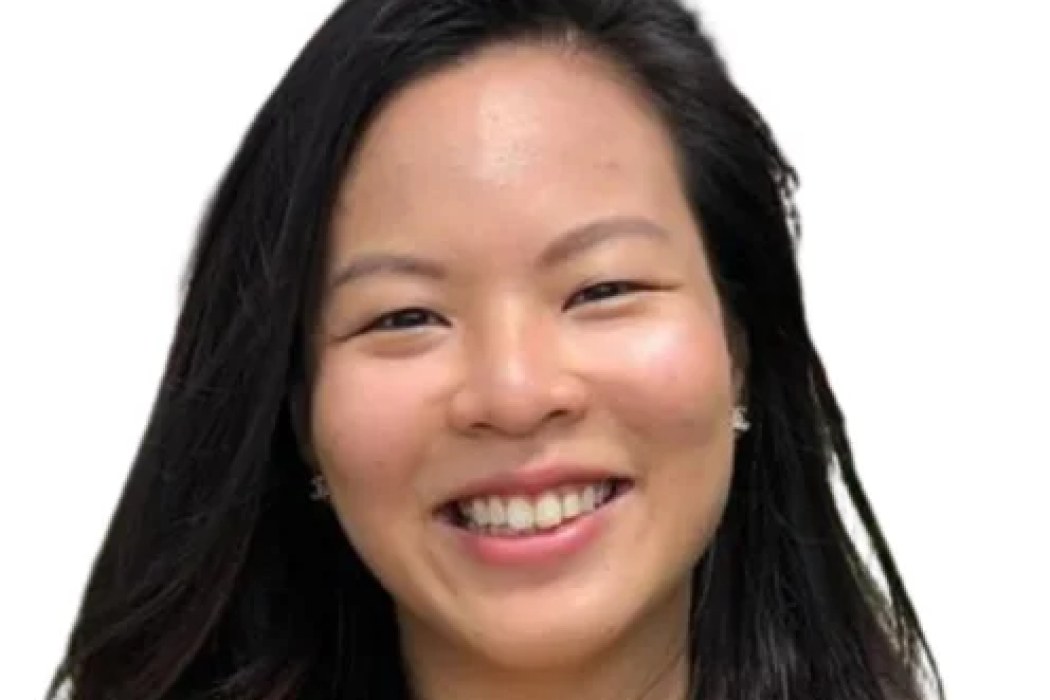
Yih Lin Teh
Yih Lin Teh is the co-founder and CEO of Axross (YC W22), a Singapore-based startup building AI-driven autonomous HVAC control systems that cut energy use and operating costs for factories and semiconductor plants across Southeast Asia. An econometrician turned climate tech entrepreneur with roots at LSE and MIT and stints across three continents, Teh returned to ASEAN to make the region's manufacturing sector greener and more competitive.
Rochan Sankar
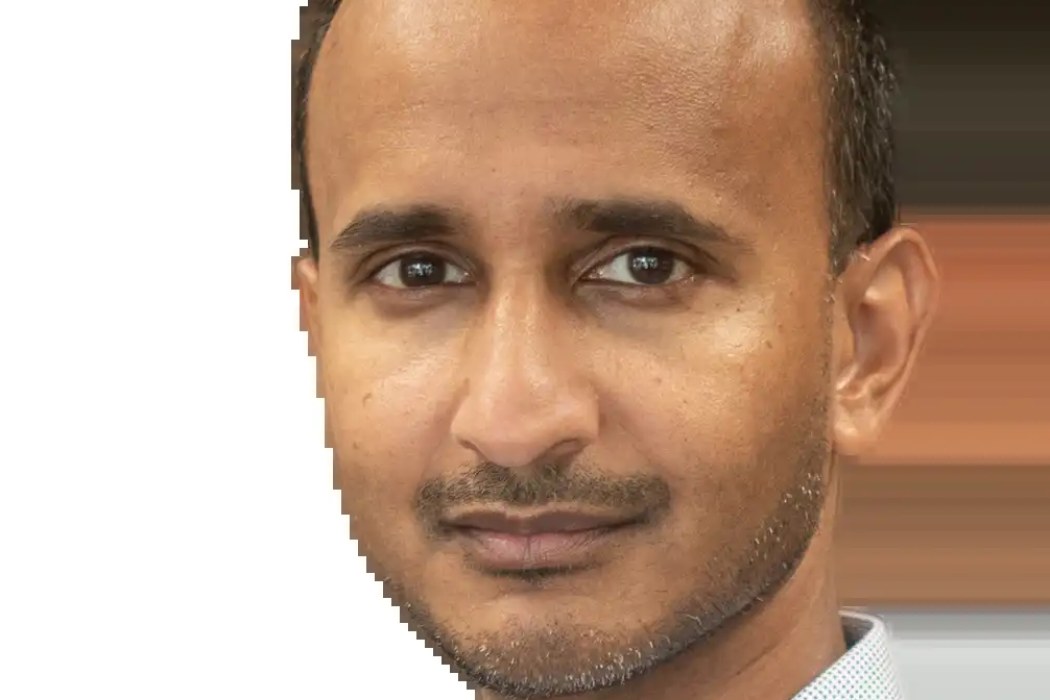
Rochan Sankar is the founder and CEO of Enfabrica, a Silicon Valley startup building networking silicon to move data between the GPUs, CPUs and memory that power large-scale AI. A 26-year semiconductor veteran who ran Broadcom's data center Ethernet switching business before striking out on his own in 2019, he bet the company on a single idea: that AI's real bottleneck is not compute but the plumbing that feeds it. In September 2025, Nvidia paid more than $900 million to license Enfabrica's technology and bring Sankar and much of his team in-house.

Seshu Madhavapeddy
Seshu Madhavapeddy is the co-founder and CEO of Frore Systems, the San Jose deep-tech company behind AirJet, the world's first solid-state active cooling chip, and the LiquidJet direct-to-chip line for data centers. A repeat entrepreneur with two prior exits and executive stints at Qualcomm, Samsung and Texas Instruments, he started Frore in 2018 with a simple frustration: the cooling fan hasn't fundamentally changed since the 19th century. In March 2026 the company raised a $143M Series D, crossing a $1.64B valuation as cooling became a defining constraint on AI performance.
Seyed Tabatabaei
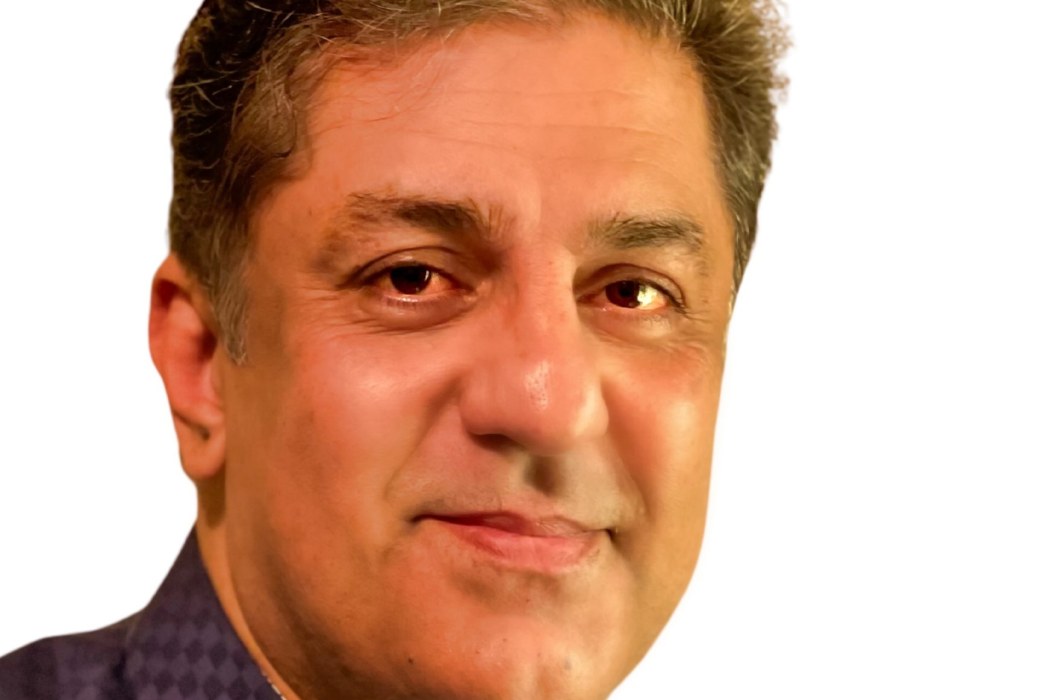
Seyed A. Tabatabaei is the founder, chairman and CEO of mmTron, a Redwood City fabless semiconductor company building high-linearity millimeter-wave MMICs for 5G, 6G, SATCOM, instrumentation and defense. A PhD engineer who has worked in mmWave since 1986, he spent decades at M/A-COM, Hewlett Packard, and Endwave before starting the design house Teramics and then founding mmTron in 2020. In April 2026 the company closed a $45M Series A led by Maverick Silicon.

Steve Huang
Steve Huang is the founder and CEO of KiWi New Energy, a Taiwan-born, San Mateo-based startup building what he calls an operating system for global renewable energy. A serial green entrepreneur with more than 15 years across the semiconductor and solar value chain, Huang went from NVIDIA and public silicon-wafer ventures to a near-total collapse when Chinese rivals undercut his micro-inverter business, then rebuilt around an AI-driven energy datacenter that matches clean supply with retail and small-business demand in real time.
Veerbhan Kheterpal
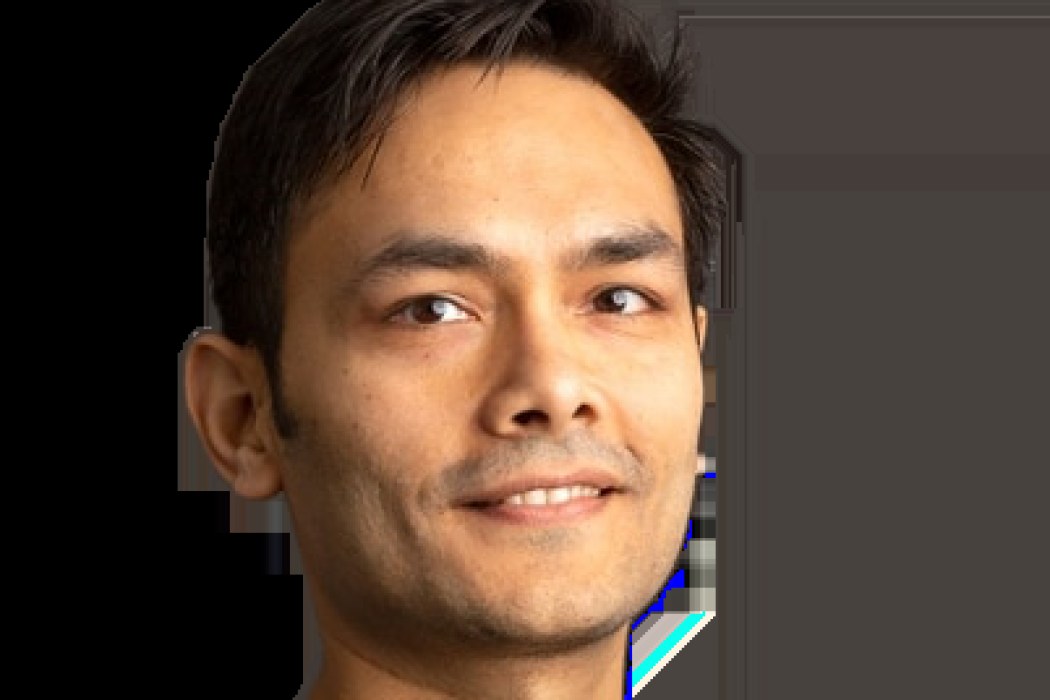
Veerbhan Kheterpal is the co-founder and CEO of Quadric, a Burlingame, California processor IP company building the Chimera general-purpose neural processor (GPNPU) for on-device AI inference. A three-time technology founder with a PhD from Carnegie Mellon University, he previously co-founded Fabbrix (acquired by PDF Solutions) and was a technical co-founder of 21, Inc. Quadric's software-first architecture aims to run any AI model without the obsolescence that plagues fixed-function AI accelerators, and the company has raised roughly $90M across its funding rounds while scaling licensing revenue sharply through 2025.
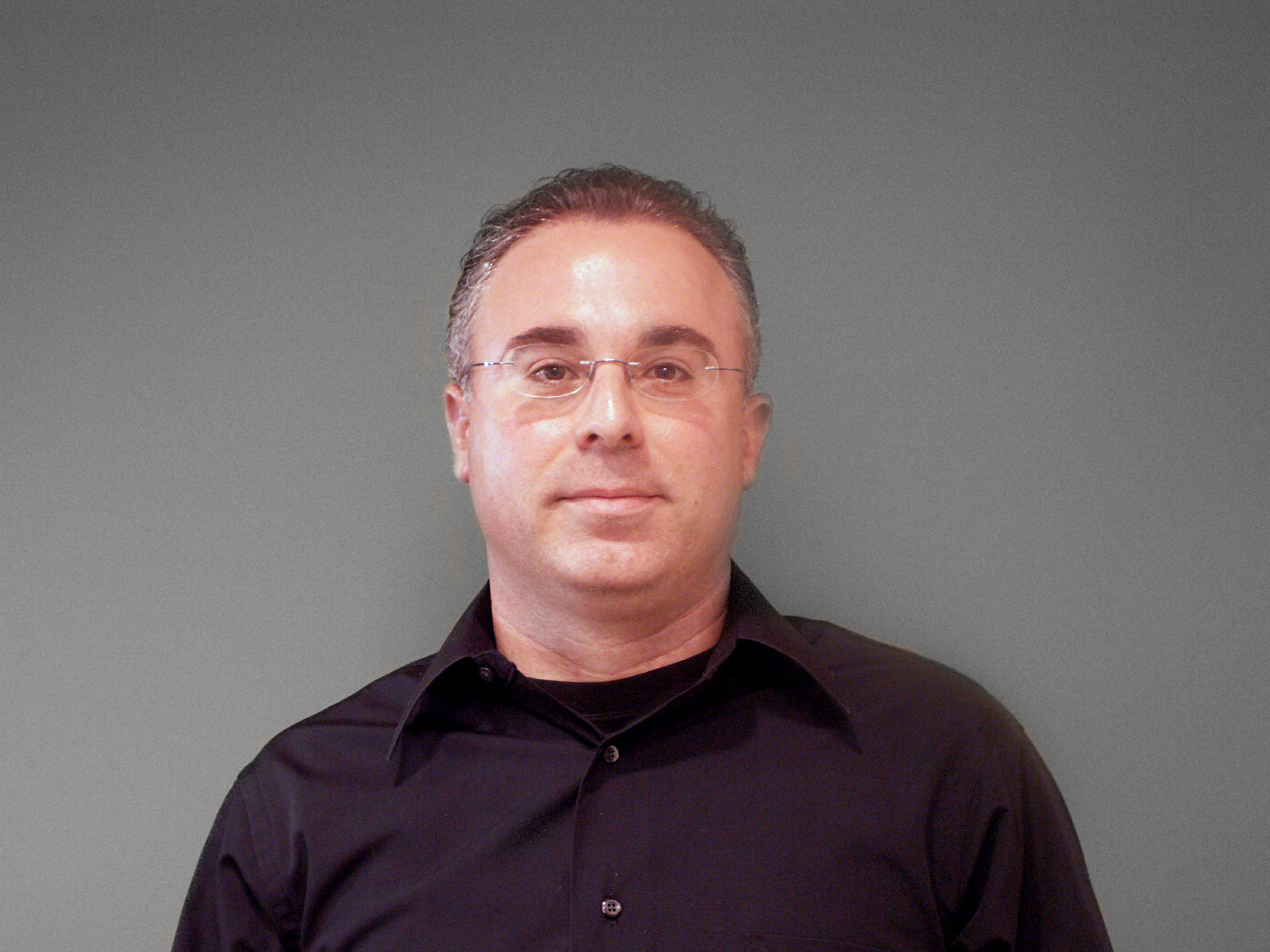
Gilad Shainer
Gilad Shainer is Senior Vice President of Networking at NVIDIA, where he leads the strategy, marketing, and ecosystem development for the company's networking portfolio — including InfiniBand, Ethernet, DPUs, and interconnect technologies that power more than half the world's top 500 supercomputers. A Technion-trained electrical engineer who graduated Cum Laude at both B.Sc. and M.Sc. levels, Shainer spent nearly two decades at Mellanox Technologies before joining NVIDIA via the $6.9 billion acquisition in 2020. He founded the HPC-AI Advisory Council in 2008, which now spans 400+ organizations globally, co-founded the ISC Student Cluster Competition, holds two R&D 100 Awards (2015 and 2019), and has authored or co-authored dozens of papers across IEEE, ACM, and Springer venues. At a moment when AI factories are rewriting the rules of data center design, Shainer is the person making sure the wires — and the protocols running through them — are ready.

Ram Sudireddy
Ram Sudireddy is the founder, chairman, president and CEO of Bento, a Boston-based dental benefits platform he started in 2017 after concluding that dental insurance, as sold, was structurally broken. Before Bento he built and sold three technology companies - Cimaron Communications to AMCC, CHiL Semiconductor to International Rectifier, and Mustbin to LifeSite - and chaired Sanovi through its acquisition by IBM. He is a semiconductor architect by training who now runs a dental payments company, which is the kind of career pivot that only makes sense if you spend a long weekend reading your family's EOBs.
Ben Hernandez
Ben Hernandez is the founder and CEO of Numat, a Chicago deep-tech company that treats chemistry like software. Numat designs metal-organic frameworks (MOFs), nanoscale materials that capture, hold, and even destroy specific molecules with atomic precision. Trained as an engineer with a law degree and an MBA, and a former private equity investor, Hernandez turned a Northwestern lab idea into the world's first industrial-scale MOF manufacturing campus, powering safer hazardous-gas storage for the semiconductor industry through its ION-X product and pushing toward industrial decarbonization.
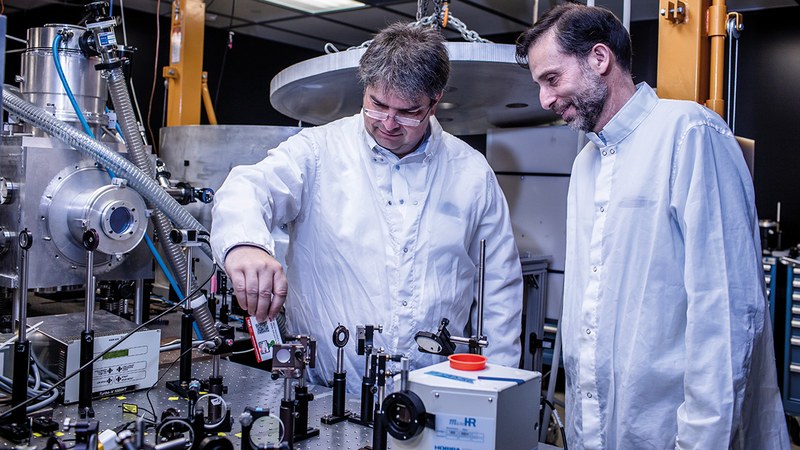
Jerome Paye
Jerome Paye is the CEO of TAU Systems, an Austin-based deep-tech company shrinking mile-long particle accelerators down to the size of a shipping container. A physicist by training and a program-management operator by trade, he spent two decades launching Ford Mustangs, steering Renault's early electric-vehicle work, and running opposed-piston engine programs at Achates Power before joining a startup that wants to accelerate electrons to 10 GeV over 10 centimeters of plasma - and, along the way, replace the EUV light source at the heart of modern chipmaking.

Kevin Conley
Kevin Conley is the CEO of Applied Brain Research (ABR), the Waterloo-based startup commercializing brain-inspired, ultra-low-power chips for edge AI. A 30-plus-year semiconductor veteran, he spent more than two decades at SanDisk - rising to Senior Vice President and CTO - then led Everspin Technologies as President and CEO. He is named on 90+ patents covering non-volatile memory architecture and management.

Nathan Monroe
Nathan Monroe is the co-founder and CEO of Cambridge Terahertz, an MIT spinout building compact, affordable concealed-weapons detection. A PhD electrical engineer who demonstrated one of the largest terahertz phased antenna arrays ever built on standard CMOS, he shrank refrigerator-sized scanner physics into a device smaller than a toaster. After a school shooting marked his teenage years in Florida, he spent more than a decade at MIT turning terahertz sensing into a real product. Cambridge Terahertz uses safe, non-ionizing radio waves and AI to see weapons through clothing and packaging, and raised a $12M seed round backed by Amazon and Felicis.

Kai Jiang
Kai Jiang is the CEO of Nuovo Film Inc., a Silicon Valley materials company that turns silver nanowires into the transparent conductive film behind touchscreens, foldable displays, and large-area interactive panels. Under his watch the company has shipped more than 2.3 million square meters of conductive film, holds 180+ patents worldwide, and claims roughly 60% of the global silver-nanowire market. A Stanford-educated operator with a McKinsey and semiconductor background, Jiang runs a business that is invisible by design: its product is the layer you touch but never see.
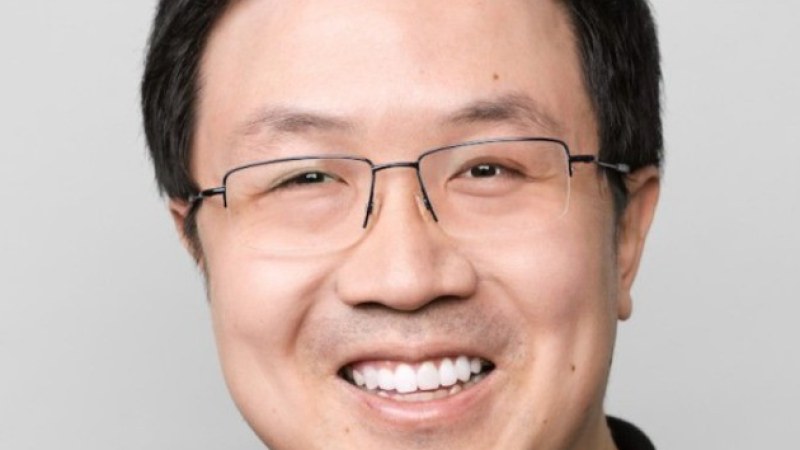
Mian Zhang
Mian Zhang is the co-founder and CEO of HyperLight, the Cambridge-based deep-tech company commercializing thin-film lithium niobate (TFLN) photonics. A Cornell-trained physicist who did his foundational work in Marko Loncar's lab at Harvard, Zhang took a notoriously hard-to-manufacture optical material and shrank it onto silicon-style chips - cutting signal loss roughly 100-fold in work published in Nature. HyperLight now runs the industry's first high-volume, qualified 6-inch TFLN production line and is pushing 400G-per-lane photonic circuits into hyperscale AI data centers through partnerships with UMC, Wavetek, and Jabil.
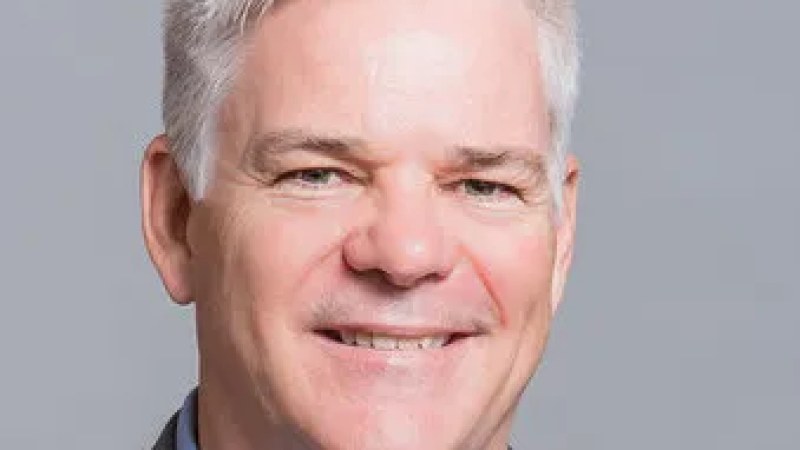
Tom Molden
Tom Molden is CIO of Global Executive Engagement at NinjaOne, a role that puts a 30-year IT practitioner in the room with the buyers he used to be. He learned automation in the car rental business, spent 14 years moving through the semiconductor industry across the US and Europe, then ran planning for a multi-billion-dollar IT transformation at General Motors before becoming Chief of Staff to GM's global CISO. Fluent in English and German, he trades in the language of boards: revenue, margin, and risk.

Rob Devlin
Rob Devlin is the co-founder and CEO of Metalenz, the first company to take metasurface optics out of the lab and into mass-market consumer devices. A Harvard-trained applied physicist who studied under Federico Capasso, he turned a Science cover paper into a fabless optical-semiconductor company that prints flat lenses in standard chip foundries. Under his leadership Metalenz shipped the world's first metasurfaces in consumer products with STMicroelectronics in 2022 and launched Polar ID, a polarization-based face authentication system. He keeps the first wafer of 10,000 metasurface lenses on his desk as a reminder of how a single fabrication shot eclipsed an entire PhD's worth of handmade devices.

Jason Paul
Jason Paul is Vice President of GeForce Platform Marketing at NVIDIA, where he has worked since 2003. Over more than two decades, he has led the marketing and launch of every major GeForce GPU generation, pioneered NVIDIA's SHIELD gaming ecosystem, championed GameWorks VR, and now spearheads the company's consumer AI push connecting RTX hardware to over 100 million Windows users. Educated at UCLA and Stanford (MBA), Paul sits at the crossroads of gaming hardware, software platforms, and the emerging era of on-device AI.

LaSandra Brill
LaSandra Brill is Vice President of Global Digital Marketing at NVIDIA, one of the most influential technology companies in the world. Leading a team of 185+ people, she oversees data strategy, CRM, media, corporate social, marketing automation, NVIDIA.com, analytics, and NVIDIA's own AI marketing strategy. With 20+ years in tech marketing across Cisco and Symantec, she has been recognized as a Top 50 Influential Digital Marketer and Top 25 Women Who Rock Social Media. Beyond her work at NVIDIA, she is a published children's book author - her 2017 book 'Let's Be Friends' promotes inclusion for children with Down syndrome - and serves on the boards of LuMind IDSC Foundation, Special Olympics, and Abilities United.
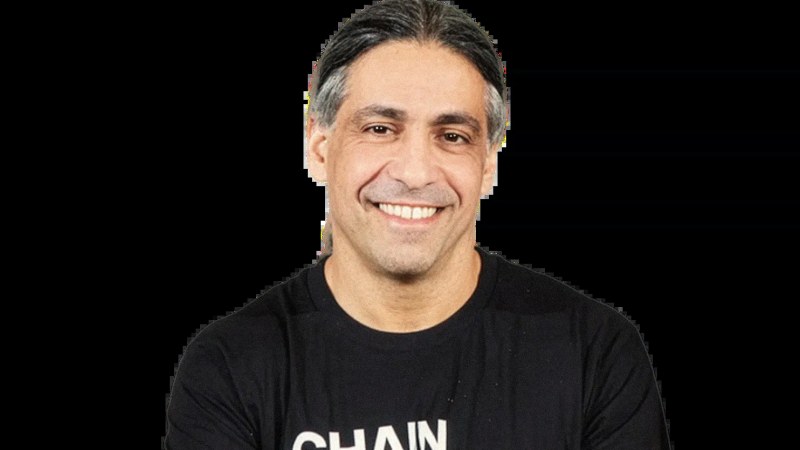
Alon Webman
Alon Webman is the co-founder and CEO of Chain Reaction, an Israeli semiconductor company building purpose-built chips for encrypted computation, Bitcoin mining, and privacy-preserving AI. Before Chain Reaction, he co-founded Mellanox Technologies in 1999 and spent nearly two decades there, rising to VP-level roles before NVIDIA acquired Mellanox for $7 billion in 2020. A Technion graduate, Webman is now betting his second act on making fully homomorphic encryption practical at scale - a technology that would let clouds compute on data they can never see.
Chin Beckmann
Chin Beckmann is the Co-Founder and CEO of DSP Concepts, the Santa Clara-based global leader in embedded audio software and creator of Audio Weaver — a platform that powers the sound systems in tens of millions of devices from Tesla, Mercedes-Benz, BMW, and Samsung. A concert pianist who holds degrees in Computer Engineering from Boston University and an MBA from Northeastern University, Chin co-founded DSP Concepts with her husband and CTO Paul Beckmann, building it from an audio engineering consulting firm's secret weapon into a Series C-funded company with $56.4M raised and revenue growing more than 100% since 2019. She also serves on the Audio Board of the Consumer Technology Association.

Farhat Jahangir
Farhat Jahangir is the Founder, President & CEO of GS Microelectronics (GSME), a San Jose-based semiconductor solutions company he founded around 2021-2022. With 25+ years in semiconductor manufacturing, operations, and chip design, he previously served as VP & General Manager at ON Semiconductor and SVP of Manufacturing at Quantenna Communications, where he helped steer the company through its 2016 IPO and a $1.1B acquisition. GSME raised a $35M Series B in January 2026, backed by Maverick Silicon, and has since made two strategic acquisitions - Sinble Technology Vietnam and Muse Semiconductor - to build a vertically integrated semiconductor services platform spanning chip design, MPW services, and advanced process node capabilities.
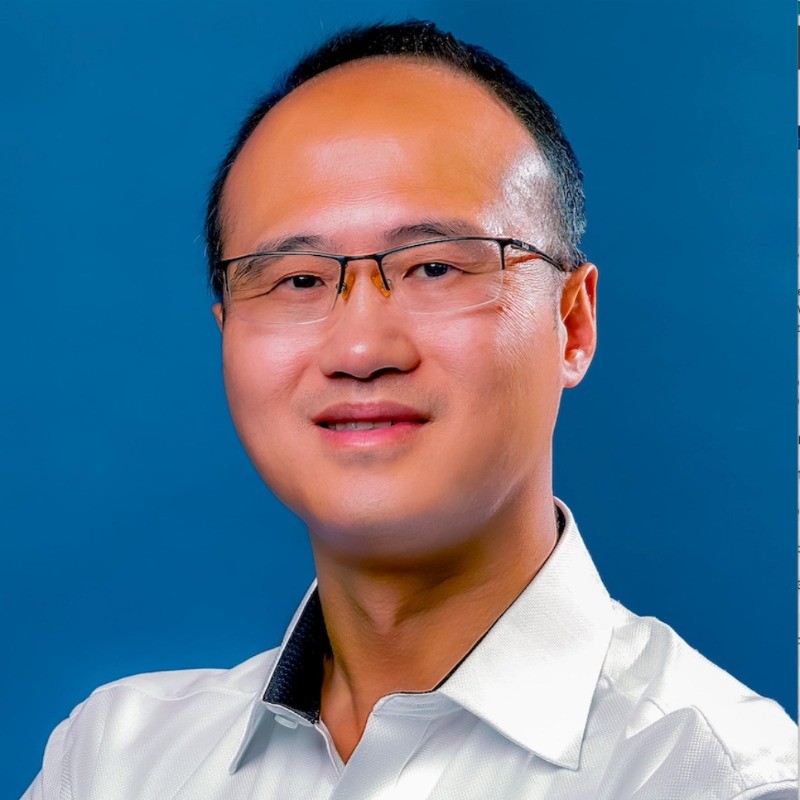
Hao Zhong
Hao Zhong is the CEO and Co-Founder of ScaleFlux, a San Jose-based fabless semiconductor company that builds computational storage drives and CXL memory solutions for cloud, AI, and data center workloads. With 20+ years in flash storage and LDPC technology — including stints at LSI, SandForce, and Fusion-io — Zhong co-founded ScaleFlux in 2014 to rethink what a storage device can do: compress data in hardware, cut write amplification, and deliver 4x effective capacity at roughly half the price of standard NVMe SSDs. ScaleFlux has raised $288M in funding and posted record-breaking growth in 2024.
Otto Marroquin
Otto Marroquin is the Founder of Celera Corporation (operating as Celera Incorporated / Celera Semiconductor), an AI-powered analog semiconductor company headquartered in Alameda, California. Celera has built a patented platform - Nestos - that uses digital twins and behavioral modeling to automate analog IC design, cutting development cycles by up to 10x compared to traditional workflows. Backed by $23 million in funding including a $20 million Series A from Maverick Silicon in August 2025, Marroquin's venture targets the $70 billion analog semiconductor market with a platform that delivers custom analog ICs at a pace the industry has never seen before.
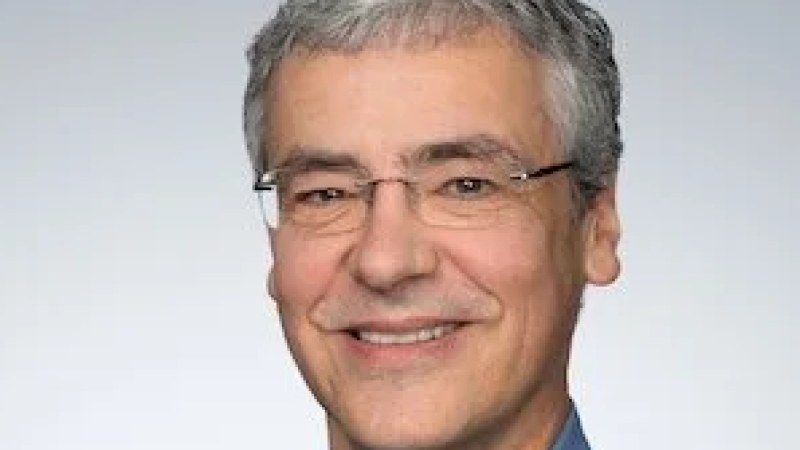
Patrick Naulleau
Patrick Naulleau is the CEO of EUV Tech Inc., a Martinez, California-based company leading the development of at-wavelength extreme ultraviolet (EUV) metrology tools for semiconductor manufacturing. With over 25 years of pioneering work in EUV lithography — including helping build the world's first EUV scanner at Lawrence Berkeley National Laboratory and co-developing the SHARP EUV mask microscope — Naulleau transitioned from world-class researcher to industry CEO in 2022. He holds a PhD in Electrical Engineering from the University of Michigan, is a Fellow of both Optica and SPIE, and has authored over 400 publications. EUV Tech raised a $36M Series A led by Intel Capital in 2023.
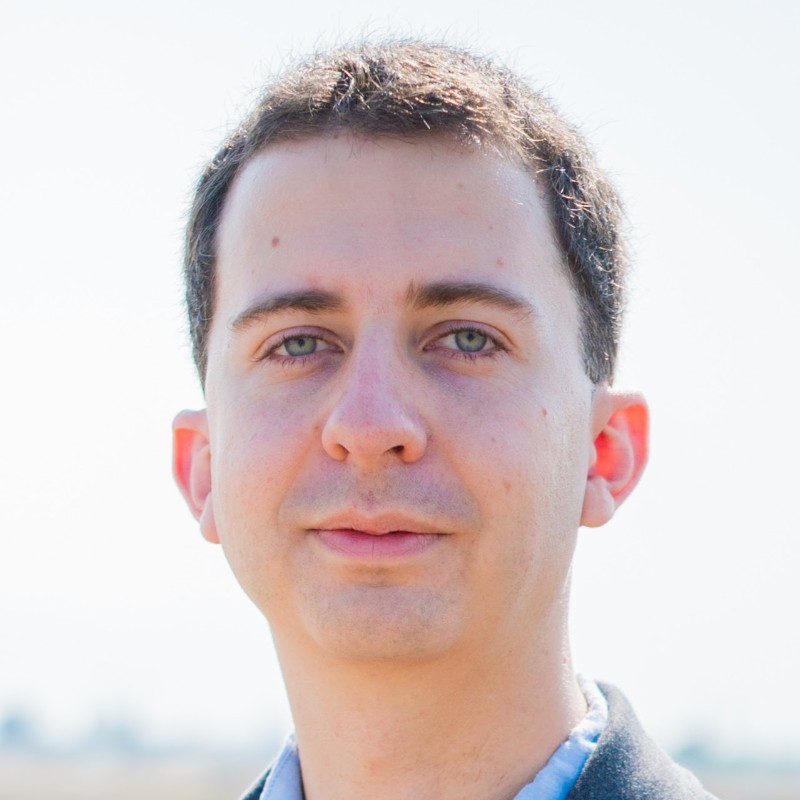
Reiner Pope
Reiner Pope is the co-founder and CEO of MatX, an AI chip startup based in Mountain View, California, designing purpose-built silicon for large language models. A former Google Senior Staff Software Engineer who led AI software development for Google's TPUs and served as Efficiency Lead for PaLM, Pope left Google one week before ChatGPT launched to build what he calls 'the best chips for LLMs that physics allows.' MatX has raised approximately $604M to date, including a $500M Series B led by Jane Street and Situational Awareness LP, and is building a hybrid SRAM-HBM chip architecture targeting the world's leading AI labs.
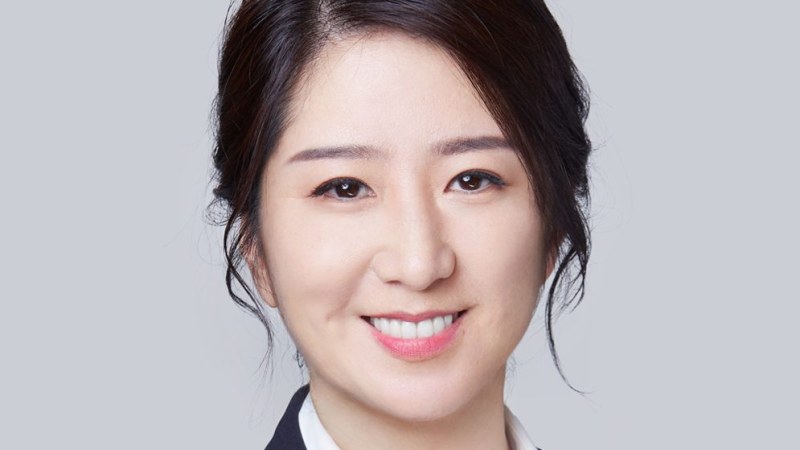
Daisy Cai
Daisy Cai is a General Partner at B Capital, the multi-stage venture firm co-founded by Eduardo Saverin. With nearly two decades of investment experience spanning Silicon Valley, Hong Kong, and global markets, she heads B Capital's China expansion and leads investments in deep tech, AI, robotics, autonomous systems, clean energy, and space technology. Before B Capital, she was a Partner at SoftBank Vision Fund and Managing Partner of Baidu Capital and Baidu Ventures. She holds a B.S. from Tsinghua University, an M.S. in Electrical Engineering from USC, and an MBA from Columbia Business School - and has six U.S. patents in semiconductor chip design.

Eileen Tanghal
Eileen Tanghal is the Founder and General Partner of Black Opal Ventures, a women-led early-stage venture capital firm based in New York investing at the intersection of healthcare and frontier technology. With over 20 years of VC experience spanning corporate venture (Applied Ventures, ARM Holdings), national security investing (In-Q-Tel), and European VC (Amadeus Capital, Kennet Partners), she co-founded Black Opal in 2021 alongside Dr. Tara Bishop - a friend of 30 years from their days as MIT engineering students. The firm raised a $58M debut fund with backing from Eli Lilly, Bank of America, and J.P. Morgan, and invests in companies using AI, bioengineering, and advanced computing to reshape how healthcare is delivered and who can access it.

Jeff Karras
Jeff Karras is a General Partner at America's Frontier Fund and co-founder of Alter Venture Partners, bringing over 20 years of venture capital experience to the intersection of deep tech, national security, and U.S. strategic competitiveness. With more than 40 investments and 23 exits - including 6 IPOs - he has backed companies spanning semiconductors, advanced manufacturing, synthetic biology, and AI. Before pivoting to frontier tech, he helped build SingTel Innov8's North American and Israeli operations and spent nearly a decade at Levensohn Venture Partners. A licensed pilot based in San Francisco, he is among a small cohort of investors who believe the most important technology companies of the next decade will emerge from the overlap of commercial innovation and government-scale problems.
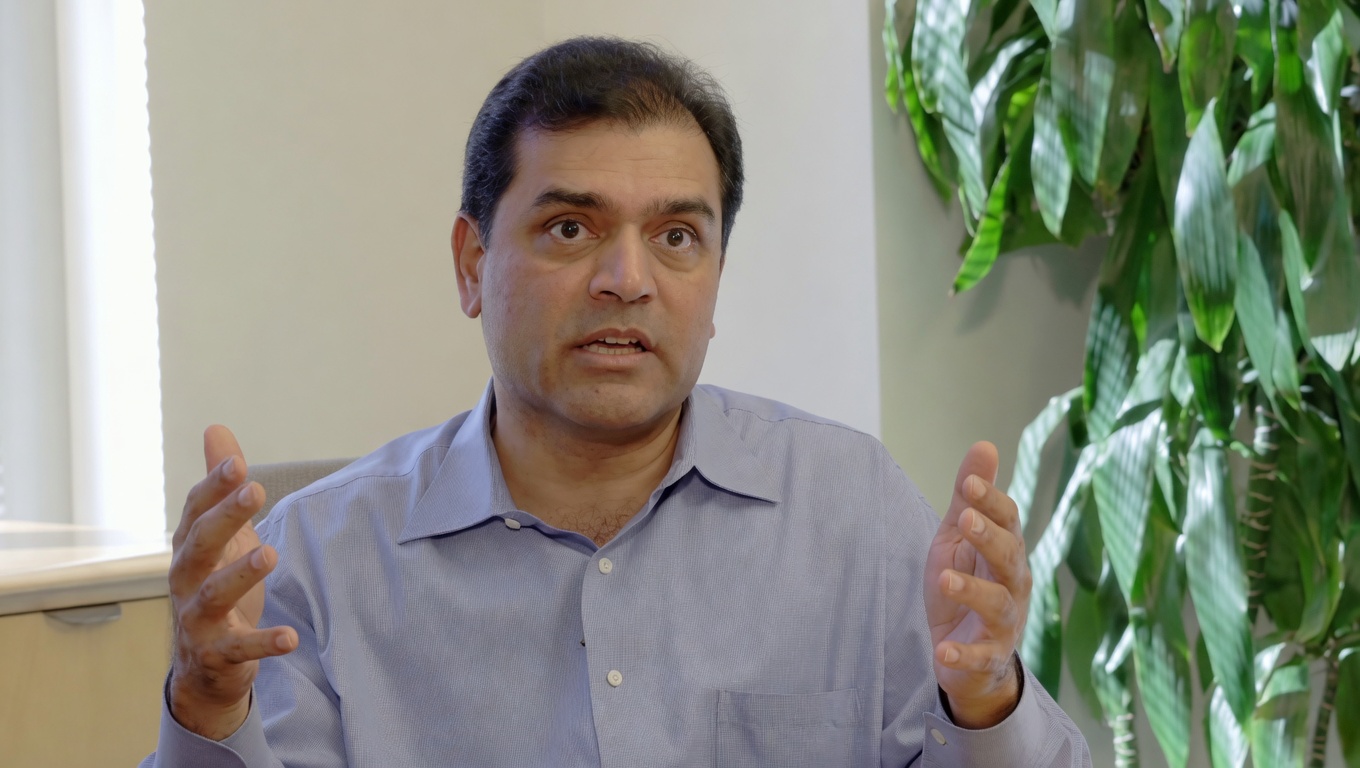
Yatin Mundkur
Yatin Mundkur is a General Partner at Artiman Ventures, a Palo Alto-based early-stage venture fund with over $1 billion under management. With 25+ years spanning semiconductor design, founding a company, and two decades of VC investing, he holds 14 patents and has backed companies through 14 IPOs and 38 acquisitions. He also serves as CEO of Cellworks Group, applying his engineering roots to precision medicine.
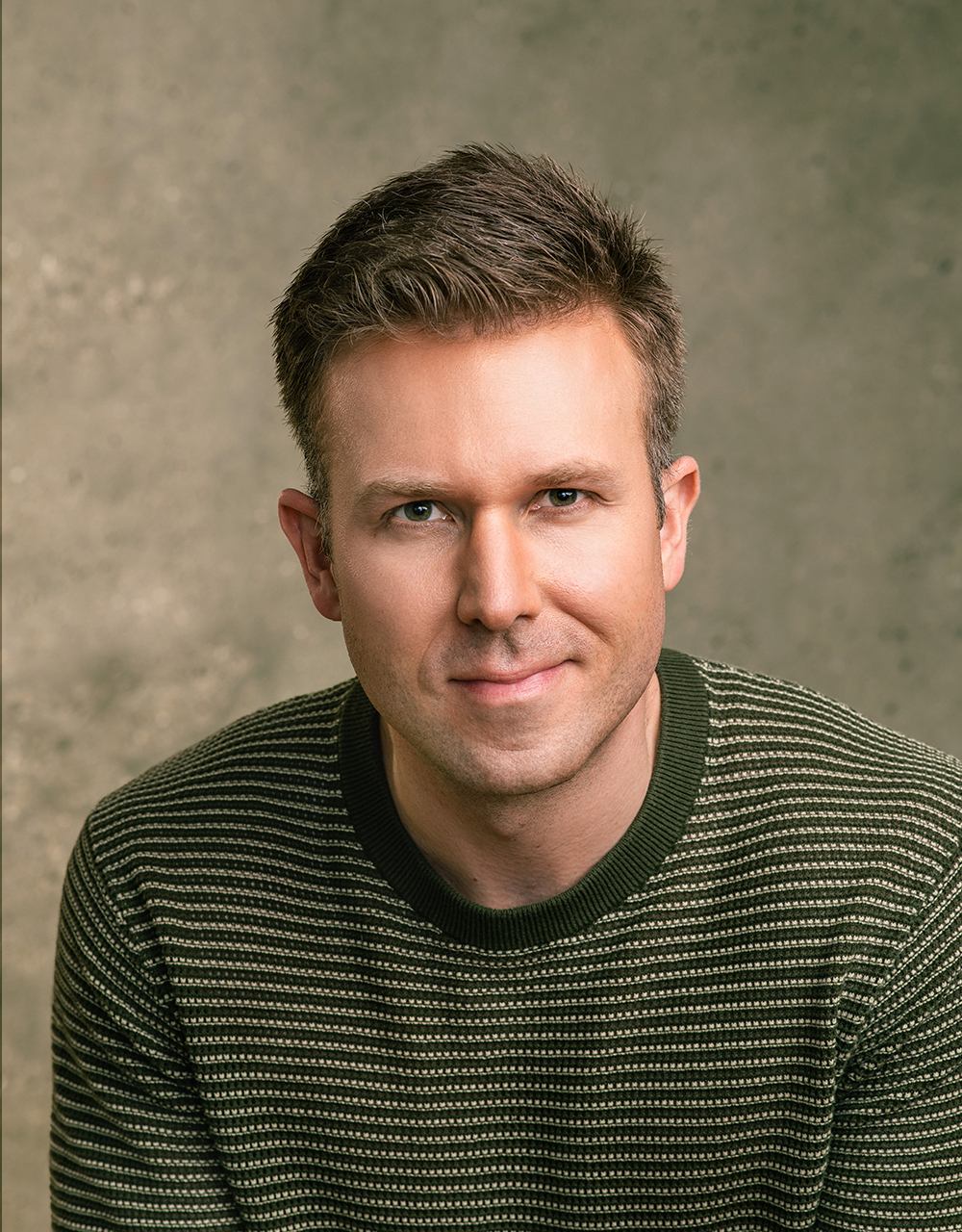
James Hardiman
James Hardiman is a General Partner at DCVC (Data Collective Venture Capital), a deep tech-focused VC firm based in Palo Alto. A physicist by training with a BS in Engineering Physics from UC Berkeley and an MBA from University of Chicago Booth, he has been investing at DCVC since 2013 - backing companies at the intersection of hard science and transformative industry applications. His portfolio spans AI-native biotech, quantum computing, industrial robotics, and advanced materials, with board seats at companies including Lumafield, Q-CTRL, NOETIK, and Slip Robotics. Promoted to General Partner in July 2023, Hardiman brings a rare combination of hands-on technical experience (Lam Research, semiconductor processing) and strategic consulting chops (ZS Associates in healthcare/biotech, Blackstone in M&A) to his work as a deep tech investor.