robot-learning
(13)
What One Robot Can Teach Another
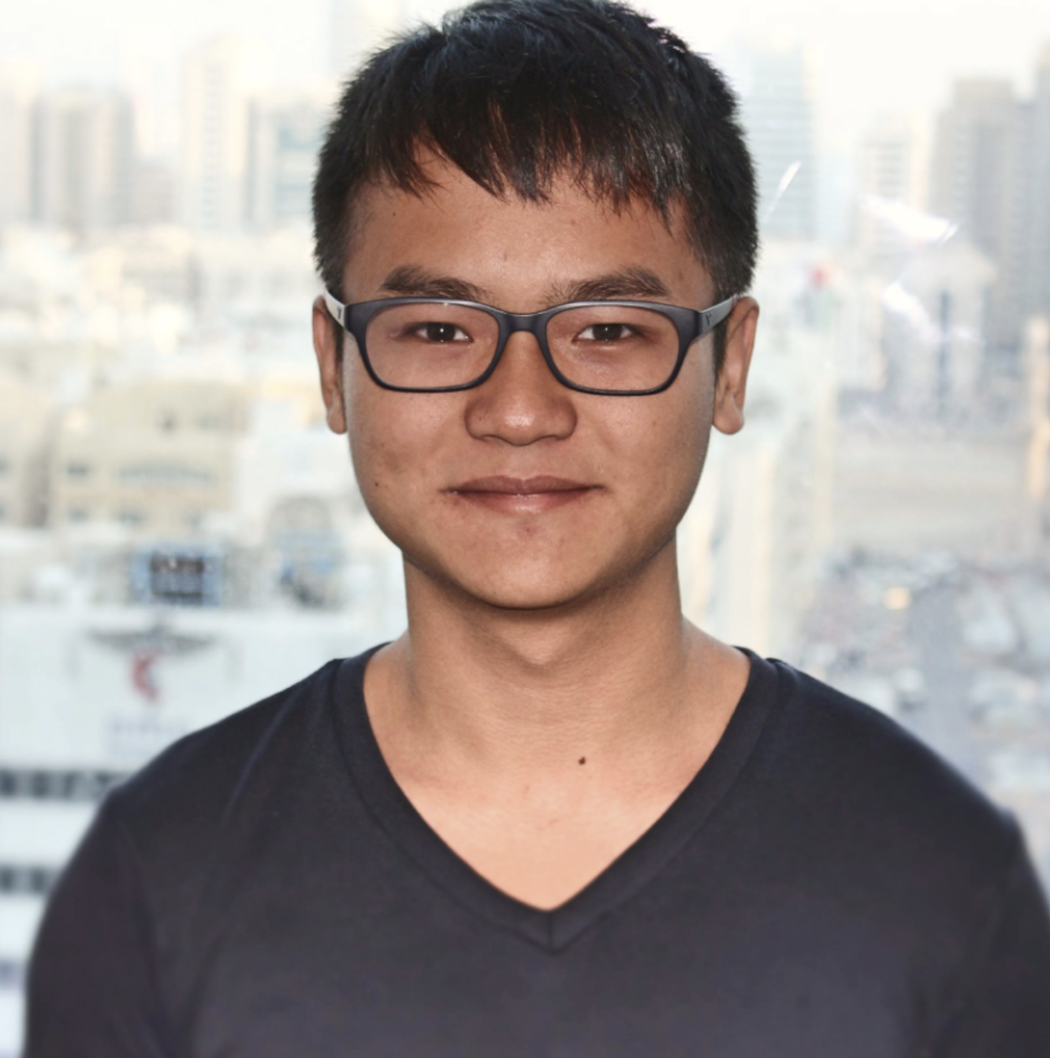
Quan Vuong helped bring robot data from many laboratories into one learning project. At Physical Intelligence, he is pushing the same question further: how much can a machine learn from the experience of others?
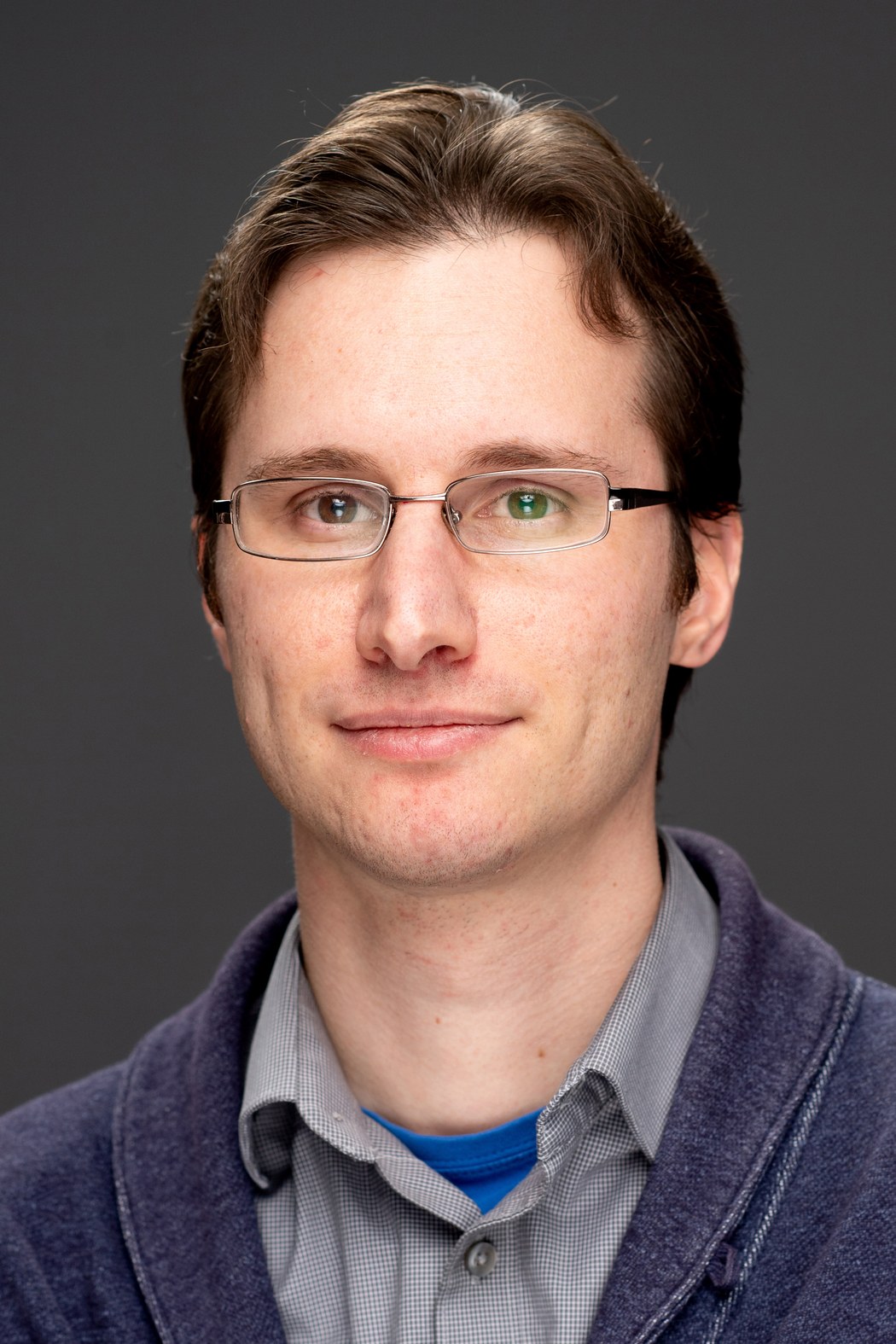
Sergey Levine and the Robot That Has to Do It Again
He came to robotics through computer graphics, then spent a decade asking a deceptively plain question: how can a machine get better at doing things by actually doing them? At Physical Intelligence, that question now has robot arms, coffee orders and chocolate boxes attached.
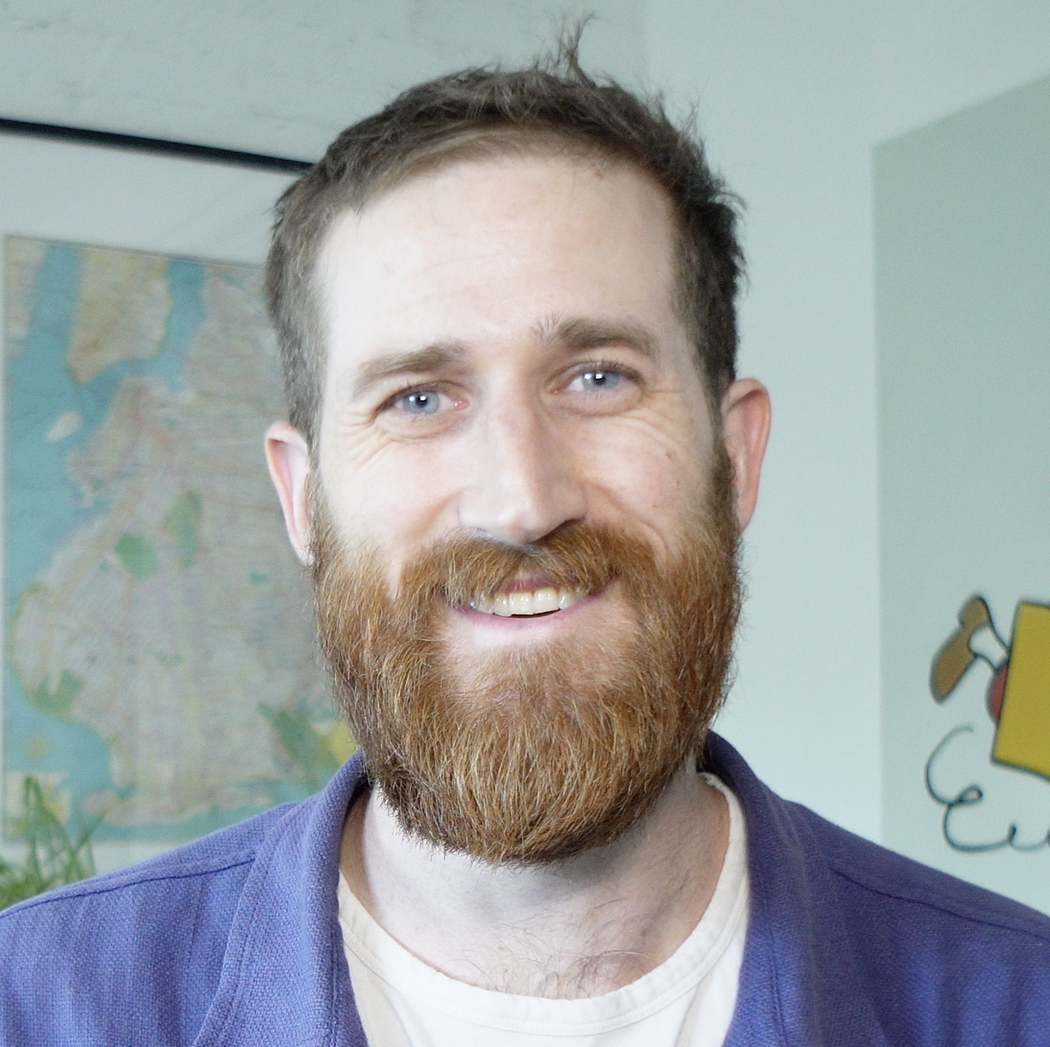
Brian Ichter Has Spent His Career Teaching Robots What to Do Next
He began with motion planning at Stanford, helped connect language to robot action at Google, and now co-founded Physical Intelligence. The common problem is deceptively domestic: can a machine handle the next room, object, or instruction?
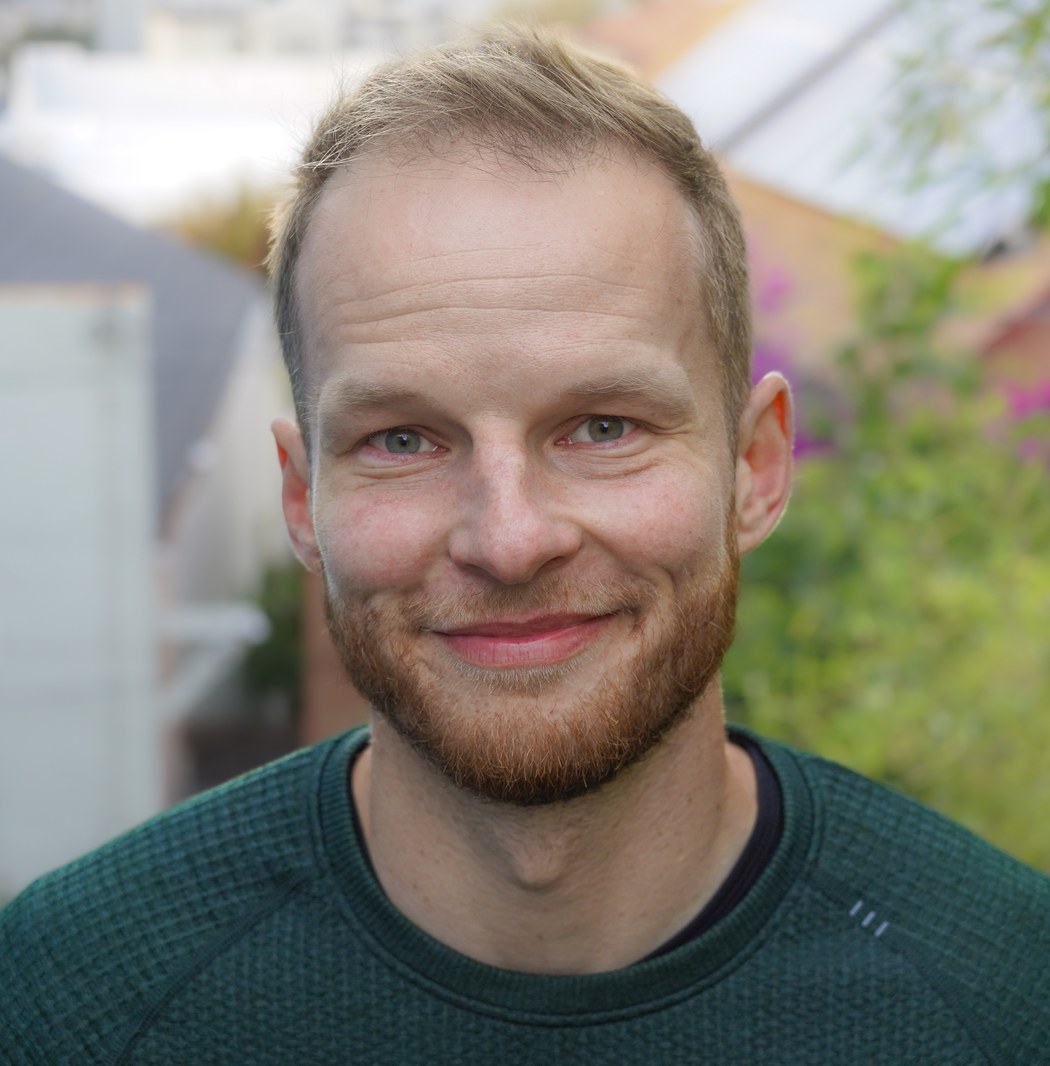
Karol Hausman and the Problem of Teaching Robots to Learn
A Star Wars fascination led a student from Koszalin into the question that still troubles robotics: how does a machine handle an ordinary room it has never seen? At Physical Intelligence, Hausman is betting on experience, shared models, and a great many imperfect attempts.
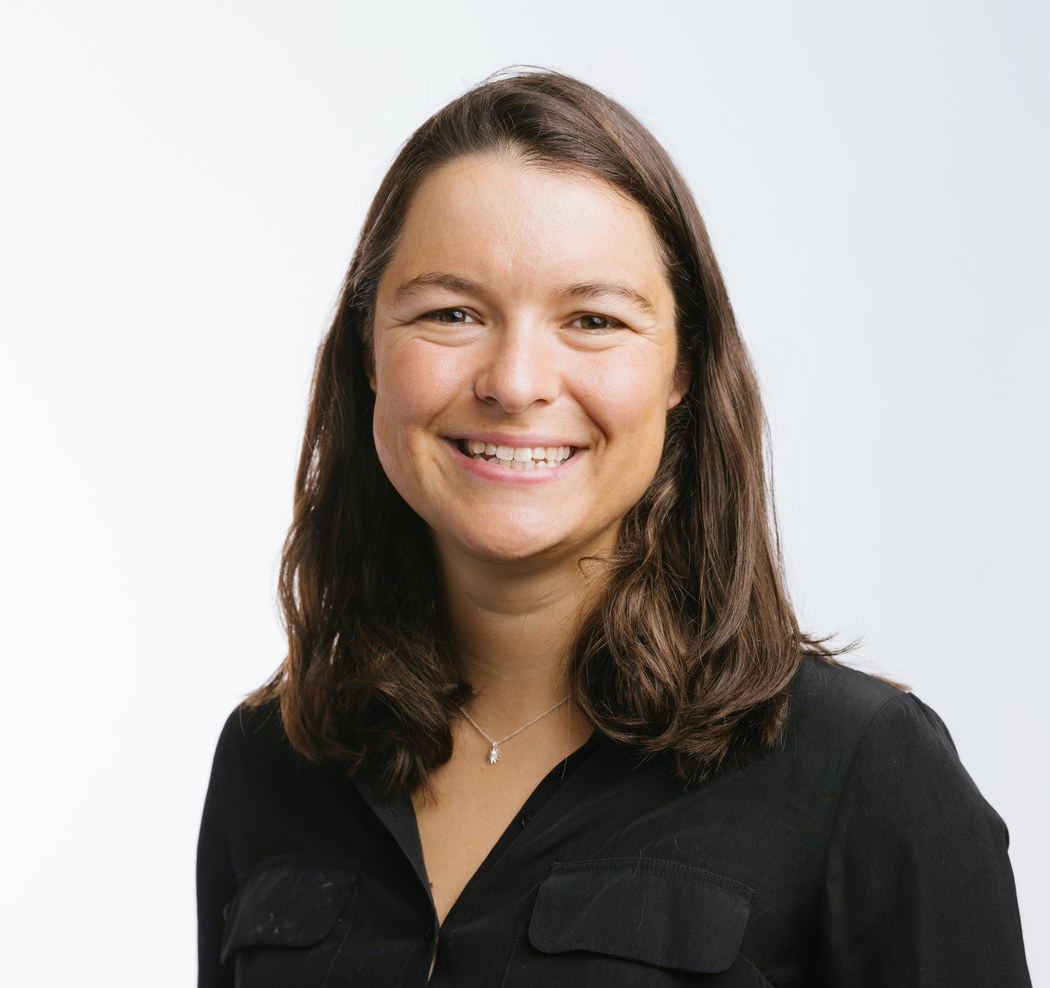
Chelsea Finn Wants Robots to Learn the Next Thing
A childhood LEGO robot led to a larger question: why must every machine learn each chore from scratch? From a 2017 meta-learning paper to Physical Intelligence, Chelsea Finn has spent her career trying to make experience travel.
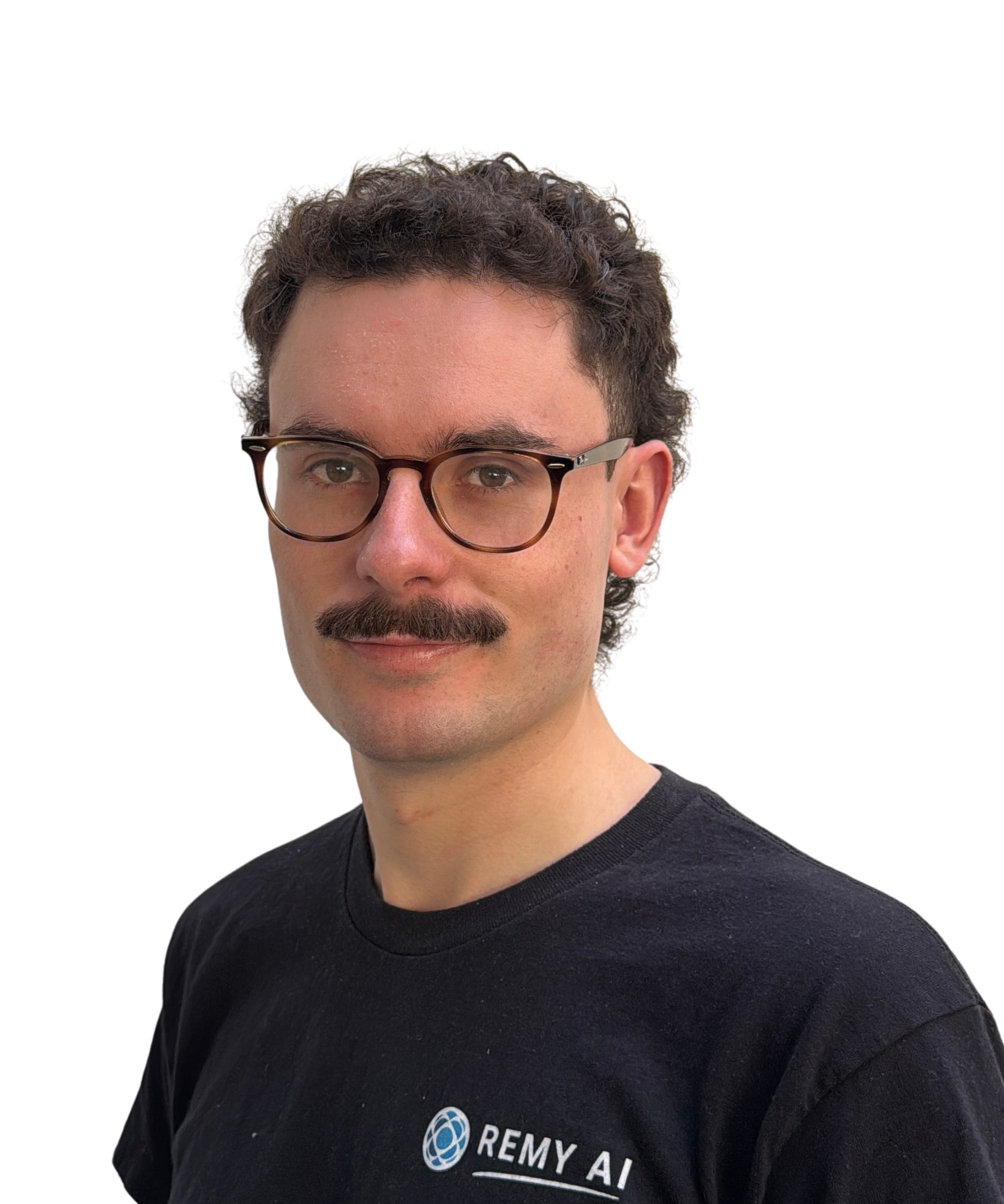
Oscar Brisset Spent 18 Vacation Days Learning to Code. Then He Built a Robot Company.
At Oxford, Oscar Brisset planned on diplomacy. A glimpse of GPT-3, a home-built coding curriculum and an inconvenient warehouse problem sent him somewhere less ceremonial - into the messy work of teaching robots to handle the real world.
Cody Swain Is Teaching Robots to Take Notes
After two crypto startups were undone by forces outside the code, Cody Swain returned to a friendship, a workshop habit and a stubborn question: can robots learn what customers actually mean by “done right”?
Sebastian Peralta
Sebastian Peralta is a physicist-turned-roboticist and co-founder of Mbodi AI, a New York startup teaching industrial robots new skills through plain language and quick demonstrations instead of weeks of reprogramming. A former core engineer on Google Public DNS (8.8.8.8) with a triple major in electrical engineering, computer science, and physics from UPenn, he builds embodied-AI systems where one robot's lesson instantly becomes the whole fleet's. Mbodi won ABB Robotics' global AI Startup Challenge, reached the Startup Battlefield Top 20 at TechCrunch Disrupt 2025, and is rolling out factory deployments with a Fortune 100 consumer-goods partner.
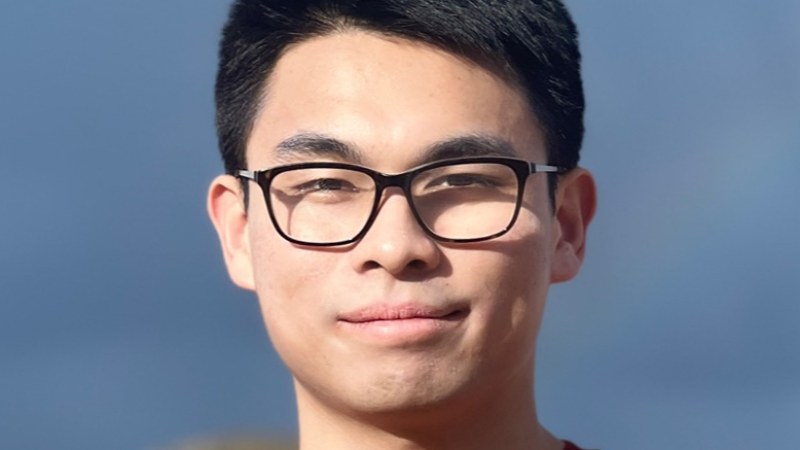
Tao Chen
Tao Chen is the co-founder and CEO of Dexmate, a Santa Clara robotics startup building general-purpose mobile humanoid robots with genuinely dexterous hands. An MIT CSAIL PhD whose research on in-hand object reorientation won the CoRL 2021 Best Paper Award and landed in Science Robotics, Chen left academia to chase a single conviction: that robots will only matter when their hands can do the small, fiddly, human things. Dexmate's first product, Vega, a folding dual-armed robot built in under six months, is his bet that the moment has finally arrived.
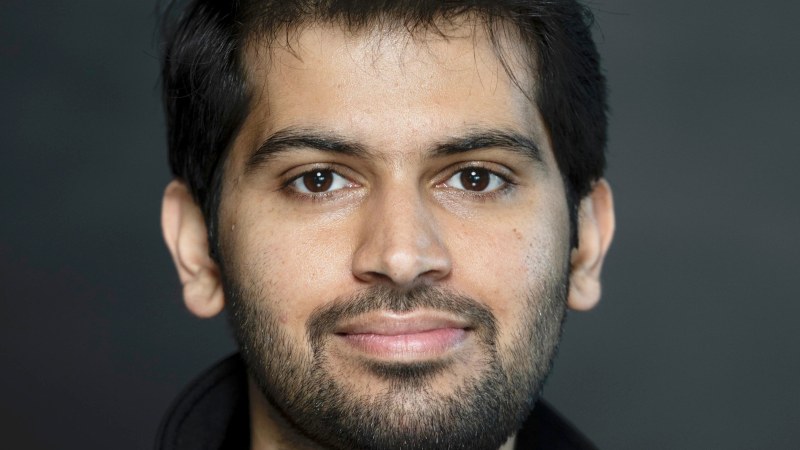
Deepak Pathak
Deepak Pathak is the co-founder and CEO of Skild AI, the Pittsburgh robotics company building a single general-purpose 'brain' that can run any robot from a quadruped to a humanoid. A Raj Reddy Associate Professor at Carnegie Mellon, he earned a gold medal at IIT Kanpur and a PhD at UC Berkeley before betting that physical intelligence, not language, is the real path to AGI. In January 2026 Skild raised $1.4 billion at a valuation north of $14 billion, backed by SoftBank, Nvidia, and Jeff Bezos.
Josh Gruenstein
Josh Gruenstein is the co-founder and CEO of Tutor Intelligence, an MIT CSAIL spinout building AI-powered robots that work alongside people in American factories and warehouses. He leases robots by the hour instead of selling them, betting that fleet-scale learning, not bigger algorithms, is what finally puts a robot in every factory. In December 2025 the company raised a $34M Series A led by Union Square Ventures, bringing total funding to roughly $42M.
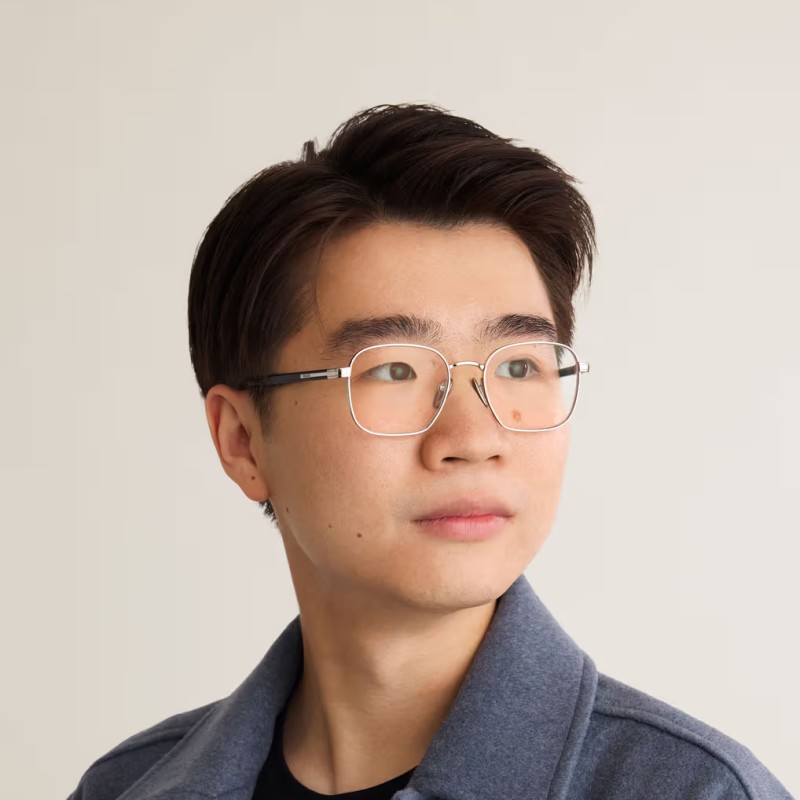
Tony Zhao
Tony Zhao is the co-founder and CEO of Sunday, a Mountain View-based robotics company building Memo - a home robot trained on 10 million episodes of real household routines. A Stanford PhD dropout and UC Berkeley EECS alum, Zhao invented ALOHA and ACT during his doctoral research, open-source frameworks that became foundational to modern robot manipulation. Sunday reached unicorn status in March 2026 with a $165M Series B led by Coatue, putting the company at a $1.15B valuation with a mission to put a helpful robot in every home.
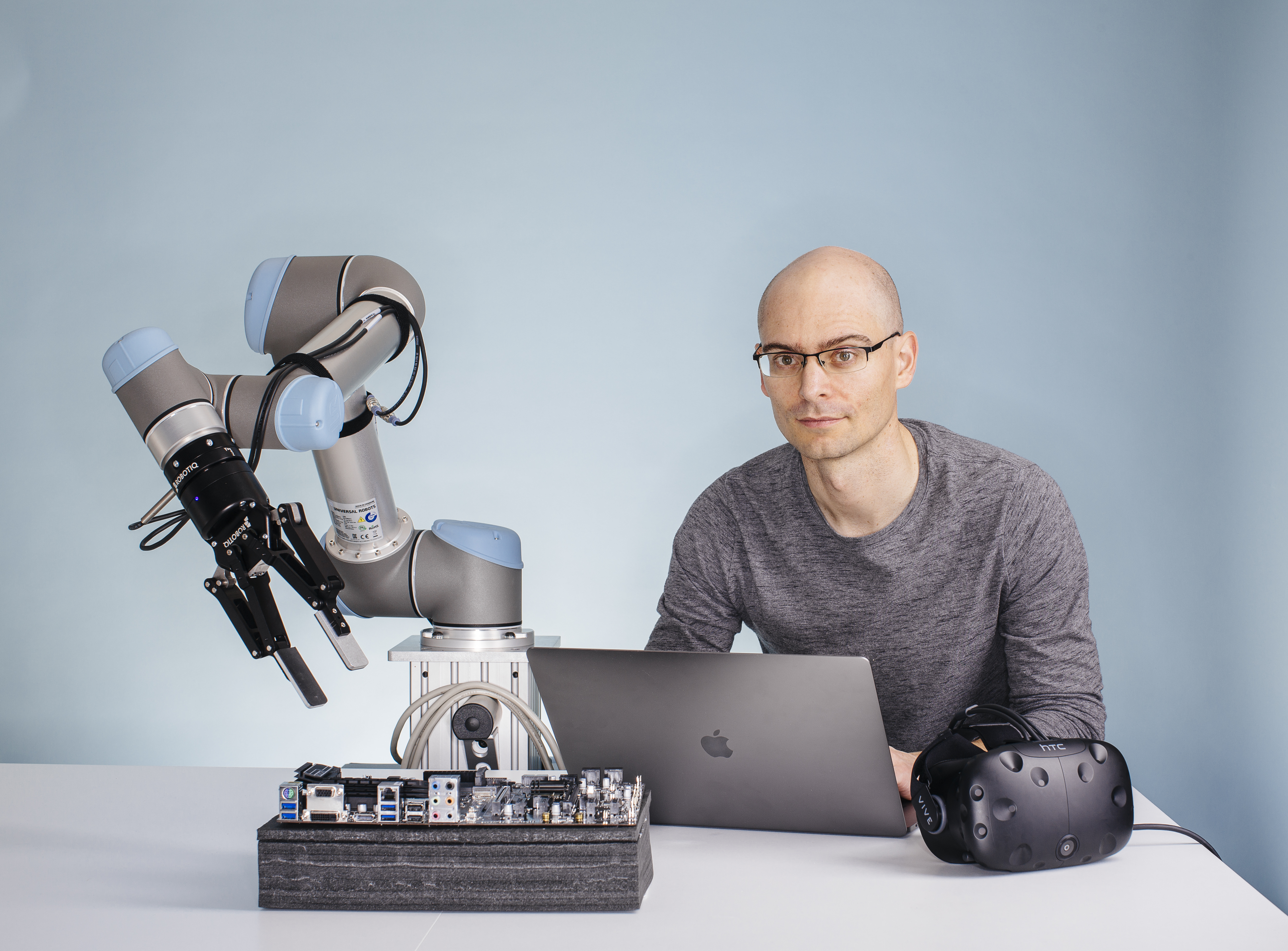
Pieter Abbeel
Pieter Abbeel is one of the world's leading AI and robotics researchers, a professor at UC Berkeley, director of the Berkeley Robot Learning Lab, and co-founder of Covariant. His pioneering work in robot learning through apprenticeship learning and reinforcement learning has shaped modern robotics. His students have co-founded over a dozen AI companies including OpenAI, Perplexity, and Physical Intelligence. In 2024, he joined Amazon to lead frontier model research, and in December 2025 was appointed head of Amazon's LLM efforts within the AGI organization.