recurring-revenue
(36)
Tien Tzuo and the business of being chosen again
He helped Salesforce sell software by subscription, then built Zuora to take the idea beyond software. Along the way, Tien Tzuo discovered that a company’s founder needs an upgrade, too.
APi Group and the business of coming back.
A fire alarm is installed once. Keeping it ready is a recurring job. APi Group has built a global business around that difference.

The power of “skip this month.”
Privé became Recurly Commerce by helping Shopify brands make subscriptions more flexible. Its useful insight: a customer with too much product may need a different schedule, not another discount.
SkySwitch lets the little guy answer big
The phone service wears your name. The machinery belongs to SkySwitch. Inside a communications business built around the local provider who already has the customer’s trust.
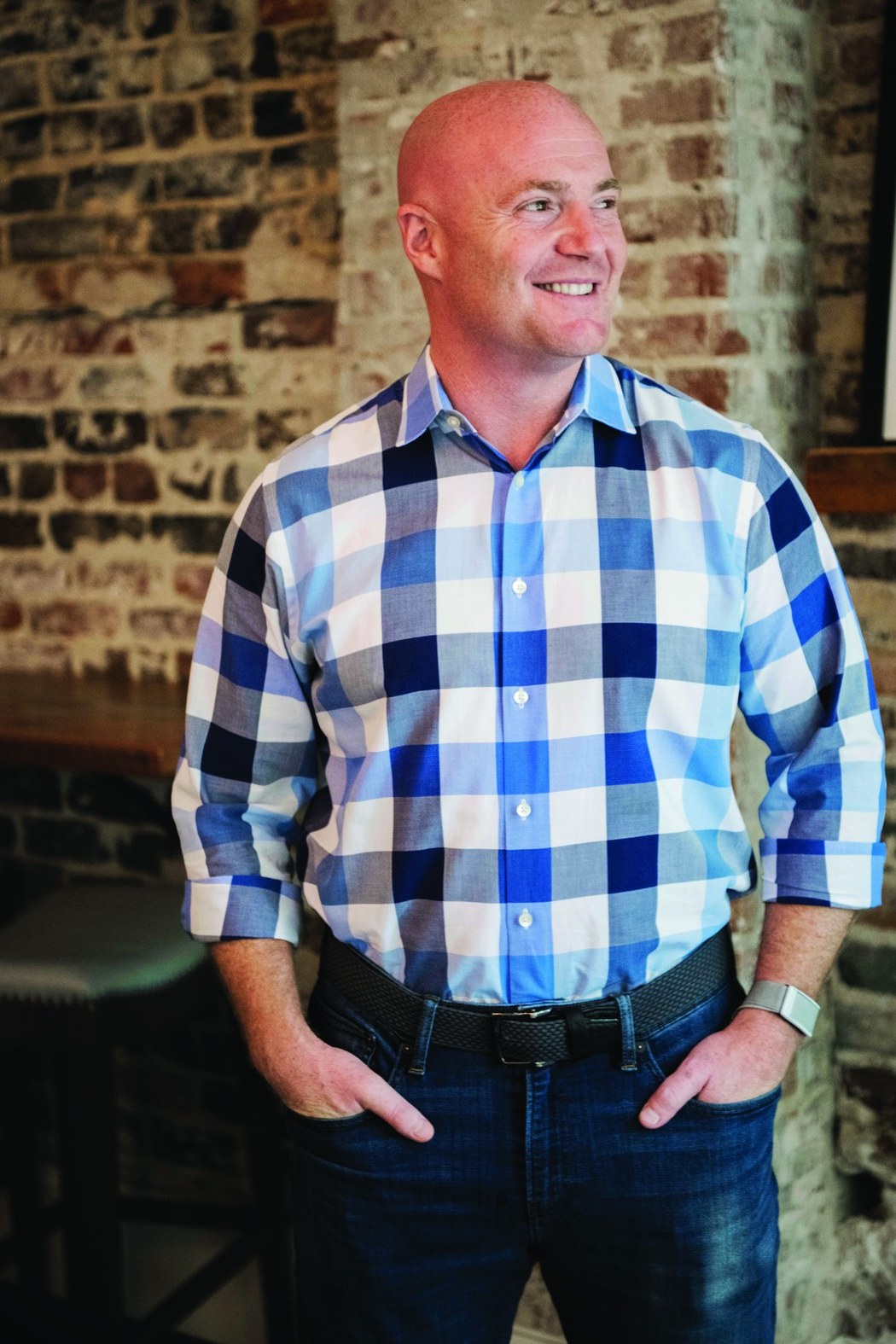
Casey Graham learned to watch the back door
At The Rocket Company, new sales hid a costly problem: customers were slipping away. Casey Graham built Gravy from the repair, then carried the same questions about people, payments and ownership into pool service.
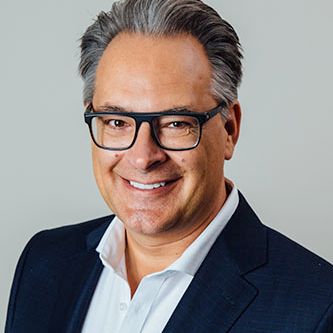
Elroy Gust and the business of coming back
An elevator needs another service visit. A water utility needs another day of reliable operation. Elroy Gust has built Newlook Capital around the work that keeps returning.
Kleer and Membersy: The dentist will subscribe you now
Now called Clerri, the merged company helps dentists sell care by membership. Its revealing trick is making a simple promise survive the complicated life of a dental office.
Newmark Security’s next act starts at the timeclock
The AIM-listed group is betting on the software behind clocking in. A £1 agreement to sell its physical security arm shows how much it is willing to change.
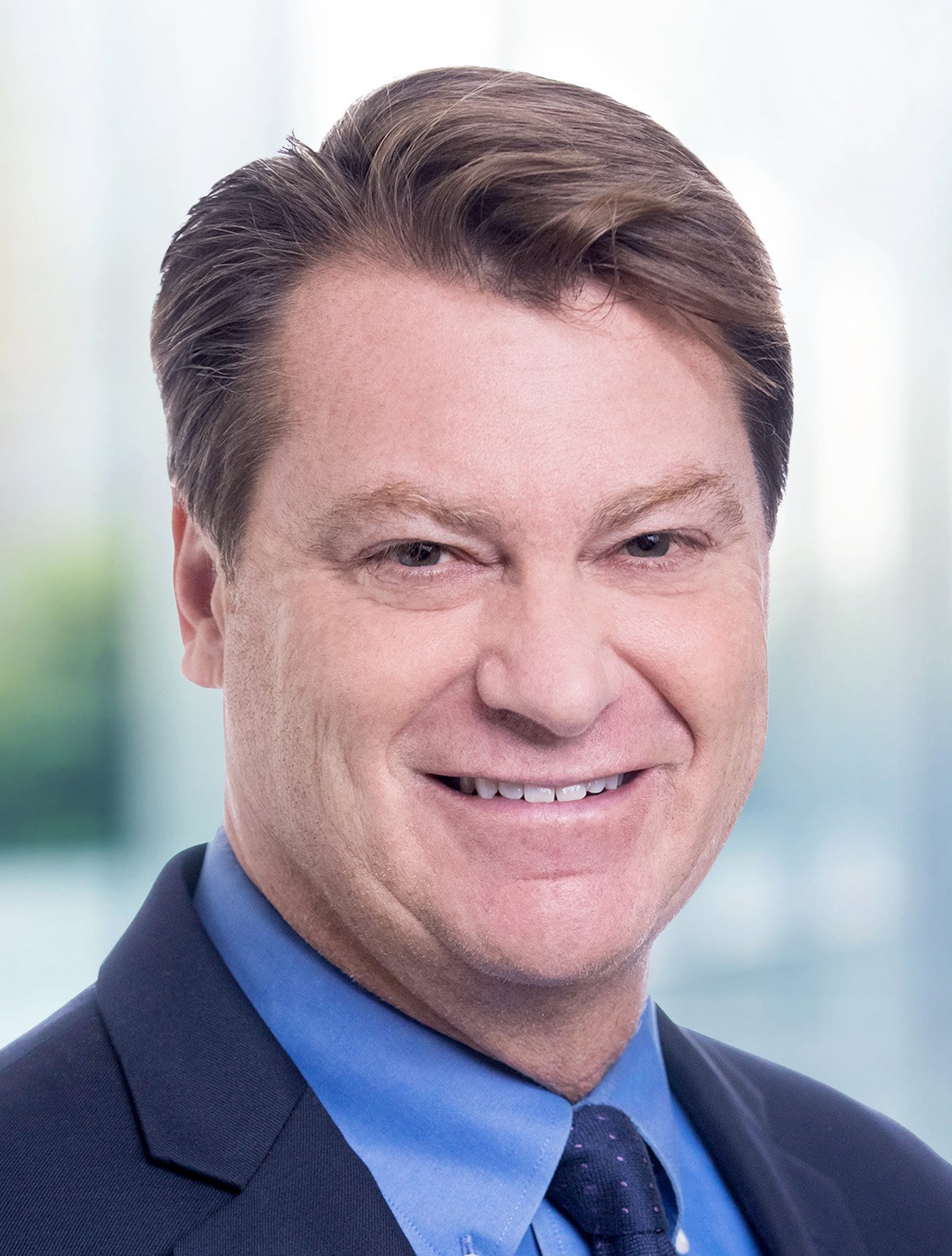
Kevin Maddock Built a Career on the Revenue That Comes Back
For nearly four decades, Kevin Maddock has worked the quiet machinery of enterprise software - renewals, support and the patient arithmetic of keeping customers. His career is a study in why the second sale can matter more than the first.

Zuora Sold the Subscription Economy. Now It Has to Bill the AI Economy.
The company that turned recurring billing into a management philosophy is private again - and betting that AI will make the meter, invoice and ledger more complicated than ever.
Chargebee Wants to Turn Billing From Back-Office Chore Into a Pricing Lab
The Chennai-born software company spent years making recurring invoices less painful. Now it is betting that the hardest part of the AI economy will not be building products - it will be deciding how, when and what to charge.
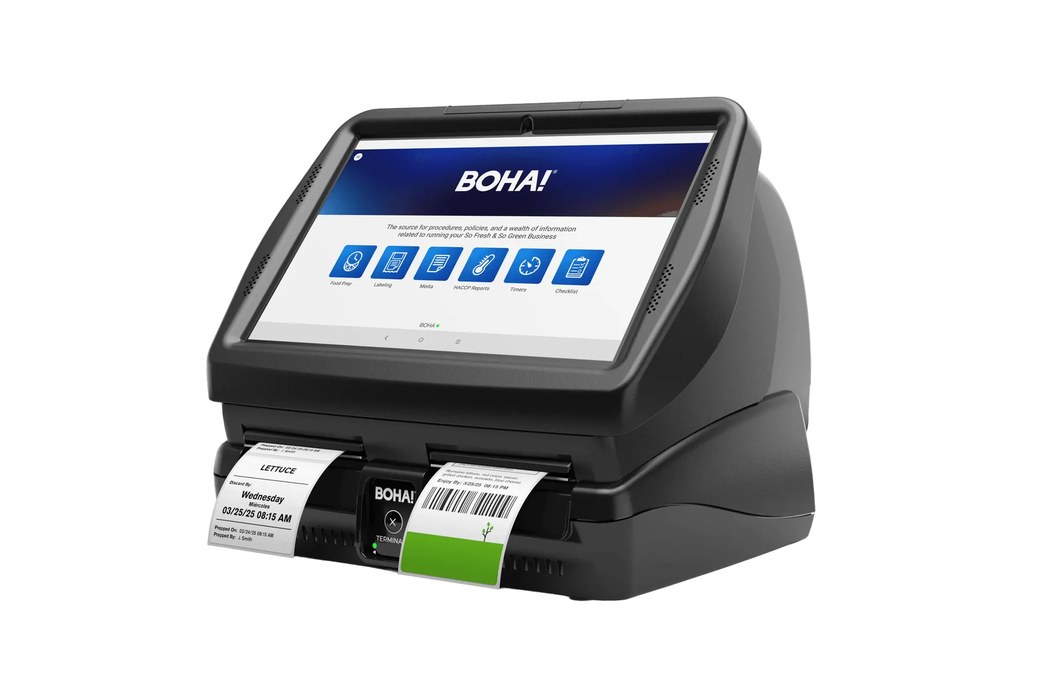
TransAct Paid $3.55 Million to Stop Renting Its Software Future
The 30-year-old printer maker built a useful software business on code it did not control. Now it owns a perpetual license, runs BOHA! on Azure, and is weighing what to do with the casino unit that still pays most of the bills.
Greg Alvo Bet on the Purchase You Never Have to Remember
In 2010, three major online retailers offered product subscriptions. Greg Alvo built Ordergroove for the day the rest of commerce would catch up - and spent the next 16 years turning convenience into infrastructure.

The Lawn-Care Franchise That Turned One Pickup Truck Into a $350 Million System
Weed Man does not mow lawns. It built something more repeatable: a local-service machine where proprietary fertilizer, protected territories and stubborn follow-through turn seasonal grass problems into recurring revenue.

How Three Salesmen Turned Door Knocks Into a $25 Million Bug Business
Three former door-to-door sales managers built RIDD by treating bug spray like a subscription - and automating the busywork away. In four years they went from 6,000 customers to 30,000.

The Billing Engine Behind Your Netflix Habit Just Taught Itself to Think
For 24 years Aria Systems has quietly answered one boring, load-bearing question for the world's biggest companies: how do you charge millions of customers correctly, every month, without the whole thing falling over?

The Company Betting Your Next Purchase Is Already Yours
Ordergroove sells brands a simple, expensive idea: the cheapest customer to acquire is the one who already bought. Here is how a company started in a Manhattan apartment built the plumbing behind the subscribe-and-save button.

The Quiet Buyout Shop That Bets on the Pipes, Towers, and Billboards Nobody Notices
For almost 30 years, a small team in Lower Manhattan has quietly built and sold the unglamorous infrastructure of American communications and media - and made a business out of the boring.
The Growth Investor With a Four-Number Test for Software
Arsenal Growth Equity does not hunt for the loudest software company in the room. It looks for the one already doing $5 million-plus in revenue, growing 25% a year and keeping 90% of its customers - then writes a check designed to preserve control.
The Firm That Bets on Founders Who Never Took a Dime
For 22 years, Mainsail Partners has written checks to software founders who bankrolled their own companies - then handed them an operating team instead of a lecture.
Catalyst Investors Built a Growth Machine for the Awkward Middle
The New York firm has spent more than two decades in the least cinematic part of company building: turning proven B2B products into durable businesses. Its edge is a patient, research-led playbook for the years after product-market fit.
The Denver Firm That Buys Companies Nobody Else Wants to Fix
It writes checks of $25 to $75 million for lower-middle-market companies most investors find too complicated, then spends its time on the operational grind others skip. Its own pitch: 'Profitability Not Required.'
The Fund That Never Sells: How Tide Rock Turned 21 Boring Businesses Into a $1 Billion Machine
Most private equity firms rent companies for five years and flip them. Tide Rock buys them with cash, keeps them forever, and mails owners a check every quarter. It is a quieter idea - and it has compounded into more than a billion dollars of buying power.
Stone-Goff’s Bet: Turn Expertise Into a Product
Stone-Goff Partners backs profitable B2B service firms, then helps them package hard-won know-how into technology, subscriptions and repeatable systems. Its $175 million fourth fund puts a disciplined lower-middle-market thesis behind that transformation.

The Quiet Operating System Behind Your Blowout, Massage and Lash Refill
Five familiar storefronts share one less-visible machine. WellBiz Brands is betting that memberships, common technology and local ownership can make personal care more repeatable - for guests and franchisees alike.

Patreon
The company that turned the 'starving artist' into a subscription business - and quietly paid creators more than $10 billion while the rest of the internet fought over ad money.

Enghouse Turns Unloved Software Into a Cash Machine
While NICE, Talkdesk, Amazon and Microsoft spend to win the AI contact-center race, Enghouse Systems keeps buying mature software companies and holding roughly 69% recurring revenue at 27% margins. The Markham compounder is boring on purpose.

Timah Partners
Timah Partners is a Singapore-based permanent holding company that acquires essential, recurring B2B SMEs across Southeast Asia and holds them for the long term, with no intent to flip. Founded by Dennis Chua, it pairs patient capital with a CEO Succession (CEO-in-Training) program that develops the next generation of operators to run its portfolio companies. The firm positions itself as a permanent home for owners who lack a succession plan, prioritizing culture, founder legacy, and operational stewardship over quick exits. It closed a US$50 million Series A in June 2025.
Whop
Whop is a New York-based social commerce platform and marketplace where creators, influencers, and small businesses sell digital products, memberships, online courses, software, and access to private communities. Founded in 2021 by three friends who grew up building sneaker bots, Whop bundles storefront building, payments, community tools, and marketplace discovery into one no-code product. By early 2026 it had processed billions in cumulative sales, powered tens of thousands of sellers, and raised a $200M investment from Tether at a $1.6 billion valuation.
Gravy
Gravy is an Atlanta-area fintech that recovers failed subscription payments for recurring-revenue businesses. Instead of leaning only on automated dunning software, Gravy pairs workflow automation with U.S.-based retention specialists who personally reach out to customers whose cards declined - by email, text and sometimes a live agent. Founded in 2017 by Casey Graham and Renee Weber, the company says it has returned more than $500 million to hundreds of clients and lifts recovery rates from the industry-typical ~15% toward 80%.