real-estate-technology
(51)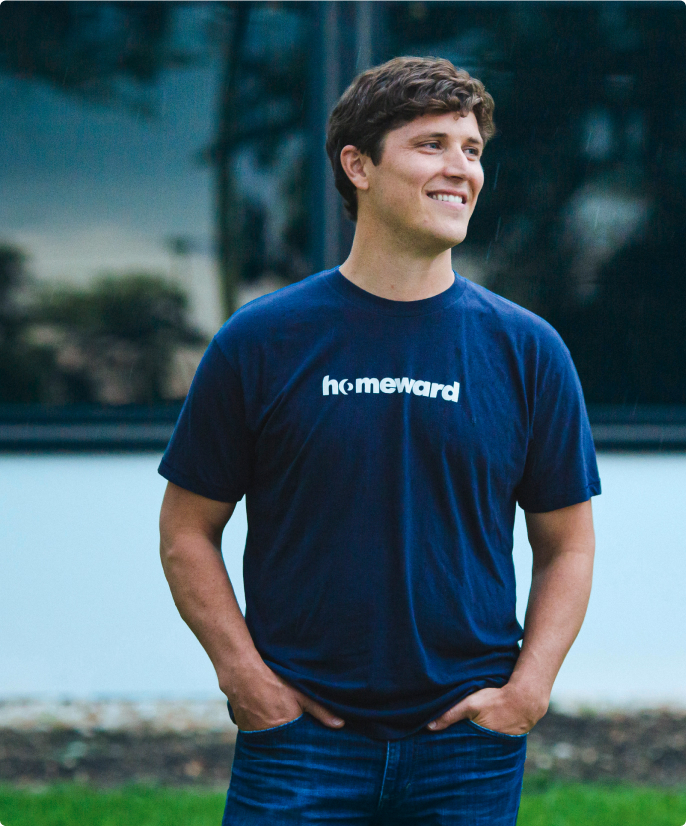
Tim Heyl and the House He Bought Twice
He began with cold calls, built a billion-dollar agent team, then put his own savings behind a stranger's move. Tim Heyl's career is a study in what happens when a salesman learns to build systems - and when those systems meet a market that refuses to sit still.

Doug Brien and the Long Game
A placekicker learns to live with the lonely arithmetic of consequence. Then he carries the lesson from an NFL sideline into thousands of American houses.

Five Yeses Before a Single Line of Code
Malte Kramer sold the promise first, then built the product. A decade later, the former college forward is still running the same play: watch closely, test early, and make technology earn its place.
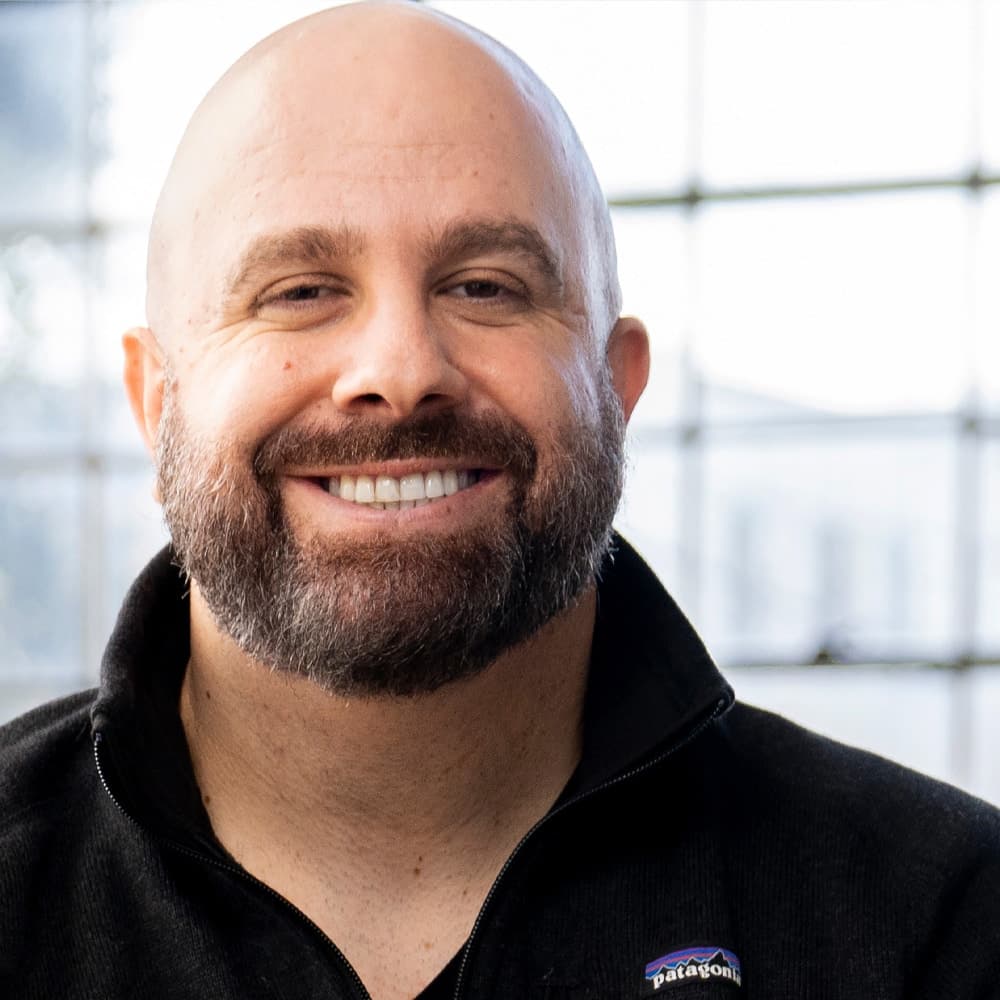
Guy Gal and the Power of Staying Out of Sight
A bad home purchase made Guy Gal suspicious of real estate. A good agent made him reconsider - and inspired a company designed to disappear behind the people doing the work.
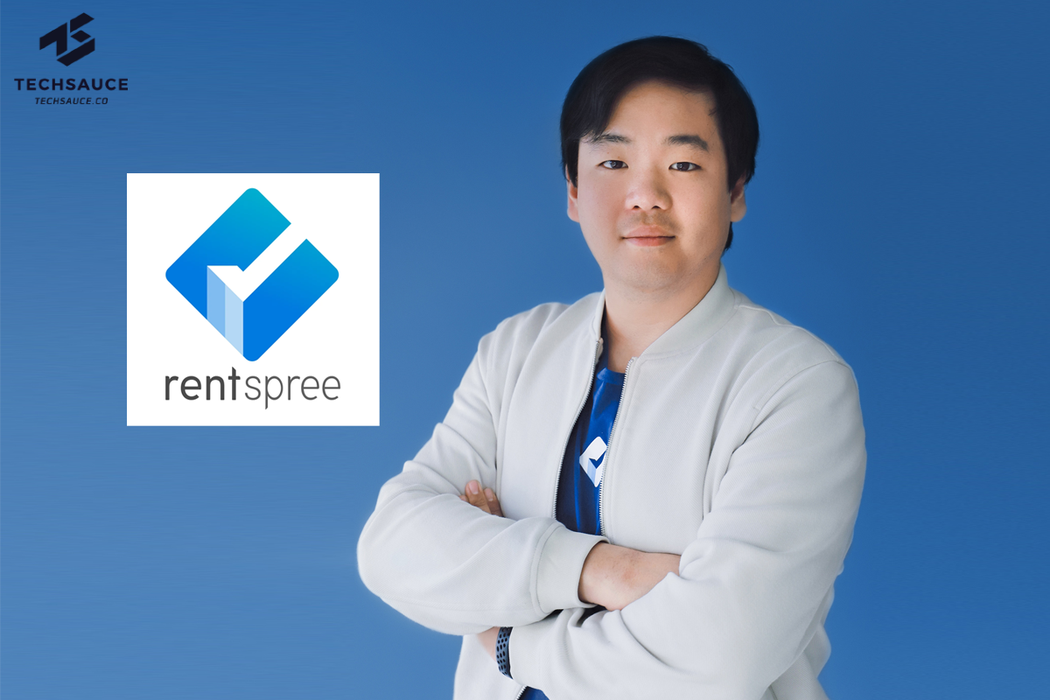
Ekabutr Sirisuphang and the Ten-Year Lesson Hidden in a Rental Form
A broken rental process gave Ekabutr "Paul" Sirisuphang and a business-school friend an idea. The harder invention came later: learning to operate a company that grew faster than its founders' old job descriptions.

Elizabeth Conn Knows a Wire Transfer Is Never Just a Number
At 20, she wired every penny she and her husband had into their first home. Now CertifID’s chief marketing officer is building the message, team, and customer experience around keeping that leap of faith safe.

Liz Lilly Made an Invisible Risk Impossible to Ignore
At Flueid, Liz Lilly has the peculiar marketing job of making title risk understandable before it becomes expensive. Her route from agency communications to the C-suite is a study in translating complexity without sanding away the truth.

Lisa Lausten Counts What Marketing Owes Its Customers
She began with audit sheets, learned brand craft in consumer goods and found her digital education at AOL. Now the Lone Wolf CMO is applying one durable idea to proptech: listen closely, simplify the work and make the numbers answer to people.

Jack Markham Wants Real Estate Marketing to Earn the Next Conversation
After two decades in sales, coaching and platform operations, Inside Real Estate's CMO has a practical thesis: leads are plentiful, but consistent engagement is scarce.

Kim Koraca Is Teaching Real Estate AI to Notice What Humans Miss
After two decades marketing real estate software, Kim Koraca has arrived at a practical theory of AI: the useful kind should return attention to people, not demand more of it.

Sandra Carvalho Is Teaching Commercial Real Estate to Move at the Speed of Ambition
After a career translating technology at IBM, Bloomberg, Technicolor, CoreLogic and Xperi, Crexi's CMO has a new brief: make commercial real estate's hidden advantages available to more people.

Brian Maughan Is Making the Invisible Machinery of Homeownership Visible
He spent two decades turning title insurance from closing-table paperwork into a product, a platform and, lately, a story worth hearing. His playbook is simple: make trust easier to use, then show people why it matters.
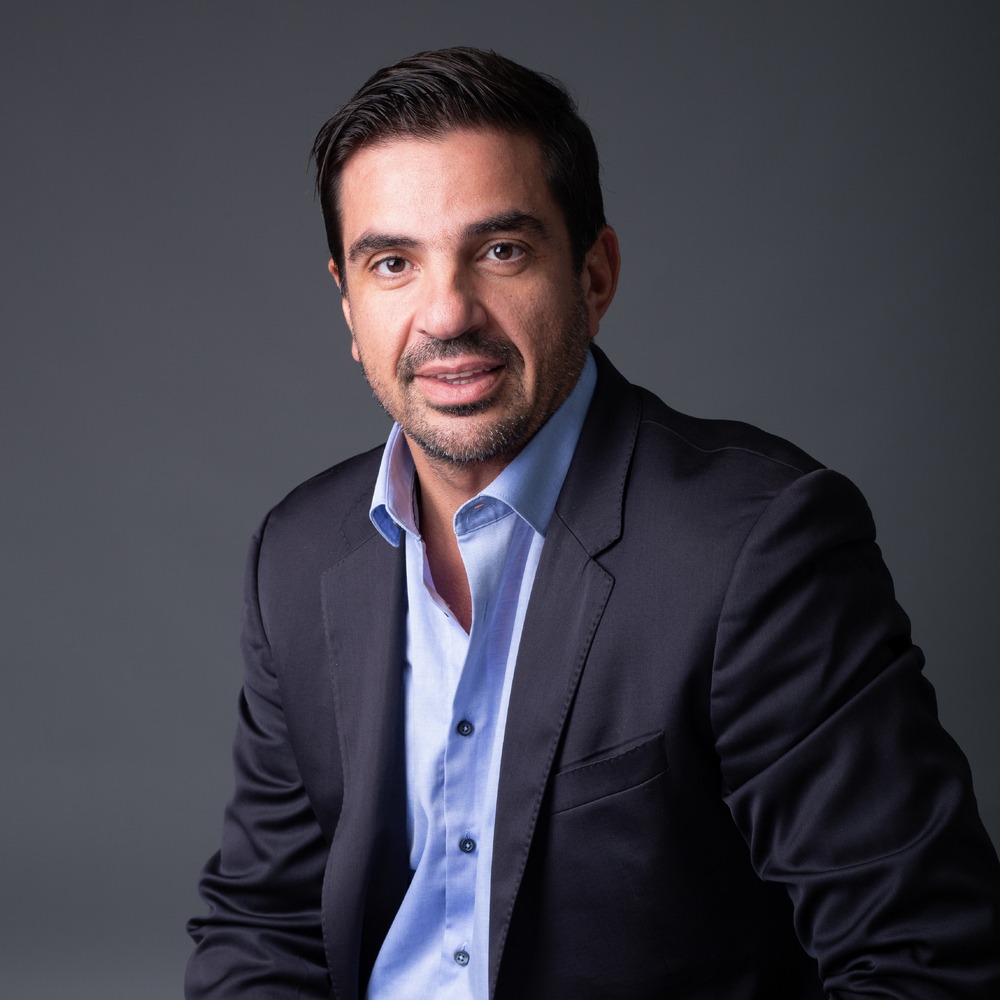
Antonis Markopoulos Tried to Buy a Plot. The Paperwork Became His Next Company
A bad property search sent a telecoms PhD back to first principles. Prosperty is his attempt to replace real estate's scavenger hunt with data, workflow and a little less wasted time.

Greg Schwartz Left Zillow to Fix the Most Anxious Hour in Homebuying
After 12 years building Zillow's marketplace, Schwartz traded scale for a blank sheet of paper. At Tomo, his wager is that a mortgage can feel less like paperwork with a deadline and more like a service designed for an actual person.

April LaMon Put the Neighborhood in Your Pocket
She entered app development at 50, started with one unusually demanding customer, and built Alosant by treating software as a place where real neighbors meet.

Ale Resnik Is Rewriting the Rules of Renting - One System at a Time
After Beepi’s collapse, the Argentine engineer did not retreat from difficult marketplaces. He chose a more intimate one: the place people call home.

Jonathon Barkl Is Teaching Parking Lots to Pay Attention
A student parking problem became a lesson in door-to-door sales, operational grit, and the value of seeing what everyone else ignores. Now AirGarage is using parking as the first test of a larger idea: physical real estate can behave like software once it becomes observable.

The Engineer Who Learned to Sell the Story
An electrical engineer from the University of Illinois who talked his way out of the lab and into the room where the story gets told. Twenty-five years later, he runs marketing for one of proptech's biggest names.
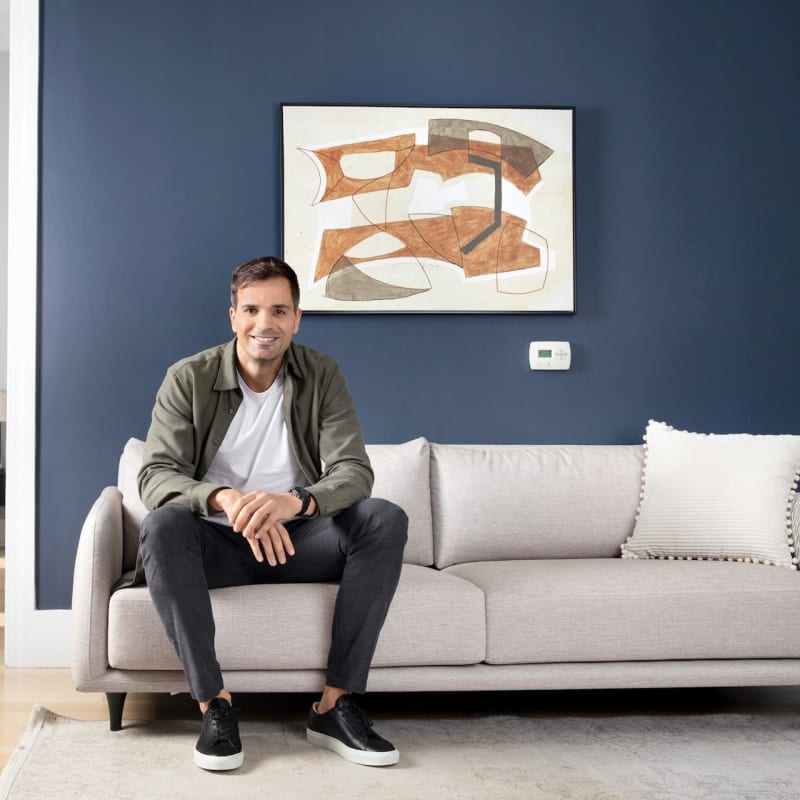
Alex Chatzieleftheriou
He spent five years living out of hotel rooms as a consultant. Then he built the company that lets you move into a city with nothing but a suitcase.

Takeshi Homma
Takeshi (Ted) Homma is the founder and CEO of HOMMA Group, a Palo Alto smart-home designer, developer and builder he started in 2016. Descended from a Japanese family with fifteen generations in the building trades, he spent years at Sony and Rakuten before setting out to build what he calls a 'housing version of Tesla' - turnkey homes with proprietary, AI-driven technology woven into modern architecture. HOMMA has delivered pre-configured smart-home communities in Portland and proof-of-concept units in Boston, and partnered with a Mitsubishi Corporation subsidiary to scale the idea.

Cayce Ullman
Cayce Ullman is the CEO and co-founder of ListingSpark, an Austin-based real estate technology company that lets homeowners list, market, and sell their properties for a flat daily fee instead of a traditional agent commission. Before ListingSpark he spent more than two decades building software and engineering teams, including co-founding the media platform Plex, leading product development at security firm AlienVault, and holding engineering roles at Cisco's IronPort division and E*TRADE. He holds a computer science degree from the University of Southern California and blends deep technical experience with a consumer-first approach to selling homes.

Chase Garbarino
Chase Garbarino is the co-founder and CEO of HqO, a Boston-based proptech company whose software helps commercial landlords manage the tenant and workplace experience across hundreds of buildings worldwide. Before HqO, he built and sold Streetwise Media, the company behind local innovation-news brands like BostInno and AmericanInno, and later founded VentureApp. A lifelong Boston sports fan and runner with an entrepreneurial streak going back to reselling Pogs in fifth grade, Garbarino has spent more than a decade using technology to build networks and communities for startups, small businesses, and now the commercial real estate industry.

Chen Konfino
Chen Konfino is the founder and CEO of Younity, a New York-based PropTech company that rebuilds the communications backbone of residential and commercial buildings. Founded in 2018, Younity delivers property-wide intelligent WiFi, building-system monitoring, and cyber protection through a single software platform, turning connectivity into a source of net operating income for property owners. Before Younity, Chen was product and IT manager at data-security firm Vaultive, which was acquired by CyberArk, and earlier served in the Israel Defense Forces' Military Intelligence. He blends a security-first engineering mindset with a bet that reliable, always-on connectivity is now core building infrastructure.

Ed Wolff
Ed Wolff is the CEO and board member of Aerwave, a Dallas-based company that builds and operates managed Wi-Fi networks for multifamily apartment communities. A multifamily-industry veteran with more than 25 years in real estate and technology, he joined Aerwave in 2024 as president and chief revenue officer before stepping into the CEO role, and has led the company through a Series B raise, expansion across dozens of U.S. markets, and recognition as a Broadband Communities Multifamily Partner of the Year. Wolff's earlier career spans senior roles at LeaseLock, RealPage, Cortland, Pinnacle, and Place Properties.

Georgianna Oliver
Georgianna W. Oliver is the founder and CEO of Tour24, a Massachusetts-based proptech company whose platform lets prospective renters take self-guided, app-driven tours of apartment communities without an on-site leasing agent. A serial entrepreneur with a two-decade track record, she previously built and sold EverGreen Solutions and AptBudget (both to RealPage) and Package Concierge (acquired by Gibraltar Industries). She holds two patents for self-guided tours and has been recognized as a 2024 Mass Technology Leadership Council CEO of the Year honoree and a 2025 Female Trailblazers of SaaS Award winner.

Matt Barba
Matt Barba is the co-founder and CEO of Placester, a Boston-based SaaS platform that gives real estate agents and brokers websites, IDX/MLS integration, CRM, and marketing automation. He started coding as a kid, worked as a Boston real estate agent while at BU, built a widely used WordPress real estate plugin called Builder, and launched Placester in 2011 with CTO Frederick Townes. The company raised roughly $115M across rounds from NEA, Romulus Capital, and Techstars. Barba appeared on the Swanepoel POWER 200 list of top real estate industry leaders in 2015, 2016, and 2017.

Michael Mandel
Michael Mandel is the co-founder and CEO of CompStak, a New York-based commercial real estate data platform that crowdsources lease and sale comparables from brokers, appraisers, and researchers, then sells verified analytics to landlords, lenders, and investors. A former Grubb & Ellis broker who got tired of chaotic Monday-morning comp-swaps, he launched CompStak in 2012 with Vadim Belobrovka and has since raised roughly $89M and built a national platform used across every major U.S. market.

Rob Hayden
Rob Hayden is the CEO and co-founder of Renew, a New York based AI powered retention platform for multifamily and single family rental operators. He co-founded the company in 2021 with Kevin Murphy after both worked together at rental insurance startup Jetty. In October 2025 Renew closed a $12 million Series A led by Haymaker Ventures with participation from Goldcrest Capital and Upfront Ventures, bringing total funding to roughly $20 million and financing the launch of the industry's first Resident Referral Network.
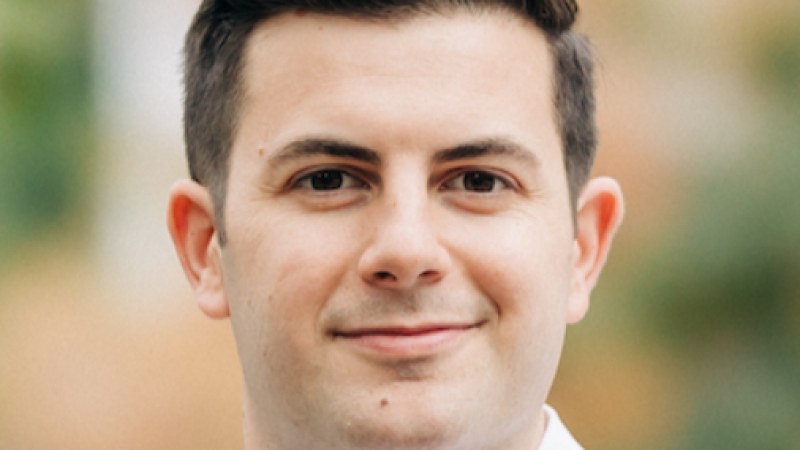
Ryan Barone
Ryan Barone is the co-founder, CEO, and CTO of RentRedi, a New York-based property management platform he started in 2016 after failing to secure an apartment because gathering application documents was miserable. RentRedi now serves nearly 200,000 landlords and renters, manages tens of billions in assets, and has raised more than $17M across seed and Series A rounds. Barone still writes code, still runs the company, and still argues that landlord software should not feel like a spreadsheet with a login.

Stephen Carroll
Stephen (Steve) Carroll is the co-founder and CEO of Findigs, a New York proptech company that turns rental tenant screening into an autonomous leasing decision. A former Wall Street structured-products salesman who then ran ops at the restaurant startup Seated, Carroll built Findigs after a bank quietly stopped mailing his rent checks and nearly got him evicted. The company started as a free consumer rent-payment app validated in NYC bars with Typeform surveys, then pivoted to B2B software. As of 2026 it powers roughly 400,000 rental units, has raised about $80M including a $32M Series C, and pitches operators on cutting evictions by up to 80%.