quality-assurance
(62)
Switch Software Knows Where the Hours Go
Idle cloud servers. Repeated invoice entry. Timesheets nobody enjoys. The Uruguayan software company has built a business tackling the expensive chores hiding inside banks, insurers and retailers.
Global App Testing Finds the Bugs That Look Like Lost Customers
A failed payment can masquerade as a change of heart. Global App Testing sends people into the markets, devices and conversations where software quietly lets users down.
Digivante wants the bugs before your customers get them
The British testing company puts real people on real devices to find the faults that derail digital shopping. Its proposition: more eyes on a release, fewer surprises at checkout.
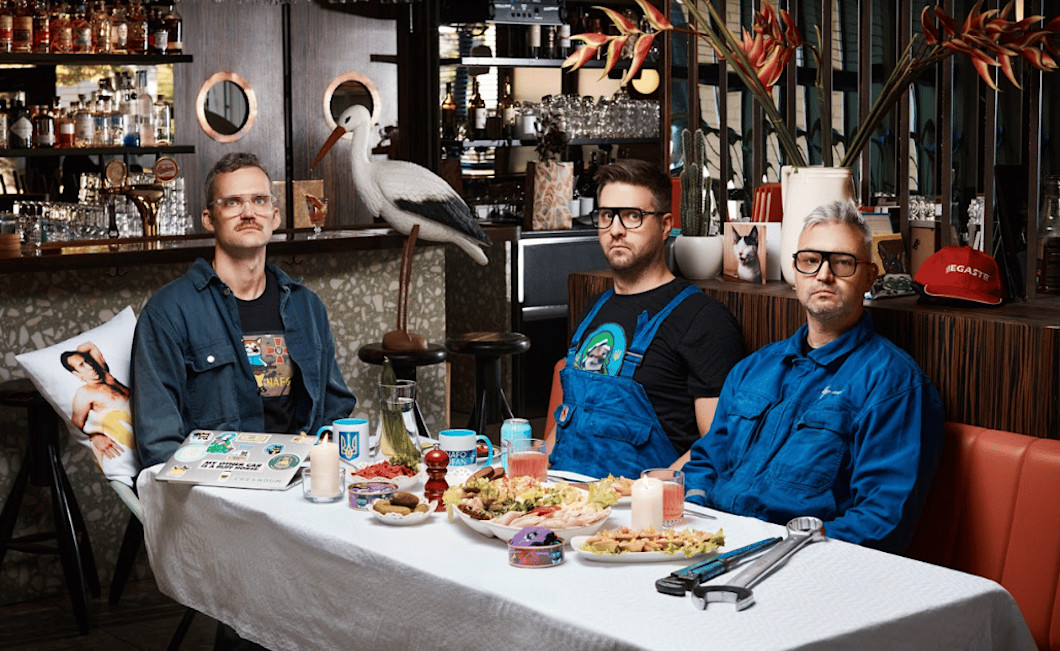
Klaus Put Every Support Ticket on the Witness Stand
The cat mascot retired. Its sharpest idea did not: read every customer conversation, find the ones that matter, and turn quality assurance from spreadsheet archaeology into a working feedback loop.
The Lab's Invisible Traffic Cop: How Data Innovations Moves Results Before Anyone Notices
The blood analyzer gets the glory. Data Innovations handles the awkward part - making thousands of machines, rules and patient records agree before a result reaches the chart.
Taazaa’s Bet: The Best Software Partner Is the One That Makes Risk Boring
Taazaa built a 400-plus-person software business by taking on the work that internal teams postpone: brittle systems, scattered data and promising ideas that cannot survive production. Its playbook is refreshingly practical - start narrow, prove the economics and earn the right to expand.
CallMiner Spent 24 Years Teaching Companies to Listen. Now It Wants the Bots to Answer.
The Waltham software company built its business by finding patterns in calls that nobody had time to replay. Its next act is riskier: using those patterns to decide what humans should say - and what software should handle without them.
CALTEK's Quiet Bet: The Best AI Strategy Starts With the Data Nobody Wants to Clean
The Fremont consultancy works where enterprise technology gets unglamorous: messy data, regulated workflows, aging applications and mobile networks that cannot afford to blink. Its pitch is simple - fix the plumbing before promising the future.
Beround Spent a Decade Hunting Software Bugs. Now It Wants to Fix AI Adoption Before the Tools Arrive
The Dutch consultancy built its reputation on the unglamorous discipline of testing. That same habit now powers a people-first AI playbook that starts small, measures what matters and leaves room for a human to say no.
Blue Trail Software Learned the $0 Prompt Is Often the Most Valuable One
The San Francisco software firm sells something less fashionable than magic: accountable engineering. One troubled AI recruiting system shows why architecture, not another clever prompt, became the product.

Rajiv Jain Built a Career Asking One Uncomfortable Question: What Could Break?
From object-oriented graphics patents to AI-era quality engineering, the ThinkSys founder has spent three decades turning software's awkward edge cases into an operating philosophy.
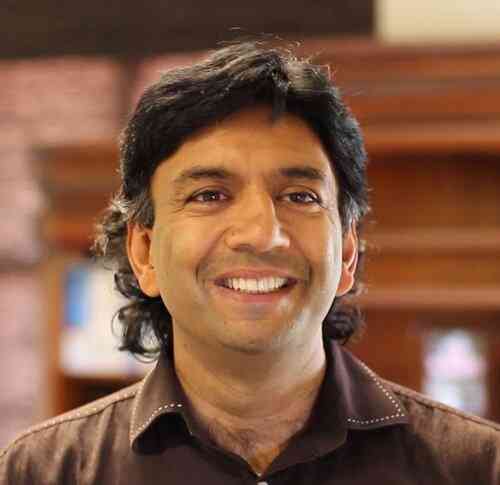
Rajeev Rai Built a Company Around the Work Everyone Notices Too Late
He sold sweaters at 11, learned quality inside Apple, and later made software testing the center of a cross-border company. His enduring product is less a test script than a way of treating engineers.

Nishant Hooda Applied to YC Four Times. Then He Made Software Testing Look at the Screen.
An AWS internship introduced him to his future co-founder. Four applications got them into Y Combinator. Now Docket is betting that the next generation of software tests will use the screen the way people do.

Alex Marantelos Is Turning Customer Support’s Blind Spot Into a Feedback Loop
Before he taught AI to inspect customer conversations, Alex Marantelos learned operations by putting hundreds of artists onstage. Now the Intryc CEO is turning support quality from a tiny sample into a living system.

Rebecca Pinkus and the quiet architecture of quality
Inside regulated manufacturing, trust is built long before a product reaches the shelf. Rebecca Pinkus works in that consequential middle ground, where suppliers, systems and standards have to agree.
Dairy Farmers of Ontario Runs a $3.1 Billion Milk Machine - Here's the Simple Brand Playbook Marketers Can Steal
Behind the friendly blue Milk logo is a regulated operating system that moves more than 3.1 billion litres a year. Its playbook mixes quotas, quality tests, tanker routes, Minecraft lessons and a patch on one of hockey's most scrutinized sweaters.
Balto Put a Coach Inside the Call - Now 500 Million Conversations Later, the Hard Part Is Knowing When AI Should Speak
A forgotten sales script became an Excel macro, then a $52 million bet on fixing conversations before they go wrong. Balto's lesson for AI builders is simple: start with one measurable moment - and earn the right to automate the rest.
The Software Shop Behind the Gas Bill
Webmyne spent two decades doing the broad work of a digital agency. Its most revealing product is much narrower: software that helps Indian gas distributors turn meters, bills and customer requests into one working system.

The 3,000-Person Software Team You Hire Seven at a Time
Vention built a global engineering bench for a familiar executive headache: important software, scarce specialists, and no time for a year of hiring. Its real product is not code alone, but a team that can arrive quickly and stay for the difficult middle.

The 1,000-Person Software Team You Can Rent by the Problem
Svitla Systems built a global engineering bench for companies that need software shipped, systems modernized, or AI moved past the demo. Its product is not an app - it is a flexible way to buy technical capacity without building every capability in-house.
The Lahore Shop That Sells Silicon Valley Its Software
Founded in 2006 with five people in Lahore, PureLogics now ships custom software and AI systems to Fortune 500 names from a New York address - without ever taking a dollar of outside funding.

The Software Partner Built Before Remote Work Had a Name
Bridge Global spent two decades learning how to make engineers across borders work like one team. Now that old operating skill is carrying it into HealthTech, enterprise AI and the less glamorous work of keeping complex software useful.
The 1,000-Person Engineering Company You May Already Be Using
Dev.Pro rarely puts its own name on the software it builds. Instead, more than 1,000 specialists work inside the products, payment systems and cloud platforms of companies that need to move faster than their hiring plans allow.
You've Played Their Games. You've Never Heard Their Name.
Side, formerly PTW, is the roughly 3,200-person, 40-studio contractor that tests, translates, voices, and co-builds games for Activision, Ubisoft, and EA - then hands over the credit.

The Leading Hotels of the World
The luxury hotel company that owns no uniform look has spent nearly a century making independence scalable. Its product is not a room so much as a pact: global reach for hotels that refuse to become interchangeable.
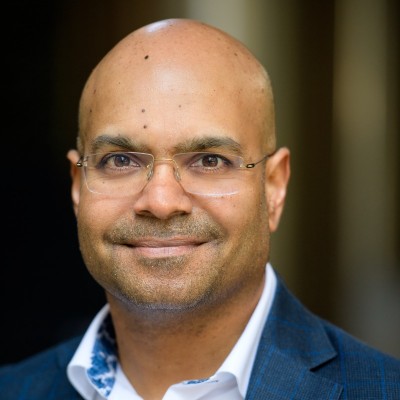
Christopher Leonor
From a high-school tungsten study to the quality desk of a global drugmaker, Christopher Leonor’s career is a study in the quiet systems that make pharmaceutical supply chains work.
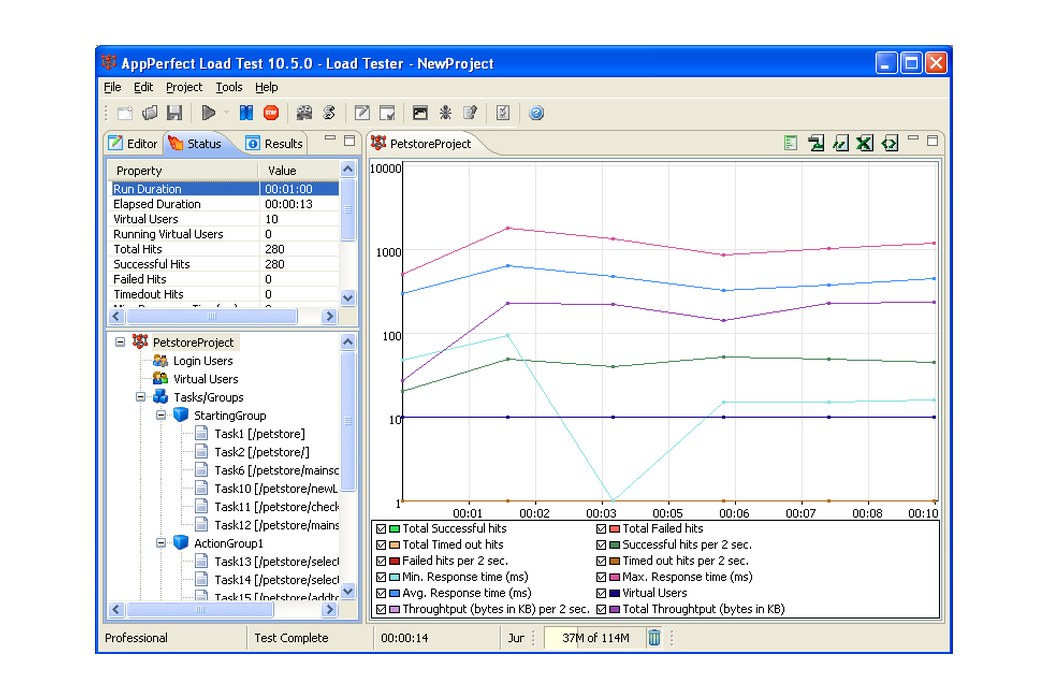
AppPerfect Corp
For more than two decades, AppPerfect has worked the unglamorous seam between a software demo and a dependable production system. Its bet is simple: test the failure, watch the machinery, and fix the bottleneck before users find it first.

Agama Solutions Inc
Agama Solutions has spent two decades selling the least glamorous - and often most necessary - layer of digital transformation: the people, testing discipline and delivery capacity that turn a technology plan into working software.
AB Soft
AB Soft spent more than two decades doing something unfashionably durable: building the engineering bench behind another company's communications platform. Its narrow focus is both the business's advantage and its biggest dependency.

The 2% Problem: Why Your QA Scorecard Isn't Telling You About Your Customers
Traditional contact center QA reviews roughly 2% of calls and reports the result as if it describes the whole operation. This page frames the choice between sampling and reading 100% of conversations as an architectural decision rather than a feature difference, comparing how CallMiner, NICE Nexidia, Qualtrics XM Discover, and Spiral by UJET handle coverage, discovery of unknown issues, setup time, and whether output reaches a product team or stops at a QA scorecard. The core argument: a 2% sample tells you about your scorecard, not about your customers.