microsoft-365
(48)
The Most Valuable Ad Space Nobody Bought
Opensense made a business out of the few square inches beneath every employee email - part brand rulebook, part miniature ad network, and part lesson in finding value where everybody else has stopped looking.

Grey Matter knows where the cloud bill hides
The Devon software specialist built its business helping developers buy the right tools. Four decades later, its work reaches from forgotten Azure resources to the maps inside delivery apps.

Tikit turns “just a quick question” into a ticket
Cireson’s service desk puts structure inside Microsoft Teams. Its customer stories reveal why the hard part of IT support is often getting the request into the system at all.

Applicable does the Microsoft work nobody puts in the launch video
Splitting a 60,000-person company’s Microsoft environment takes more than moving mailboxes. Applicable has built its business around the migrations, permissions and midnight support that keep corporate life running.

Mario Carvajal Has Spent 17 Years Turning Technical Detail Into Corporate Direction
He arrived at AvePoint through engineering and stayed long enough to help explain its next era. Now Mario Carvajal works where product architecture, corporate strategy and the public story meet.
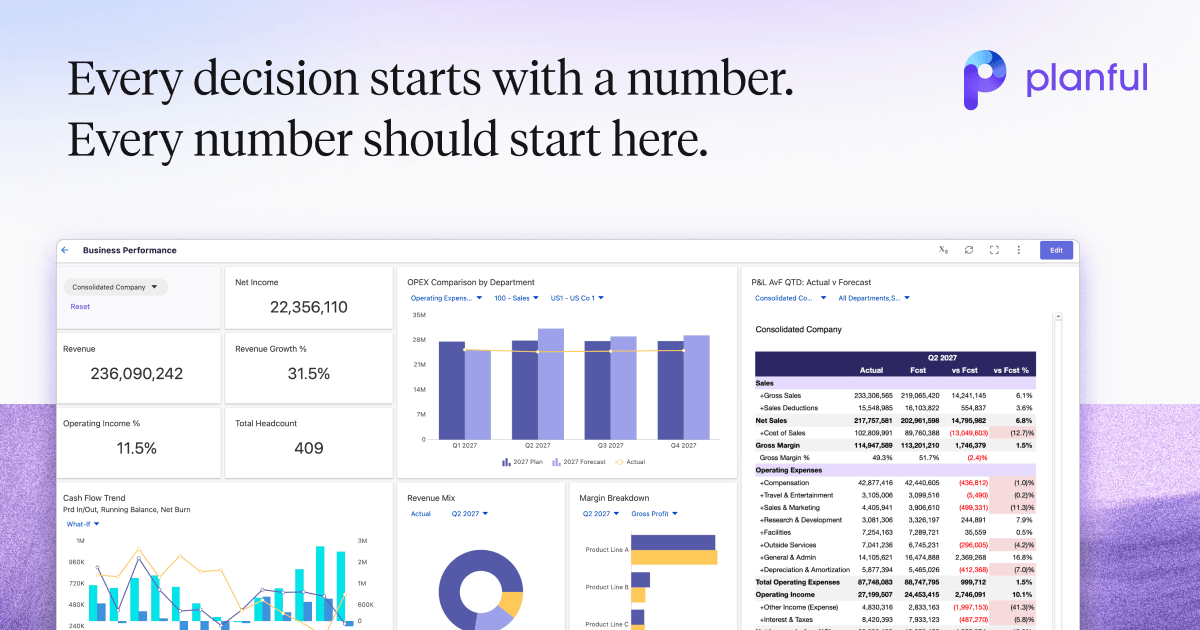
Planful Makes Peace With Excel, Then Puts It on a Leash
Planful gives finance teams one governed place to plan, close, consolidate and report, while letting Excel keep a seat at the table. The payoff is fewer version-control mysteries; the catch is that a serious platform still demands a serious implementation.

Norm AI Puts a Lawyer in the Machine
The enterprise AI boom created more work for the people paid to say no. Norm AI gives them agents that read the rules, show their work, and help the business move before the queue becomes a traffic jam.

Vena Put Guardrails on Excel - and Finance Kept the Keys
Finance teams do not have to quit spreadsheets to gain control of them. Vena wraps the familiar grid in a governed planning platform - a practical compromise whose success depends on the model underneath.
M-Files Declared War on Folders. Then It Moved Into Microsoft’s House.
The Finnish software company spent two decades arguing that folders are the wrong way to run knowledge work. Its new Microsoft 365 alliance turns that contrarian idea into a practical bet on governed, AI-ready documents - if customers can handle the setup.

How a $21-a-Month PowerPoint Add-In Became Lucen Software's Four-Product Bet
Office Timeline spent 14 years making project managers look better in meetings. Now renamed Lucen, it is betting that the same trick can stretch from PowerPoint timelines to planning, process maps, and the awkward question of where everyone's time went.

Nicholas Stamos Has Spent a Career Teaching Sensitive Files Some Manners
From clinical-trial software to Digital Guardian to eSHARE, the Tufts-trained engineer keeps returning to one stubborn question: how can important information move without slipping out of its owner’s control?

Vijay Krishna Built a Career Around the Second Copy
Before cloud backup became an industry, Vijay Krishna was selling storage in Japan. Now his company protects the working memory inside Google Workspace, Microsoft 365 and a widening shelf of SaaS apps.

The 75-Year-Old Typewriter Shop That Learned to Make IT Prove Its Work
WBM survived typewriters, photocopiers, the PC, the cloud and the help-desk chatbot. Its durable trick is less glamorous: turn every technology promise into a number a customer can argue with.

The Microsoft Cloud Has a Fine-Print Problem - Interlink Built a Business Translating It
The Mason, Ohio consultancy found its lane between Microsoft's sprawling catalog and the people expected to make it all work. Its pitch is less cloud cheerleading than practical translation: buy less, secure it properly, and get employees to use it.

The Microsoft Executive Who Thinks Your Next Colleague Is Software
Jared Spataro spent two decades helping Office become a service and Teams become a workplace. Now he is selling a stranger idea - software will go beyond assisting the organization and join the org chart.

The Company Betting Your Files Should Never Leave Microsoft
Nick Stamos spent two decades stopping data from leaking. His answer to the messiest problem in enterprise IT - sharing files with outsiders - is to make sure the file never actually goes anywhere.

The Backup Company That Reads Your Kids' Search History - And 7 Million People Are Fine With It
Vijay Krishna built a boring backup tool, then pointed its machine-learning at student essays and found the kids no one was watching. Here is how a Red Bank, New Jersey company turned SaaS insurance into a safety net for 1,200 school districts.

AvePoint Spent 25 Years Guarding Your Files. Now It Wants to Guard Your AI.
Two engineers coded their first product in a public library. A SPAC deal, $419 million in revenue and 28,000 customers later, AvePoint is wagering that the next great data problem is the AI you just turned on.

Microsoft’s Stack Is Dynamics’ Moat, Not Its Whole Case
Dynamics 365 makes its clearest case when Microsoft already runs the office. But price, process fit and platform design can still make it the better CRM - while Salesforce remains the safer independent center of gravity.

You Don't Pick A CRM, Your Email Already Did
Dynamics 365 or Copper is not really a features fight. It is whether your company lives inside Microsoft or Google - and almost everything else follows from that one fact.

The Legal AI Race Is Flashy. Litera Is Betting on the Plumbing.
For three decades, Litera built tools for the unglamorous details of legal work - redlines, metadata, clauses, matters and client data. Now it is trying to turn that installed base into one connected AI platform without making lawyers abandon the software they already trust.

Plumsail and Messagepoint Solve Paperwork at Different Scales
Plumsail turns everyday business data into finished documents. Messagepoint tackles a harder enterprise problem: keeping vast libraries of regulated customer communications coherent, compliant and ready for every channel.

Plumsail
Plumsail automates document generation, web forms, and customer support for Microsoft 365 and SharePoint, helping teams save time and cut manual work.

Templafy
The Danish software firm spent a decade fixing the world's messy corporate documents. Now it wants to keep the AI writing them honest.

Exclaimer
Stop wasting time on scripts, policies, and support tickets. Exclaimer automates signatures across Microsoft 365, Google Workspace, and Exchange in minutes.

o11
o11 is a Y Combinator (W26) startup building AI agents that live inside the enterprise apps finance teams already use - Excel, PowerPoint, Word, and Google Workspace. Rather than answering questions in a sidebar, its agents do the work: generating three-statement models, investment committee memos, CIMs, buyer lists, and decks from natural-language prompts. Its customers include investment banks, private equity firms, hedge funds, and asset managers.

Dux Raymond Sy
Dux Raymond Sy is a technology executive at AvePoint, a Microsoft Regional Director, and a long-time Microsoft MVP who has spent more than two decades helping commercial, education, and public sector organizations navigate digital transformation. He is the author of 'SharePoint for Project Management,' the creator of the LinkedIn Learning course 'How to Build Your Personal Brand,' and host of the #ShiftHappens podcast. A sought-after keynote speaker, he has presented to more than 25,000 people at events worldwide including Microsoft Ignite and the Gartner Digital Workplace Summit.

Microsoft Won by Learning to Stop Being Windows
For years, Microsoft treated Windows as the answer. Its second act began when it made Windows merely one answer - and turned the rest of the company into a machine for selling picks and shovels to everyone.

Executech
Executech is a managed IT services provider (MSP) based in South Jordan, Utah, that delivers outsourced IT support, cybersecurity, cloud, and compliance services to organizations across the western United States. Founded around 1999 by Eric Montague on a 'People First' philosophy, the company grew from a one-person operation in a garage into one of the region's largest and most-awarded IT outsourcing firms, backed since 2017 by Evergreen Services Group. It supports hundreds of organizations and tens of thousands of end users across sectors like healthcare, finance, government, education, and manufacturing.

Anuj Jalan
Anuj Jalan is the Vice President of Sales Marketing at Microsoft, based in Chandigarh, India. He has built his career across major technology and services firms, moving from process development at Genpact and customer support at Dell to senior sales and marketing leadership at one of the world's largest technology companies. With an MBA from Symbiosis Institute of Management Studies and a background spanning recruitment, operations, and client engagement, Jalan represents the archetype of a career professional who climbed the ranks through diverse industry exposure in India's booming tech sector.