media-intelligence
(32)
AirCheck India gives radio a memory
A radio ad lasts seconds. AirCheck India turns that passing sound into a searchable record - and a reason for a salesperson to pick up the phone.

Biju D. Vincent and the Trouble With More
Biju D. Vincent built DigiMent Research around a practical conviction: a news mention becomes useful when someone understands it. His career is an argument for keeping human judgment in the monitoring business.
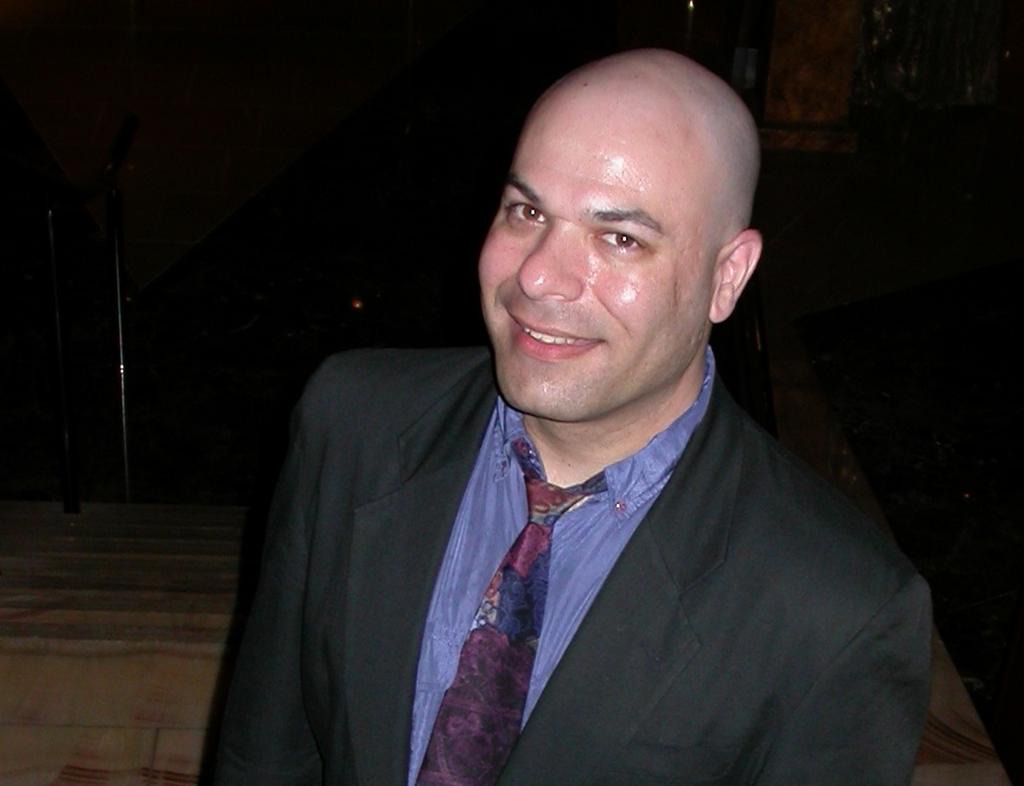
David H. Lasker and the value of yesterday’s news
David H. Lasker spent the 1990s filming Chicago’s breaking news. At News Exposure, he built a business around a longer deadline: keeping the broadcast for the person who would need it years later.
Eric Koefoot and the trouble with counting everything
Before he co-founded PublicRelay, Eric Koefoot sold hotel rooms and helped take news online. His recurring question has been what people can actually do with all that information.

Alex Northcott and the unfinished business of the contact book
He helped build Gorkana, sold it, then returned to compete with it. For Roxhill Media founder Alex Northcott, knowing a journalist’s name has always been only the start.

The news moved on. Arabia Inform kept it.
Yesterday’s newspaper can become tomorrow’s research question. Arabia Inform has spent decades turning Arabic media into a searchable record - and a business built on remembering.
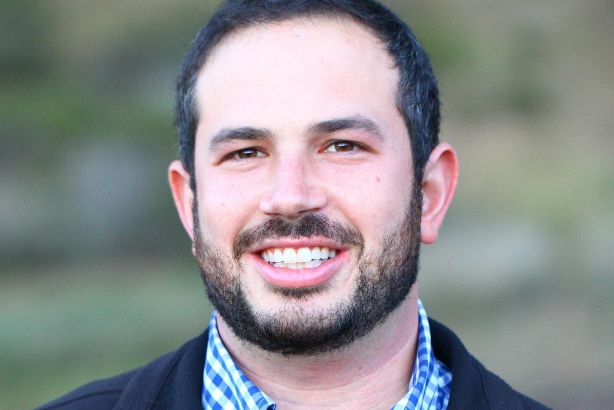
Josh Ginsberg and the trouble with being talked about
A campaign veteran helped turn the war room into Zignal Labs. His journey from presidential politics to Meta follows a stubborn question: what should you do when the world starts talking?
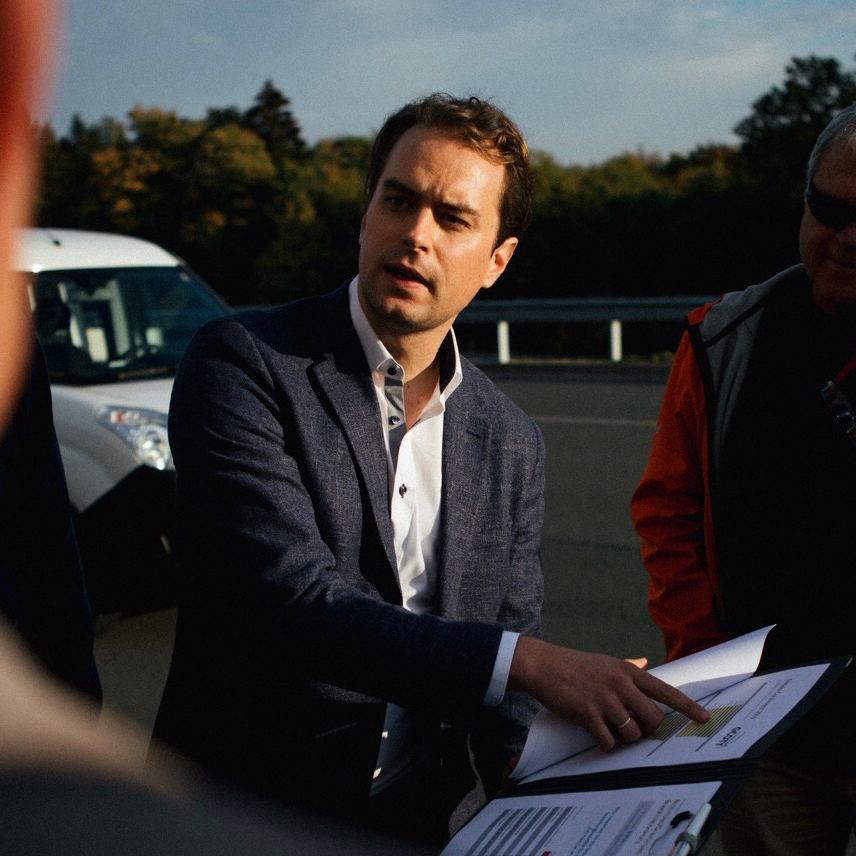
Bernd Hitzemann and the distance between noise and knowledge
From automotive research to AITASTIC, Bernd Hitzemann has built a career around reading what people say about change. His other laboratory has wheels: German Car of the Year puts new models, and the claims surrounding them, on the road.

Jason Downie and the art of starting over
Before Google and PublicRelay, Jason Downie toured with an a cappella group and owned a bar. His route into communications intelligence keeps returning to the same practical question: how do you get people to work well together?

Gaugarin Oliver Built a Career Around the Signal Inside the Noise
From speech recognition to media intelligence and enterprise AI, Oliver has spent decades turning unruly information into useful decisions - then carrying that habit from Boston boardrooms back to the place his family calls home in southern India.

Guy Abramo Has Spent Four Decades Turning Signals Into Decisions
The Cision CEO began with fuel chemistry, earned five patents, and kept following data into the executive suite. Now he is asking an old communications business to turn a fractured information stream into useful intelligence.
The 136-Year-Old Clipping Bureau That Arrived at AI Without a Product Page
Industry Insight AI wears the biography of America’s oldest press-clipping service. The name points forward; almost everything verifiable points to a 136-year lesson in what happens when the medium you monitor disappears.

The Morning the Press Review Learned to Think
AITASTIC is betting that the valuable part of media monitoring begins after the mention is found. Its machine reads the noise; its people decide what deserves a morning meeting.

Fullintel Put People Back in the Machine
Media monitoring promised to automate the morning briefing. Then the alerts became another job. Fullintel built its business on a counterintuitive fix: keep the software, and put trained readers back in the loop.

PublicRelay and the Seven Stories That Matter
Most media software promises to find everything. PublicRelay built a business around a fussier proposition: find the few things worth acting on, then put a human name behind the answer.

Gregory Galant Was Early to Everything - Then Learned to Wait
Before podcasts had an app and tweets had awards, Gregory Galant was already building around them. His most revealing achievement, though, took 13 years of profitable patience.

The One-Campaign Rule: How Be Broadcast Made Less Work Its Selling Point
A Manchester PR consultancy grew by rationing its most valuable resource: senior attention. The constraint became the product.
Handraise Is Trying to Measure the Moment a Story Becomes a Belief
The Austin company began by helping PR teams amplify a good article. Then AI changed the more interesting question: not who saw the story, but what the machines learned from it.

The Machine Still Needs a Pair of Eyes
Intelligent Media has spent more than 25 years making a contrarian bet: publicity data becomes useful only after somebody checks the work. Its hybrid of software, human verification and custom reporting turns a flood of mentions into a brief a publicist can actually use.

The News Machine Still Needs a Human in the Loop
News Exposure built a national monitoring business around a counterintuitive idea: the faster the news cycle becomes, the more useful a careful pair of human eyes can be.
The Last Mile of Media Monitoring Is Still Human
DigiMent Research is betting that the hardest part of media intelligence is not finding more mentions. It is deciding which ones deserve a human being's attention.

CARMA wants PR to show its working
Counting headlines is easy. CARMA sells the harder job: explaining what coverage means, whether it helped, and what a communications team should do next.

Roxhill Media sells the homework behind a better pitch
A journalist’s email address is only the beginning. Roxhill combines media research, outreach and coverage analysis to help PR teams decide who deserves a pitch - and what happened after they sent it.

Cision UK wants to make every headline answerable
A £110 million insurance refund shows what media intelligence can measure. Cision’s next test is tracking what AI says about your brand.

At Cision, Amy Jones Is Making the Case for Better Signals
After 25 years building growth systems, Amy Jones has arrived at the company that tracks what the world is saying. Her new brief is equal parts marketing problem and measurement puzzle.

Cision Spent Billions Building the Control Room for Corporate Attention
The 150-year-old descendant of a Swedish clipping bureau now watches news, social feeds and AI search for 75,000 organizations. Its bet is simple: the company that can measure attention can help steer it.
Adam Beaugh Built a Machine for the 24-Minute News Cycle. Now It Watches for What Comes Next
From campaign war rooms to agent-driven intelligence, the Zignal Labs co-founder has spent 15 years turning public noise into decisions - while insisting that useful technology starts with a human problem.

NewsCatcher
NewsCatcher is a news and web search API company that turns the open web into a clean, structured database of real-world events. It pulls from 90,000+ global sources, then deduplicates, enriches, and standardizes the articles so risk, finance, and AI teams can query news the way they query a database. Founded by Artem Bugara and Maksym Sugonyaka, it went through Y Combinator in Summer 2022.

Camphouse
Camphouse is a Stockholm-based enterprise software company that runs an intelligent media operations platform for advertisers and agencies. Formerly known as Mediatool, it centralizes media planning, budget allocation, campaign activation and reporting into a single system of record, layering an AI Co-Pilot on top so data-driven marketers can turn scattered spreadsheets and media plans into structured, end-to-end media intelligence. Its customers include global brands and agency networks such as L'Oreal, Heineken, Dentsu and Jellyfish.

Zignal Labs
Zignal Labs is a San Francisco-based intelligence software company that turns publicly available information into structured, real-time situational awareness. Founded in 2011 as political-media startup Politear, it pivoted into broader media analytics and now positions itself as a national-security intelligence company delivering AI and agentic tooling. Its platform ingests billions of open-source signals daily across 100+ languages, using machine learning, computer vision, and OCR to detect narratives, track influence, and flag emerging threats for enterprise, government, and defense customers.