local-business
(15)
The Birthday Card That Wanted to Be a CMO
A Palo Alto startup tried to give the shop on the corner a marketing department in a browser. Its cleverest tool was not the algorithm, but the shop next door.
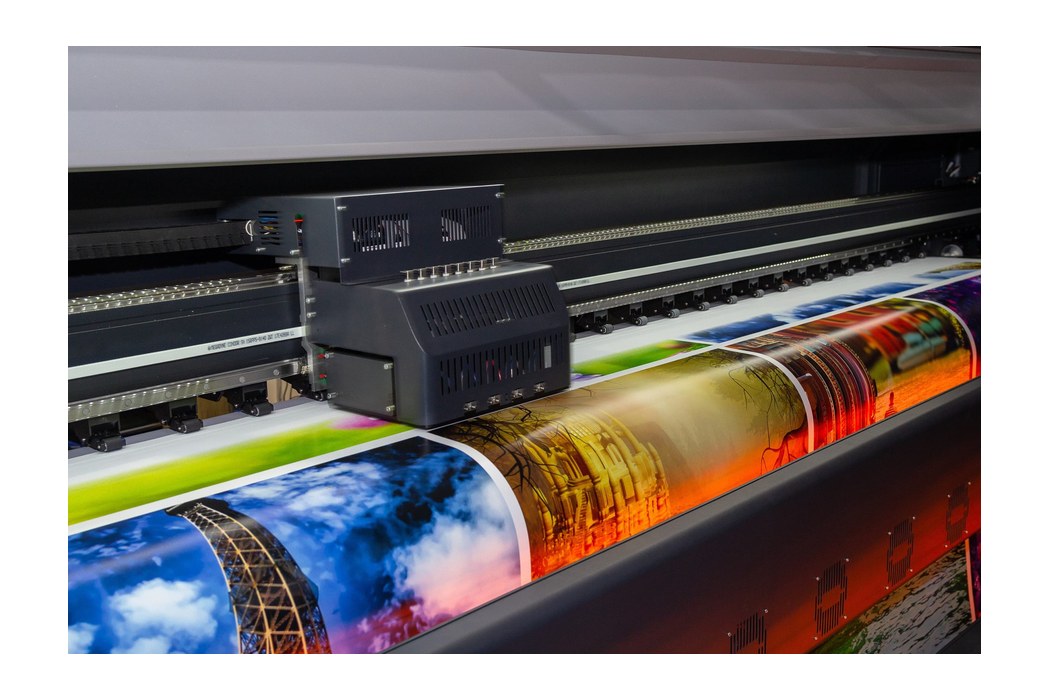
The Print Shop That Cost $3,500 to Get Back
Pete Petroff sold his Alabama print shop when illness demanded his attention. Two years later, he bought the diminished business back for $3,500 - and discovered what, exactly, the founder had been doing all along.
The $305 Handshake: How Grand Prairie Turns Repetition Into Business
The Grand Prairie Chamber sells something no directory can manufacture on command: familiarity. Its real product is a calendar that lets local businesses keep showing up until strangers become customers, partners and advocates.

The Chamber That Sells a County - Then Teaches It How to Grow
In Lawrenceburg, the same organization courts factories, trains civic leaders, markets Amish Country and still finds time to organize the Christmas parade. The interesting part is not the variety - it is how the pieces reinforce one another.
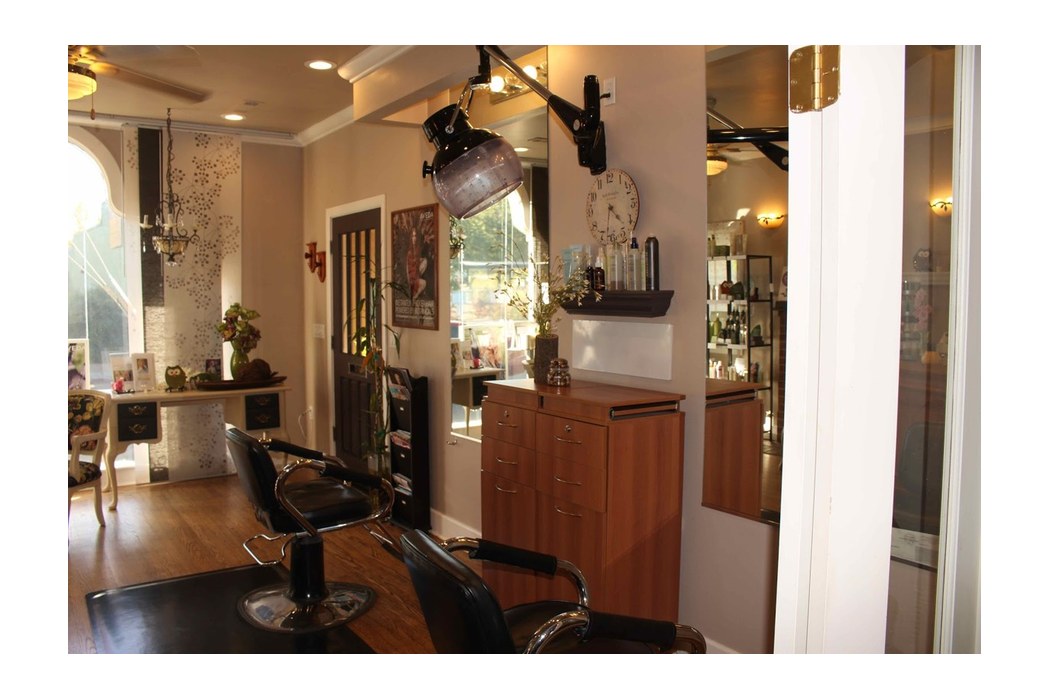
The Two-Chair Salon That Has Outlasted Three Decades of Hair Trends
Panache has survived since 1993 by keeping the room small, the consultations long and the promise legible: understand the person before changing the hair.
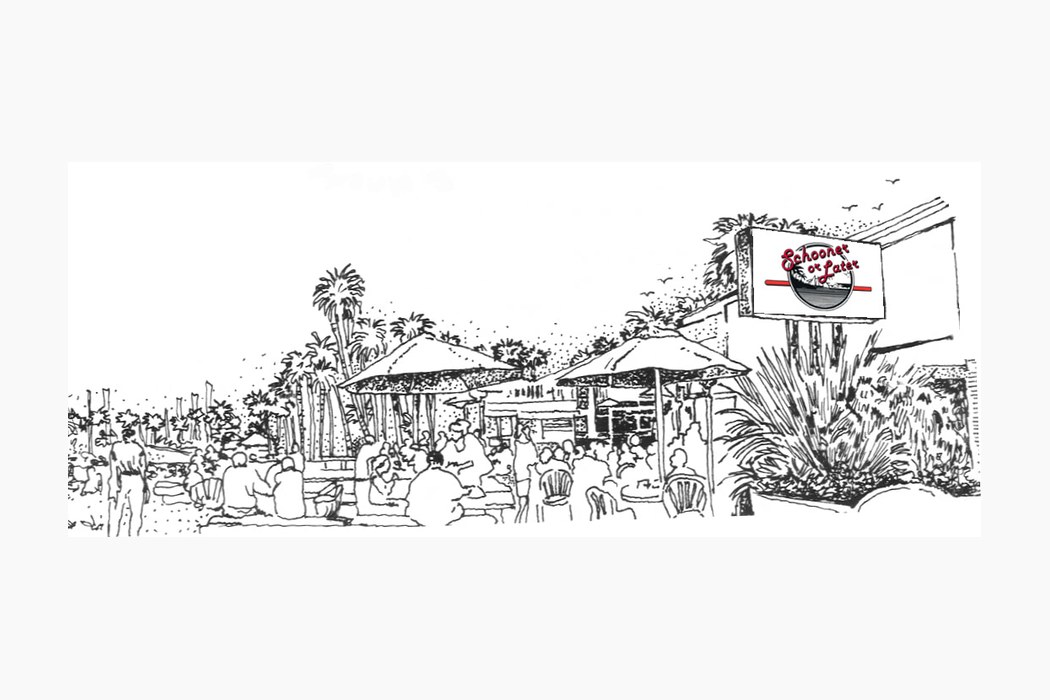
Forty Years of Brunch Began With Three Aluminum Tables
A Long Beach diner found its moat in an empty marina patio, a borrowed breakfast scramble and the radical act of having an owner in the room.

The Thai Restaurant That Came Back Because Its Customers Kept Calling
A 30% rent increase ended a 31-year Minneapolis run. Then farewell sales doubled, the old phone kept ringing, and a neighborhood institution found a second address.

Sugar Spa and the art of getting specific
A St. Louis sugaring practice turns an awkward purchase into a precise appointment. Its most revealing details are in the small print.

The Wax Bar made room for a beer before the Brazilian
A Seattle esthetician listened when clients wished their waxing appointment came with a drink. The business she built makes an unusually good case for paying attention to the waiting room.
Minuteman Press and the business of being nearby
In Orange, California, a print shop sells something a shopping cart cannot specify: help with the deadline. Its story connects a local owner to a franchise built by questioning where a printer’s job ends.
Prima Printing puts a local name behind your logo
Business cards, branded bottles and the occasional awkward assignment: the San Carlos printer sells the help that turns an idea into something you can hand over.
Sign Plus and the art of being found
On Pioneer Boulevard, a new business can arrive inside an old sign. The Artesia sign shop’s recorded projects show the practical work of giving a storefront a readable identity.
Copy City and the business of putting a town on paper
A Marysville print shop turns up in levee projects, fire-station bids and a city’s medical-aid forms. Its paper trail shows what a small local business can actually do.

Select Imaging sells the whole job, right down to the last fold
A Dublin print shop grew from two businesses sharing space into a place to order the brochure, the mailing, the team shirts and the box. Its appeal lives in the details customers would rather hand off.

The Lawn-Care Franchise That Turned One Pickup Truck Into a $350 Million System
Weed Man does not mow lawns. It built something more repeatable: a local-service machine where proprietary fertilizer, protected territories and stubborn follow-through turn seasonal grass problems into recurring revenue.