The most revealing month in the life of King and I Thai began with an eviction notice. The Minneapolis restaurant had been open for 31 years. Its owners had tried for six months to negotiate after a new building owner interpreted the lease in a way that raised the rent by 30 percent. Add insurance and utilities, and the arithmetic quit cooperating. The parties went to court. King and I Thai received 30 days to stop serving and 45 days to leave.
Then the arithmetic performed a small mutiny. On Tuesday, the staff learned the restaurant would close. On Wednesday, business doubled. A kitchen and dining room built to handle about $35,000 a week suddenly faced $75,000. Some cooks worked until four in the morning. During the final week, the phones were unplugged because nobody could answer. On the last Sunday, customers waited an hour, accepted whatever food and drink remained, and treated dinner like a wake where the guest of honor was still cooking.
01 / The signalWhat a closing line knows
Restaurant loyalty is normally gauged with mushy instruments: online stars, comment cards, the proprietor's sense that Saturday felt busy. A forced closing created a cleaner experiment. Remove the assumption that the place will always be there and see what people do. King and I Thai's customers crowded in. After it went dark, they kept calling the phone number they had known for decades. The restaurant says callers tried periodically until, after months of silence, somebody finally answered: “King and I Thai, may I help you.”
This was not merely affection. It was observed demand. The distinction matters because nostalgia is plentiful and restaurant margins are not. Lots of people say they miss an old room; fewer drive to a new one and buy dinner. The Haanpaa family eventually had evidence of both intention and action. In July 2015, King and I Thai reopened in Mendota Heights.
“They said just bring me what you have.”The restaurant's account of its final Minneapolis service
02 / The productA menu built from memory
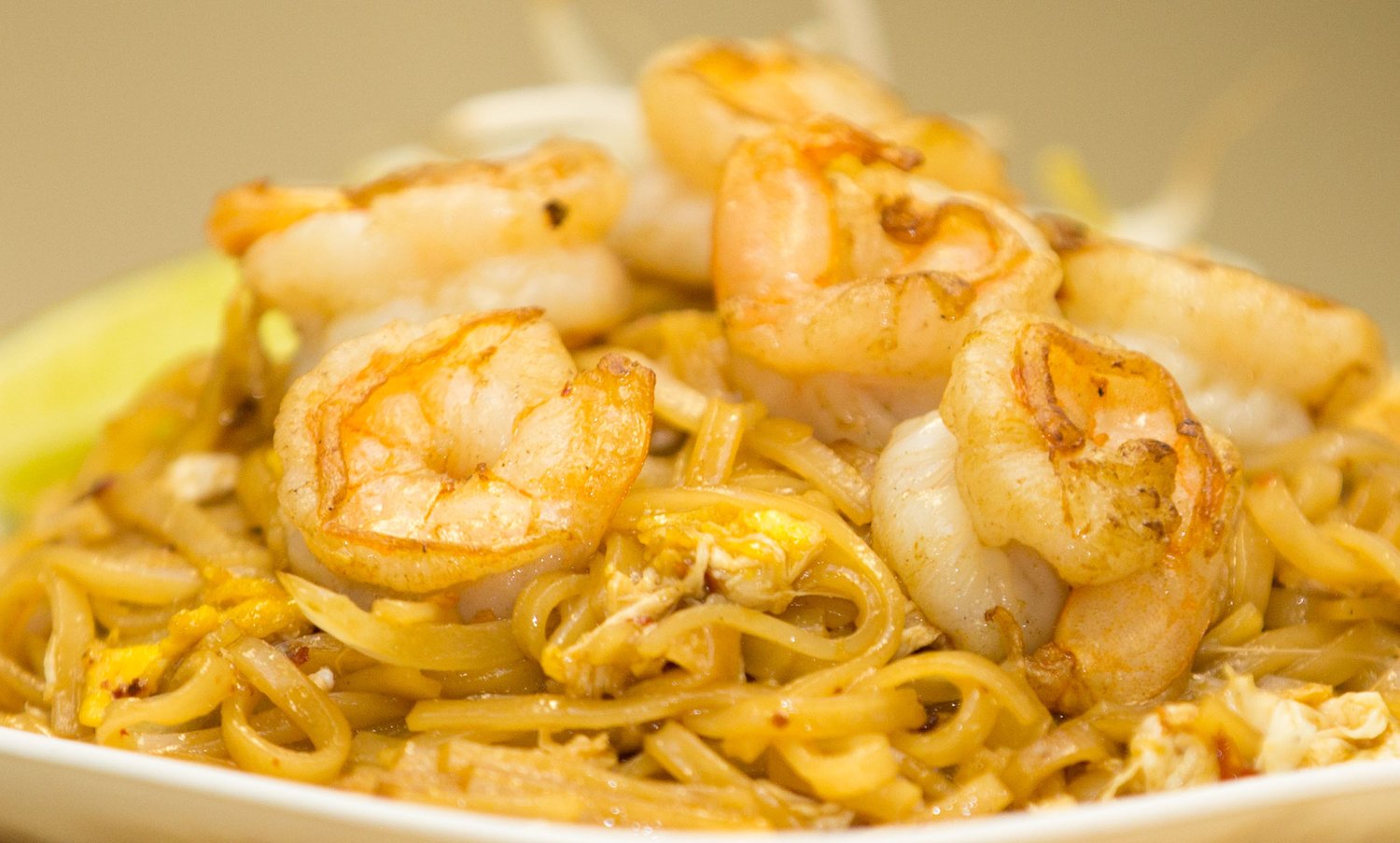
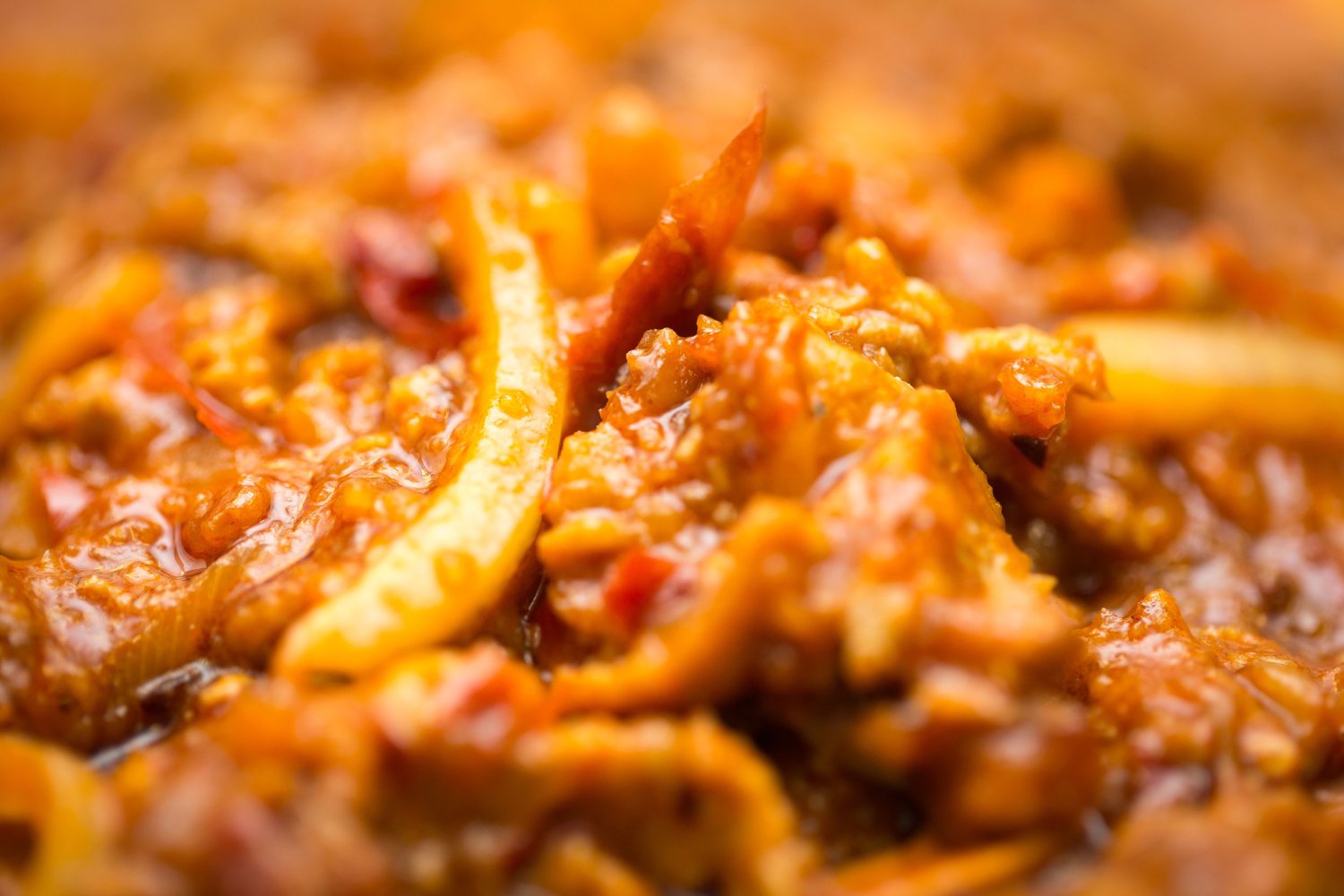
The current restaurant describes its offer with unusual restraint: the best selections from the original menu. That sentence tells you what King and I Thai sells beyond lunch and dinner. It sells recognition. Pad Thai, Holy Basil Stir-Fry, gaeng puk curry, roasted hot pepper sauce, garlic sauce, tom kha and tom yum form the vocabulary. Diners choose proteins and heat; vegetarian and vegan-friendly options widen the table. Beer and wine replace the large late-night bar identity of LaSalle Avenue. Reservations are limited to parties of five or more. Takeout can be ordered by phone or online.
Those published prices are menu snapshots, not promises, but they locate the business in the market: an independent, full-service neighborhood restaurant rather than a tasting-menu destination or a national fast-casual chain. The customer pays for a generous, familiar plate and adjustable spice, with the convenience of a shopping-center address and free parking. Competitors such as Sawatdee, Amazing Thailand and dozens of newer independents can offer their own claims to authenticity. King and I Thai's useful difference is continuity. It has been teaching the same metropolitan appetite since Ronald Reagan's first year in office.
03 / The routeThree rooms, one remembered number
King and I Thai began in 1981 because friends enjoyed Surin DeMuth's cooking at informal dinners and urged her and Paul DeMuth to open a restaurant. It became the second Thai restaurant in Minneapolis. In 1990, Pu and Gary Haanpaa bought it. Nine years later, Target bought the Nicollet Mall block for its headquarters, forcing a search during a tight real-estate market. The restaurant found a basement at 1346 LaSalle Avenue in 2000. Dinner remained central, while the bar turned into a late-night destination.
The second move was different. Mendota Heights is not Loring Park, and a 3,046-square-foot, roughly 100-seat storefront is not a dim downtown basement with music and cocktails. The reopening worked by refusing to pretend otherwise. The family collaborated with son Leonard on the new plan, kept the same chef, selected proven dishes, and retained the old 612 number. The dining room became easier to reach for southern-metro families and takeout regulars. The business exchanged nightlife for convenience.
That trade has limits. A regular who loved the romance of the old bar may not consider a suburban plaza an equivalent experience. A comeback also fails when affection is tied entirely to a building, when signature products cannot travel, when the original operators are absent, or when the new rent still requires impossible volume. King and I Thai had a rare combination: portable recipes, a known name, experienced people, a reachable local market and customers whose behavior had already exceeded their compliments.
04 / The lessonKeep what people can recall
There is a copyable method here for a local company, though not a magic trick. First, preserve the identifiers that live in a customer's head: the name, the phone number, the dish number, the flavor. Second, let a forced change reveal which parts people actually miss. Third, reopen around those parts, not around an expensive replica of the past. Finally, lower the fixed-cost wager. A tighter menu and a practical address can convert memory into repeat purchases without requiring every old atmosphere cue.
The principle was there at the beginning. Friends tasted Surin's cooking and asked for more. Her reported philosophy was “food first, everything else second.” More than four decades later, the restaurant still solves a wonderfully ordinary problem: somebody in the Twin Cities wants a hot bowl of coconut soup, a plate of noodles or basil carrying an honest amount of chile, and does not want to invent dinner.

King and I Thai is not a venture-funded growth story. It has one location, local reach and the unglamorous business model of selling meals one table and takeout bag at a time. Its most striking achievement is duration without pretending that duration came easily. A landlord changed the equation. The old room disappeared. The customers supplied a new equation, and the operators found a room where it could work.