industrial-decarbonization
(13)
Kevin Krausert and the education of an energy insider
He worked his way from a northern Alberta drilling rig to the chief executive’s office. With Avatar Innovations, Kevin Krausert is giving energy workers a route from industrial know-how to companies of their own.

Justin Riemer and the difficult art of getting an idea to work
From economic development to Emissions Reduction Alberta, Justin Riemer has spent his career connecting people, capital and technology. His next challenge is getting more of Alberta’s clean technology out of the pilot stage and into everyday industrial use.
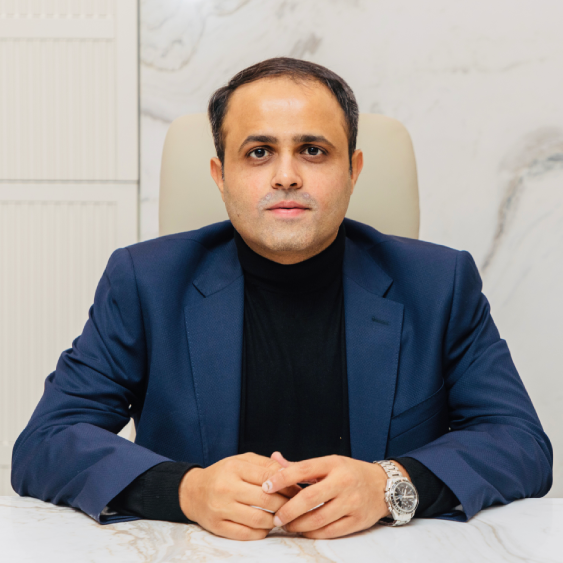
Manan Thakkar and the hours after sunset
From carbon consulting to solar parks, Manan Thakkar has helped build Prozeal around the energy needs of industry. His next challenge begins when the panels stop producing.

Andrew Ponec Put the Future in a Black Box
The Antora Energy co-founder has spent half his life chasing a stubborn question: how do you make clean energy keep factory hours? His answer is disarmingly physical - heat solid carbon until it glows.
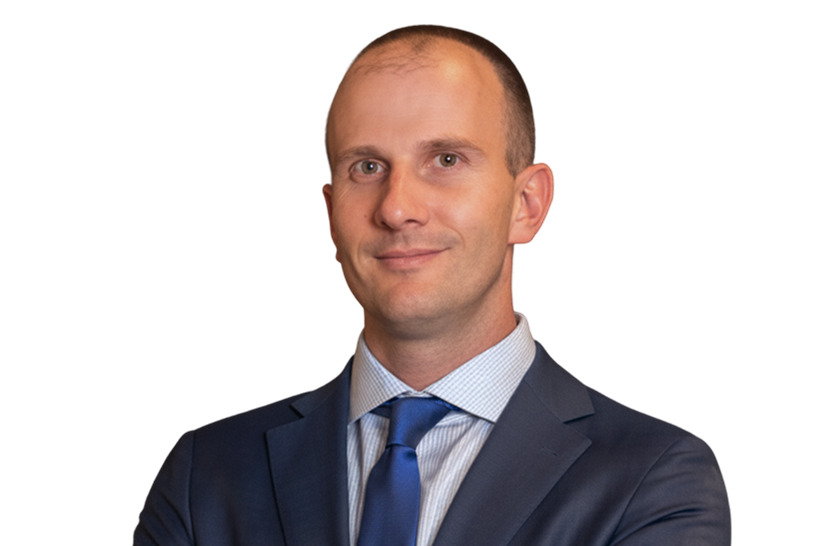
Nicholas Myers Put $7,000 Into a Backyard Experiment. Now He Is Building America’s Rare-Earth Middle.
A physics graduate with no mining résumé helped turn a backyard reactor into a rare-earth business. His wager is that America’s missing industrial link can be rebuilt with cleaner chemistry, patient capital, and a team willing to learn in public.

Janice Tran Found a Power Plant Hiding in Plain Sight
The machinery was already proven. The heat was already there. Janice Tran’s wager was that the real invention industrial decarbonization needed was a better deal.
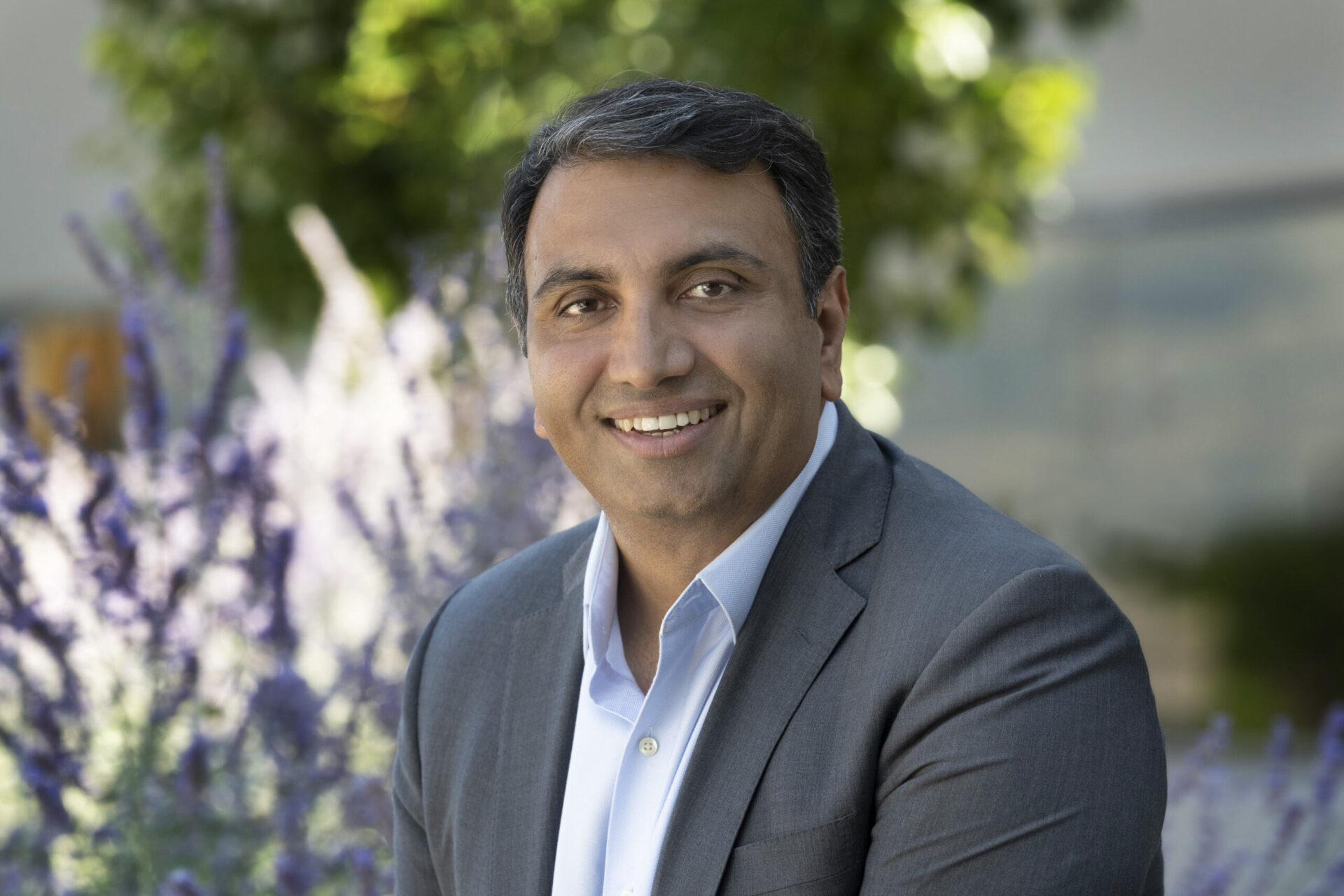
Sandeep Nijhawan Is Teaching Iron to Take a Cold Bath
At Electra, a former semiconductor operator is replacing the blast furnace's inferno with a 60°C electrochemical process - and betting that cleaner iron must compete without a green premium.

Gurinder Nagra
Gurinder Nagra is the founder and CEO of Furno Materials, a South San Francisco climate-tech company building the world's first modular, energy-efficient cement plant. Born in India, raised in rural Griffith, Australia, and trained as a geoscientist at UNSW and Stanford, he traded a boyhood cricket dream for a fight against cement's outsized carbon footprint. Furno's compact kilns use oxyfuel combustion to make ASTM-certified cement at lower cost and far lower emissions; in 2024 the company's cement tested at twice the ASTM strength standard, closed an oversubscribed $6.5M seed round, and Nagra landed on the Forbes 30 Under 30 list.

Shannon Nangle
Shannon Nangle is a microbe-wrangling scientist turned CEO who co-founded Circe Bioscience to make fats, oils, and even chocolate out of thin air. Her company feeds carbon dioxide, water, and electricity to engineered microbes that grow like plants and excrete valuable molecules, producing food and industrial ingredients in a carbon-negative way. Spun out of Harvard's Wyss Institute in 2021, Circe made what it calls the world's first gas-fermentation-derived chocolate and has raised over $17 million to scale a manufacturing process Nangle spent six years building.

Parker Meeks
Parker Meeks is the President and CEO of Utility Global, a Houston-based clean-energy company commercializing H2Gen, a system that makes low-cost clean hydrogen on-site from industrial waste gases without electrolysis. A Houston native and electrical engineer turned McKinsey partner, he previously led hydrogen fuel-cell maker Hyzon as CEO. At Utility he is steering the company from demonstration into global commercialization, including a first commercial-scale steel project with ArcelorMittal in Brazil.
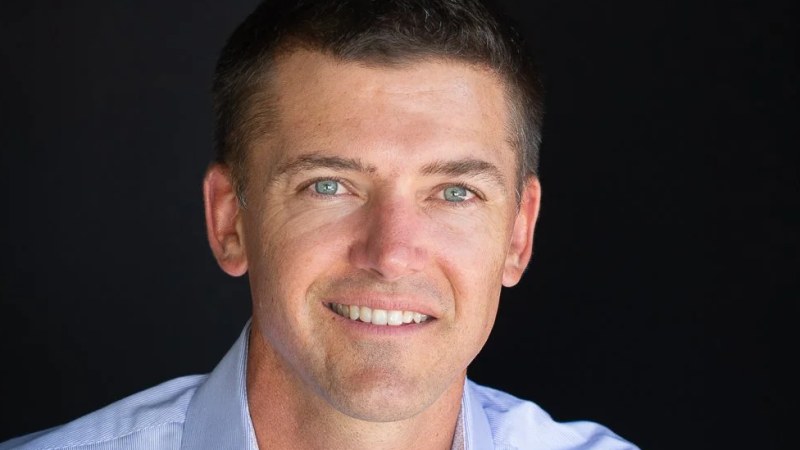
Ted Kniesche
Ted Kniesche is the founder and CEO of Zero Industrial, a Charleston-based startup decarbonizing industrial heat by deploying commercially available thermal energy storage systems and selling clean heat and steam under long-term Heat-as-a-Service contracts. After two decades in clean energy development - including 13 years co-founding and building business development at Fulcrum BioEnergy - he launched Zero Industrial in 2024 with Jim McDermott and closed a $10 million Series A in April 2025 led by Evok Innovations.

Peter Reinhardt
Peter Reinhardt is CEO and co-founder of Charm Industrial, a San Francisco-based climate tech company that converts agricultural and forest biomass residues into bio-oil and permanently sequesters it underground - effectively putting carbon back where it came from. Before pivoting to saving the planet, he co-founded Segment, the customer data infrastructure platform, and scaled it from a MIT dorm-room idea to a $3.2 billion acquisition by Twilio in 2020. Now he runs Charm with a mission to return atmospheric CO2 to pre-industrial levels of 280 ppm, counting Stripe, Microsoft, JPMorgan Chase, and Meta among customers.
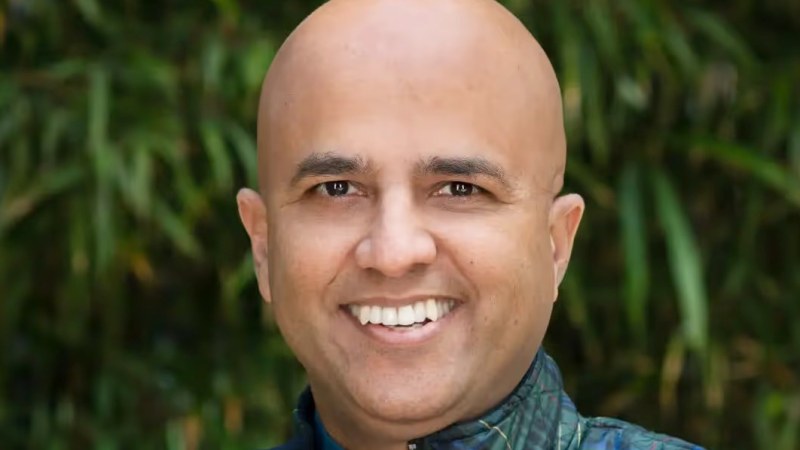
Rajesh Swaminathan
Rajesh Swaminathan is a Partner at Khosla Ventures, where he backs bold founders reinventing how the world powers, builds, and heals itself. With two decades of deep-tech investing experience spanning Bell Labs, Deutsche Bank, Applied Materials' venture arm, and now one of Silicon Valley's most storied VC firms, he leads investments across renewables, industrial decarbonization, advanced manufacturing, critical minerals, compute infrastructure, and the intersection of all of these with AI. A chemical engineer by training who was awarded the President of India Medal at IIT Madras and later earned an MBA from Harvard, Rajesh brings rare depth - scientific rigor, financial discipline, and operational empathy - to backing the founders who will, as he puts it, 'save the world.'