immigrant-founder
(42)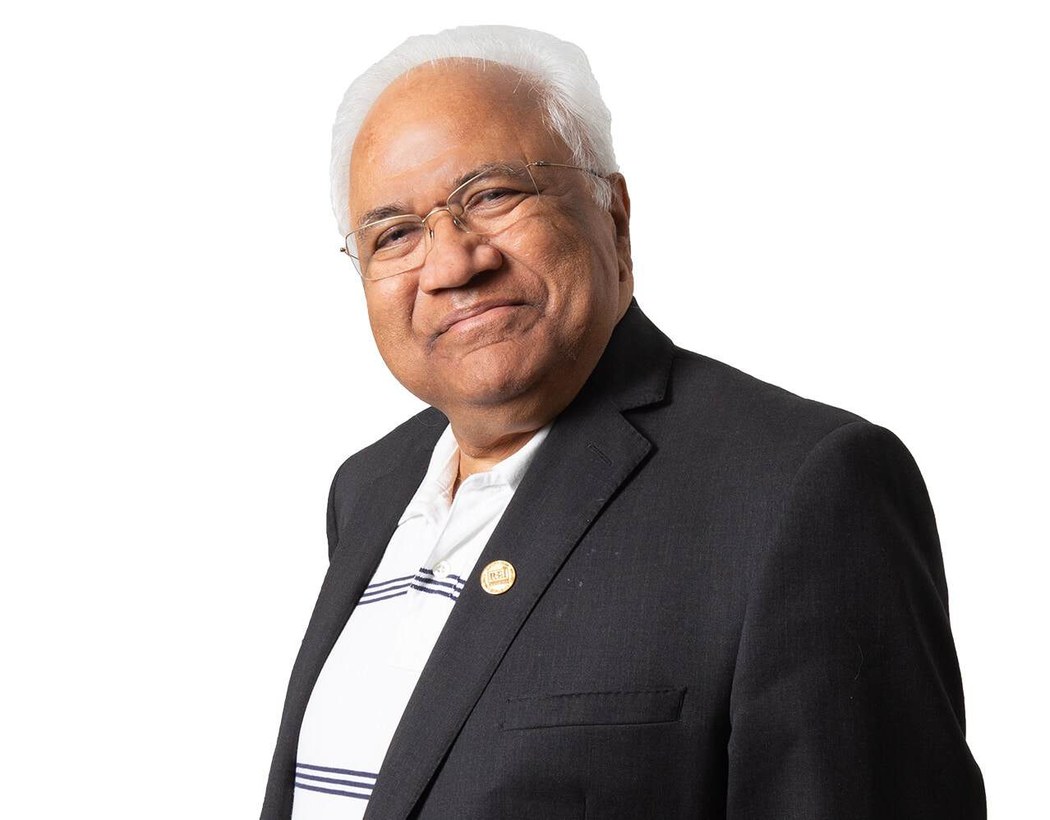
Veer Bhartiya knew when to say no
A contract could have tripled his young company. He and his co-founder passed. The decision helps explain how an engineer from India built a working life around keeping promises.
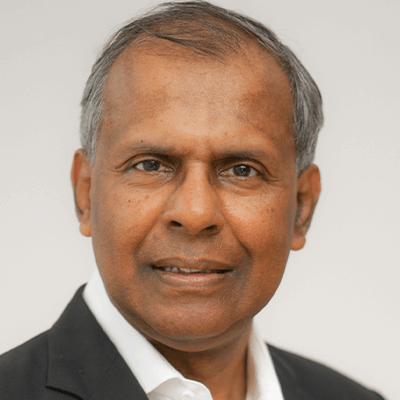
Sanjay Prasad and the education of a second act
He arrived in America after a month at sea, built an independent career, and put his own money into a new venture. Sanjay Prasad’s story turns on a question familiar to anyone starting again: what does experience teach you to notice?
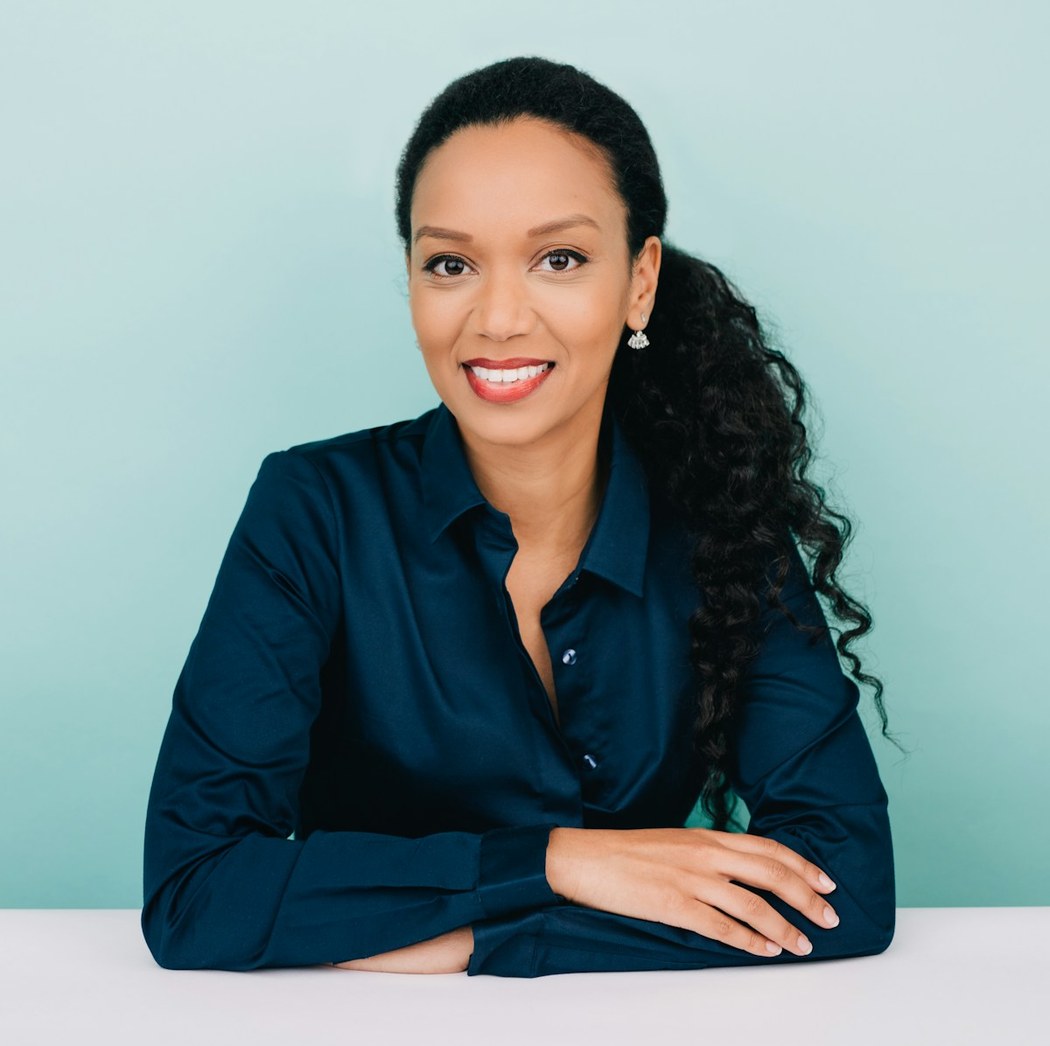
Iman Abuzeid Put the Job Interview in Reverse
A physician heard hospitals complain they could not find nurses, while nurses complained hospitals would not call back. Her answer was to make the employers do the chasing.
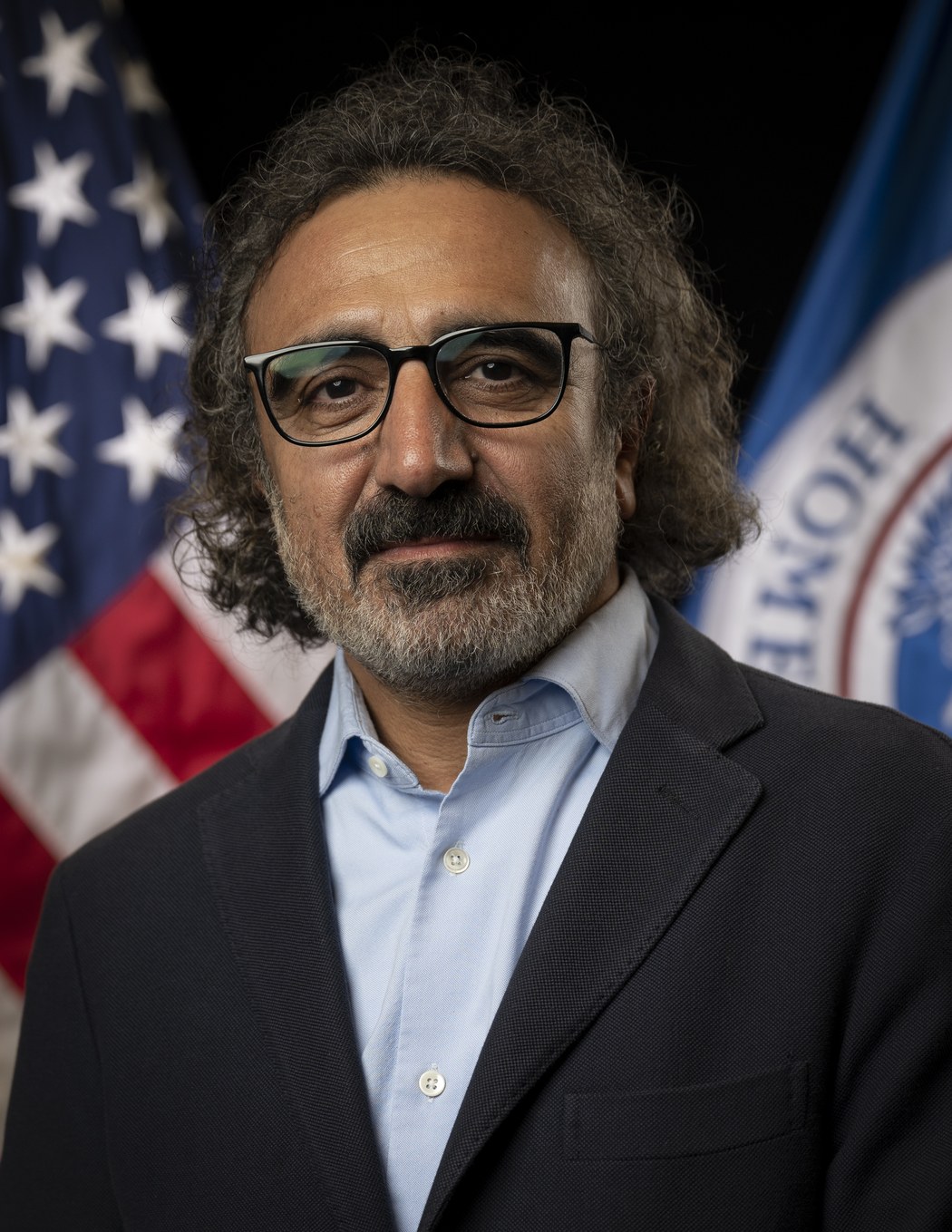
Hamdi Ulukaya Bought the Factory Everyone Else Had Finished With
A junk-mail advertisement led him to a silent yogurt plant in upstate New York. What followed became a food company and a stubborn argument that factories, workers and newcomers deserve another look.
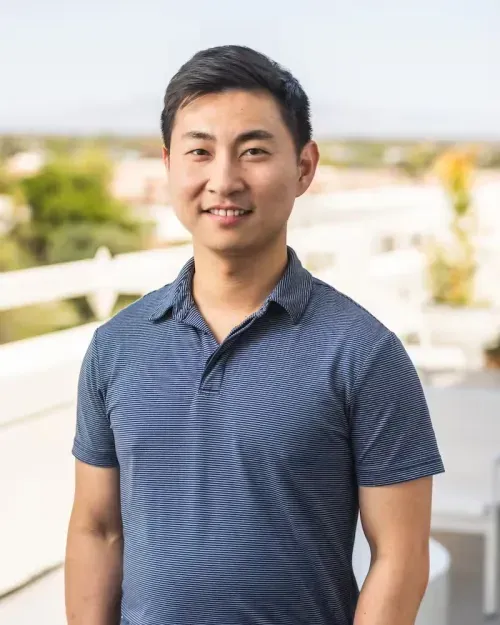
Enoch Ko Learned to Speak in Code. Now He Is Teaching Tax Season to Do Its Own Chores.
A childhood spent changing countries taught Enoch Ko to adapt. A TI-84 taught him to build. Then one startling tax bill led him into the least glamorous corner of accounting - and a company designed to make it run quietly.
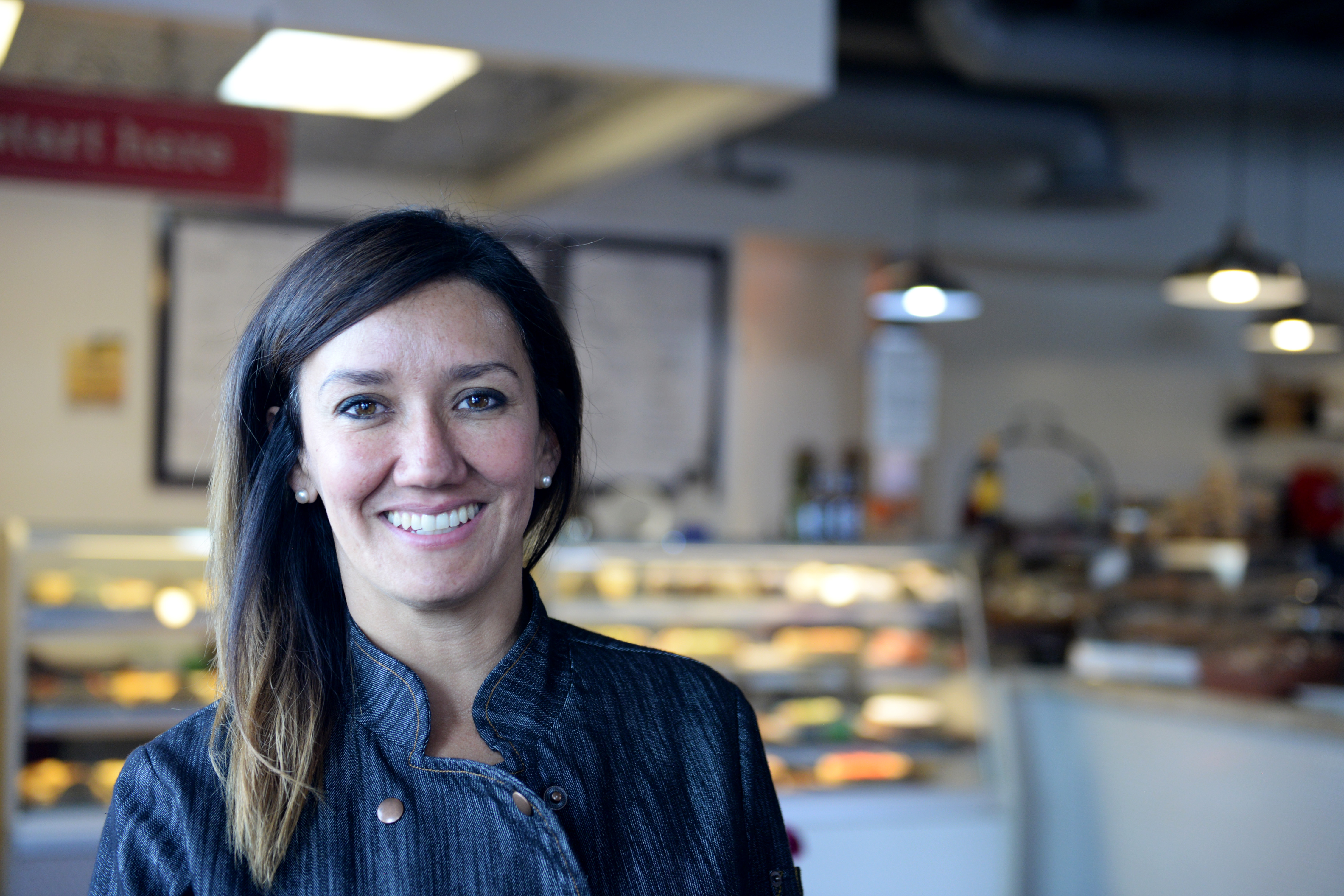
Lorena Cantarovici Put a Family Recipe on a Flight Path
She arrived in Denver with a banker’s instinct for systems and a cook’s memory of home. Fifteen years later, the empanada has carried her mother’s name from a garage kitchen to an airport gate.
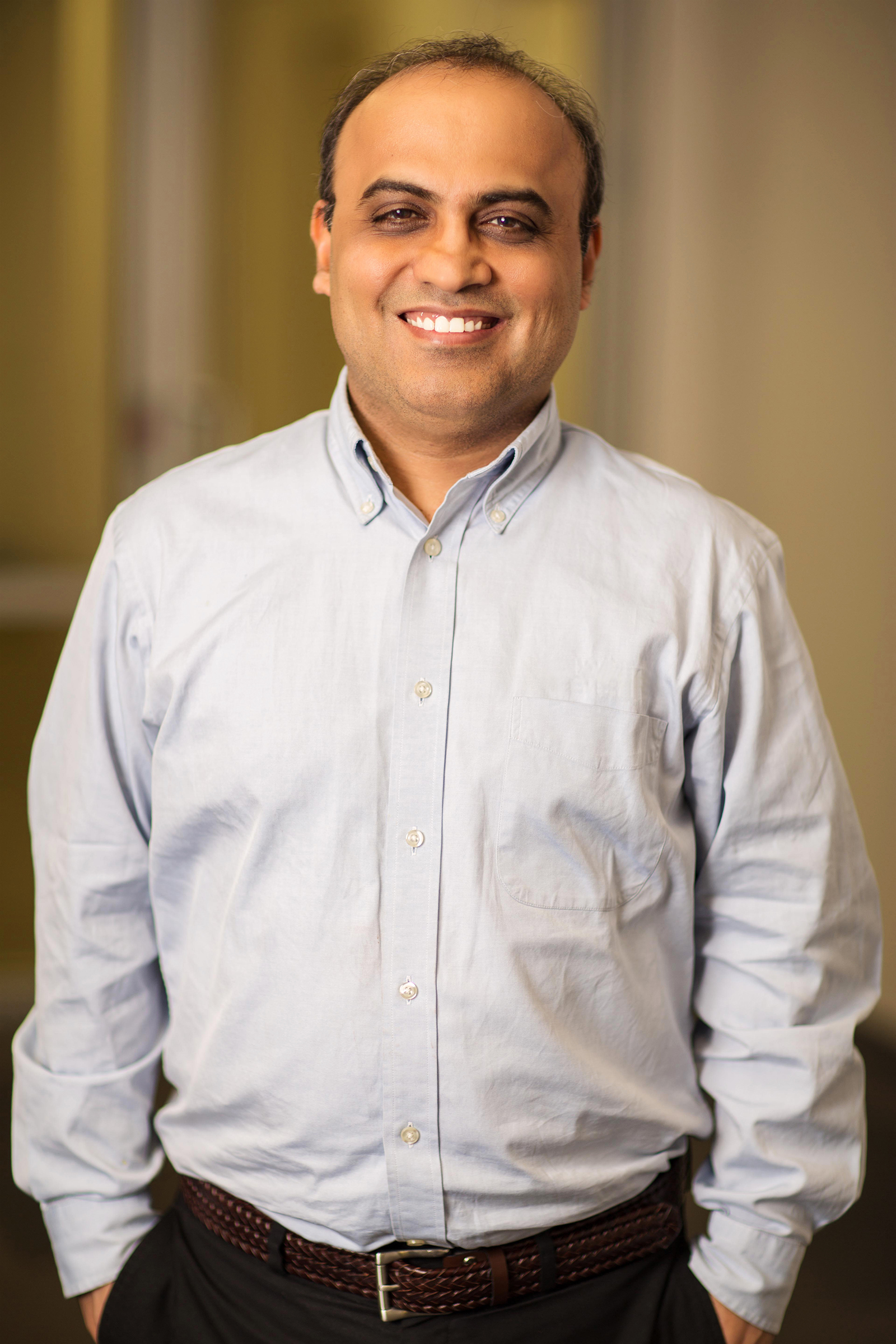
Rohit Arora Built a Lender for the Hours Banks Ignore
Nearly half of Biz2Credit's applicants arrive after business hours or on weekends. Rohit Arora built his career around that inconvenient fact - and the larger idea that a business deserves to be read in real time.
Sheena Menezes
Sheena Menezes is the co-founder and CEO of Simple HealthKit, a Milpitas, California digital health company delivering accurate, affordable at-home diagnostics, treatment, and follow-up care. A biochemist with a PhD from UC Santa Barbara, where she discovered a novel tRNA methylase, she built her career in in-vitro diagnostics before founding Simple HealthKit to close socioeconomic gaps in healthcare access. Born and raised in Kuwait with Indian-Portuguese roots, she has been recognized by Fierce Healthcare as one of its Most Influential Minority Executives in Healthcare and named to Inc.'s 2025 Female Founders 500.
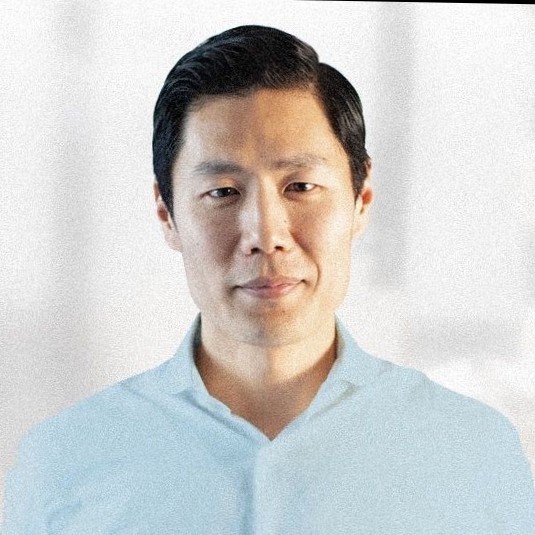
Yong Kim
Yong Kim is the co-founder and CEO of Wonolo, an on-demand staffing marketplace that connects businesses with more than one million frontline workers across the United States. Born in Seoul, he moved alone to a New Hampshire boarding school at 15, graduated as valedictorian, and went on to the University of Chicago and Harvard before a career in tech investment banking at Deutsche Bank. A stint at a Coca-Cola innovation accelerator exposed the broken state of hourly staffing and led him to launch Wonolo in 2014. The company has raised roughly $200 million, including a Sequoia-led round, and Kim has become a prominent voice for treating gig and hourly workers with dignity, flexibility, and fair pay.
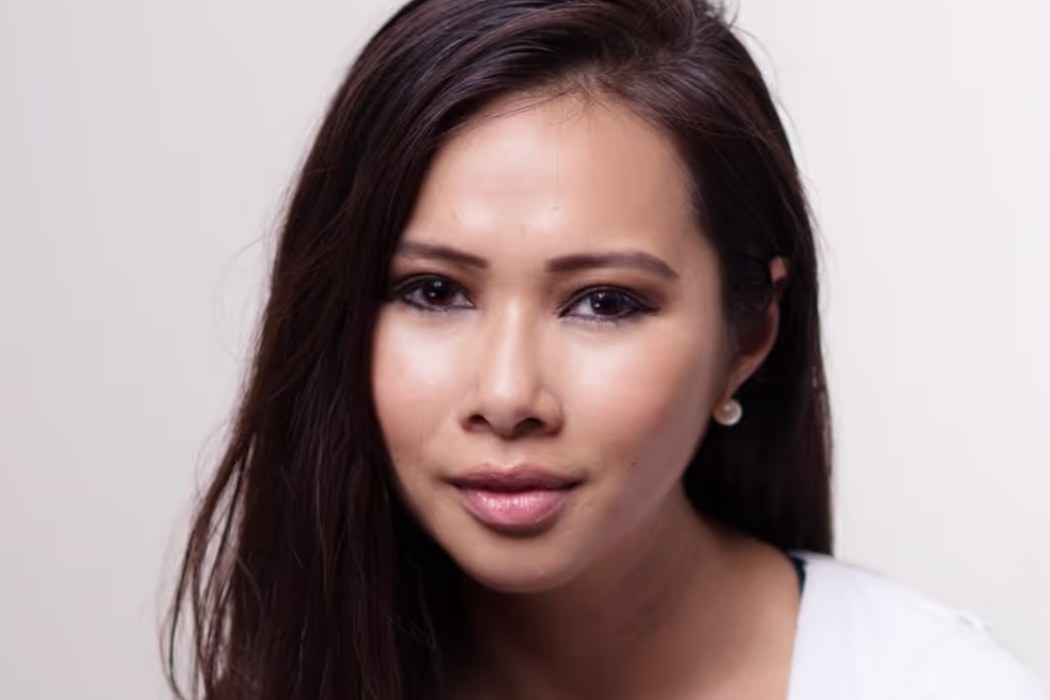
Katie Fang
Katie Fang is the founder and CEO of SchooLinks, an Austin-based education technology company whose college and career readiness platform serves millions of K-12 students across U.S. school districts. Born in Shanghai and educated across four countries, she taught herself to code and built the first version of the product with $5,000 in savings, then grew it from a student-facing app into an enterprise SaaS platform that school districts use to track and improve student outcomes. Named to Forbes 30 Under 30 in Education, she has taken SchooLinks onto the Inc. 5000 list three years running and raised roughly $90 million in venture funding through a 2024 Series B.
Michael Malakhov
Michael Malakhov is the founder and CEO of Carpool Logistics, an Atlanta-based technology company that modernizes how cars move across the supply chain by bundling vehicle shipments to cut costs and emissions. After nearly two decades in freight and automotive logistics - 16 years at C.H. Robinson and an executive role at ACERTUS - he launched Carpool in 2021. The company has shipped more than 150,000 vehicles for over 1,800 clients and raised a $12M Series A in 2025 led by Wavecrest Growth Partners with participation from CarMax. An immigrant who says he has lived under communist, socialist, and American systems, Malakhov is a vocal believer that 'the American dream is alive and well.'
Hami Babai
Hami Babai is the founder and CEO of Power Kiosk, a Chicago-based cloud platform that turned the messy, paper-heavy world of energy procurement into an online marketplace connecting brokers, suppliers, and customers. An Iranian immigrant who landed in Chicago at 21 with $4,000 and no credit, he earned a Ph.D. in engineering from Northwestern, bootstrapped Power Kiosk for roughly four years, and grew it into one of North America's largest energy brokerage platforms - licensed across dozens of states and provinces and credited with returning well over $100 million in savings to customers.
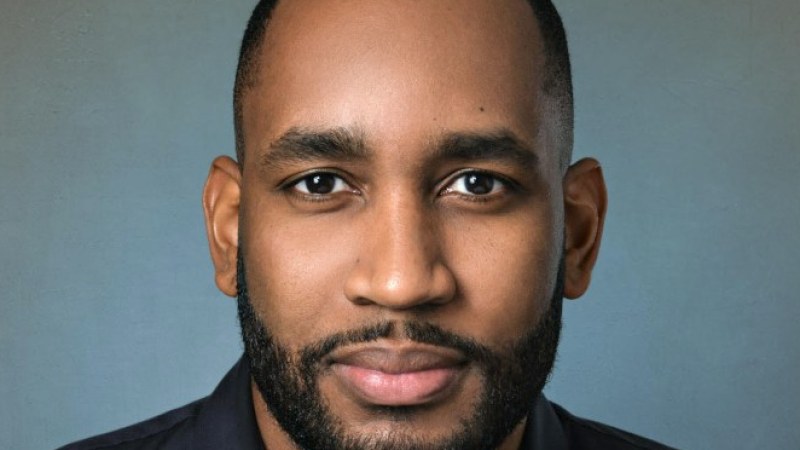
Hantz Févry
Hantz Févry is the founder and CEO of Geolava, a San Francisco spatial-intelligence startup that turns satellite, LiDAR, aerial, street-level and government data into searchable answers about buildings and infrastructure. A Haitian immigrant who built an earthquake early-warning system at age 20, he went on to lead AI research for Google Assistant's hotword (a team that became part of DeepMind), then founded the gig-economy mapping company Stoovo - which mapped 130 million U.S. buildings and was acquired in 2024. In July 2025 he raised a $4.3M seed round for Geolava, betting that spatial intelligence will reshape real estate and infrastructure.
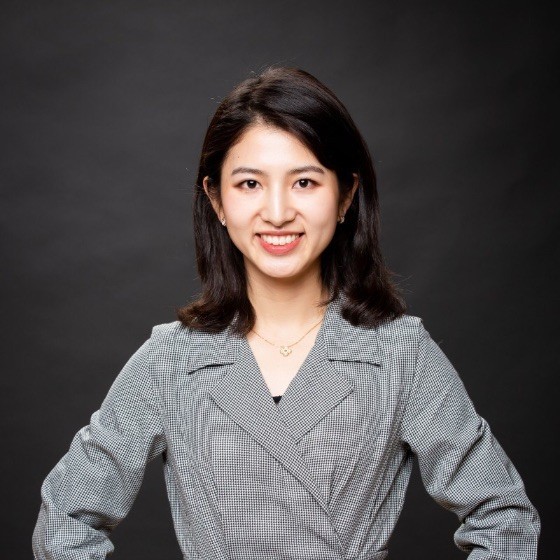
Candice Xie
Candice Xie is the co-founder and CEO of Veo, the micromobility company she started in 2017 from West Lafayette, Indiana, while still in her twenties. A finance analyst by training rather than a Silicon Valley engineer, she built Veo into the first North American shared-micromobility operator to reach unadjusted EBIT profitability - reaching roughly $52 million in revenue on about $16 million of total funding, while competitors raised billions and flamed out. Calling herself an 'anti-tech bro' CEO and the 'tortoise' of the scooter race, she designs vehicles in-house, expands one city at a time, and won the largest exclusive micromobility contract in the United States with Denver.
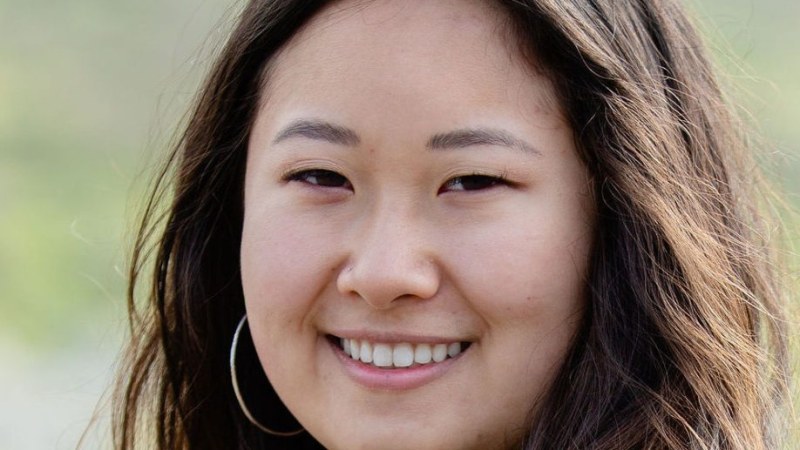
Phoebe Yao
Phoebe Yao is the founder and CEO of Pareto.AI, a talent-first human data platform that recruits and trains the top sliver of expert labelers to produce high-quality training data for the world's leading AI labs. A Chinese-American immigrant, classical violist, 2020 Thiel Fellow and Forbes 30 Under 30 honoree, she dropped out of Stanford during the pandemic to build what began as a bootcamp training women as remote virtual assistants and pivoted in 2023 into the human-data backbone for AI research. Her companies have worked with the likes of Character.AI and Imbue and researchers at Stanford and UPenn, all anchored by a single conviction: the humans behind AI deserve to be treated as experts, not anonymous clickworkers.
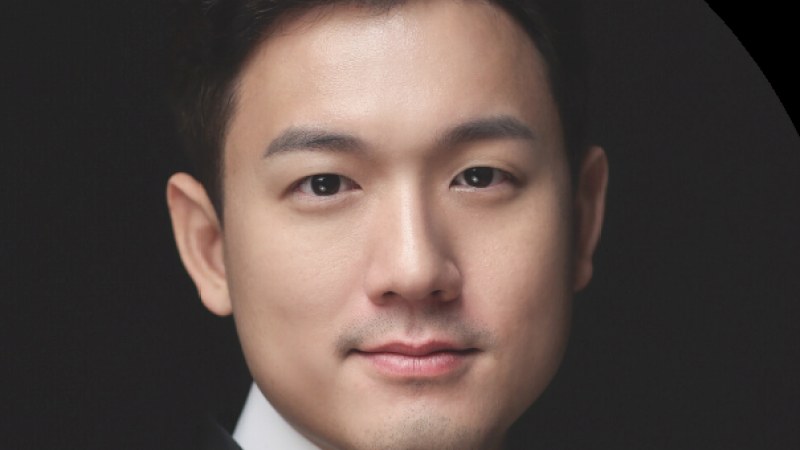
Scott Lee
Scott Lee is the founder and CEO of Gooroo, a New York based education technology company building an AI-driven platform that matches students with the right tutor and bundles online courses, clubs and progress tracking under one roof. Born in Seoul and arriving in the US at 16 without speaking English, he leaned on tutors and mentors to find his footing, studied engineering at Columbia, paused to serve as a sergeant in the South Korean army, and worked as an analyst in JP Morgan's Chief Investment Office before going all in on education. He has raised more than $8 million and serves thousands of students worldwide, with a stated mission to make quality, personalized learning accessible to everyone.

Shiza Shahid
Shiza Shahid is a Pakistani-American entrepreneur, investor, and activist. She co-founded the Malala Fund with Nobel laureate Malala Yousafzai and served as its founding CEO, then went on to co-found and co-lead Our Place, the cookware brand behind the viral Always Pan. She also founded NOW Ventures, an early-stage fund backing mission-driven founders. Her work braids together social impact, immigrant identity, and the everyday ritual of cooking.
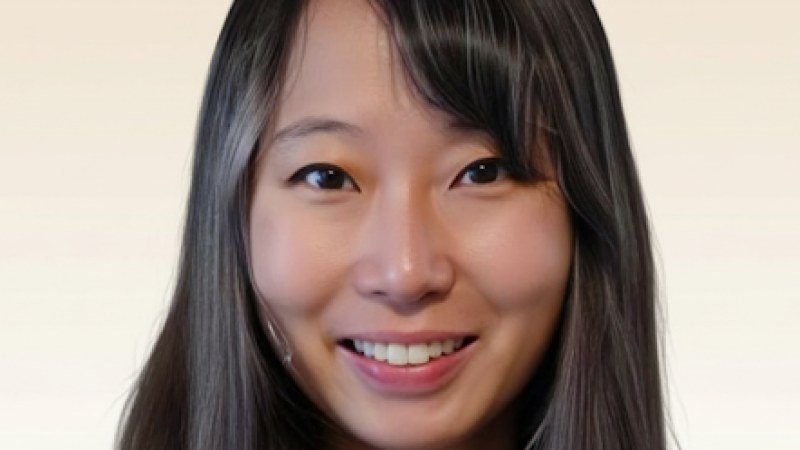
Snow Huo
Snow Huo is the co-founder and CEO of Langfinity (formerly Byrdhouse), a San Francisco AI company building real-time voice and video translation across 100+ languages for global teams. A former remote Chinese interpreter and product leader at Groupon, Chowbus, and Disney, she moved to the US at 17 and was teased for not speaking English - an experience that became the founding seed for a tool that lets people understand each other instantly, no matter the language they speak.
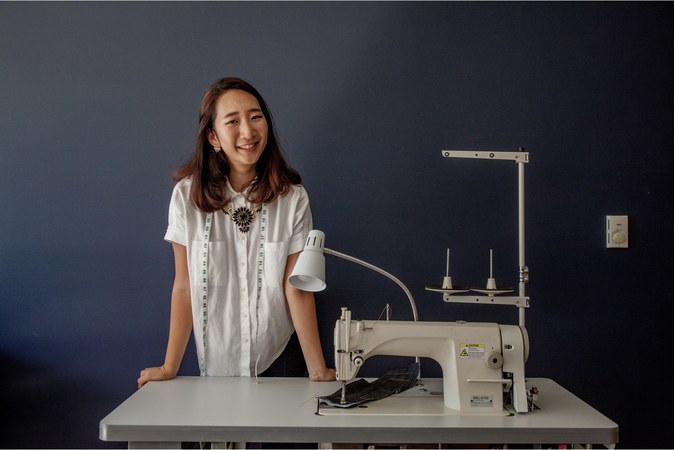
Allison Lee
Allison Lee is the co-founder and CEO of Revive, a New York fashion-tech company that helps brands recover value from returned and unsellable inventory through AI-driven inspection, refurbishment, and resale. A Korean immigrant who arrived in the U.S. at 13 and studied psychology at UC Berkeley, she first built Hemster, a SaaS tailoring platform, in 2017. When the pandemic stalled in-store tailoring, she pivoted the underlying fit-data infrastructure into Revive, which she has grown 46x in under a year and which has processed roughly $23M in merchandise. She is a 2019 Forbes 30 Under 30 honoree.
Anada Lakra
Anada Lakra is the co-founder and CEO of BoldVoice, an AI-powered accent and speech coaching app for non-native English speakers. Born and raised in Albania, she studied English for a decade before arriving at Yale, where being asked to repeat herself sparked the idea that became BoldVoice. After Yale and an MBA from Harvard Business School, with product stints at Peloton and consulting work along the way, she and co-founder Ilya Usorov built a Y Combinator-backed app that pairs Hollywood dialect coaches with real-time AI feedback. BoldVoice has crossed 5 million downloads, serves professionals in 150+ countries, reached $10M+ in ARR with a team of seven, and raised a $21M Series A in January 2026 led by Matrix.

Adrian Ridner
Adrian Ridner is the CEO and Co-Founder of Study.com, one of the world's most visited online education platforms serving 34+ million monthly users. An Argentine-Jewish immigrant who navigated multiple countries before settling in California, Ridner built Study.com from a bootstrapped startup in 2002 into a 4,100-person company offering 20,000+ micro-video lessons and 200+ transferable college courses. His Working Scholars program has saved graduates $20 million in tuition and is particularly focused on first-generation college students and students of color. Ridner is a recipient of the ASU+GSV 2022 Innovator of Color Award and Silicon Valley Business Journal's 40 Under 40.
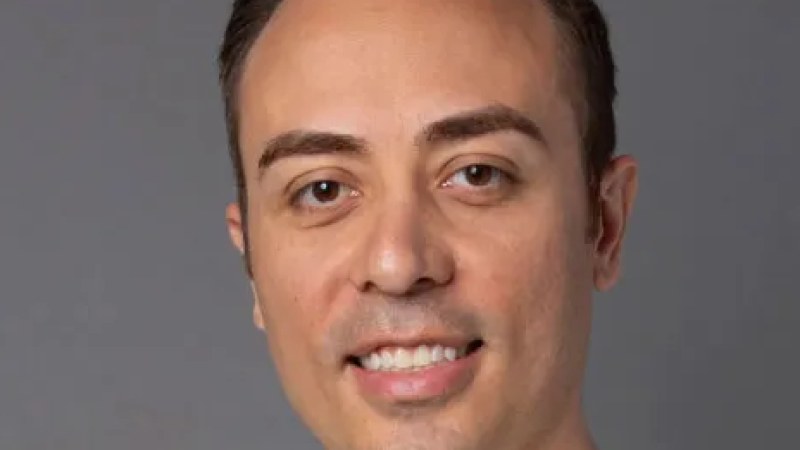
Alexander Gallego
Alexander Gallego is the founder and CEO of Redpanda Data, a San Francisco-based streaming data platform that reached unicorn status in April 2025 after raising $100M in Series D funding led by GV. A Colombian immigrant who moved to the US at 14, Gallego built a storage engine at Akamai that outperformed Kafka by 34x, then left to found Redpanda in 2019 with a singular mission: make real-time data infrastructure simple enough to deploy in 60 seconds. Today Redpanda powers mission-critical systems for Fortune 1000 companies, government contractors, and telecom firms, processing up to 14GB/second sustained throughput, and is pivoting toward enterprise agentic AI infrastructure as autonomous agents reshape how applications are built.
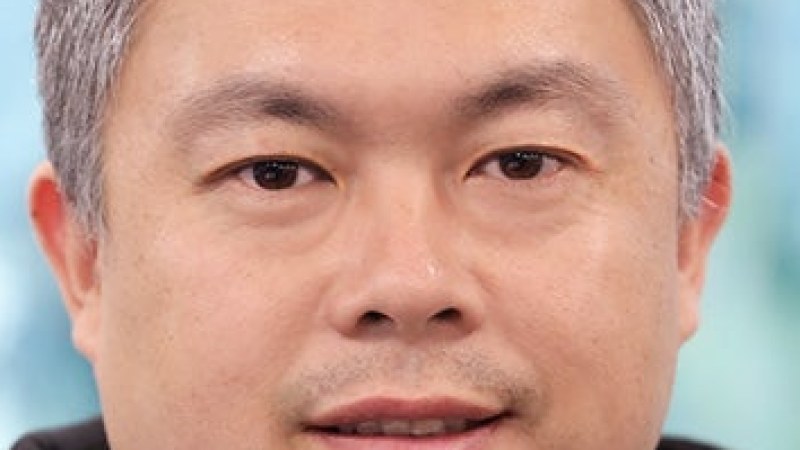
Larry Liu
Larry Liu is the Founder and CEO of Weee!, North America's largest and fastest-growing Asian online grocery platform. Born in Wuhan, China, he came to the US via an Intel engineering role in 2003, earned an MBA from UC Davis in 2008, and launched Weee! in 2015 after noticing Chinese immigrants using WeChat to organize group grocery buys. He built the company from a Bay Area WeChat group into a $4.1 billion unicorn with $1 billion in annual revenue, delivering 1 million orders per month across 40+ states and serving seven ethnic cuisines including Chinese, Japanese, Korean, Vietnamese, Filipino, Indian, and Hispanic communities.
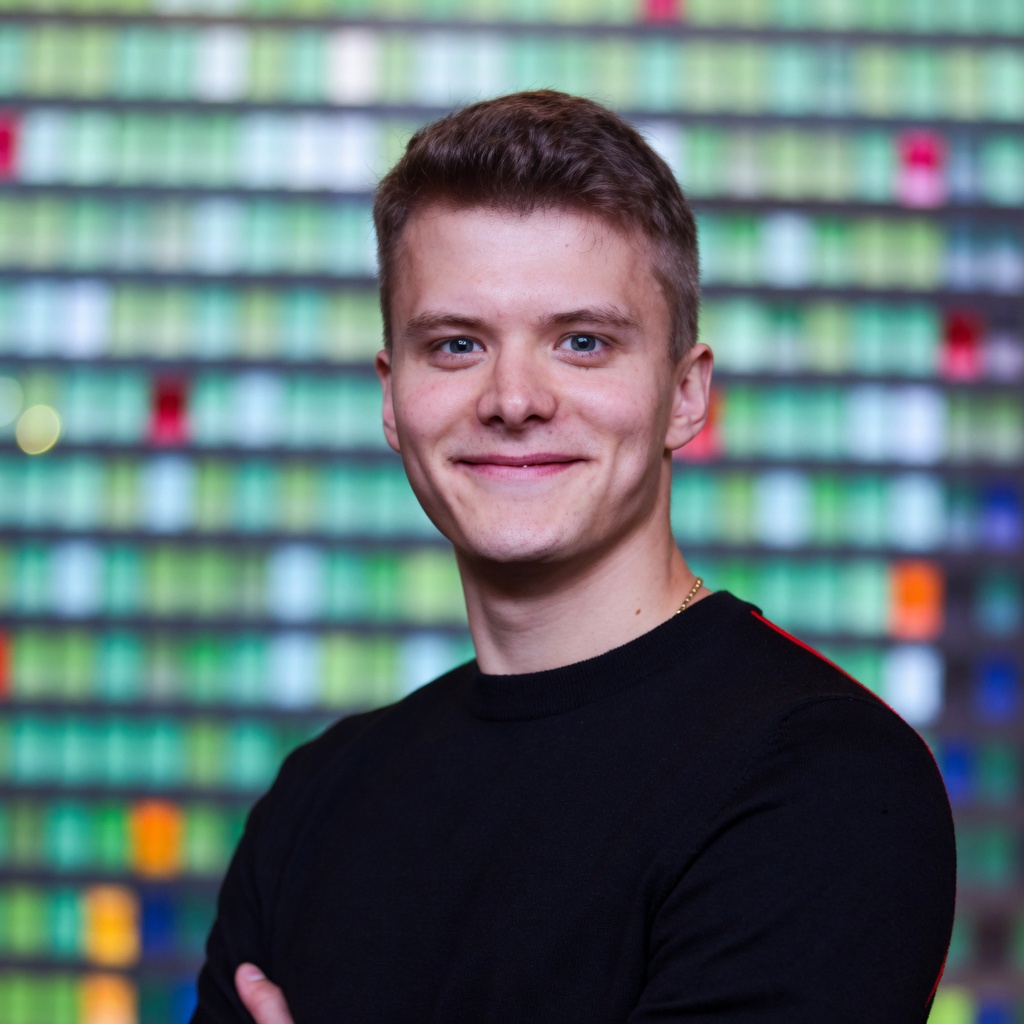
Maxim Serebryakov
Maxim Serebryakov is the Co-Founder and CEO of Sanas, a Palo Alto-based AI company building the world's first real-time Speech Understanding Platform. Born in New York and raised in Russia, Serebryakov co-founded Sanas at Stanford with two fellow international students after witnessing a friend face accent discrimination in a contact center. The company's AI modulates accents in real time while preserving a speaker's voice, tone, and emotion - serving 150,000+ live agents across 39 countries. Sanas has raised $149.2M in total funding, including a $65M Series B led by Quadrille Capital in February 2025.

Max Wang
Max Wang is the Co-Founder and CTO of Workstream, a San Francisco-based HR and payroll platform built specifically for America's hourly workforce. He co-founded China's AngelList equivalent (VC.CN) in 2011, built it to a 50-person team, then crossed the Pacific to co-build Workstream with Desmond Lim and Lei Xu after a 100-interview discovery sprint revealed that hiring hourly workers was a massive unsolved problem. Today, Workstream serves 4,000+ businesses across 24,000 locations, has raised $118 million, and is deploying AI tools - including VoiceAI - to compress hiring cycles from weeks to hours for restaurants, franchises, and deskless-workforce employers.
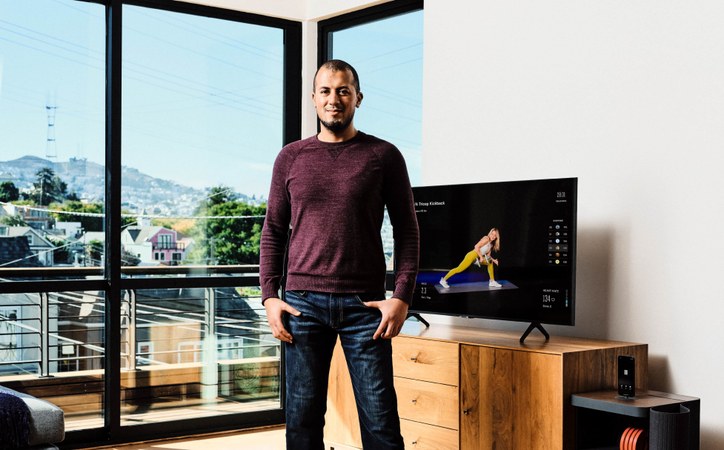
Moawia Eldeeb
Moawia Eldeeb is the CEO and Co-Founder of Tempo, a San Francisco-based AI-powered home fitness company that raised $316M and uses 3D sensors and computer vision to deliver real-time form correction and personalized training. Born in Alexandria, Egypt, he immigrated to the US at age 9, dropped out of school in 6th grade to work 12-hour shifts at a pizza restaurant, survived homelessness in a Harlem shelter, and put himself through Columbia University by working as a personal trainer - before building one of the most-funded fitness tech startups in history.

Purva Gupta
Purva Gupta is the co-founder and CEO of Lily AI, the Mountain View-based AI platform that bridges the gap between how retailers describe products and how consumers actually search for them. Founded in 2015 after her own frustrating experience shopping online as a newly arrived immigrant from India, Gupta built Lily AI into an enterprise-grade solution serving major retailers including Macy's, Bloomingdale's, J.Crew, and thredUP. The company has raised $62 million in total funding, achieved triple-digit year-over-year growth, and is recognized as a Deloitte Technology Fast 500 company. A Tory Burch Fellow, Ad Age Leading Women honoree, EY Entrepreneur of the Year finalist, and venture partner at Unshackled Ventures, Gupta has become a prominent voice in retail AI and immigrant entrepreneurship.
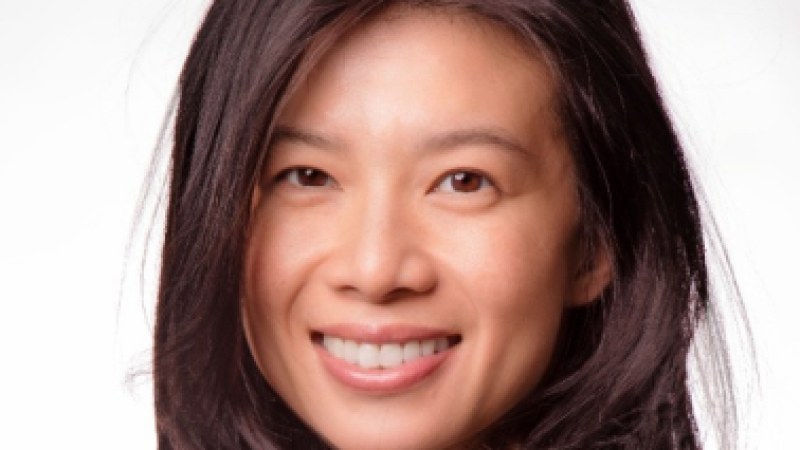
Wei Deng
Wei Deng is the CEO and founder of Clipboard Health, a San Francisco-based healthcare labor marketplace that connects nurses and other healthcare professionals with open shifts at facilities like nursing homes and hospitals. Founded in 2016 and backed by Sequoia Capital and IVP, the company achieved unicorn status at a $1.3B valuation after raising $94M in total funding. A Yale College and Yale Law School graduate, Deng pivoted through six to eight business models before discovering that flexible, on-demand shift matching was the key to solving healthcare staffing shortages. Known for her relentless persistence — she pitched facilities seven months pregnant — Deng built Clipboard Health into a platform serving over 5,000 facilities across the United States.
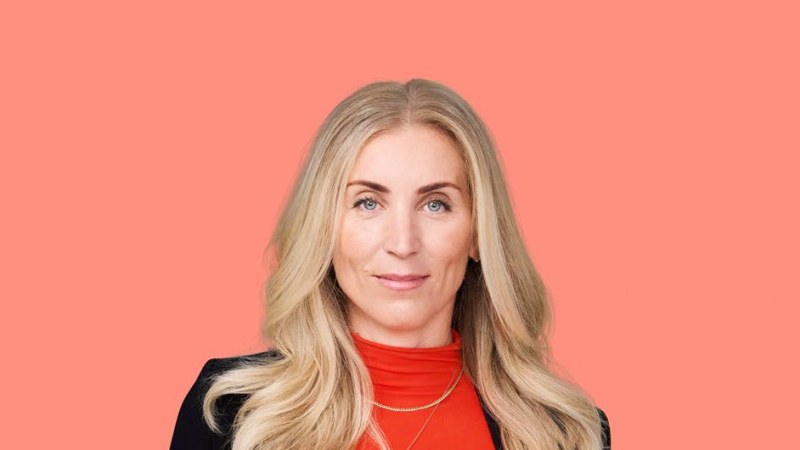
Frédérique Dame
Frédérique Dame is a General Partner at GV (Google Ventures), where she leads investments in consumer technology, life sciences, and AI. A French immigrant who moved to Silicon Valley at 24, she built her career as a product and engineering leader at Yahoo!, Photobucket, SmugMug, and Uber — where she helped scale the company from 80 employees to 7,000+ across 68 countries. At GV she co-leads the Women's Health investment team and has backed companies including Midi Health, Found, Allara, Oula Health, and TMRW. She serves on the board of Les Mills International and previously on Ubisoft's board, and was named to Rock Health's Top 50 in Digital Health.
Jinlin Wang
Jinlin Wang arrived in the United States in 1996 with $50 in his pocket and a borrowed one-way ticket to pursue a PhD in electrical engineering. Three decades later, he is General Partner at Foothill Ventures, an early-stage fund that has backed seven seed-stage unicorns - five of them founded by Chinese immigrant engineers. Wang's career spans big tech (PeopleSoft, Oracle, Yahoo, Microsoft), startup founding (Auryc, acquired by Heap in 2022), and venture investing through three successive funds totaling over $311M. He holds 7 patents and a cross-disciplinary worldview shaped by Tsinghua University, the University of Connecticut, and Stanford - a combination that informs his conviction that the most interesting startups sit at the edges between fields.