healthcare-founder
(35)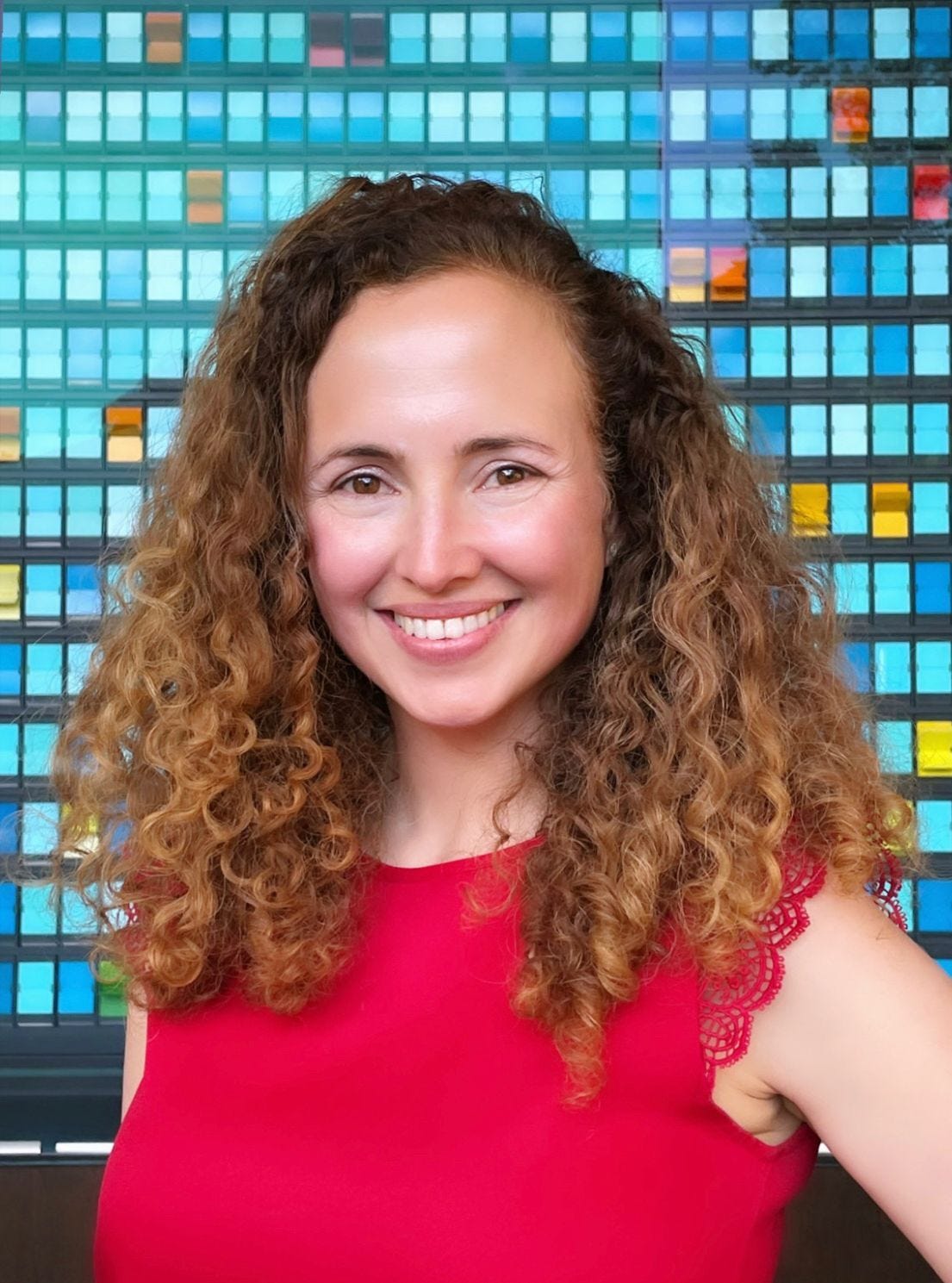
Naama Breckler Keeps Building for the Part Everyone Else Calls Complicated
Four companies in, the software engineer turned CEO has a durable method: get close to the customer, distrust the broad pitch, and make the tedious middle disappear.

Matthew Wetschler Treats Company-Building Like a Creative Practice
The Plume co-founder took a scenic route through art, athletics, public service, medicine and startups. The thread connecting it all is a stubborn belief that systems should be designed around the people who actually use them.
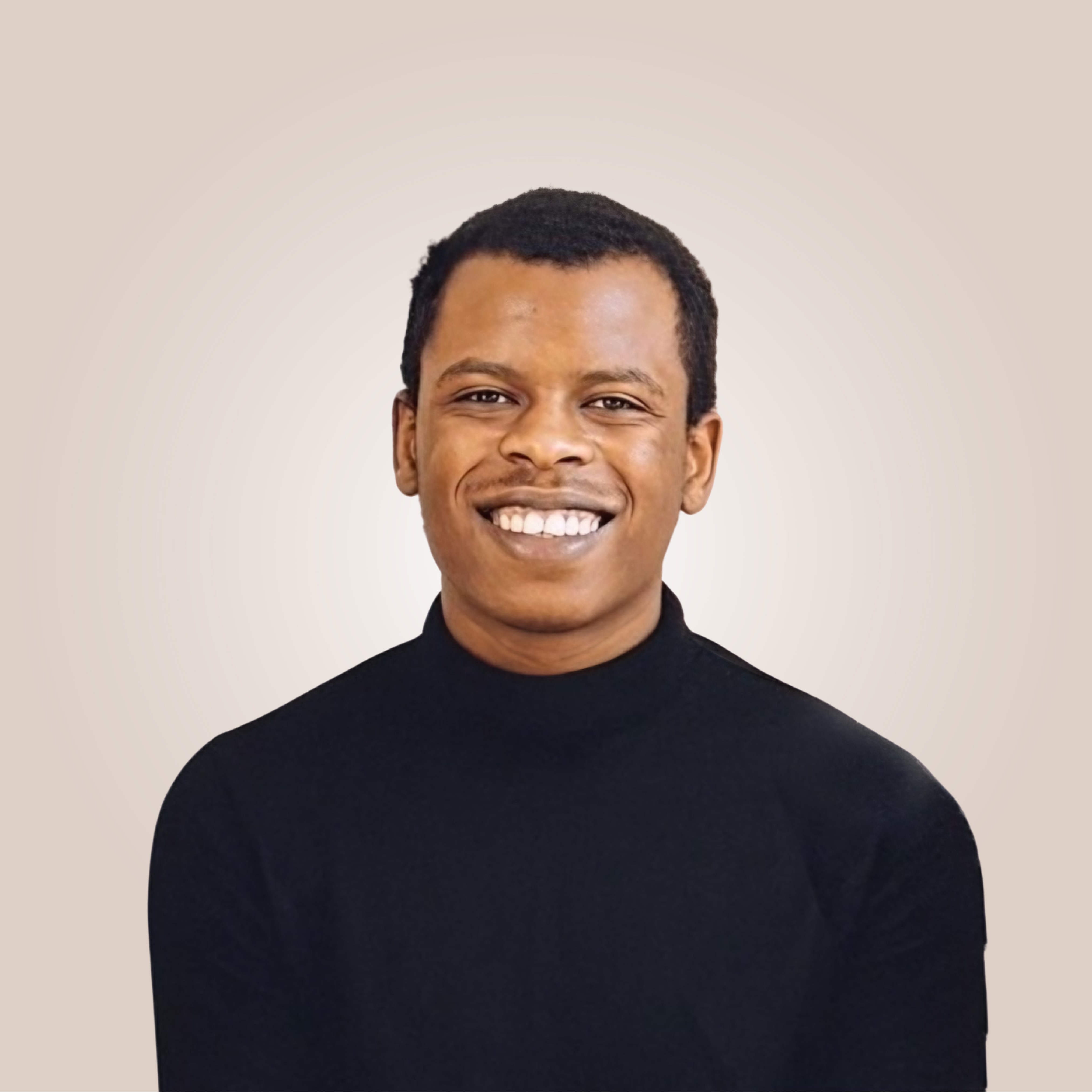
Joseph Kitonga Put a Healthcare Idea in a Mall Kiosk - Then Took It Nationwide
A family business exposed the gap. A $10,000 student prize funded the first attempt. Joseph Kitonga built Vitable by meeting workers face to face, then kept widening the map.
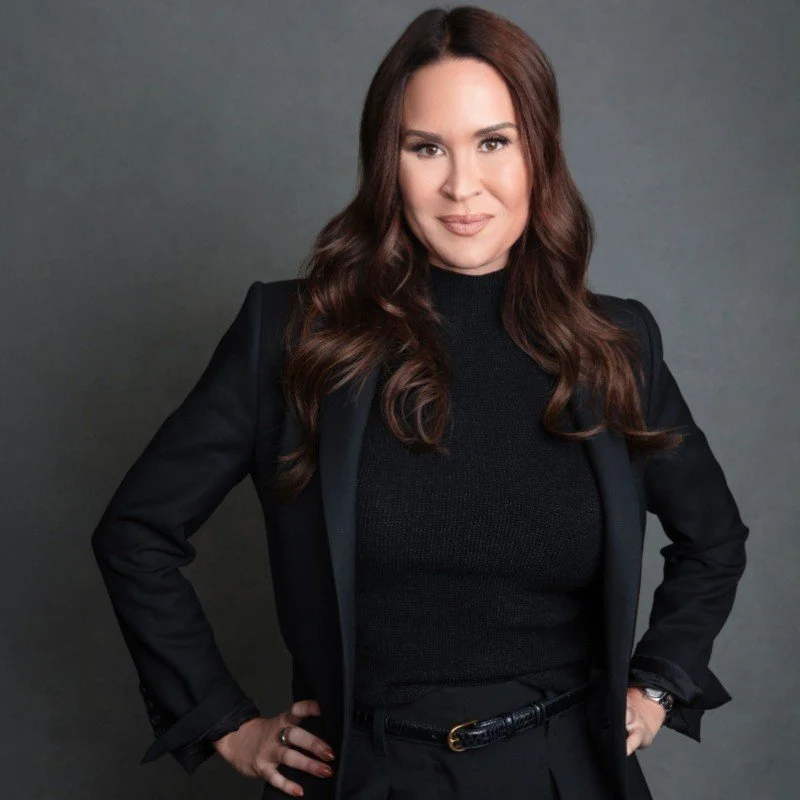
Noel Pugh Built a Career in the Gaps - Then She Built Lōvu
Before Lōvu was a company, it was a pattern Noel Pugh had spent two decades noticing: the consequential work of care often happens in the blank spaces between institutions, appointments and people.
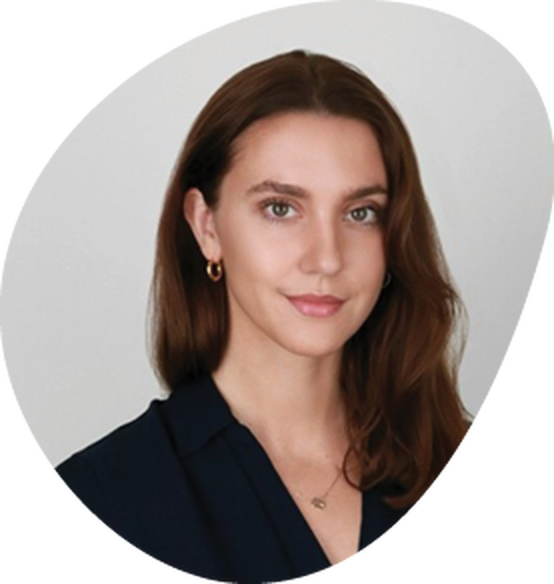
Hannah McKenney-Klepcha Is Building a Company Around the Data We Flush Away
The Starling CEO has spent her career turning overlooked routines into design briefs. Her wager is simple: the most useful health technology may be the one people barely notice using.
Patrick Nelli Put a CFO’s Spreadsheet at the Front Door of Primary Care
A physics graduate became a healthcare investor, an IPO-era CFO, and finally a founder. His bet is elegantly financial: pay independent doctors for value, give employees a real choice, and let better primary care earn its place on the spreadsheet.
Sandra Abrevaya Knows How to Turn a Public Mission Into an Operating System
Before she built a company, Sandra Abrevaya learned how power actually moves - through campaigns, coalitions, city halls and the stubborn work of getting people into the same room.
Scott Shreeve Put Primary Care on the Employer's Payroll - Then Took It Nationwide
An emergency doctor learned that the waiting room was often the last stop in a much longer systems failure. His response was an unusual business lesson: when patients would not buy a new care model one by one, sell the architecture to the employer.

Roohi Jeelani Is Building the Clinic She Wishes the System Had Designed
The physician-scientist spent years studying the gaps between research, clinics and patients. At Onto Health, she is turning those observations into an operating model - one deliberate fix at a time.
Jon Bloom Learned to Build Care Before the Crisis
A physician left the operating room, found a team at an MIT hackathon, and spent the next decade turning a 20-second daily ritual into an argument for earlier, calmer care.

Ephraim Dickinson Built the Orthopedic Front Door He Wanted to Walk Through
A surgeon with an operator's eye turned a familiar patient frustration into a practice model: faster access, fewer handoffs, and one continuous path back to motion.
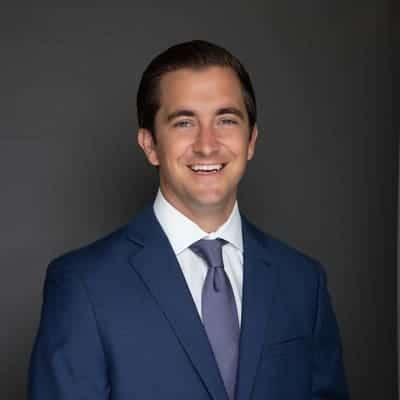
Mark Daley Built the Last-Mile Machine Behind Clinical Trials
A biology graduate became a research coordinator, then built the local operating layer between ambitious study protocols and the people who make them possible. Conquest Research is now a six-location network across Florida, Virginia and Georgia.
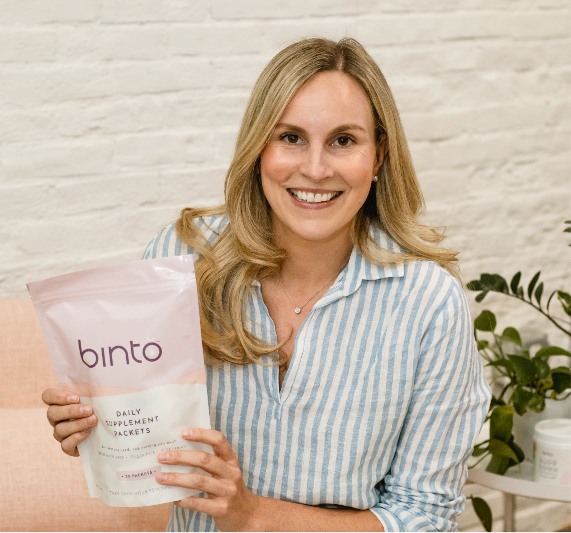
Suzie Devine Built BINTO by Treating Confusion as a Product Brief
The Philadelphia nurse-turned-founder built a company from questions nobody owned - then learned that the durable kind of growth begins when you stop confusing motion with progress.

Joel Theisen Is Building a Company Around the Part of Aging the System Forgot
The nurse-turned-founder spent two decades turning a frontline frustration into Lifespark. His wager is simple: the future of senior living begins with a life, not a list of services.
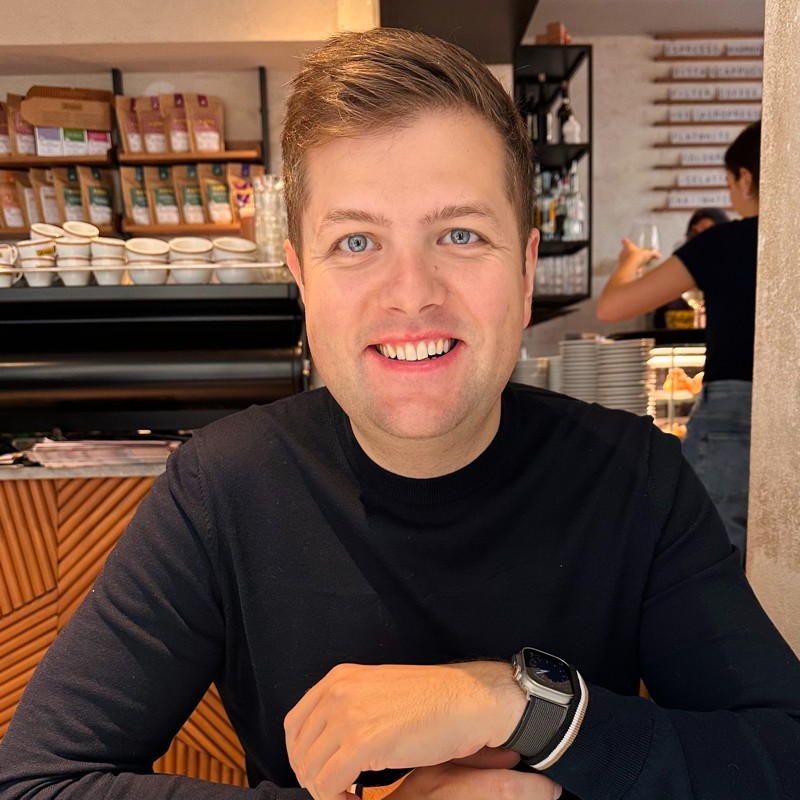
Christopher McGhee Sold Current Health for $400 Million. Then He Bought It Back.
A medical student turned a family frustration into a care-at-home company, sold it to Best Buy, walked away, and returned for an unusual second act: making the hard parts of healthcare happen beyond hospital walls.
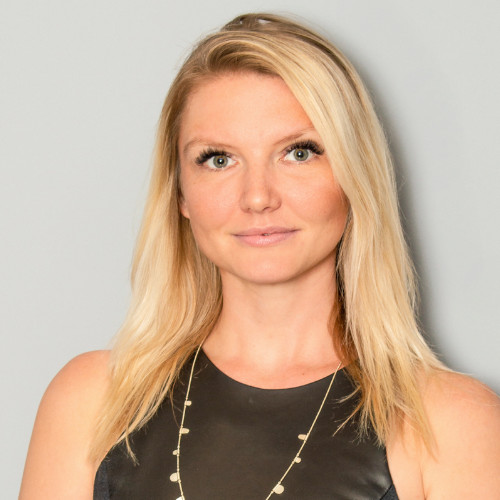
Anna Lindow Built for the Patients the Startup Playbook Forgot
She took lessons from media, education and one stubborn Miami launch, then built a national company around an unfashionable question: who gets left out when convenience becomes the product?
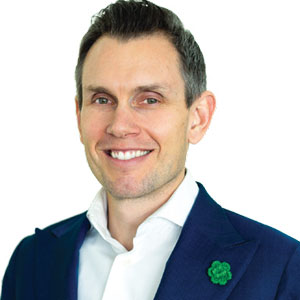
Nick Luekenga Built a Company Around the Signal Nobody in the Operating Room Could Afford to Miss
A surgeon's discomfort became an operator's question: what if the nervous system could speak more clearly during surgery? Two decades later, Luekenga is still building around that answer.
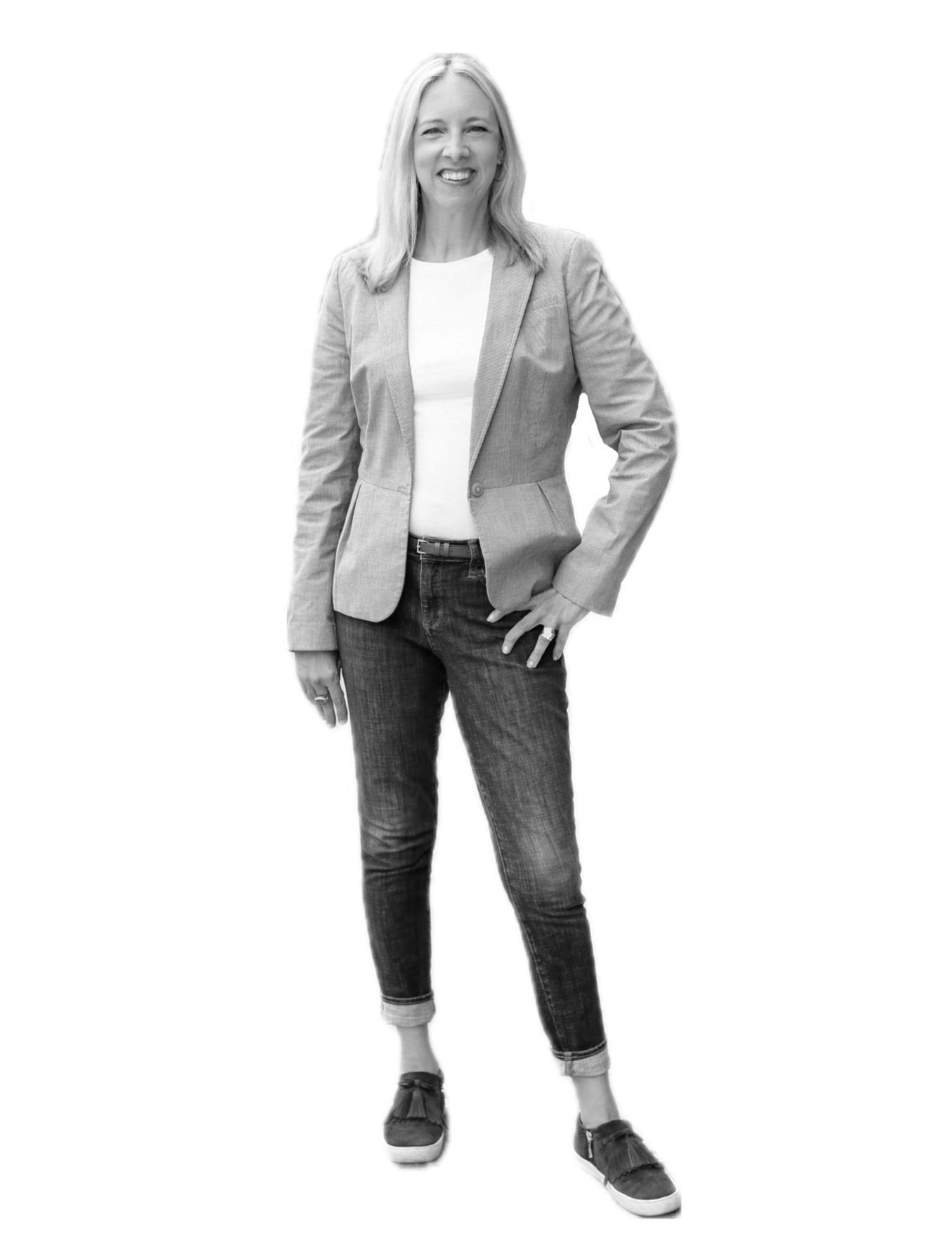
Tiffany Mullen Left the 10-Minute Visit and Built a Company Around Time
The Vytal Health founder traded a large health system for the unruly work of building a company - and made the unscalable act of listening the center of its model.
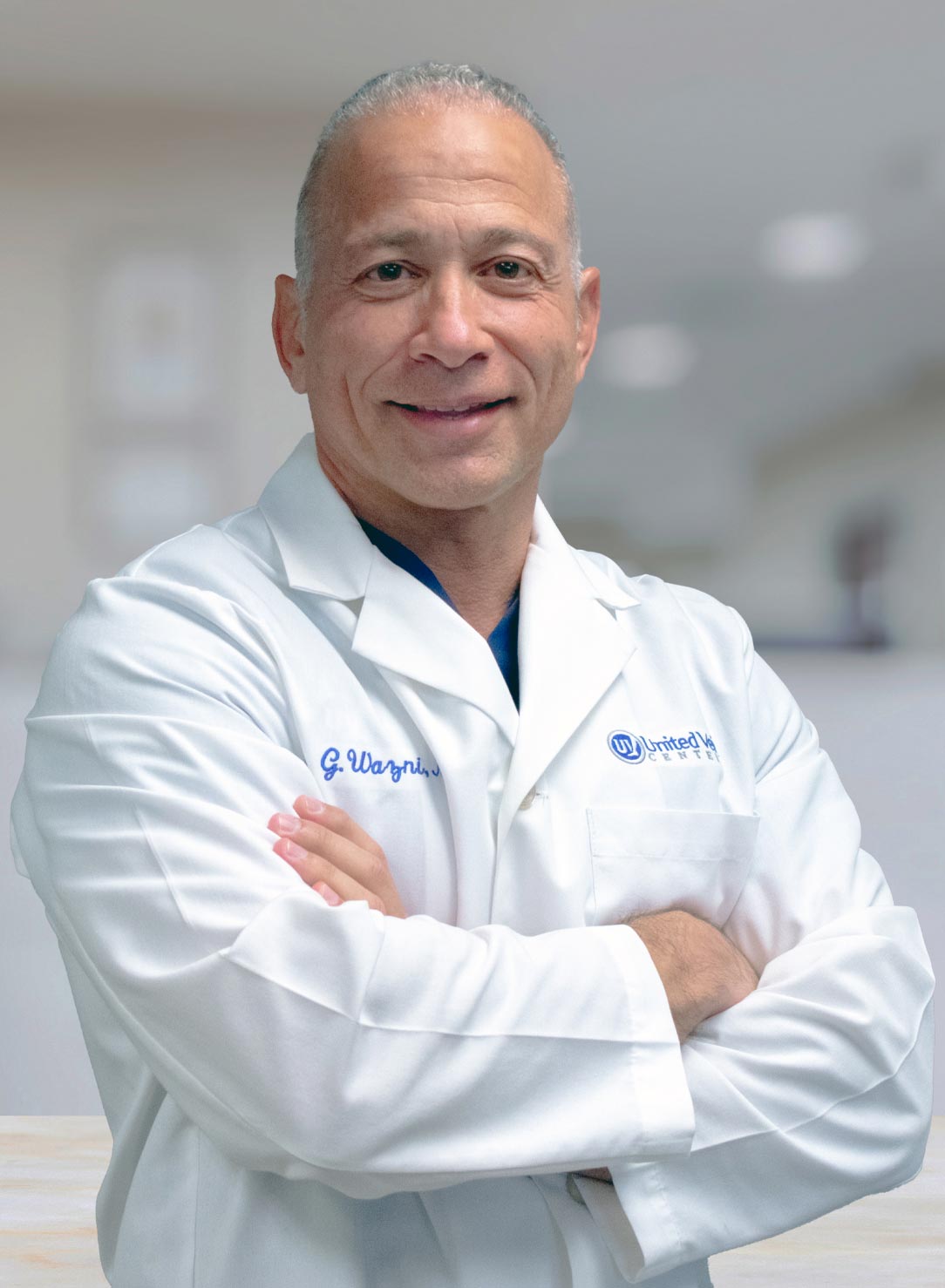
Gamal Wazni Built a Clinic Network by Making the Complicated Feel Local
A physician learned to think like a systems builder. The result was a Tampa practice that became a multistate outpatient platform - one clinic, one protocol and one carefully repeated experience at a time.
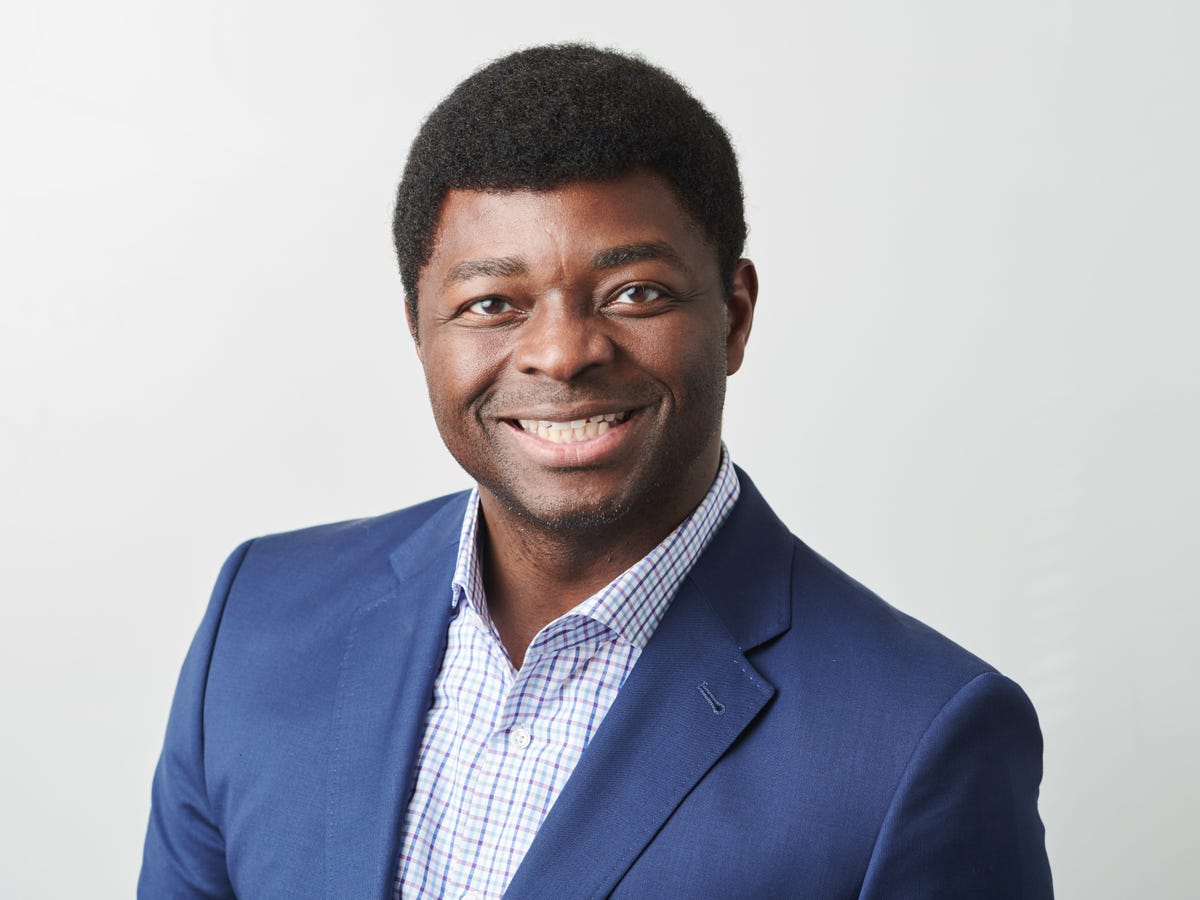
Ikenna Okezie Built the Care Company His Industry Was Missing
A physician with an economist’s eye left a billion-dollar operating role to redesign care before the crisis. Ten years later, the original thesis is still visible - only the scale has changed.
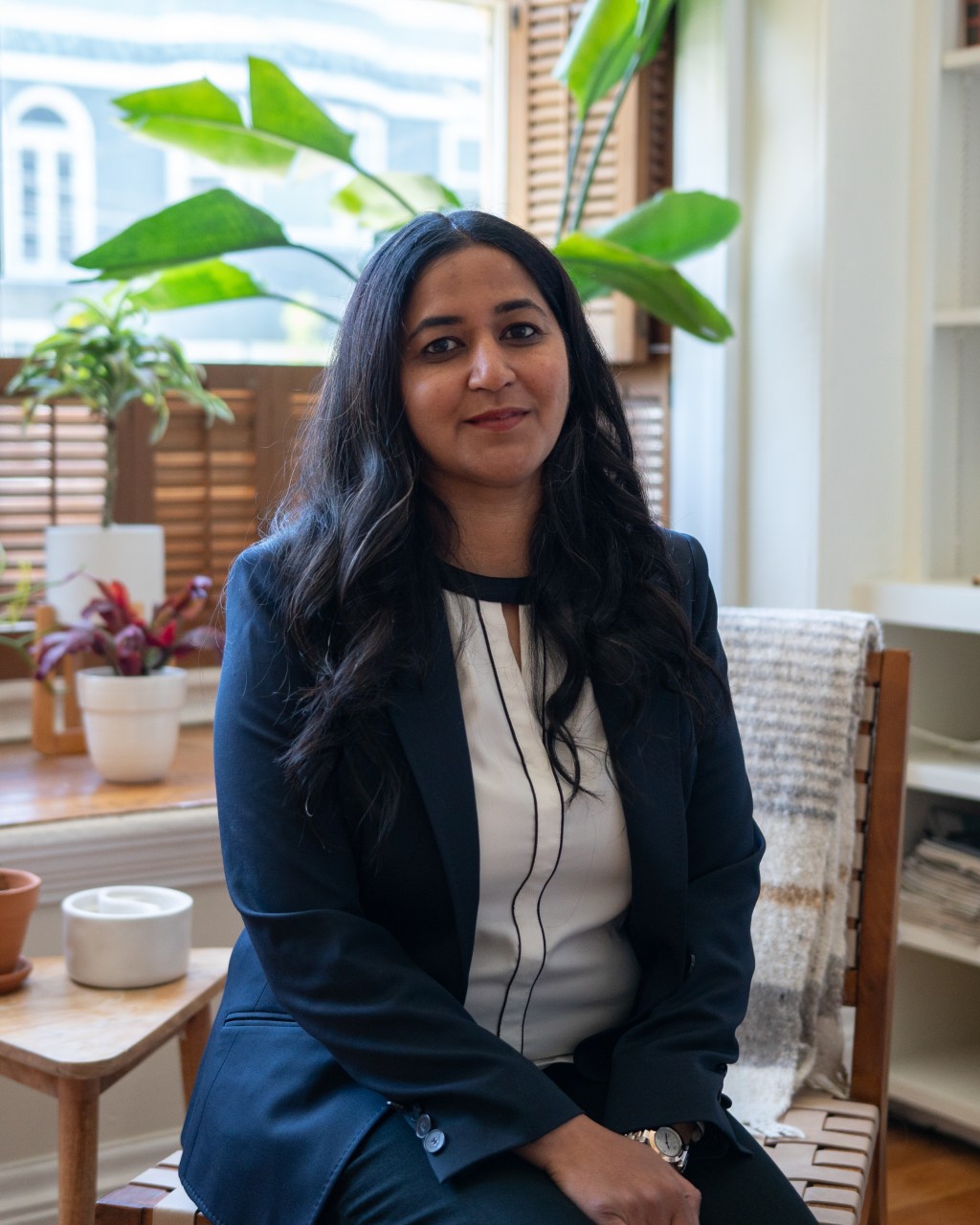
Anu Sharma Is Building the Care Company the System Forgot to Design
She spent two decades learning why healthcare resists change. With Millie, Anu Sharma is turning that education into clinics, software and partnerships that can move together.

Caroline Hodge
Caroline Hodge is the co-founder and CEO of Dimer Health, a clinician-led company building a technology platform for the fragile period right after a hospital stay. A physician associate with 18 years of emergency medicine experience, she previously ran national clinical operations at DocGo and Envision Healthcare before starting Dimer in 2023 with Team8. Under her, Dimer has raised $13.5M in Series A funding and is trying to establish a new care specialty she calls the Transitionist.
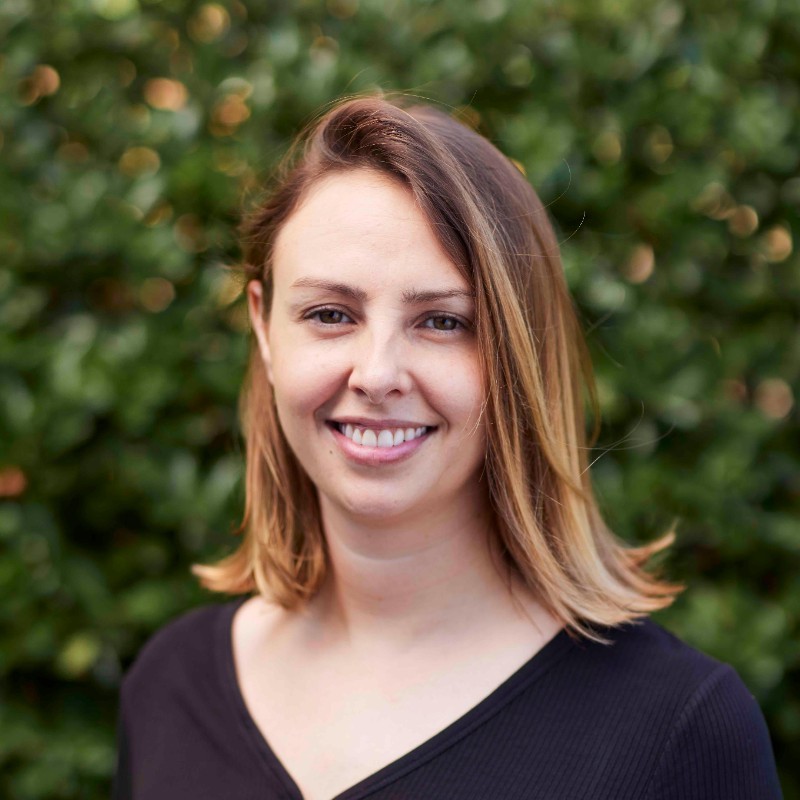
Adrianne Nickerson
Adrianne Nickerson is the co-founder and CEO of Oula, a New York maternity company that fuses midwives, OB-GYNs and technology into one hybrid clinic built to give pregnant patients a calmer, more personal, evidence-based birth experience. A Columbia biology grad with a Harvard master's in global health, she decided she could help patients more by not becoming a doctor - and instead builds the systems doctors and midwives work inside. She co-founded Oula in 2019, opened it while pregnant alongside two pregnant co-executives, and has raised tens of millions to expand care that reduces unnecessary C-sections and centers patient voices.
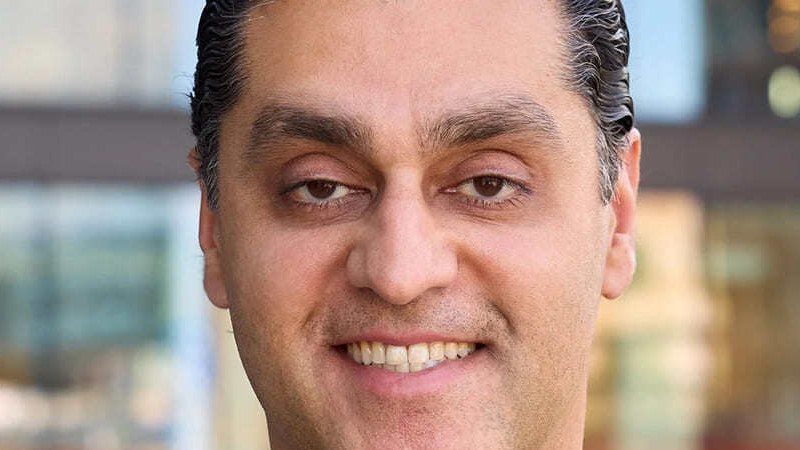
Danish Qureshi
Danish Qureshi is the founder and CEO of Zarminali Pediatrics, a nationwide pediatric multispecialty group he started in 2024 to fix the fragmented way American children get care. Before Zarminali, he co-founded LifeStance Health, scaling it into the country's largest outpatient mental health provider with thousands of clinicians across dozens of states before it went public. A former Bain consultant and private equity operator who cut his teeth in wound care, Qureshi has raised roughly $150M for Zarminali and grown it to nearly 30 clinics across eight states in under two years.
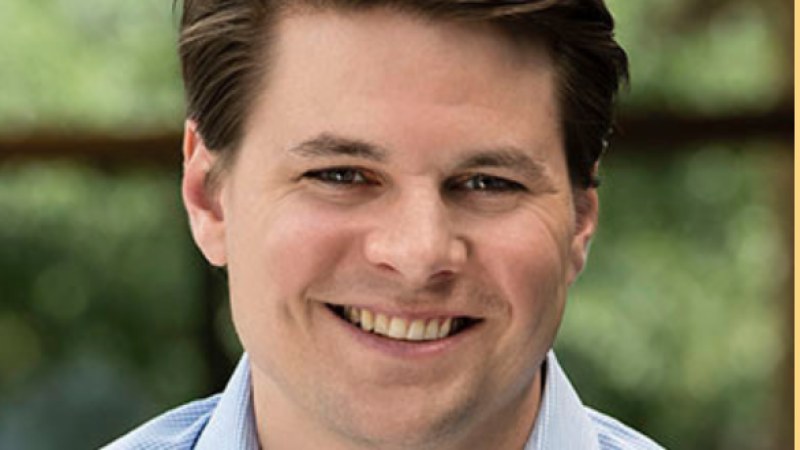
Chris Johnson
Chris Johnson is the founder and CEO of Bluebird Kids Health, a value-based pediatric primary care company building clinics in 'pediatric care deserts' where children, many of them on Medicaid, lack access to a regular doctor. After scaling Landmark Health's in-home senior care from 12 to 38 states ahead of its acquisition by Optum, Johnson partnered with venture studio Juxtapose and veteran pediatrician Dr. Shannon Fox-Levine to bring the same outcomes-aligned model to kids. Bluebird now serves more than 20,000 patients, raised $31.5 million in 2025, and is expanding across Florida.
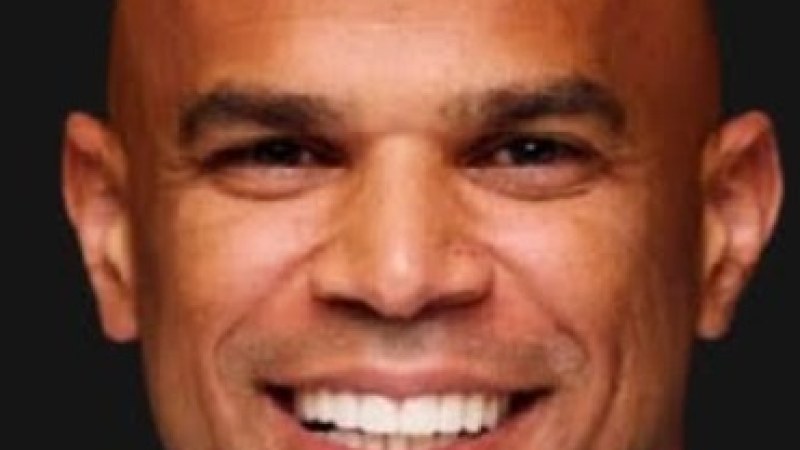
Ramon Lizardo
Ramon Lizardo is a board-certified emergency physician turned founder who built Tele911, the largest virtual emergency medicine practice in the United States. Tele911 puts an ER doctor on a paramedic's iPad in roughly 37 seconds, letting crews treat people in their living rooms instead of hauling them to a hospital that does not need them. He earned his MD at 24, sold his first company at 29, advised health plans, and scaled Tele911 from a 2015 idea into a COVID-era lifeline spanning 7,500 medics and 150-plus health plans. He stepped down as CEO at the end of 2024 and remains on the board.
Shanel Fields
Shanel Fields is the founder and CEO of MD Ally, a public safety telehealth company that plugs virtual care directly into the 911 system so non-emergency callers get routed to the right help instead of an ambulance. A Cornell graduate and Wharton MBA, she spent her first year doing ride-alongs with dispatchers and first responders before building the platform solo. The daughter of a volunteer EMT, she has raised more than $23M, taken MD Ally through Techstars, joined the Techstars board of directors, and been featured by The New York Times and Good Morning America.
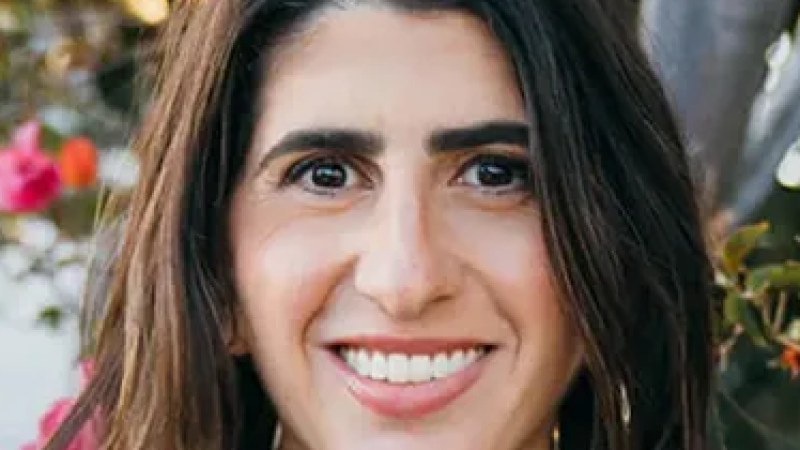
Carine Carmy
Carine Carmy is the co-founder and CEO of Origin, a women's health company that has turned pelvic floor and whole-body physical therapy into insurance-covered care available in person across seven states and virtually in all 50. A former go-to-market leader at Amino and Shapeways, she built Origin out of her own decade-long struggle to find treatment, and in January 2026 raised a Series B to scale the model and an AI clinical product, Athena, trained on 39 million patient interactions.
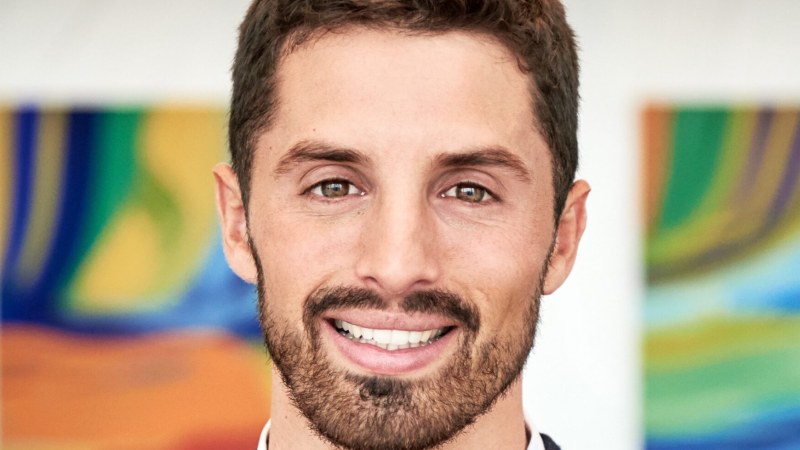
Chris Altchek
Chris Altchek is the founder and CEO of Cadence, a New York health-tech company that runs remote patient monitoring and virtual care for chronic conditions on behalf of large U.S. health systems. He built the company after selling his first venture, the millennial media brand Mic, which he co-founded at 23 with high-school friend Jake Horowitz. A Harvard social studies graduate and former Goldman Sachs analyst who also worked in the Bloomberg administration and the White House, Altchek pivoted from media to medicine through an entrepreneur-in-residence stint at Thrive Capital. Cadence reached a reported $1 billion valuation in 2021 after a $100 million Series B led by Coatue, and now monitors tens of thousands of patients across more than 20 states.
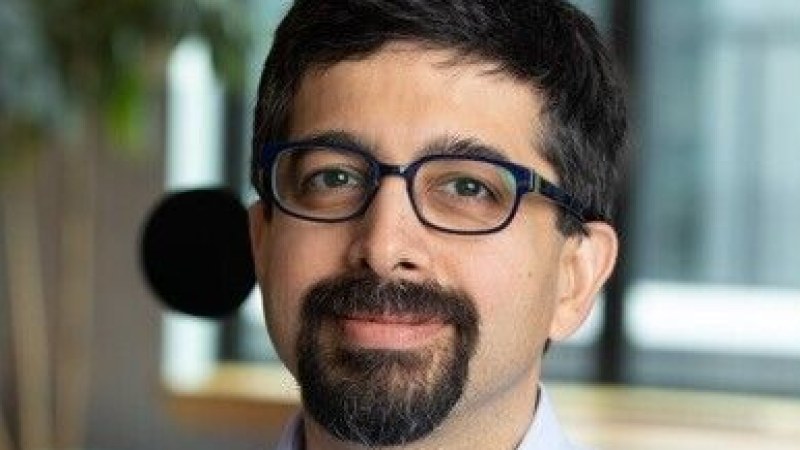
Rahul Rajkumar
Rahul Rajkumar is the founder and CEO of Accompany Health, a Bethesda, Maryland company delivering home-based, technology-enabled primary, behavioral, and social care to low-income Americans with complex needs, especially dual-eligible Medicare-Medicaid patients. A Yale-trained physician and lawyer who holds an MD and a JD, he spent 15 years redesigning how the U.S. pays for and delivers care, from the Center for Medicare and Medicaid Innovation to chief medical officer roles at CareFirst and Blue Cross North Carolina and COO of Optum Care Solutions. Accompany Health launched in January 2024 with $56 million in Series A funding led by Venrock, ARCH Venture Partners, and IVP.