healthcare-analytics
(53)
The Weight-Loss Company Betting the Answer Is Not Just a Drug
Ilant Health began with a surprisingly ordinary failure: a patient had to find her own obesity care. Now it is trying to turn treatment matching, human support and financial accountability into one coherent benefit.

The Agency That Learned to Buy Its Way Out of a Bad Year
Real Chemistry began as one consultant with a healthcare Rolodex. A bruising 2008 taught it a stranger lesson: when clients need several kinds of expertise at once, the agency itself has to become a portfolio.
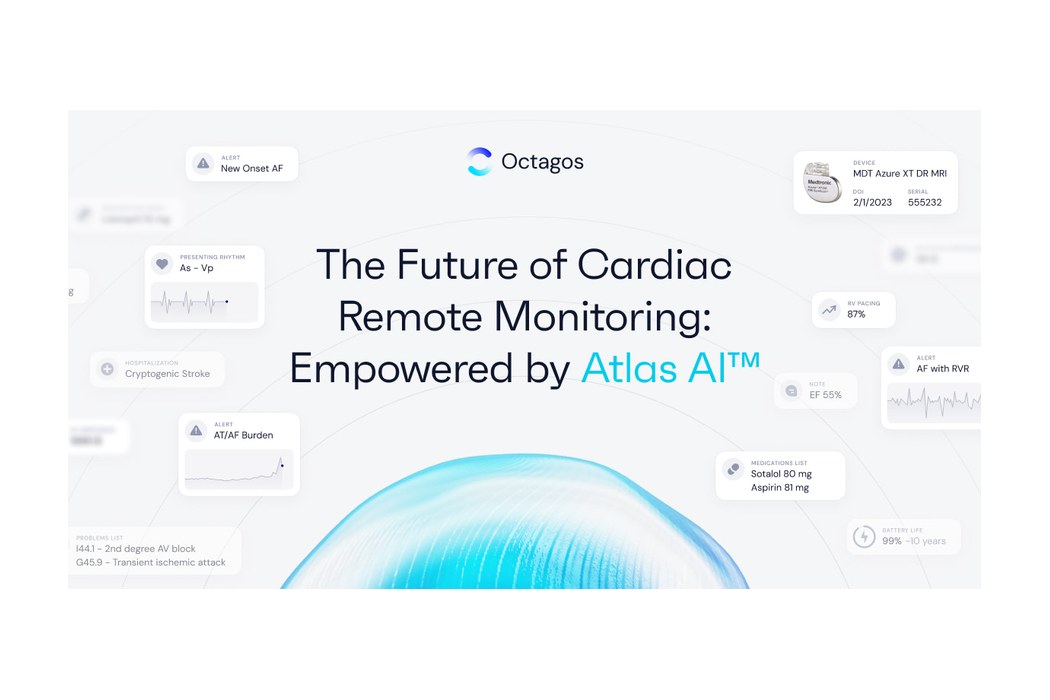
Octagos Built a Bouncer for the Cardiac Data Flood
Remote heart devices produce a blizzard of alerts. Octagos raised $43 million to decide which ones deserve a clinician's attention - and to make the rest of the clinic run on time.
CitiusTech Bet Everything on Healthcare. Now It Has to Make AI Behave.
For two decades, CitiusTech refused to become a general-purpose IT shop. That stubborn focus built a valuable healthcare specialist - and now gives it a credible shot at making enterprise AI survive contact with clinical reality.
Lightbeam Found Billions in Healthcare’s Messy Middle - Then Turned a Customer Into Its Operator
Hospitals do not need another dashboard. They need to know who to call before lunch. Lightbeam built a business around that unglamorous handoff from data to action - and says its customers have generated more than $5 billion in gross savings along the way.
The Senior-Care Software Company That Wants to Catch Turnover Before the Goodbye
Activated Insights stitched recruiting, training, surveys and recognition into one operating loop for senior care. The bet is simple: the warning signs arrive before the resignation, the bad review or the lost referral - if a provider knows where to look.

Arcadia’s 24-Year Bet: Fix the Data Before Asking AI to Fix Healthcare
Arcadia spent a decade learning why health data refuses to behave. Then it turned that scar tissue into software - and made a disciplined bet that useful AI begins with records clinicians can trust.
The Pharmacy Software Roll-Up That Turned 6.5 Million Conversations Into a $93 Million Payday
Outcomes spent years assembling the unglamorous machinery behind the pharmacy counter. Now its 48,000-location network is turning routine medication reviews into a new clinical business for pharmacists - and a distribution channel for payers and drugmakers.
The $800 Leak Hiding in the Operating Room - and the Software That Finally Found It
Surgical Information Systems followed surgery out of the hospital and into the outpatient center. Its software can expose the cost of every case - but one candid customer story shows why buying the dashboard is only the beginning.
The Company Quietly Replacing 45 Systems Behind Your Dental Claim
Dental insurance looks simple until a payer tries to run it across 50 states. SKYGEN built the plumbing - software, claims operations and provider tools - that turns a thicket of legacy systems into one working benefits business.
ImagineSoftware Wants Medical Billing to Run Itself - Here’s the Catch
For 25 years, the Charlotte company has been teaching software the fussy rules of medical billing. Its latest bet is that the next winning revenue-cycle system will not merely organize the work - it will finish most of it.

Hospitals Had the Data. VisiQuate Bet the Money Was Hiding in What Happened Next.
VisiQuate spent 15 years turning hospital billing exhaust into a to-do list. Now, backed by Accel-KKR and expanded through two acquisitions, it is trying to move revenue-cycle teams from explaining yesterday's loss to preventing tomorrow's.
Hospitals Were Missing Millions in Plain Sight. SmarterDx Built an AI Second Opinion.
Two doctors noticed that the most expensive hospital mistakes were often hiding inside records nobody could fully read. Their fix scans every chart, shows its work, and only gets paid when the hospital agrees it found something real.
The Healthcare Dashboard Is Dead. MedeAnalytics Is Betting the Payoff Starts After the Chart
Health systems and insurers have no shortage of data. Their real problem is turning a warning light into an owned, measurable action - and this 33-year-old software company has rebuilt itself around that stubborn last mile.

Canary Put a Fitness Tracker Inside a Knee - Then Learned the Data Was the Hard Part
The Vancouver medtech spent nearly a decade teaching an implant to report every step. Its more useful lesson came after launch: a stream of numbers is not a product until a care team knows what to do next.
IntusCare Found a $27 Million Wedge in the Spreadsheet Chaos of Senior Care
PACE teams were managing high-stakes care with generic software, stray spreadsheets and manual workarounds. IntusCare turned that unglamorous mess into a focused healthcare software business serving more than 70 organizations nationwide.
Covr Is Turning the Nursing-Home Schedule Into a Control Room
Long-term care still runs on whiteboards, spreadsheets and frantic texts. Covr built a scheduling-and-analytics suite for the operators who want to catch overtime, empty shifts and compliance trouble before they reach the residents - or the P&L.

Somatus Bet $465 Million That the Best Kidney Business Prevents Dialysis
The McLean healthcare company built a national care layer around a simple, expensive idea: find kidney and heart trouble earlier, bring clinicians into the home, and get paid when patients stay healthier. The promise is compelling. The execution depends on data, patient trust, and risk contracts all working at once.

The Doctor Who Built a Research Machine Because He Never Had Time to Do Research
Dr Matt Wilson spent 14-hour shifts in emergency medicine with no time to eat, let alone run a study. So he built a platform that makes the research happen without the clinician lifting a finger - and pharma is paying to plug in.
The Nurse Staffing Spreadsheet That Told a Hospital It Needed 9.6 More Nurses
Heidi Morin was told to cut staff. Her own calculator found the unit was 9.6 nurses short. Parity grew from that argument into a system designed to make clinical reality legible to hospital finance teams.
The Company That Cleans Up Healthcare's Messiest Data Before Anyone Else Can Read It
Everybody wants to do AI on healthcare data. Almost nobody wants to spend two years cleaning it first. Kythera Labs turned that dirty job into a business.

The Back Office Behind One in Five American Doctor Visits
athenahealth doesn't see patients. It runs the billing, charts, and reminders for the clinicians who do - and it's betting the whole network on AI.
The $16.3 Billion Company Quietly Running Modern Medicine’s Back Office
IQVIA sits in the machinery between a molecule and a medicine cabinet - running trials, organizing health data and helping drugmakers decide what happens next. Now it is turning that unusually broad view of healthcare into an agentic AI platform.
Evolent
The company betting that the most expensive corner of American medicine - cancer, cardiology, and back surgery - can be run better when the people paying for care and the doctors delivering it are finally pulling in the same direction.
Waystar
The company that runs the plumbing behind American medical bills is betting AI can drain billions in administrative waste - and half the country's patients are already in its pipes.
EXL
EXL spent a quarter-century learning the unglamorous machinery of claims, payments and customer service. Now it is using that operational memory to turn enterprise AI from a promising demo into work that survives contact with the real world.
Aktana
Aktana spent years turning pharma’s scattered customer data into a daily recommendation engine. Now, under PharmaForceIQ, its field intelligence is being stitched to digital orchestration in a bid to close one of life sciences’ most expensive gaps.
HealthMetrics
HealthMetrics is a Malaysia-based digital third-party administrator (TPA) that runs a cloud platform for managing corporate employee health benefits across Southeast Asia. It connects employers, insurers and a network of 15,000+ healthcare providers to automate claims, cut administrative work and give companies real-time visibility and control over rising healthcare costs. Founded in 2015 by Alvin Yuan and Advent Phang, it now serves 3,000+ corporate clients and 100+ insurers in Malaysia, Singapore and Indonesia.
Flume Health
Flume Health is a New York-based healthcare technology company building operational infrastructure that connects the fragmented data ecosystem behind health plans. Founded in 2017 by Cedric Kovacs-Johnson and Vineeth Bhuvanagiri, Flume gives payers, third-party administrators, and vendors a way to move, translate, and make sense of healthcare data. It started as a plan administrator, pivoted to the Relay integration platform, and has since evolved into an AI-native data platform - mapping enterprise data estates into a living knowledge graph and running domain-specific AI agents so non-technical teams can query and act on healthcare data in plain language.
RV Healthcare Solutions
RV Healthcare Solutions (RVH Solutions), which operates the Teamwrks technology suite, is a New York-based healthcare technology company that uses artificial intelligence and machine learning to help hospitals and health systems improve financial and quality performance without reducing staff. Grown out of Workforce Prescriptions and backed by Rizk Ventures and Vizient, Teamwrks turns operational data into department-level targets, AI-driven root-cause insights and actionable workflows - typically deployed in days rather than months.