green-hydrogen
(22)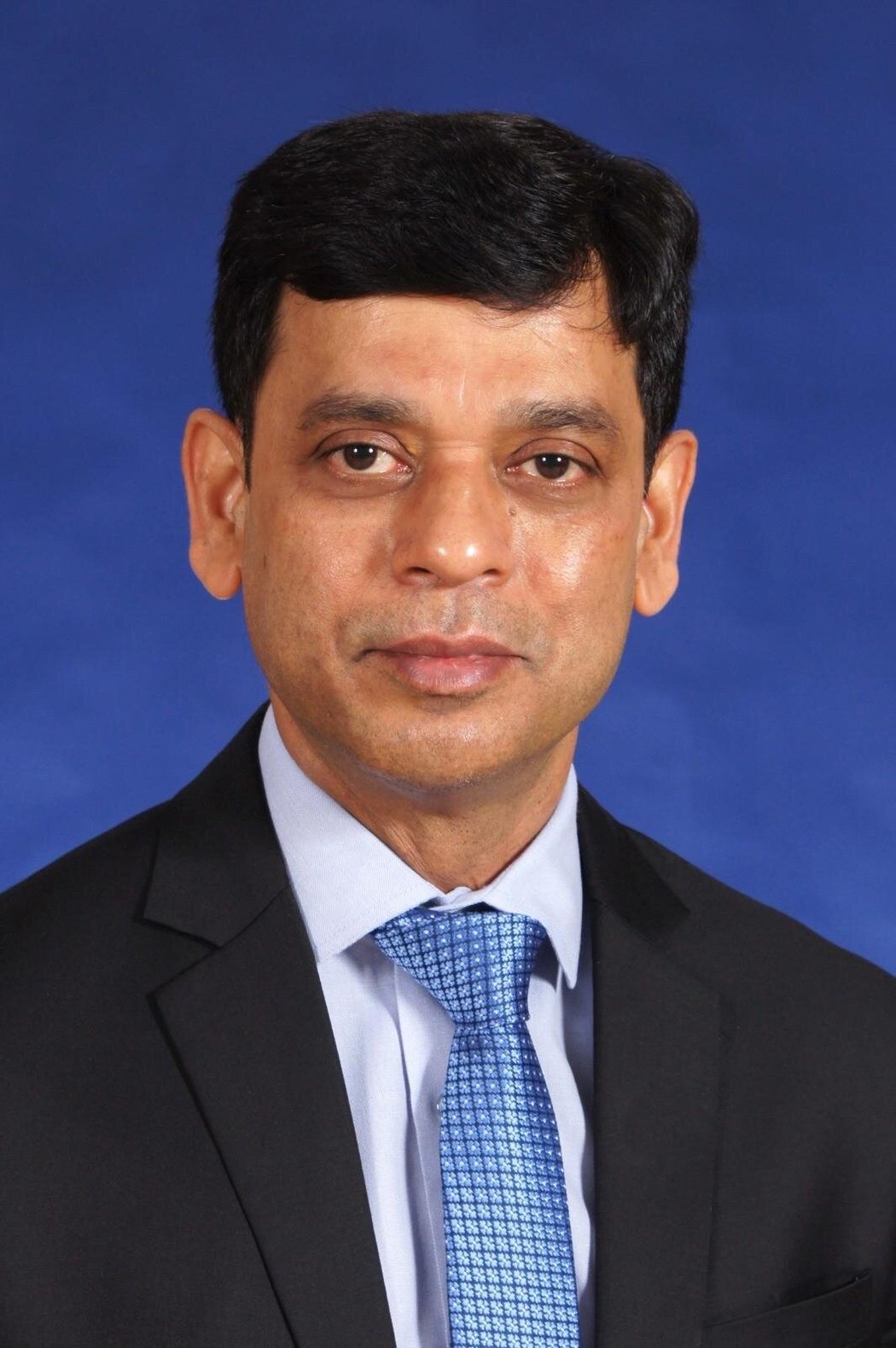
Ajay Das and the price of a better energy future
Before leading Prozeal’s Green Hydrogen & Derivatives business, Ajay Das spent decades working through the economics of industrial energy. His next assignment brings those questions to Gujarat’s emerging market for green gases.

Jhon Cohen Learned to Read the Sun - Then Built Across Borders
A Colombian economist crossed industries, continents and corporate identities to turn sunlight into infrastructure. His career is a study in translation - between engineering and finance, ambition and proof, one country and the next.
The Machine That Makes Hydrogen Boring
EVOLOH began with a grand hydrogen promise. Its more interesting idea is smaller: redesign the stack, the factory and the power connection until an electrolyzer behaves like ordinary industrial equipment.
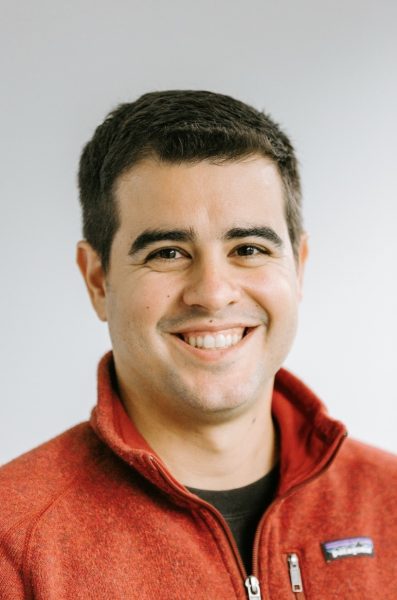
Gabriel Rodríguez-Calero Bet on the Unfashionable Molecule
A Puerto Rico-born chemist found a stubborn industrial problem hiding inside a membrane. A decade later, his company is trying to make green hydrogen ordinary enough to buy.

The Marketer Translating Molecules Into Meaning
After two decades shaping stories for software and scale-ups, Tanya van Soest is applying the same discipline to e-methanol, fractional leadership, and the difficult work of making complex businesses clear.
StormFisher Bought a $1.5 Billion Clean-Fuel Headache for $17.5 Million - Now It Has to Make the Math Work
A Canadian project developer picked up a stranded Quebec fuel complex at a steep discount, scrapped its original process and bet on e-methanol. The clever part is reuse; the hard part is turning cheap infrastructure into bankable fuel.
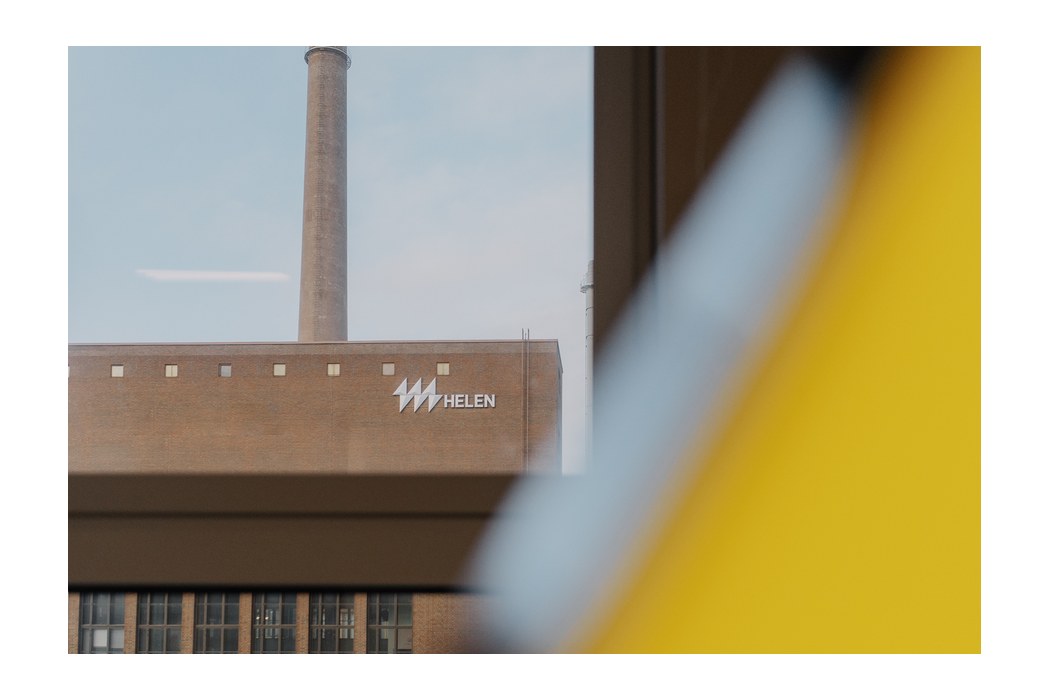
Helsinki Killed Coal Without Freezing: Helen's Blueprint for Rebuilding a City While It Runs
A century-old municipal utility retired its last coal plant, cut direct emissions 56% in a year and survived the next hard winter with heat reliability above 99.9%. The useful idea is not one miracle machine - it is a network designed to swallow whatever clean heat source works next.
Ecolectro Is Trying to Make Green Hydrogen Cheap by Removing the Expensive Parts
The Cornell spinout spent a decade turning stubborn polymer chemistry into an industrial machine. Its wager is simple: green hydrogen gets cheaper when the stack stops shopping for precious metals.
Arndt Lutz Is Betting the Solar Race Will Be Won One Cell at a Time
After two decades across solar and green hydrogen, the ELITE Solar CEO has returned to photovoltaics with a blunt thesis: assembling modules is not enough. The durable advantage sits deeper in the supply chain.
錫力科技 YC Synergy
錫力科技 (YC Synergy) is a Taiwan-based clean-energy company building hydrogen fuel cell power systems and end-to-end hydrogen infrastructure - electrolysis-based green hydrogen production, storage, and refueling. Founded in 2012 and headquartered in Xindian, New Taipei City, the firm designs and integrates fuel cell systems for stationary power, maritime vessels, and road transport, working with partners such as Germany's EKPO Fuel Cell Technologies and Stan Shih's zero-carbon ship venture Porrima. It was named Asia-Pacific Fuel Cell System Company of the Year by Energy Tech Review in 2024.

Hysata
Hysata is an Australian clean-energy manufacturer commercialising a capillary-fed electrolyser that splits water into hydrogen at around 95% system efficiency, well above conventional electrolysers. Spun out of the University of Wollongong, the company aims to produce green hydrogen at the lowest cost to help decarbonise hard-to-abate sectors such as steel, chemicals and heavy transport, and is scaling toward gigawatt-scale manufacturing at Port Kembla, New South Wales.
PlasmaLeap Technologies
PlasmaLeap Technologies is a Sydney-based cleantech company building modular, non-thermal plasma reactors that make ammonia, nitric acid, fertiliser and hydrocarbon eFuels from just air, water and renewable electricity. Spun out of the University of Sydney in 2019, its 'lightning-mimicking' process replaces the century-old, fossil-fuelled Haber-Bosch route with room-temperature, on-site chemical production. Its eNFix containerised units let farmers make green nitrogen fertiliser at the farm gate, cutting emissions and supply-chain dependence. The company raised roughly A$30 million in a Series A led by the Gates Foundation, Investible and Yara Growth Ventures to build first-of-a-kind fertiliser hubs in New South Wales and Tasmania.

1s1 Energy
1s1 Energy is a materials-science company making green hydrogen cheaper by rethinking the guts of the electrolyzer. Instead of the fluorinated (PFAS) membranes the industry has leaned on for decades, 1s1 builds boron-based proton-exchange membranes and electrochemical components that its partners report can produce a kilogram of hydrogen using roughly 70% of the energy of incumbent devices - already hitting efficiency targets the U.S. Department of Energy set for 2031. Founded in 2019 and run out of Portola Valley, California with labs in Lisbon and Campinas, Brazil, the company sells core components to electrolyzer and fuel-cell makers and runs pilots with utilities and heavy industry.
Hgen
Hgen is a Los Angeles-area climate-tech company building higher-efficiency alkaline electrolyzers that convert water and renewable electricity into clean, low-cost hydrogen for heavy industry. Founded in 2021 by former Tesla and SpaceX engineers, Hgen redesigned the electrolyzer cell to shed hydrogen bubbles faster, claiming roughly 20x higher power density and a much smaller footprint than conventional alkaline systems. The company packages its technology into shipping-container-sized units that need only water and electricity, aiming to undercut the cost of trucked-in liquid hydrogen and help decarbonize chemicals, steel, and other industrial processes.
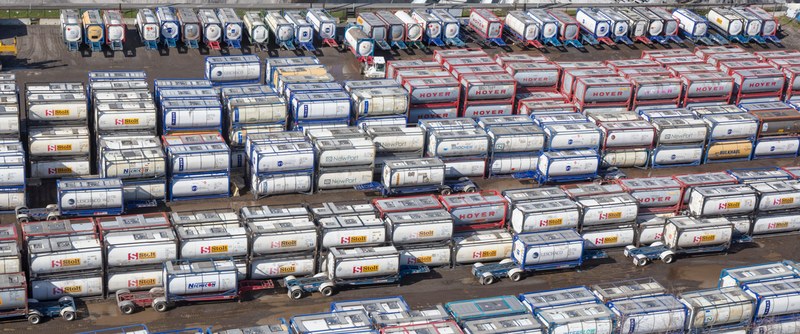
Solidec
Solidec is a Houston-based climate-tech company spun out of Rice University that builds modular electrolyzers to make essential chemicals - starting with ultra-pure hydrogen peroxide - on-site from just air, water, and electricity. Its porous solid-electrolyte reactor skips the centralized plants, hazardous trucking, and fossil-fuel feedstocks of conventional chemical production, cutting emissions by as much as 90%. Founded in 2023 by Ryan DuChanois, Yang Xia, and Rice professor Haotian Wang, the company raised an oversubscribed $2M pre-seed round and has been backed by Chevron Technology Ventures' Catalyst Program, the Activate Fellowship, and a NASA SBIR award.

Vimano
Vimano is a Bengaluru-based deep-tech startup building PFAS-free, ion-selective nanotech membranes for the electrochemical devices that power the energy transition - redox flow batteries, AEM electrolyzers, and hydrogen fuel cells. Its proprietary membrane platform tackles the ion-crossover problem that limits efficiency in long-duration energy storage and green hydrogen, and it also adapts the same polymer-film science to thermal management films for satellites. The company's stated goal is to sit inside 1 out of every 2 large-scale energy storage devices, electrolyzers and fuel cells on the planet.
Daniel Sobek
Daniel Sobek is the co-founder and CEO of 1s1 Energy, a Portola Valley startup turning a chunk of boron chemistry into cheaper, cleaner green hydrogen. An MIT-trained engineer with three degrees from the institute and a habit of starting companies, he spent years in microfluidics and cancer-imaging hardware before betting on electrolyzers. His company's boron-based membranes claim to cut the energy needed to make hydrogen by about 30 percent, and he says they already hit a U.S. Department of Energy efficiency target set for 2031.

Molly Yang
Molly Yang is the co-founder and CEO of Hgen, a Los Angeles climate-tech company building modular, mass-manufacturable alkaline electrolyzers to make clean hydrogen cheap enough for heavy industry. A former energy product lead at Tesla, she teamed up with childhood friend and ex-SpaceX engineer Colin Ho to shrink the electrolyzer roughly twentyfold and package it into shipping containers that need only water and electricity. Hgen has raised $7M total from Founders Fund, Seven Seven Six, and Fontinalis Partners, and Yang was named a 2022 Breakthrough Energy Fellow.

Murari Ramkumar
Murari Ramkumar is the founder and CEO of Vimano, a deeptech materials startup building PFAS-free, ion-conductive membranes for flow batteries, green-hydrogen electrolyzers and fuel cells. A materials scientist trained at NITK Surathkal and the University of Pennsylvania, he co-founded the company in 2019 with Dr. Nagesh Kini and is chasing an audacious goal: to put a Vimano membrane inside one of every two large-scale energy storage devices, electrolyzers and fuel cells on the planet. In 2025 Vimano raised roughly $2.9 million in seed funding led by Ankur Capital.

Ryan DuChanois
Ryan DuChanois is the co-founder and CEO of Solidec, a Houston climate-tech startup that spun out of Rice University in 2024. Solidec builds modular reactors that pull molecules from air and water and, using only electricity, make industrial chemicals like hydrogen peroxide on-site - no centralized plants, no long supply chains, no carbon-heavy inputs. A Gates Cambridge Scholar with a Yale PhD and 20 peer-reviewed papers in membrane science, DuChanois traded the academic bench for the factory floor, aiming to abate over a gigaton of carbon emissions a year by reinventing how the world's chemicals are made.

Fourier
Fourier is a Palo Alto-based clean-energy company building modular, fully automated electrolyzers that produce green hydrogen on-site and on-demand. By borrowing architecture from the data center industry - racks of small, software-managed electrolyzer 'blades' running on reprogrammed mass-produced power supplies - Fourier aims to eliminate the costly, hazardous transportation and storage that inflate hydrogen prices, making clean hydrogen practical for heavy industry, transportation fuel, and distributed energy storage.

ECL
ECL (EdgeCloudLink) builds the world's first modular, off-grid data centers powered by green hydrogen fuel cells. Founded by data-center veteran Yuval Bachar, ECL delivers Tier 4 uptime with zero emissions, zero grid power, and a PUE under 1.1 - selling capacity in 1-2 MW modular blocks designed for high-density AI compute.