green-hydrogen
(9)
Ajay Das and the price of a better energy future
Before leading Prozeal’s Green Hydrogen & Derivatives business, Ajay Das spent decades working through the economics of industrial energy. His next assignment brings those questions to Gujarat’s emerging market for green gases.

Jhon Cohen Learned to Read the Sun - Then Built Across Borders
A Colombian economist crossed industries, continents and corporate identities to turn sunlight into infrastructure. His career is a study in translation - between engineering and finance, ambition and proof, one country and the next.
Gabriel Rodríguez-Calero Bet on the Unfashionable Molecule
A Puerto Rico-born chemist found a stubborn industrial problem hiding inside a membrane. A decade later, his company is trying to make green hydrogen ordinary enough to buy.
The Marketer Translating Molecules Into Meaning
After two decades shaping stories for software and scale-ups, Tanya van Soest is applying the same discipline to e-methanol, fractional leadership, and the difficult work of making complex businesses clear.
Arndt Lutz Is Betting the Solar Race Will Be Won One Cell at a Time
After two decades across solar and green hydrogen, the ELITE Solar CEO has returned to photovoltaics with a blunt thesis: assembling modules is not enough. The durable advantage sits deeper in the supply chain.
Daniel Sobek
Daniel Sobek is the co-founder and CEO of 1s1 Energy, a Portola Valley startup turning a chunk of boron chemistry into cheaper, cleaner green hydrogen. An MIT-trained engineer with three degrees from the institute and a habit of starting companies, he spent years in microfluidics and cancer-imaging hardware before betting on electrolyzers. His company's boron-based membranes claim to cut the energy needed to make hydrogen by about 30 percent, and he says they already hit a U.S. Department of Energy efficiency target set for 2031.

Molly Yang
Molly Yang is the co-founder and CEO of Hgen, a Los Angeles climate-tech company building modular, mass-manufacturable alkaline electrolyzers to make clean hydrogen cheap enough for heavy industry. A former energy product lead at Tesla, she teamed up with childhood friend and ex-SpaceX engineer Colin Ho to shrink the electrolyzer roughly twentyfold and package it into shipping containers that need only water and electricity. Hgen has raised $7M total from Founders Fund, Seven Seven Six, and Fontinalis Partners, and Yang was named a 2022 Breakthrough Energy Fellow.
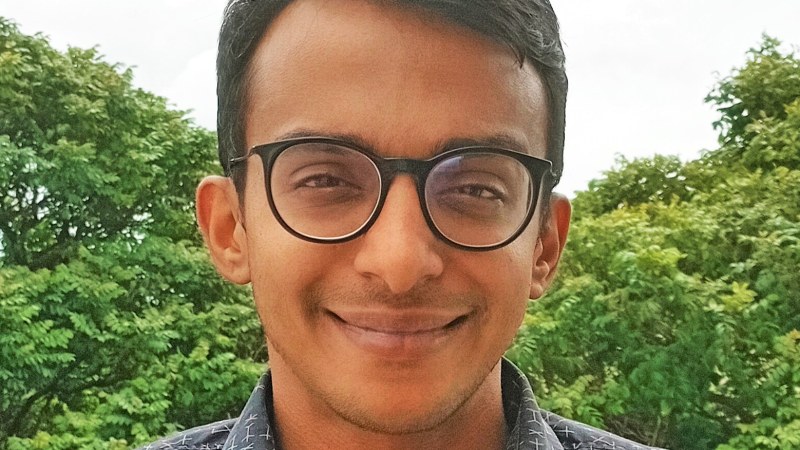
Murari Ramkumar
Murari Ramkumar is the founder and CEO of Vimano, a deeptech materials startup building PFAS-free, ion-conductive membranes for flow batteries, green-hydrogen electrolyzers and fuel cells. A materials scientist trained at NITK Surathkal and the University of Pennsylvania, he co-founded the company in 2019 with Dr. Nagesh Kini and is chasing an audacious goal: to put a Vimano membrane inside one of every two large-scale energy storage devices, electrolyzers and fuel cells on the planet. In 2025 Vimano raised roughly $2.9 million in seed funding led by Ankur Capital.
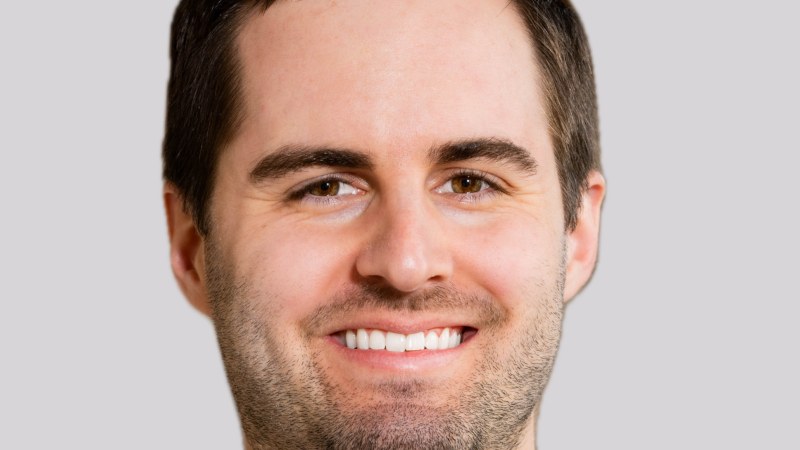
Ryan DuChanois
Ryan DuChanois is the co-founder and CEO of Solidec, a Houston climate-tech startup that spun out of Rice University in 2024. Solidec builds modular reactors that pull molecules from air and water and, using only electricity, make industrial chemicals like hydrogen peroxide on-site - no centralized plants, no long supply chains, no carbon-heavy inputs. A Gates Cambridge Scholar with a Yale PhD and 20 peer-reviewed papers in membrane science, DuChanois traded the academic bench for the factory floor, aiming to abate over a gigaton of carbon emissions a year by reinventing how the world's chemicals are made.