general-catalyst
(25)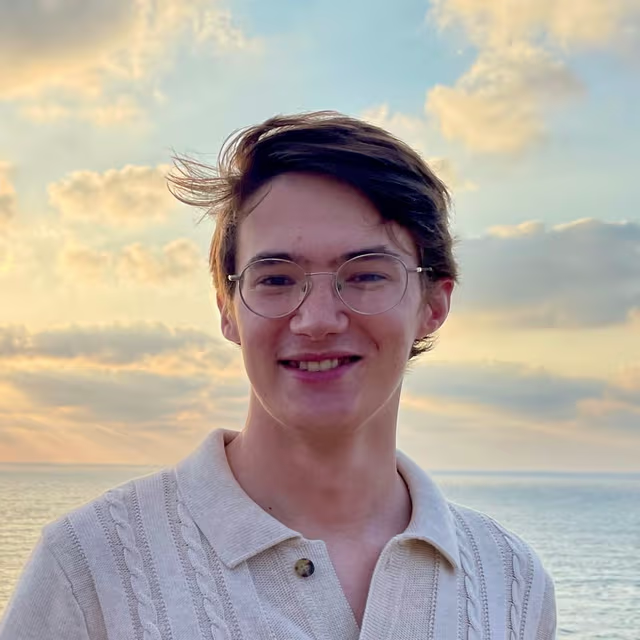
Wilson Spearman
Wilson Spearman is the co-founder and CEO of CreativeMode (YC S24), an AI-powered, no-code platform that lets anyone build Minecraft mods without writing code. An MIT computer science graduate who worked on AI cloud infrastructure at Crusoe and procurement tools at Settle, he now leads a small San Francisco team that has helped players create hundreds of thousands of mods - by the company's account, more Minecraft mods in nine months than in the game's previous seventeen years combined. When he is not shipping software, he is an aspiring ski mountaineer chasing alpine glacier routes.
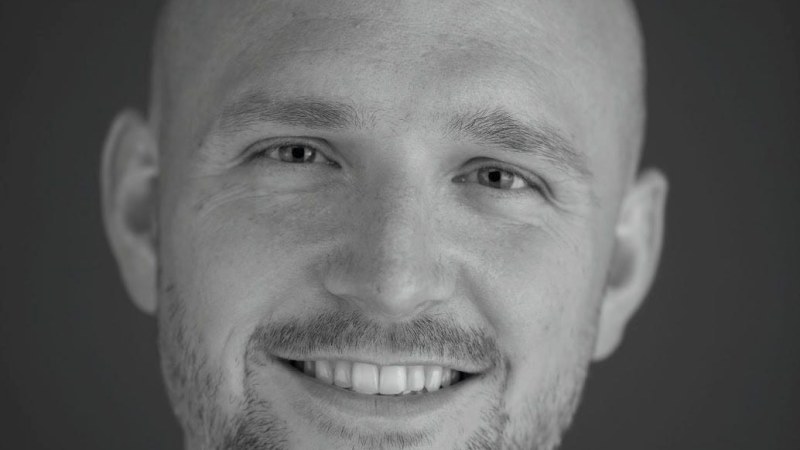
Matthias Hofmann
Matthias Hofmann is the co-founder and CEO of Eyebot, a Boston-based company building self-serve vision-test kiosks that deliver a 90-second refractive exam and pair users with a tele-optometrist. He holds a PhD in electrical engineering from Virginia Tech, did postdoctoral optics work at Harvard Medical School, and was an early engineer at MIT spinout EyeNetra before starting Eyebot in 2021 with Jack Moldave. In August 2025 Eyebot raised a $20M Series A led by General Catalyst.
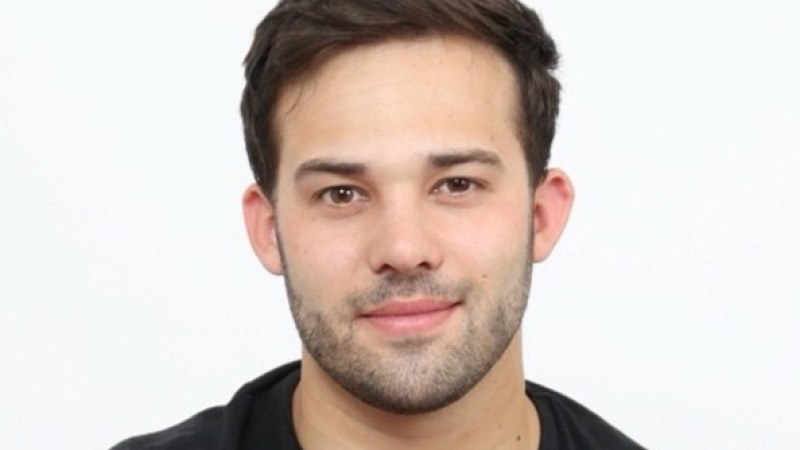
Max Kauderer
Max Kauderer is the co-founder and CEO of Yuzu Health, a New York-based third-party administrator building an operating system for health insurance. After stints at LinkedIn, Capital One, and Bain & Company, he started Yuzu in 2022 with Russell Pekala and Ryan Lee to let small businesses spin up flexible, transparent health plans in days rather than months. Yuzu raised a $35M Series A in April 2026 led by General Catalyst and Chemistry, bringing total funding to about $40M.
Sahir Jaggi
Sahir Jaggi is the founder and CEO of Forus, an AI-powered network (formerly known as Tandem) that automates the paperwork sitting between a doctor's prescription and a patient actually getting the drug. Forus emerged from stealth in May 2026 with $160M in funding at a $1B valuation from Thrive Capital, General Catalyst, and Accel. Before Forus, Jaggi spent six years as a product leader at Oscar Health after studying biomedical engineering and computer science at Columbia.
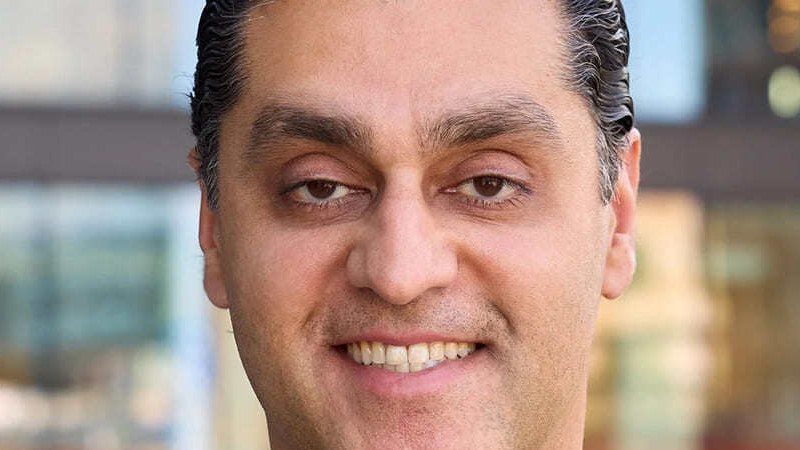
Danish Qureshi
Danish Qureshi is the founder and CEO of Zarminali Pediatrics, a nationwide pediatric multispecialty group he started in 2024 to fix the fragmented way American children get care. Before Zarminali, he co-founded LifeStance Health, scaling it into the country's largest outpatient mental health provider with thousands of clinicians across dozens of states before it went public. A former Bain consultant and private equity operator who cut his teeth in wound care, Qureshi has raised roughly $150M for Zarminali and grown it to nearly 30 clinics across eight states in under two years.

Leonard Tang
Leonard Tang is the co-founder and CEO of Haize Labs, a New York AI safety startup that stress-tests frontier language models by automatically jailbreaking them before they reach the public. A Harvard math and computer science graduate who turned down a Stanford PhD, Tang built Haize into a venture that frontier labs like OpenAI and Anthropic pay to break their models on purpose. By 2024 the company had raised a $12.5M seed led by General Catalyst at a $100M valuation, roughly eight months after founding, and Tang landed on Forbes' 2025 30 Under 30 list for AI.
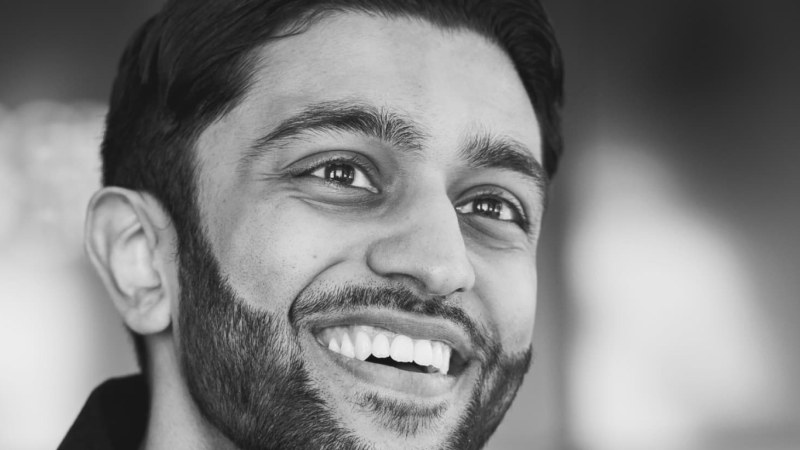
Hirsh Jain
Hirsh Jain is the co-founder and CEO of Percepta, a General Catalyst Transformation Company that embeds AI engineers, researchers, and product managers directly inside large enterprises to move them past pilots and into AI-native operations. He spent seven years at Palantir Technologies as a senior vice president leading its healthcare and civilian-government business, and previously worked at Google, Jane Street, and the U.S. Department of Defense. A Harvard computer-science and mathematics graduate and published machine-learning author, he launched Percepta in 2025 with General Catalyst CEO Hemant Taneja and a founding team drawn from Palantir, MIT, Meta FAIR, Google, and Citadel. Shortly after launch, Palantir sued him and other former employees, putting the New York startup at the center of one of the year's most-watched AI talent fights.
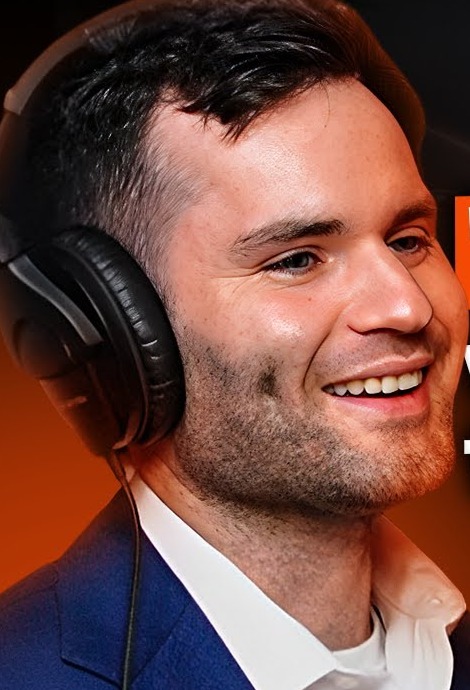
Michael LaFramboise
Michael LaFramboise is the CEO and co-founder of Aurelius Systems, a San Francisco defense startup building autonomous, AI-guided laser turrets that detect and destroy drones at the speed of light for roughly pennies per shot. A Case Western engineer, Navy veteran, and ex-Coherent and Amazon Devices operator, he dropped out of a Columbia PhD in nano optical systems to build Archimedes, a low-cost directed-energy weapon. Aurelius raised a $10 million seed co-led by General Catalyst and Draper Associates in September 2025 and opened a U.S. manufacturing line for high-power fiber lasers in 2026, aiming to become America's domestic one-stop laser shop.

Zayd Ali
Zayd Ali is the founder and CEO of Valley, a New York based AI SDR that runs LinkedIn-first outbound for B2B teams by learning a company's product, cloning its best reps' voice, and booking sales meetings. He sold his first appointment-setting company for seven figures while still in high school, briefly studied at Columbia, joined Antler in 2022, and after starting and shelving a founder-VC network called Fish, pivoted into Valley. He took 136 investor meetings before closing a seed round that grew to roughly $3M from backers including Antler, Jason Calacanis, and General Catalyst's Fellows program.
Shanel Fields
Shanel Fields is the founder and CEO of MD Ally, a public safety telehealth company that plugs virtual care directly into the 911 system so non-emergency callers get routed to the right help instead of an ambulance. A Cornell graduate and Wharton MBA, she spent her first year doing ride-alongs with dispatchers and first responders before building the platform solo. The daughter of a volunteer EMT, she has raised more than $23M, taken MD Ally through Techstars, joined the Techstars board of directors, and been featured by The New York Times and Good Morning America.
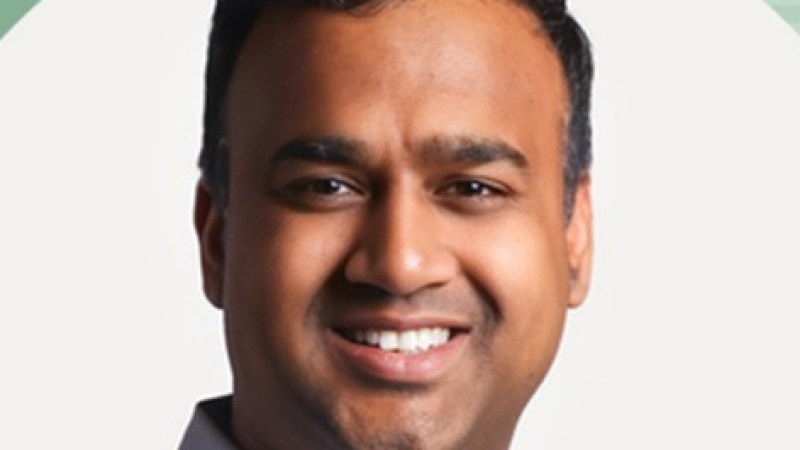
Aniq Rahman
Aniq Rahman is the founder and CEO of Fabric, a New York healthcare technology company building an AI-driven care enablement platform that helps health systems triage, navigate and treat patients faster. Before Fabric, he was president of ad-analytics firm Moat through its roughly $850 million sale to Oracle, was on the early team at Behance, and ran Instinctiv before its acquisition by SoundCloud. He launched Fabric in 2021 after watching his father move through the hospital system following a heart attack, and has since stitched together five acquisitions, raised tens of millions from General Catalyst, Thrive Capital, GV and Salesforce Ventures, and earned spots on Forbes 30 Under 30 and Modern Healthcare's 40 Under 40.
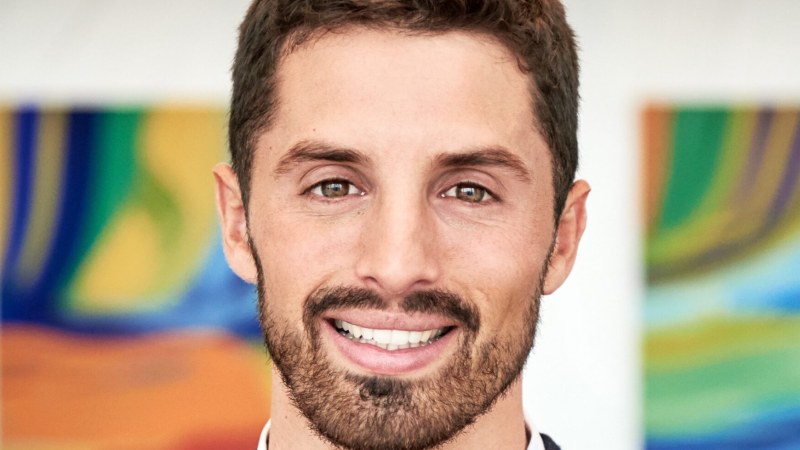
Chris Altchek
Chris Altchek is the founder and CEO of Cadence, a New York health-tech company that runs remote patient monitoring and virtual care for chronic conditions on behalf of large U.S. health systems. He built the company after selling his first venture, the millennial media brand Mic, which he co-founded at 23 with high-school friend Jake Horowitz. A Harvard social studies graduate and former Goldman Sachs analyst who also worked in the Bloomberg administration and the White House, Altchek pivoted from media to medicine through an entrepreneur-in-residence stint at Thrive Capital. Cadence reached a reported $1 billion valuation in 2021 after a $100 million Series B led by Coatue, and now monitors tens of thousands of patients across more than 20 states.
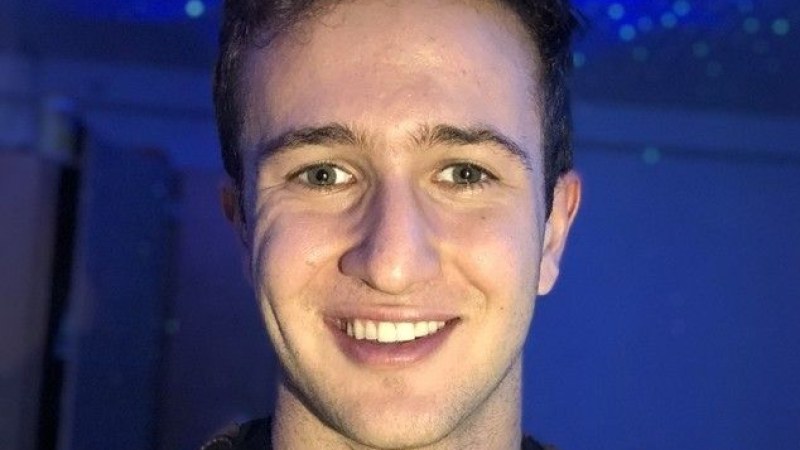
Jake Brooks
Jake Brooks is the co-founder and co-CEO of Triumph, a San Francisco company that gives mobile game developers a drop-in SDK to add real-money, skill-based tournaments to their games. He dropped out of Stanford during the pandemic to build it, and in 2023 the company launched with $14.1M in seed and Series A funding led by General Catalyst. Triumph handles the hard parts - payments, KYC, anti-fraud, matchmaking and state-by-state compliance - so developers can monetize beyond ads. Brooks pitches real-money competition as a third pillar of game revenue alongside advertising and in-app purchases.
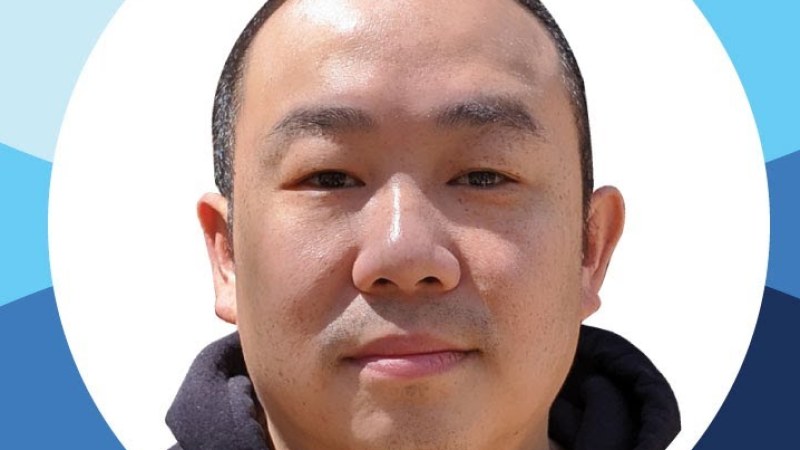
Nan Wang
Nan Wang is the co-founder and CEO of Sleeper, the fantasy sports platform built like a group chat that grew to millions of daily users almost entirely by word of mouth. He left a private equity career in Hong Kong to build a sports product that is social at its core, turning a 20-year fantasy league among childhood friends into a company backed by a16z, General Catalyst, and athletes like Kevin Durant and Klay Thompson. Under Wang, Sleeper expanded from fantasy football into the NBA and fantasy esports, drawing an unusually large share of women and casual fans to a category long dominated by ESPN and Yahoo.
Priyanka Agarwal
Priyanka Agarwal is a physician-turned-founder building HealthEx, an AI-powered patient consent and data-rights platform she started in 2022. A practicing UCSF telehealth physician with an MD from Harvard Medical School and an MBA from Harvard Business School, she is rebuilding how patients grant, revoke, and direct access to their own medical records. HealthEx raised $14M led by General Catalyst, connected to national networks through TEFCA, and partnered with MD Anderson, Epic, CLEAR, and athenahealth to make patient-controlled data the default rather than the exception.
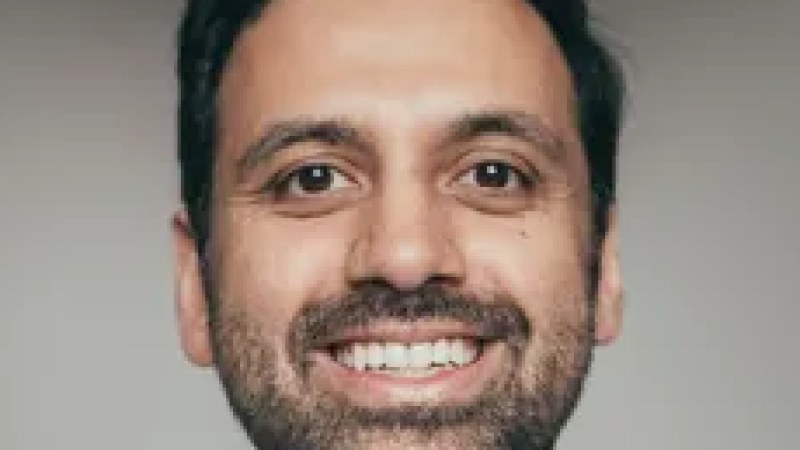
Nitesh Banta
Nitesh Banta is the co-founder and CEO of B12, a New York-based AI website builder and online presence platform for professional service firms. A Harvard graduate who spent five years investing at General Catalyst and co-founded the student fund Rough Draft Ventures, he teamed up with his middle-school classmate Adam Marcus in 2015 to bet on a shift from do-it-yourself software to do-it-for-you software where AI and human experts work side by side. B12 has raised more than $40M and helped over 150,000 firms get online.
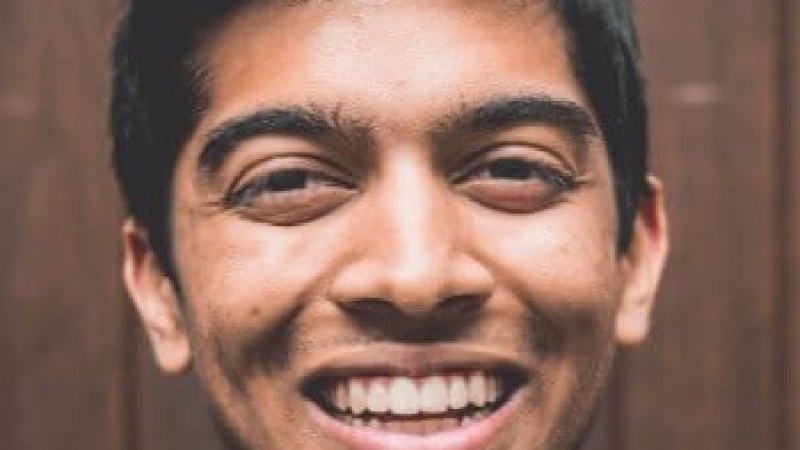
Parth Shah
Parth Shah is the co-founder and CEO of Polimorphic, the New York-based company building AI-powered constituent relationship management software for local governments. An MIT-trained electrical engineer and former NVIDIA deep learning engineer, Shah started out trying to build an 'ESPN for politics' and ended up rewiring how town halls answer phones, process permits, and serve residents in 75+ languages. In July 2025 Polimorphic raised an $18.6M Series A led by General Catalyst, bringing total funding to roughly $28M.
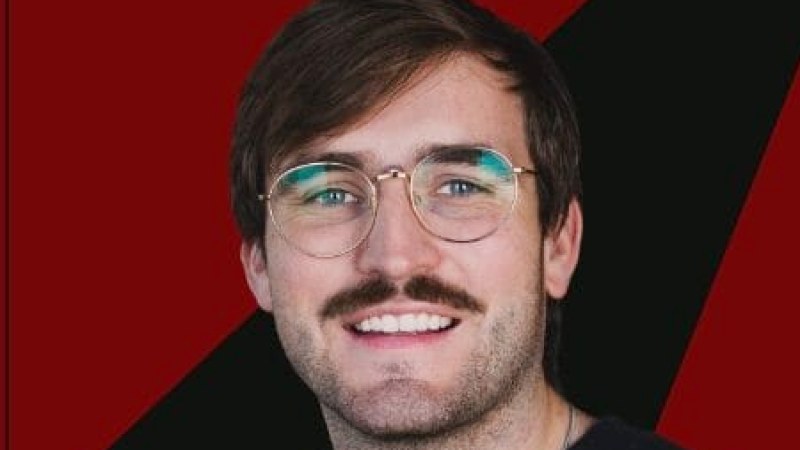
Patrick Gilligan
Patrick Gilligan is the founder and CEO of SOMETHINGS, a New York based near-peer mentorship platform that connects youth ages 13 to 26 with trained mentors in their twenties through real-time virtual support. The service is free to teens and paid for by states, Medicaid managed care plans and school systems. In February 2026 the company raised a $19.2M Series A led by Catalio Capital with returning backers General Catalyst and Tusk Ventures, bringing total funding to roughly $28.6M. SOMETHINGS has supported more than 11,000 teens and is built on Gilligan's conviction that a young person in crisis needs a person, not a chatbot.
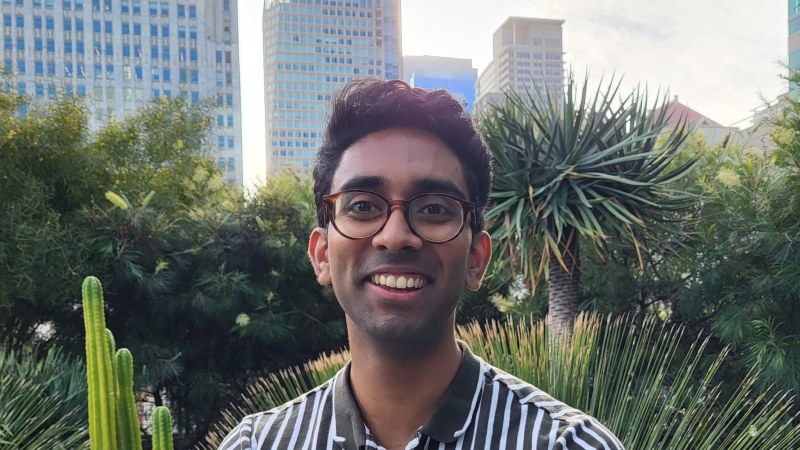
Advith Chelikani
Advith Chelikani is the co-founder and CTO of Pylon, an AI-powered B2B customer support platform based in San Francisco. A Caltech computer science graduate and former Samsara engineer, Advith co-founded Pylon in November 2022 alongside Marty Kausas and Robert Eng. In under three years, the company raised $51.2M in total funding - including a $17M Series A from a16z in 2024 and a $31M Series B in 2025 - scaled to 750+ customers, and grew revenue 5x year-over-year for two consecutive years. Pylon replaces legacy platforms like Zendesk by meeting enterprise support teams where their customers already are: Slack, Microsoft Teams, and Discord.
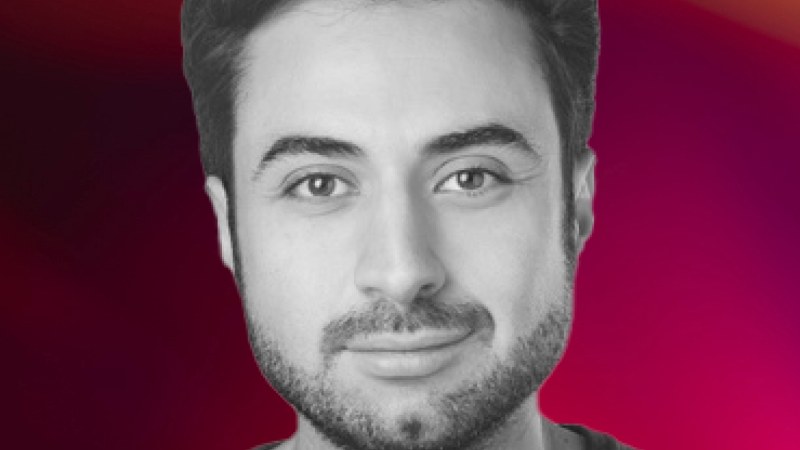
Omar Shaya
Omar Shaya is the Founder and CEO of Please (formerly MultiOn), a Palo Alto-based AI company building a life planning platform that bridges the gap between what people dream of doing and what they actually achieve. Born in Syria to a Venezuelan mother and Lebanese father, raised across Syria, Germany, and the UK before landing in Silicon Valley, Shaya brings a multicultural perspective to democratizing personal assistance through AI. With an MS from Stanford GSB, dual BS/MS in Computer Science from Göttingen University, and prior product leadership at Meta and Microsoft, he founded MultiOn in 2023, raised a $20M seed round led by General Catalyst at a $100M valuation, then rebranded to Please in early 2025 to signal a gentler, more human approach to AI assistance.
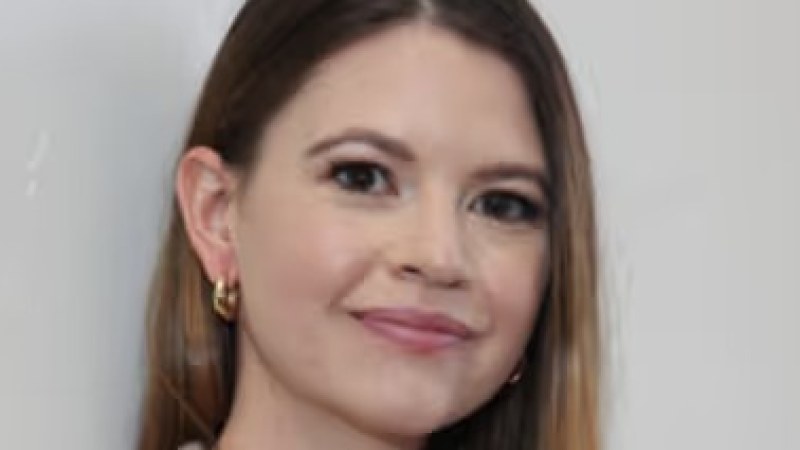
Ellen Rudolph
Ellen Rudolph is the Co-Founder and CEO of WellTheory, a San Francisco-based digital health company on a mission to reverse the autoimmune epidemic. A Stanford-trained product design engineer and Functional Medicine Certified Health Coach, Ellen founded WellTheory in 2022 after her own years-long battle with debilitating autoimmune symptoms drove her to create the empathetic, evidence-based care she wished she'd had. WellTheory has since raised $33.4M in total funding—including a $14M Series A led by General Catalyst in October 2025—and achieved 10x year-over-year member growth and 5x revenue growth, serving 50 million Americans navigating autoimmune conditions.
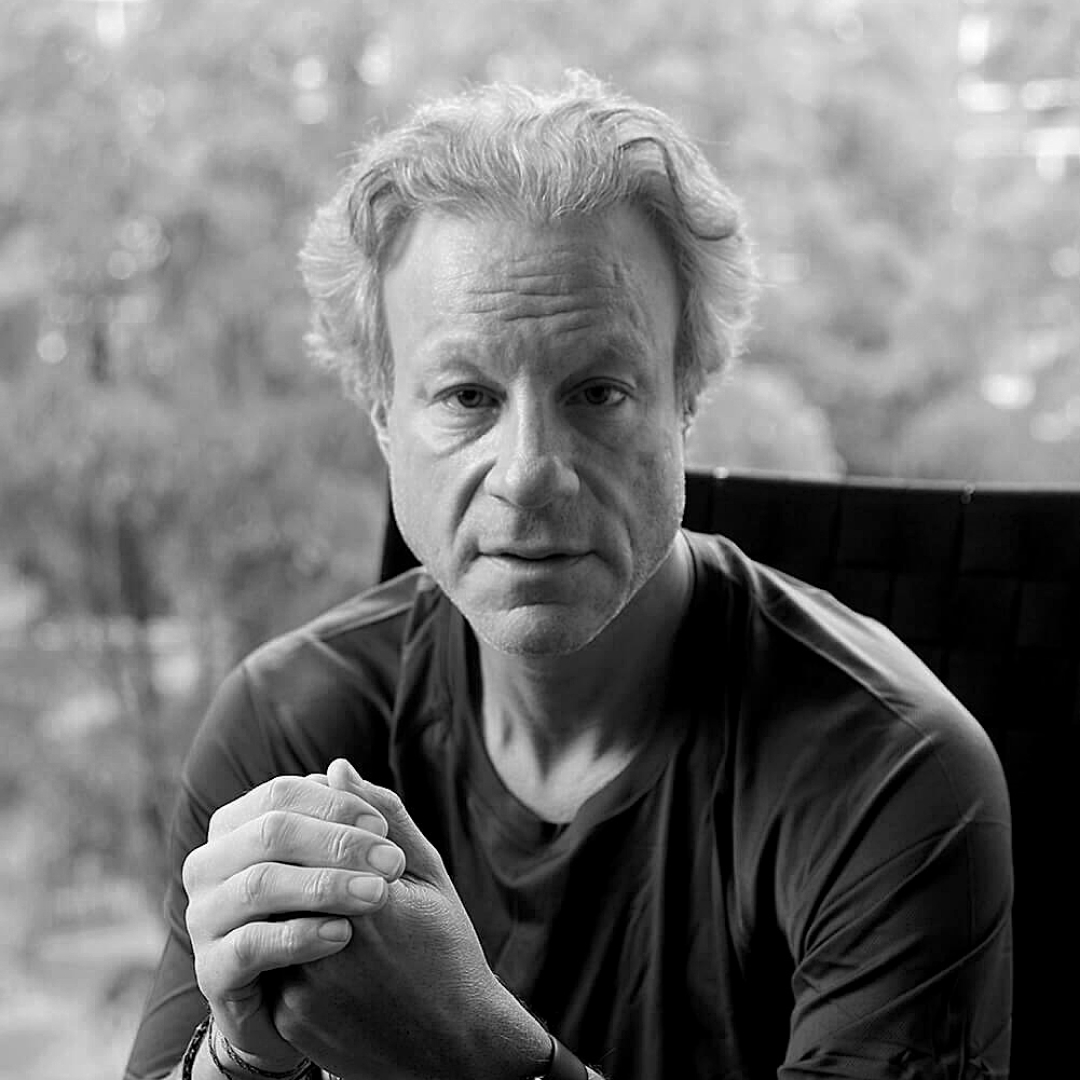
David Fialkow
David Fialkow is the co-founder and Managing Director of General Catalyst, a $40+ billion venture capital firm based in Cambridge, Massachusetts. Beyond building one of America's most influential VC firms, he has produced over 20 documentary films - including two Academy Award winners (Icarus and Navalny) - making him a rare figure who operates with equal conviction in finance and storytelling. Known for backing bold ideas from Airbnb to Anduril, Fialkow brings the same instinct for truth-telling to the board room that drives his work on screen.
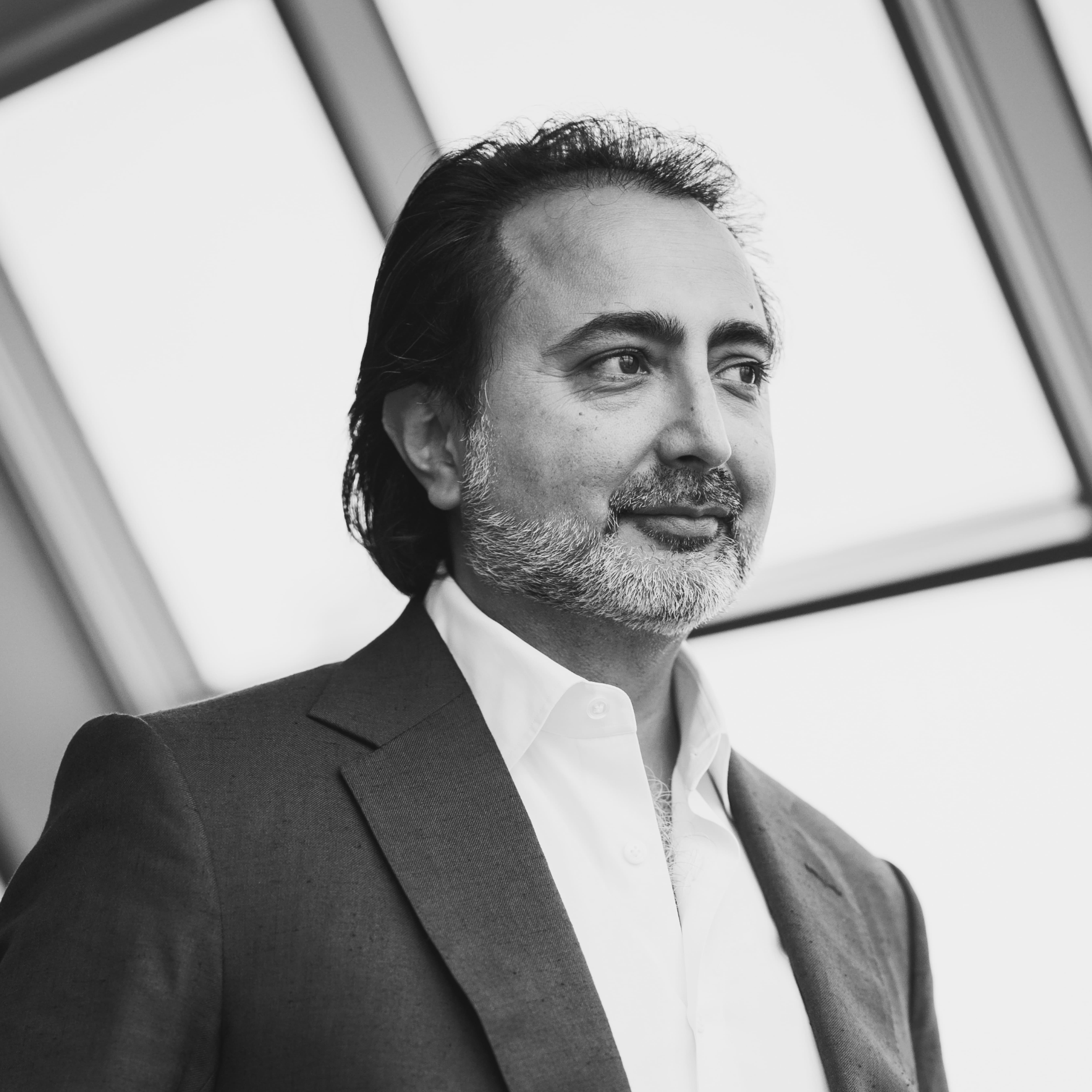
Hemant Taneja
Hemant Taneja is the CEO of General Catalyst, a $40B+ venture capital firm, and one of tech's most unconventional thinkers. Born in Delhi, India, he earned five degrees from MIT before co-founding Livongo Health - sold to Teladoc for $18.5 billion, the largest digital health merger in history. As an early backer of Stripe, Snap, Anthropic, and Canva, and the architect behind GC's audacious move to acquire an actual hospital system, Taneja has spent two decades arguing that building responsibly isn't just the right thing to do - it's the winning strategy. He's signed the Giving Pledge, written four books on technology and capitalism, and is worth an estimated $3.6 billion.
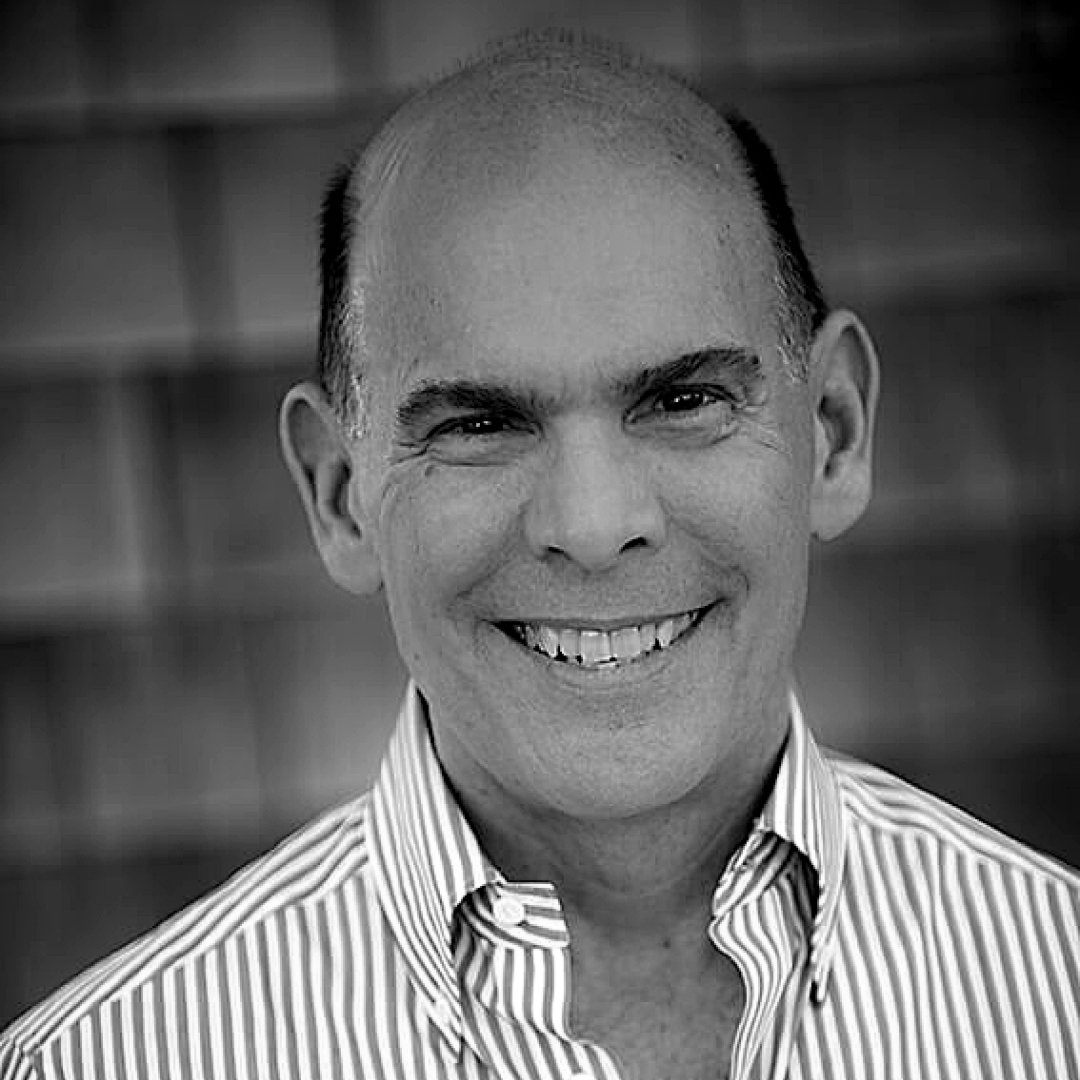
Joel Cutler
Joel Cutler is the co-founder and Managing Director of General Catalyst, one of the most influential venture capital firms in the world. Since co-founding the firm in 2000 with David Fialkow - a partnership forged at summer camp at age 8 - Cutler has backed transformative companies including Airbnb, Warby Parker, Venmo, Lemonade, and KAYAK, which he literally conceived and assembled from scratch. A law school graduate who never practiced law, a self-described non-visionary who keeps a 'Wall of Shame' of deals he missed, and a travel obsessive who attended Phocuswright for 20+ consecutive years, Cutler operates with a contrarian philosophy: he only wants 'exciting, different, and risky' bets, believes great teams beat great ideas every time, and insists that if you don't fail, you're a bad investor.
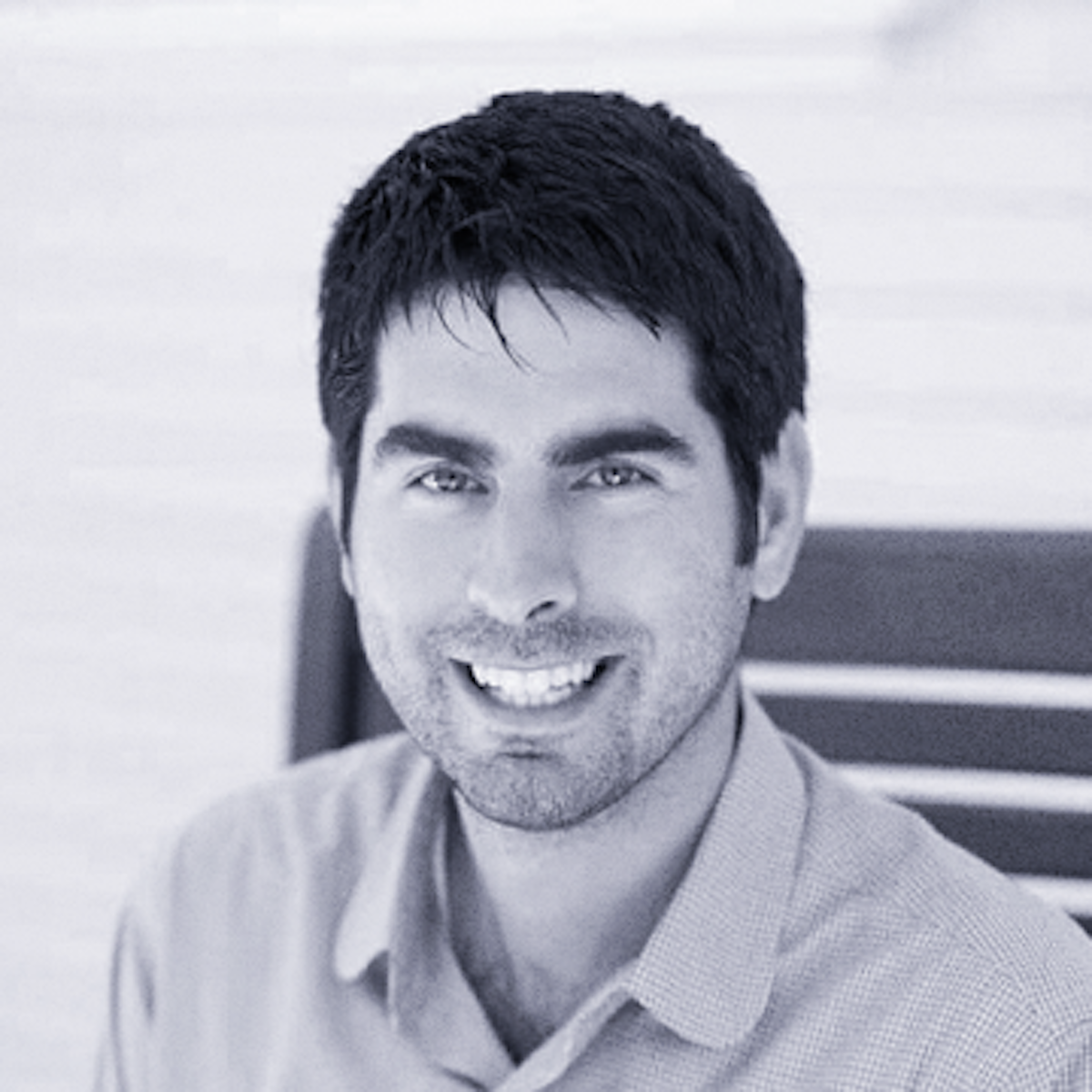
Niko Bonatsos
Niko Bonatsos is a Greek-born, Stanford-educated venture capitalist who spent 15 years at General Catalyst building one of Silicon Valley's strongest seed-stage consumer investment track records - backing Snap, Discord, Mercor, ClassDojo, and Dubsmash before most people knew they existed. In January 2026 he left General Catalyst to co-found Verdict Capital with Michael Fertik, targeting a $300M fund focused on seed/Series A investing in consumer and AI, with a particular contrarian bet on consumer AI being underappreciated in an enterprise-saturated market.