founders-fund
(21)
Abdulmajeed Al-Babtain and the business of staying for dinner
At Mnzil, Abdulmajeed Al-Babtain is building a workforce housing business around the hours outside work. Shared meals, in-house systems and a growing property operation reveal how his idea of success has changed.
Sam Blond
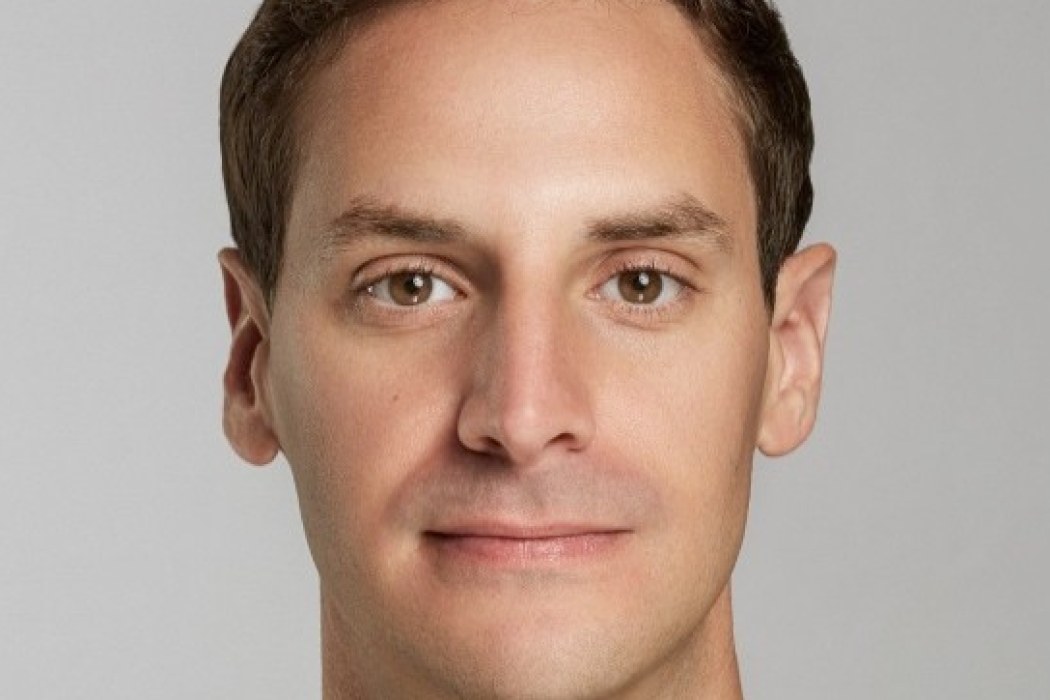
Sam Blond is a go-to-market operator turned founder who built his reputation scaling startup sales teams. He was VP of Sales at Zenefits and Chief Revenue Officer at Brex, where he helped drive revenue from near zero to roughly $400M ARR. After an 18-month run as a partner at Founders Fund, he decided investing was not his fit and went back to operating. In 2026 he co-founded and now leads Monaco, an AI-native sales platform for startups, alongside his brother Brian Blond.
Wonjun Jeong
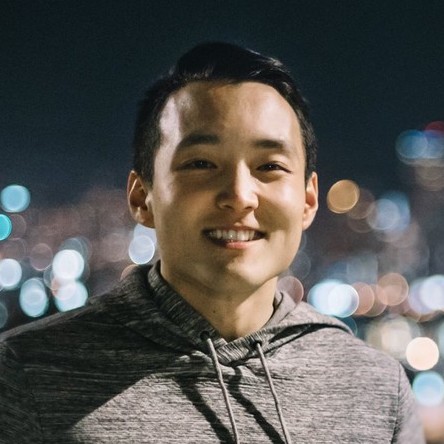
Wonjun Jeong is the co-founder and CEO of Supermove, a San Francisco software company that replaces the paper contracts and typewriters still common in the moving industry with a single cloud platform for sales, dispatch, scheduling, signatures, payments, and payroll. A UC Berkeley computer science graduate who wrote code at Facebook and Pinterest, he started Supermove in 2019 after moving 21 times and watching movers scratch his credit card number into a paper form with a fingernail. The company raised an $18 million Series A led by Andreessen Horowitz in 2022 and works with more than 100 moving and storage firms.
Mike Shebat
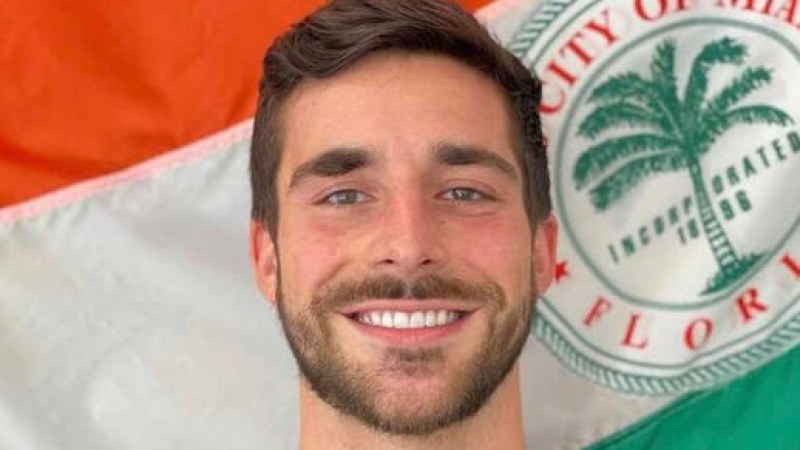
Mike Shebat is the co-founder and CEO of Traba, a New York-based labor marketplace that supplies vetted on-demand workers to warehouses, distribution centers, and light industrial employers. He started the company in 2021 after seeing, from inside a McMaster-Carr shipping floor and later Uber Eats, how often temp workers simply don't show up. Traba has raised roughly $46 million from Founders Fund and Khosla Ventures, and Shebat, a Forbes 30 Under 30 honoree, runs it on a famously intense in-office schedule.
David Cao
David Cao is the co-founder and self-styled 'Chief Get Shit Done Officer' of N1, a Layer 1 blockchain built for finance that promises ultra-low latency and 100,000+ transactions per second. With co-founders Dima Romanov and Sheheryar Parvaz, he spent years building 01, a fully on-chain Solana derivatives exchange, weathered a two-year crypto winter, pivoted through Layer N, and relaunched the whole effort as N1 in December 2024. Backed by Founders Fund, dao5, Multicoin Capital and Arthur Hayes, the New York-based, Harvard-schooled builder is betting that congestion-free, developer-friendly infrastructure is the missing piece for moving real markets onchain.
Molly Yang
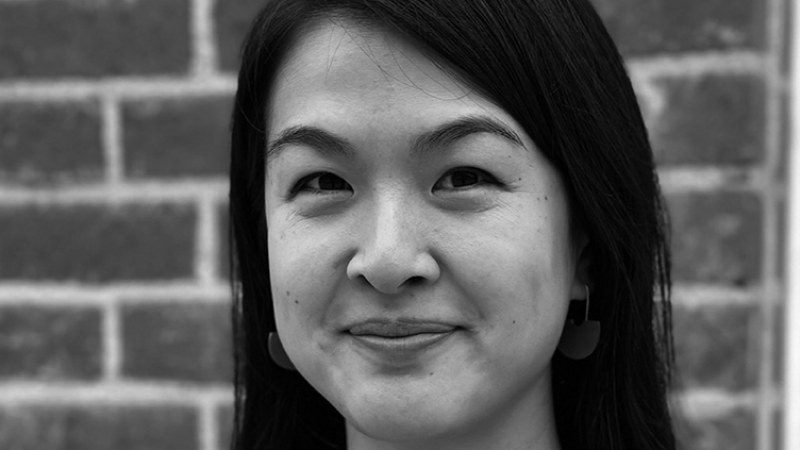
Molly Yang is the co-founder and CEO of Hgen, a Los Angeles climate-tech company building modular, mass-manufacturable alkaline electrolyzers to make clean hydrogen cheap enough for heavy industry. A former energy product lead at Tesla, she teamed up with childhood friend and ex-SpaceX engineer Colin Ho to shrink the electrolyzer roughly twentyfold and package it into shipping containers that need only water and electricity. Hgen has raised $7M total from Founders Fund, Seven Seven Six, and Fontinalis Partners, and Yang was named a 2022 Breakthrough Energy Fellow.
Andrew Collins
Andrew Collins is the CEO and co-founder of Bungalow, the largest co-living network in the United States. Raised in Tulsa, Oklahoma among serial entrepreneurs, he studied sociology and economics at Princeton and earned an MBA from Wharton before deliberately collecting skills at Medallia, Facebook, and the startup studio Atomic. In 2017 he and Justin McCarty turned their own struggle to find affordable housing and friends in a new city into Bungalow, which furnishes homes and rents individual bedrooms at roughly 30% below the cost of a studio. The company has raised about $175 million, including a $75 million Series C in 2021, from backers like Khosla Ventures, Founders Fund, and Coatue.
Yibiao Zhao
Yibiao Zhao is the co-founder and CEO of ISEE, an MIT spin-off in Cambridge, Massachusetts that builds self-driving yard trucks powered by a 'humanistic' AI grounded in cognitive science. A UCLA PhD in computer vision and former MIT postdoc in Joshua Tenenbaum's Computational Cognitive Science Group, Zhao bet that machines need common sense, not just pattern recognition, to navigate the messy real world. ISEE became the first company to run fully autonomous operations in logistics yards, completing more than 10,000 self-driving trailer moves for customers like Maersk and Lazer Spot, and raised $40 million in a 2022 Series B led by Founders Fund.
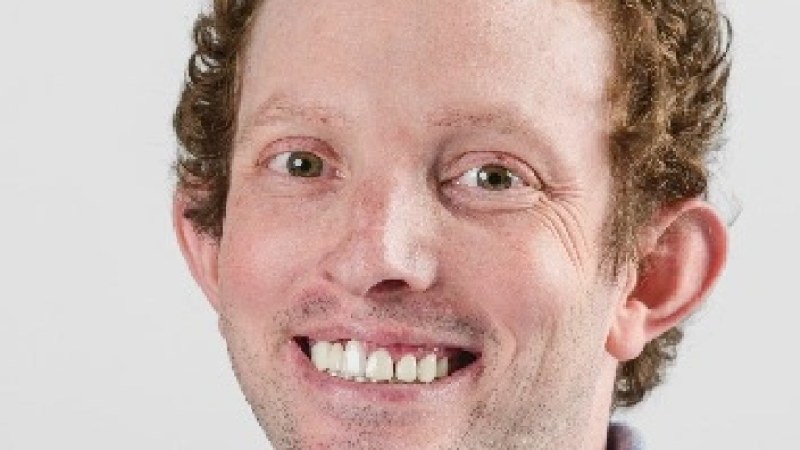
Nathan Allman
Nathan Allman was the founder and CEO of Ondo Finance, the firm that did more than almost anyone to drag tokenized U.S. Treasuries from a whitepaper idea into a multi-billion-dollar reality. A Brown graduate and former Goldman Sachs digital-assets trader, he left Wall Street in early 2021 to build what he framed as a decentralized investment bank, betting that boring, yield-bearing, regulation-aware products - not speculation - would be how traditional finance finally moved on-chain. Under his watch Ondo grew to roughly $3.5 billion in total value locked, launching USDY, OUSG, Ondo Global Markets and the institution-focused Ondo Chain. He died unexpectedly in May 2026.
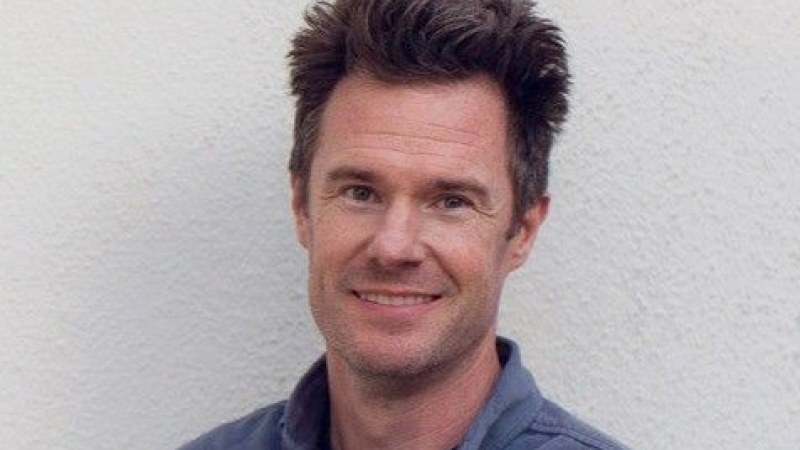
Zack Eakin
Zack Eakin is the co-founder and CEO of Layup Parts, a Huntington Beach startup that wants to make ordering custom carbon-fiber and fiberglass parts as easy as ordering from Amazon. A composites engineer who started in IndyCar bodywork at Chip Ganassi Racing, became the first engineer at Elon Musk's The Boring Company, and led mechanical engineering on Anduril's Roadrunner drone, Eakin launched Layup in 2024 to attack a problem he kept hitting himself: composite parts that take weeks and cost a fortune. With software-driven manufacturing and standardized stock materials, Layup compresses some jobs from weeks to hours. In June 2026 the company raised a $42 million Series A led by Marlinspike, on top of a $9 million seed from Founders Fund.
Mike Solana
Mike Solana is the founder and editor-in-chief of Pirate Wires, the technology, politics, and culture publication that became required reading inside Silicon Valley's investor class. He doubles as Chief Marketing Officer and Vice President at Peter Thiel's Founders Fund, where he runs the firm's creative output, including the Anatomy of Next podcast and the Hereticon conference for ideas that get exiled from polite conversation. The Atlantic dubbed him 'the most opinionated man in America.' Operating from Miami, he writes and broadcasts a contrarian, often combative take on tech, the press, and California governance.
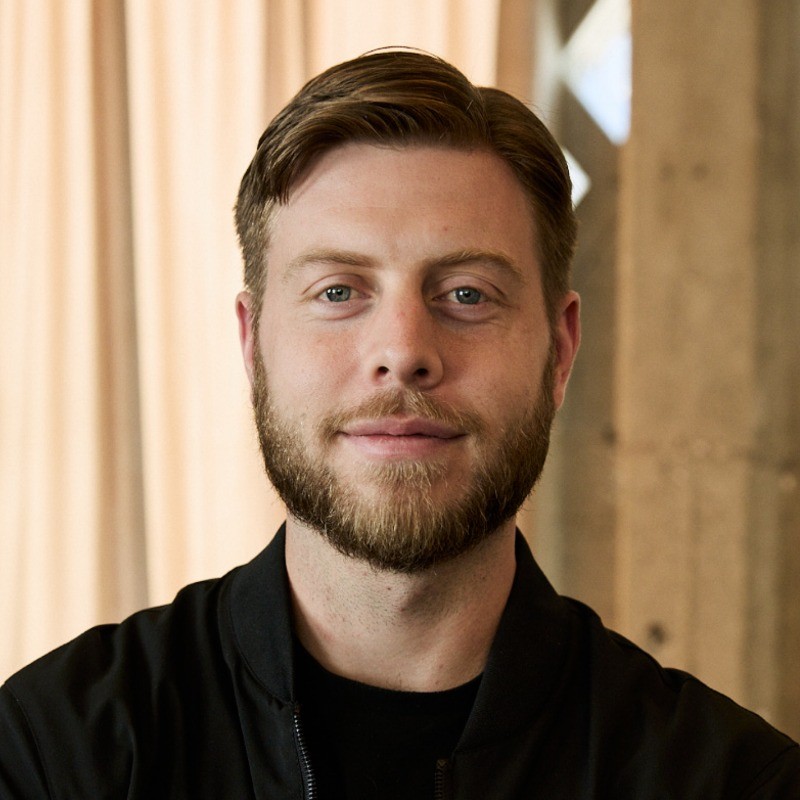
Everett Randle
Everett 'Ev' Randle is a General Partner at Benchmark, one of Silicon Valley's most legendary and selective venture capital firms. A Colorado native who graduated top of his class from CU Boulder's Leeds School of Business, Randle cut his teeth at Vista Equity Partners before moving through Bond Capital, Founders Fund, and two stints at Kleiner Perkins. He backed companies like Rippling, Anthropic, Databricks, Flock Safety, and Huntress across those roles. He is also a respected essayist in the VC world, best known for 'Playing Different Games' (2021), a widely-cited breakdown of Tiger Global's disruption of venture capital, and 'Operating Yield' (2023), a new framework for measuring SaaS growth efficiency. In April 2025, Benchmark announced Randle as its newest General Partner - a firm that manages roughly $425M per fund with only five partners.
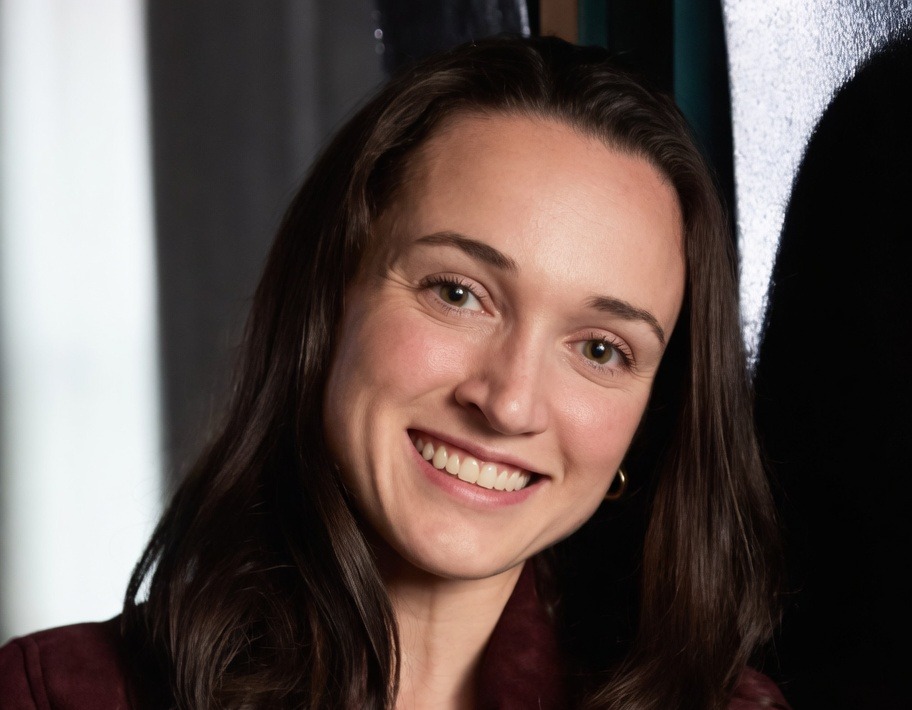
Leigh Marie Braswell
Leigh Marie Braswell is a Partner at Kleiner Perkins, one of Silicon Valley's most storied venture firms, where she backs early-stage founders building the next wave of AI infrastructure and ML applications. A rural Alabama native who became MIT's top competitive female mathematician, she cut her teeth as an early engineer and the first product manager at Scale AI, helped label data for GPT-2, then sharpened her investment instincts at Founders Fund before joining KP in 2023. Her bets - Windsurf (acquired by Google), Neon (acquired by Databricks), Chronosphere (acquired by Palo Alto Networks), and a first angel check into Ambience Healthcare at a $1.1B valuation - reveal a pattern: she backs fast-moving technical founders before anyone else does, using a poker-trained lens for probabilistic decision-making.
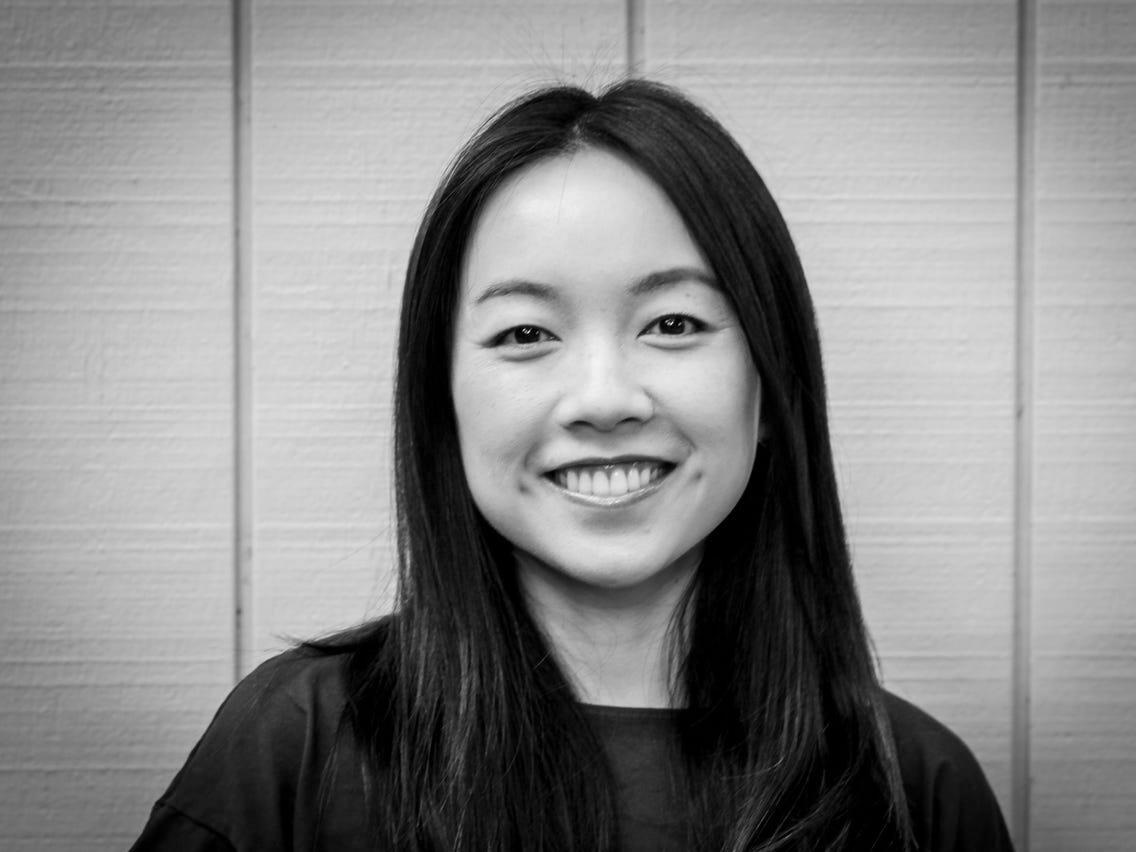
Yin Wu
Yin Wu is the co-founder and CEO of Pulley, a San Francisco-based equity management platform that has raised $50M and serves over 5,000 startups. A four-time founder and three-time Y Combinator alumnus (S11, S13, W20), she previously built Echo, an Android lock screen app that hit 5 million downloads before being acquired by Microsoft in 2015 (becoming Microsoft Launcher). She founded Pulley in 2019 after a short stint building a blockchain project, driven by a mission to give founders the same informational edge on equity that investors have always had.
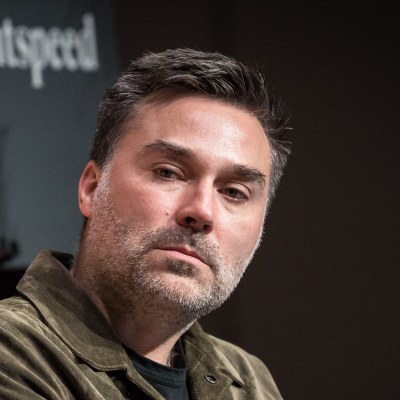
Trae Stephens
Trae Stephens is a co-founder and Executive Chairman of Anduril Industries, the defense-tech startup that hit $1 billion in revenue in 2024 and reached a $30.5 billion valuation in its 2025 Series G. A partner at Peter Thiel's Founders Fund since 2014, Stephens has spent his career at the intersection of national security and Silicon Valley - from Arabic computational linguistics in the US intelligence community, to early days at Palantir, to co-founding Anduril with Palmer Luckey in 2017. A devout Christian from Lebanon, Ohio, he frames building autonomous weapons as a moral imperative and became a billionaire in June 2025.
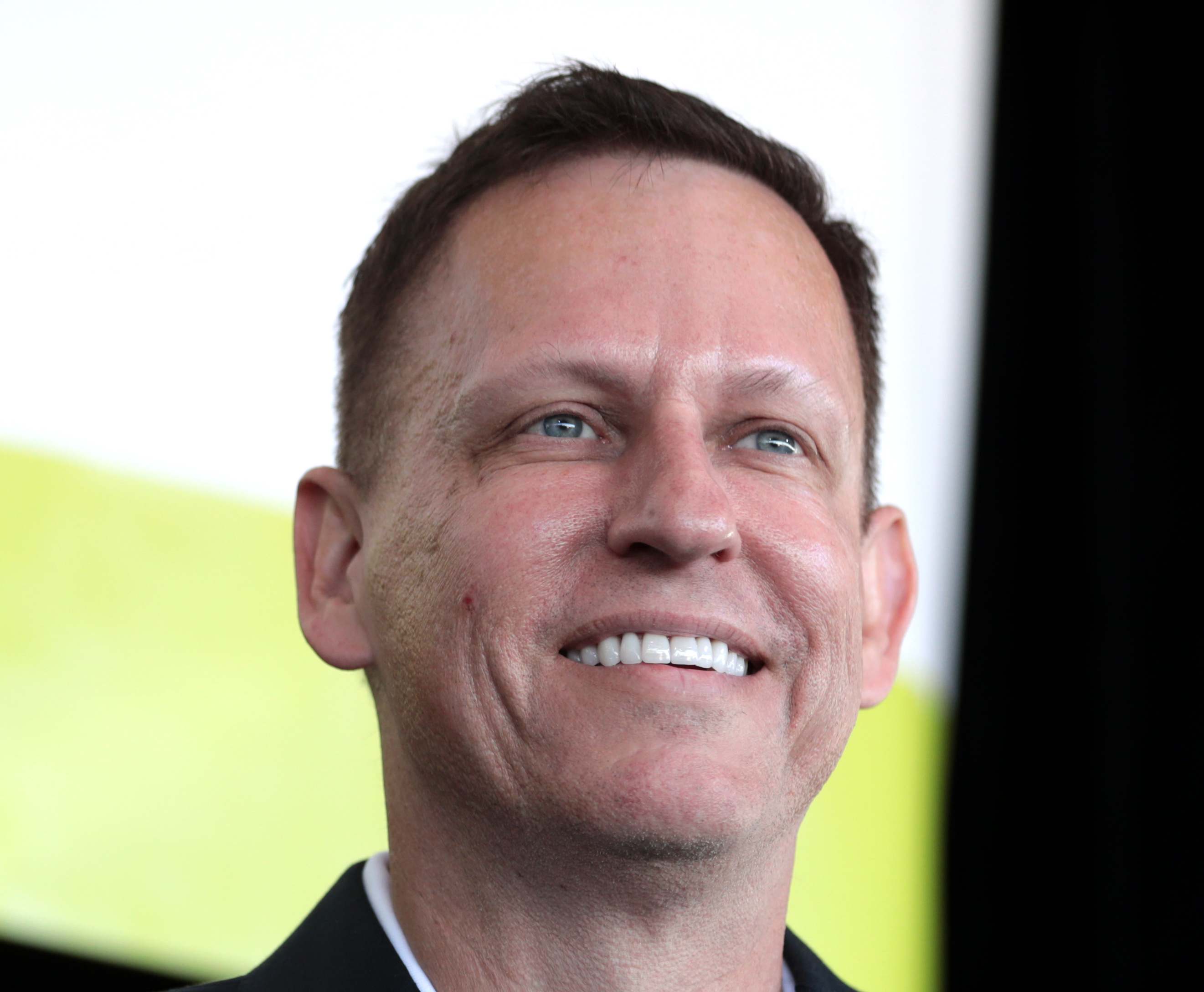
Peter Thiel
Peter Andreas Thiel (born October 11, 1967 in Frankfurt, West Germany) is one of the most consequential and controversial figures in the history of technology and venture capital. A Stanford philosophy graduate and law school alumnus, Thiel co-founded PayPal in 1998, pioneering online digital payments before selling it to eBay for $1.5 billion in 2002. He then made what became arguably the greatest angel investment in tech history — a $500,000 bet on a 19-year-old Mark Zuckerberg's Facebook in 2004 that ultimately returned over $1 billion. In 2003 he co-founded Palantir Technologies (now valued at over $400 billion), and in 2005 he launched Founders Fund, a venture capital firm managing approximately $17 billion that was among the first institutional investors in SpaceX, Palantir, Stripe, Airbnb, and Spotify. Thiel's 2014 book Zero to One became a defining text on startup theory, articulating his core belief that genuine innovation is far more valuable than incremental improvement. A self-described libertarian, Thiel surprised Silicon Valley when he endorsed Donald Trump at the 2016 Republican National Convention. He is also known for secretly funding Hulk Hogan's lawsuit that bankrupted Gawker Media after the outlet outed him as gay. Through the Thiel Fellowship, which awards $250,000 to young people who skip or defer college, he has championed entrepreneurship over credentialism — producing billionaire alumni including Ethereum's Vitalik Buterin and Figma's Dylan Field. As of December 2025, Thiel's net worth is estimated at $27.5 billion.
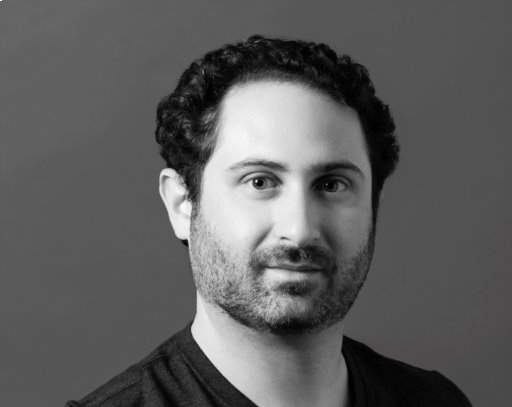
Brian Singerman
Brian Singerman spent 16 years as a General Partner at Founders Fund - Peter Thiel's celebrated contrarian VC firm - backing SpaceX, Anduril, OpenAI, Stripe, and Scale AI before the world knew what they would become. He founded iGoogle at Google in 2005, built one of the first YC-focused investment vehicles (XGYC), and developed a reputation as one of the most conviction-driven investors of his generation. In late 2024, he transitioned to Partner Emeritus at Founders Fund, then co-founded GPx - a $500M debut fund with a structural twist on the VC model - with Lee Linden, backed significantly by Peter Thiel.
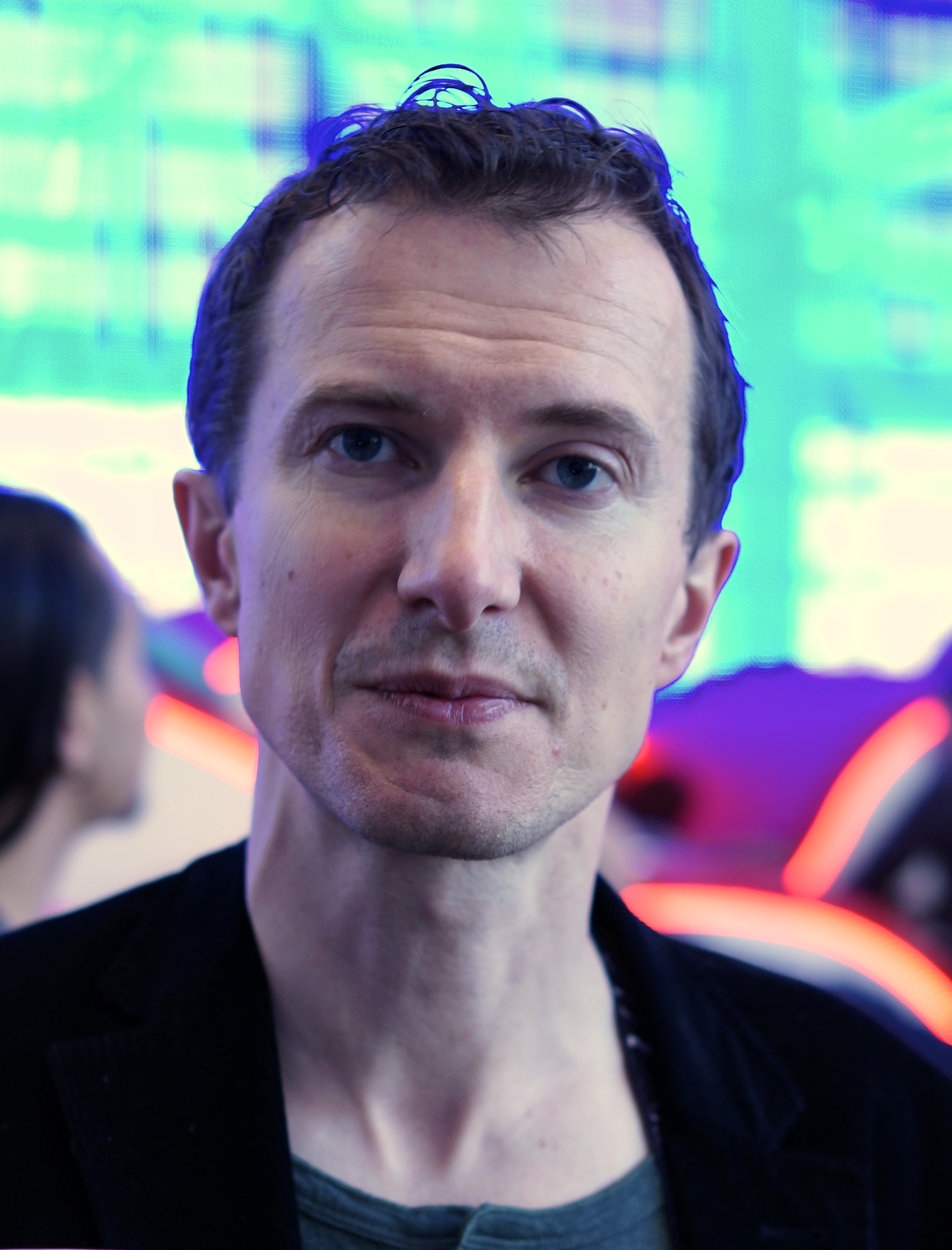
Luke Nosek
Luke Nosek is a Polish-American entrepreneur and venture capitalist who co-founded PayPal, where he served as VP of Marketing and Strategy. He later co-founded Founders Fund with Peter Thiel and Ken Howery, before launching Gigafund in 2017, a venture firm focused on transformative technologies. As the first institutional investor in SpaceX and board member since 2008, Nosek has championed ambitious, decades-long investments in space exploration, AI, and frontier technologies, embodying a contrarian approach to venture capital that prioritizes world-changing impact over short-term returns.
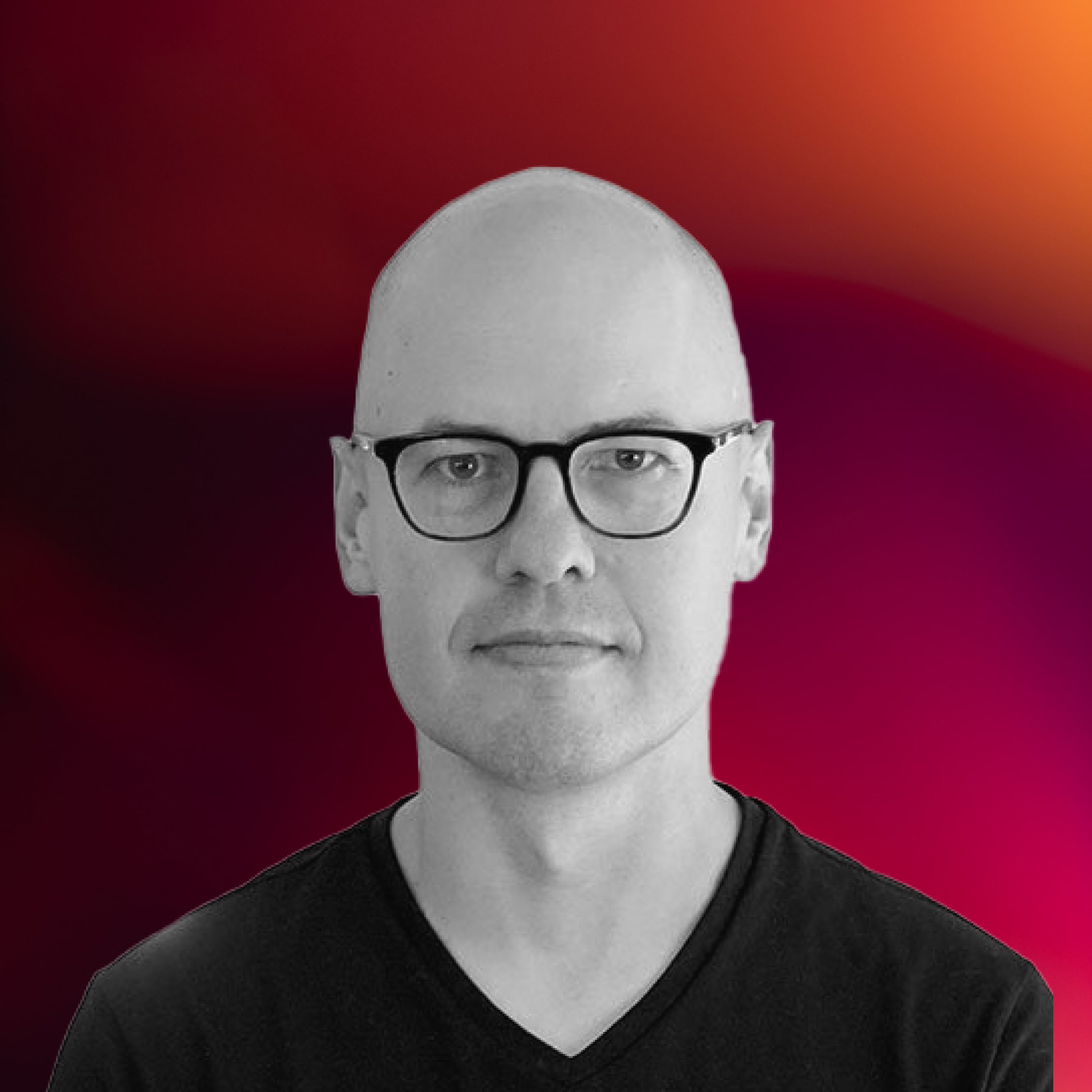
D. Scott Phoenix
D. Scott Phoenix is a deep tech entrepreneur and venture capitalist who co-founded Vicarious, an artificial general intelligence company that raised $250M from Elon Musk, Mark Zuckerberg, Jeff Bezos, and other tech luminaries before being acquired by Alphabet in 2022. Now a partner at Fifty Years, he invests in scientists and engineers solving humanity's biggest problems. A Y Combinator alum who founded his first startup at 16, Phoenix is a leading voice in AI safety advocacy and believes artificial general intelligence will be 'humanity's last invention.'
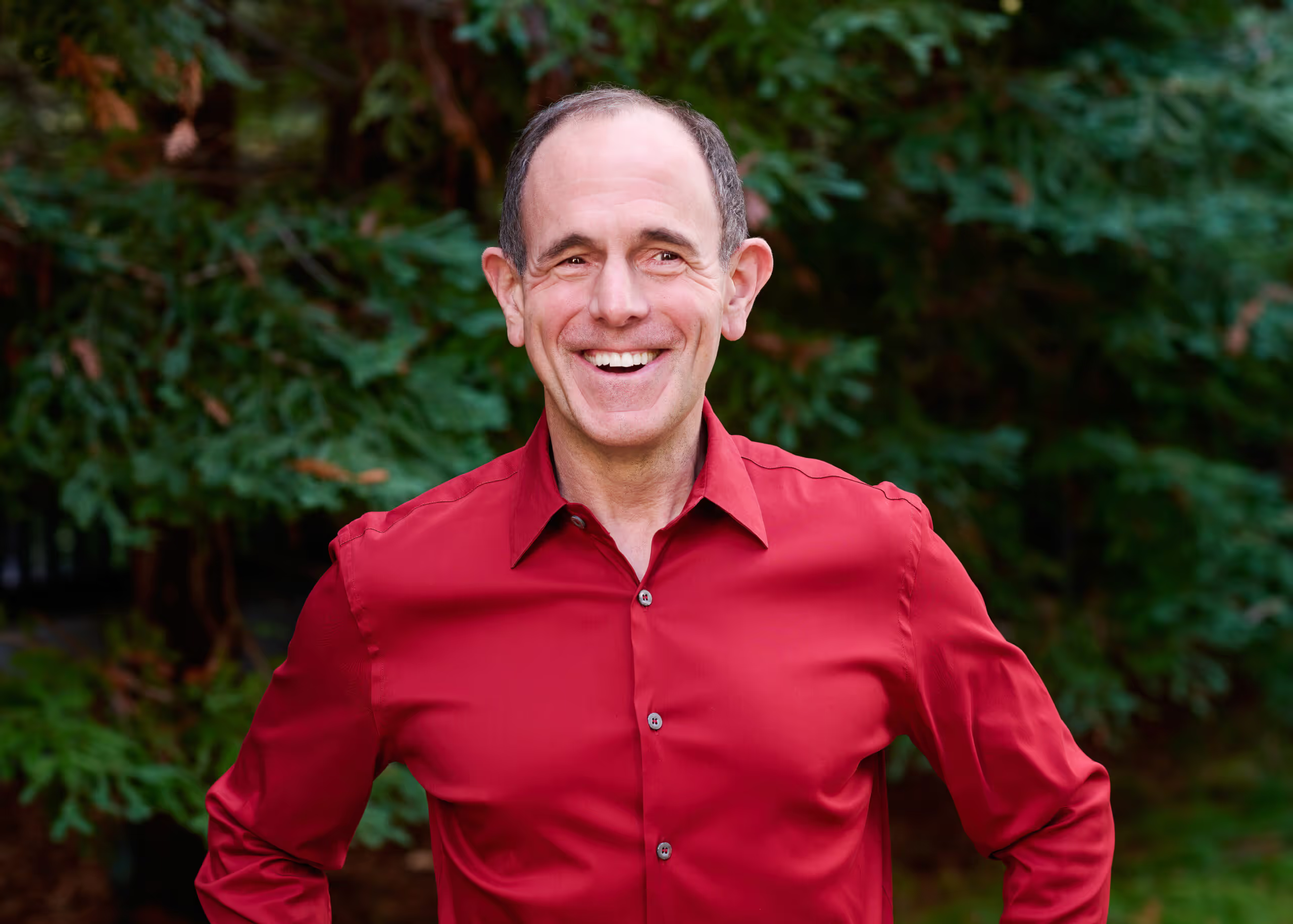
Keith Rabois
Keith Rabois is a PayPal Mafia veteran, co-founder of Opendoor, and Managing Director at Khosla Ventures whose career spans law clerk, corporate attorney, political adviser, and now one of Silicon Valley's most prolific — and outspoken — investors. He is the first institutional backer of DoorDash, Affirm, and Faire, made early bets on Stripe, YouTube, and Airbnb, and brought the iBuyer model to residential real estate before moving to Miami and catalyzing one of the biggest tech migration waves in recent memory.
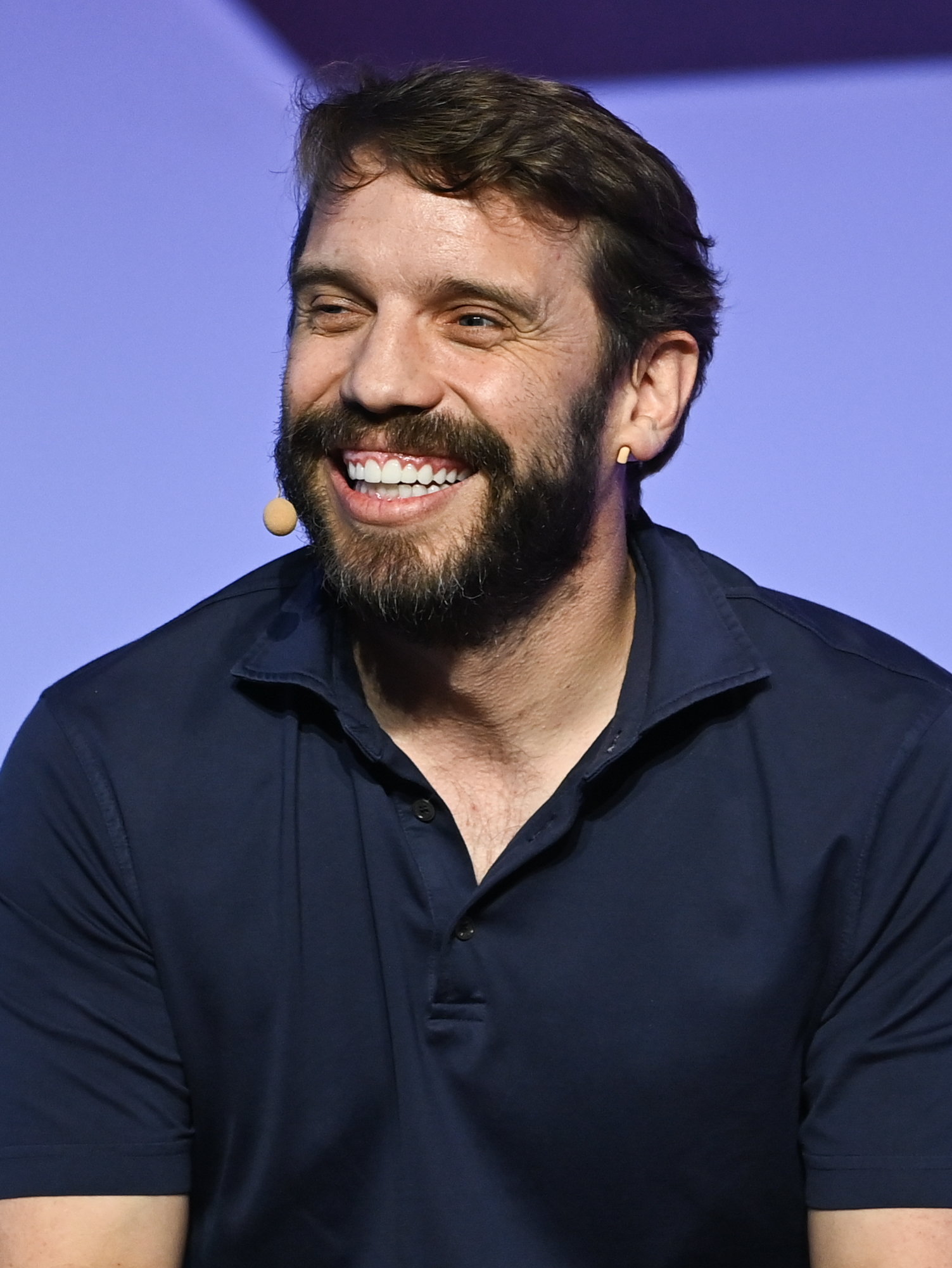
Ryan Petersen
Ryan Petersen is the founder and CEO of Flexport, the technology-driven freight forwarding company he built from a Y Combinator batch into an $8 billion global logistics giant. A serial entrepreneur who started importing goods from China at 17, he previously co-founded ImportGenius and has become one of the most influential voices in supply chain and trade policy - most famously by renting a boat to tour the LA port congestion in 2021 and posting a viral Twitter thread that prompted California's governor to call him directly. He is also a venture partner at Peter Thiel's Founders Fund.