environmental-services
(19)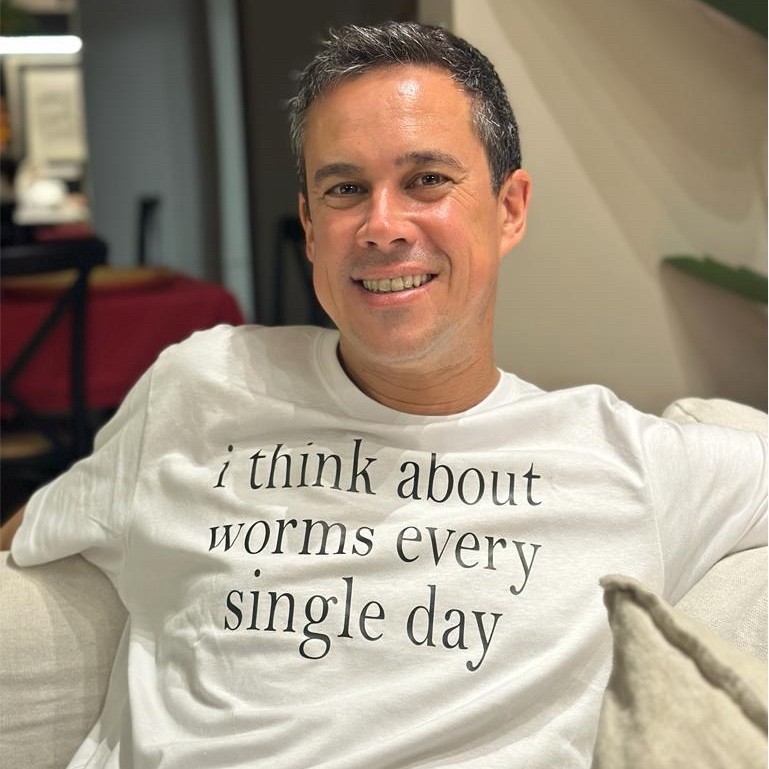
Matias Sjögren Built a Water Company Around Nature’s Unfashionable Workforce
He left a family office after seeing a worm-filled filter at his father’s house. Fifteen years later, BioFiltro is turning that unlikely encounter into water infrastructure financed by long contracts, carbon credits and a $35 million investment.
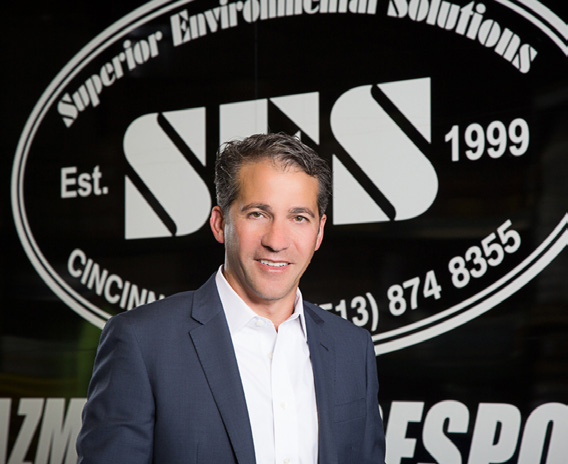
Dean Wallace Built a Company for the Work Nobody Notices Until It Stops
He spent more than two decades scaling the unglamorous, essential work behind factories, utilities and waste systems - then made succession part of the operating plan.
Daryl Hancock Spent 25 Years Making Invisible Risks Visible
Before RMEC joined a global compliance group, it began with four partners, a handful of clients and one founder working full-time. Daryl Hancock turned that unglamorous beginning into a 25-year study in making risk legible.
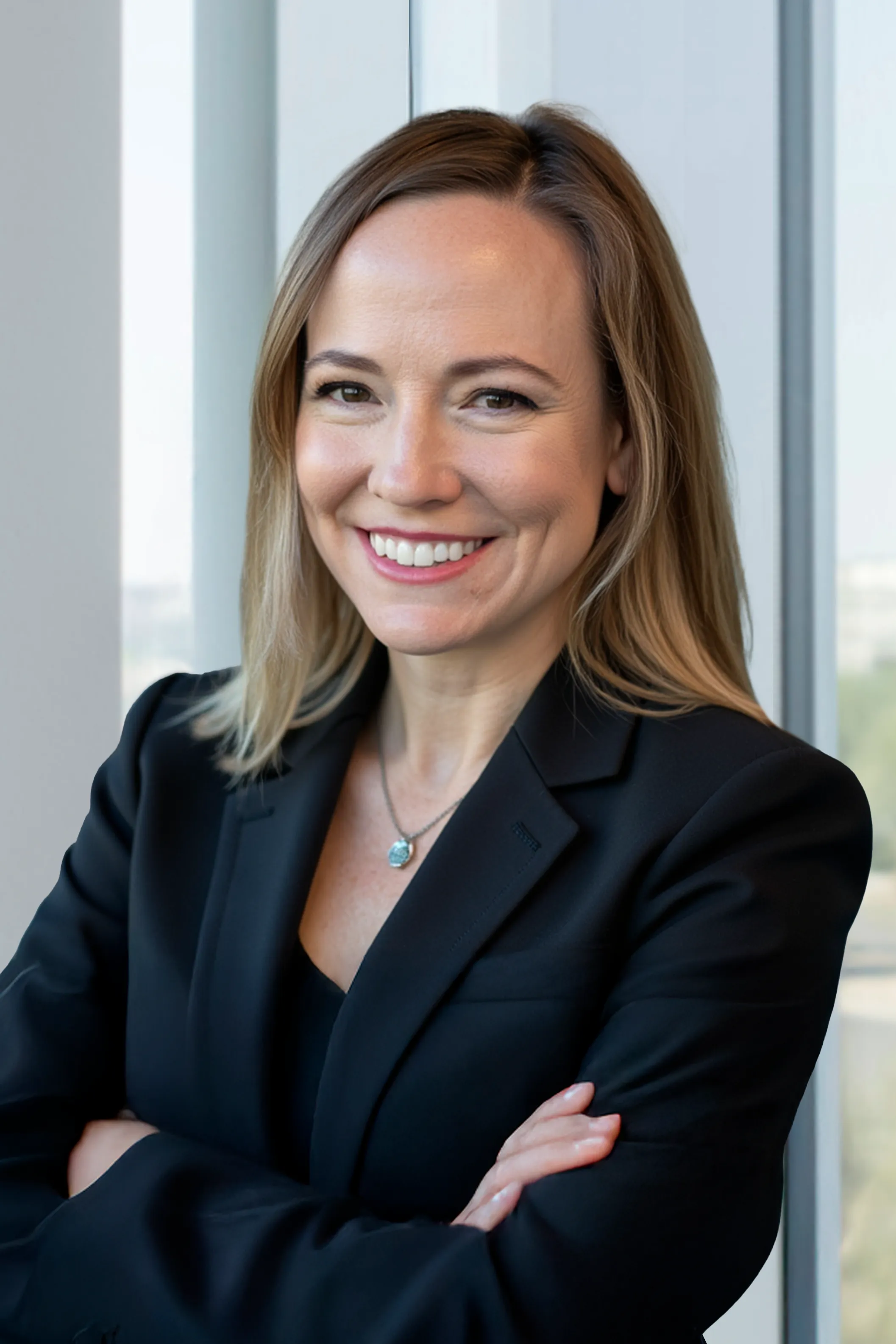
Jeni Bell Is Marketing the Business Behind the Bin
After five brands, ten moves and a career spent making technology feel useful, Jeni Bell took on a less visible challenge: turning a vast environmental-services network into a customer experience people can understand.
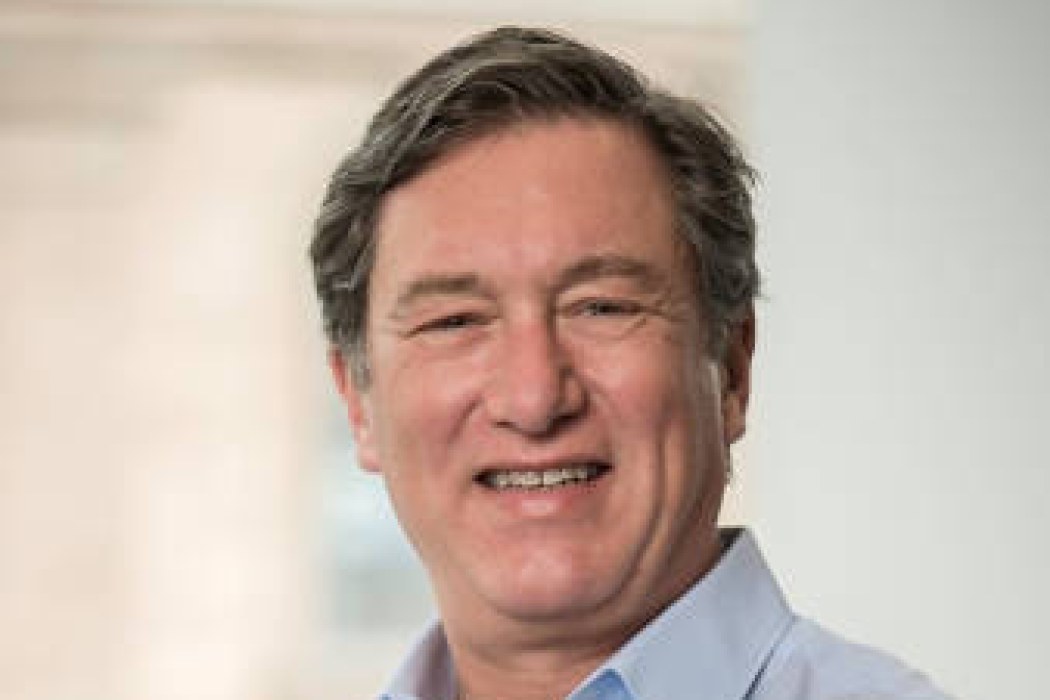
David Rubinstein
David Rubinstein is the CEO of OptiRTC (Opti), a Boston-area company that builds cloud software to monitor and adaptively control stormwater infrastructure in real time. A technology operator with roughly four decades of experience scaling high-tech startups, he joined Opti as President and COO in 2018 and became CEO in 2019, steering the company from an engineering-services consultancy into a digital water product business. His background spans SaaS and data companies including DataXu, Resolve Technology, Invoke Solutions, and Convergent Group, which he helped take public before its sale to Schlumberger.
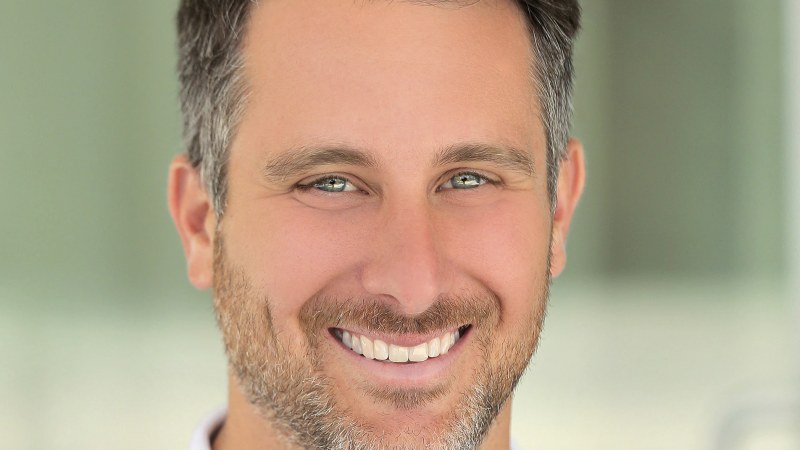
Michael Marmo
Michael Marmo is the founder and CEO of CurbWaste, a New York-based software platform for waste haulers. A fourth-generation waste industry professional, Marmo started as a scale operator at a family transfer station, built a NYC hauling company called Curbside, then sold it in 2021 to focus on the software he had built to run it. CurbWaste now serves ~150 haulers across roughly 40 states and has raised about $50M in total funding, including a $28M Series B in October 2025 led by Socium Ventures.
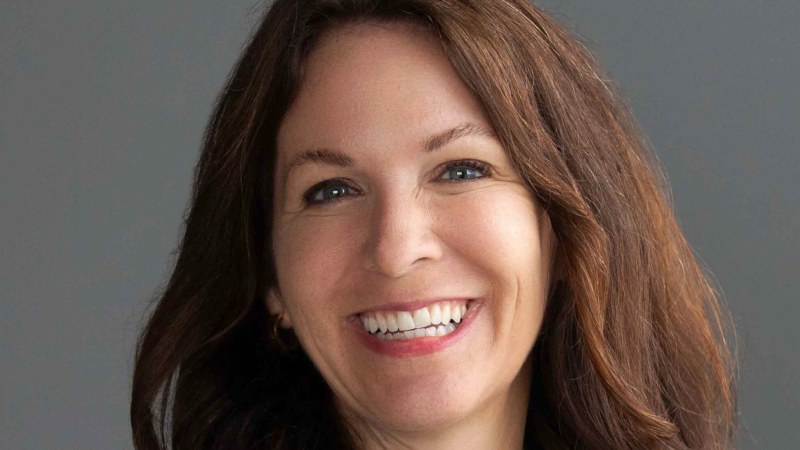
Nicole Richards
Nicole Richards is the founding CEO of Allonnia, a Boston-based synthetic biology company that engineers microbes to destroy forever chemicals like PFAS and 1,4-dioxane, and to pull critical minerals out of ore and waste streams. A chemical engineer with nearly three decades in water, mining and specialty chemicals, she spun Allonnia out of Ginkgo Bioworks' Ferment Consortium in 2020 with a $40M Series A and has since raised more than $109M in total funding.
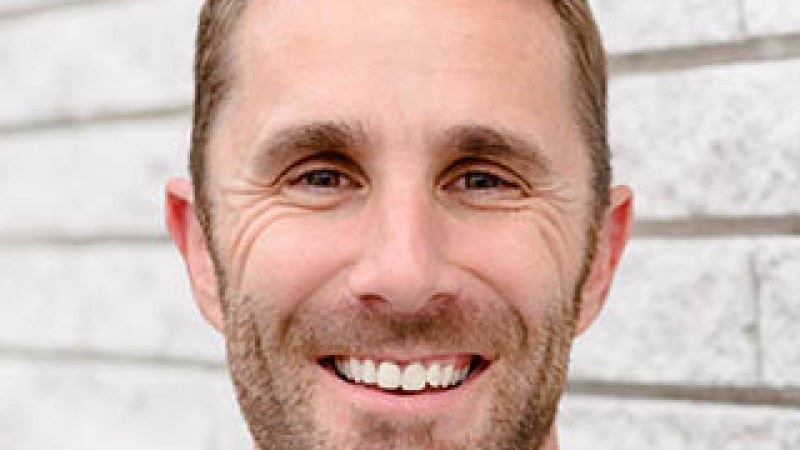
Ben Parry
Ben Parry is the CEO of Compost Crew, a Rockville, Maryland public benefit corporation turning food scraps into soil across the Washington, D.C. region. After more than a decade financing solar and wind projects on five continents, he bought a scrappy three-truck compost hauler in 2018 and grew it into one of the Mid-Atlantic's largest organics recyclers, with more than 20,000 customers, a 40-truck fleet, and a network of local Compost Outpost sites that close the loop between kitchen buckets and nearby farms.
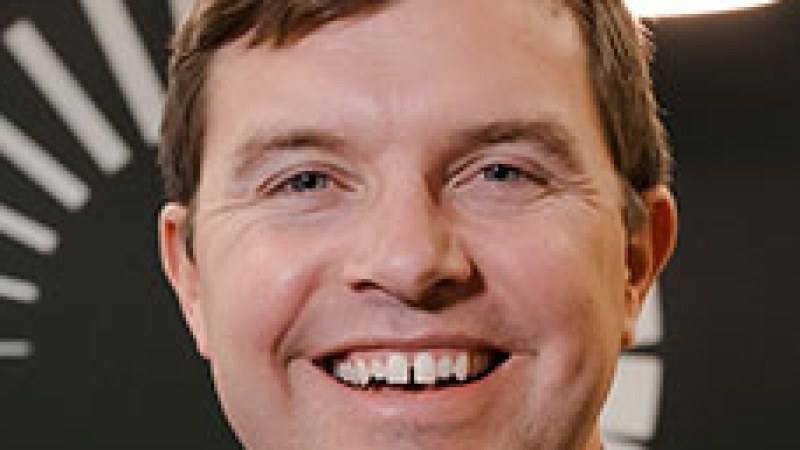
Graham Rihn
Graham Rihn is the founder and CEO of RoadRunner, a Pittsburgh-based company that uses data and AI to modernize commercial waste and recycling. A Cornell economics grad and former college linebacker who grew up in Allison Park, Pennsylvania, Rihn started RoadRunner in New York City in 2014 after watching garbage pile up on Manhattan streets and asking why an $85 billion industry had skipped the technology revolution. He moved the company to his hometown of Pittsburgh in 2017 and grew it from roughly 30 people in three cities to more than 500 employees serving over 12,000 customers nationwide, raising more than $150 million along the way, including a $70 million Series D led by General Atlantic.
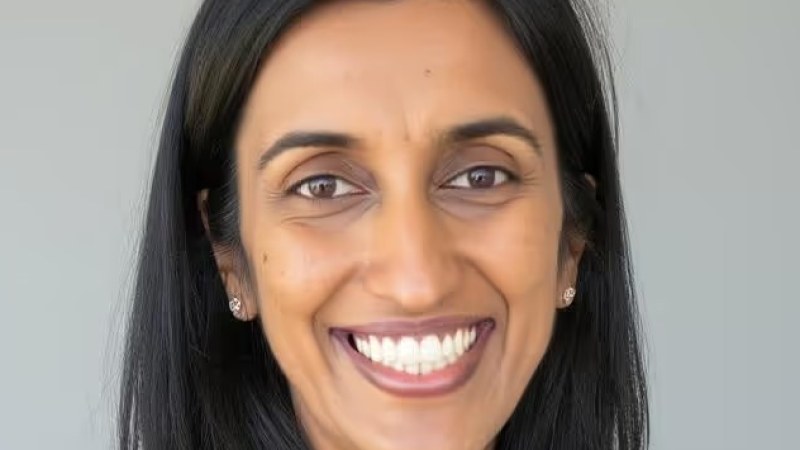
Manika Doshi
Manika Doshi is the CEO of rePurpose Global, the New York-based plastic action platform that has pulled 100 million pounds of plastic waste out of nature across 11 countries and partnered with 500+ brands. A materials science engineer turned operator, she rose from COO to chief executive in January 2026 as the company pivots toward packaging-compliance software and Extended Producer Responsibility. Her brief: make a tangled, regulation-heavy problem simple enough that brands move from intention to action at scale.
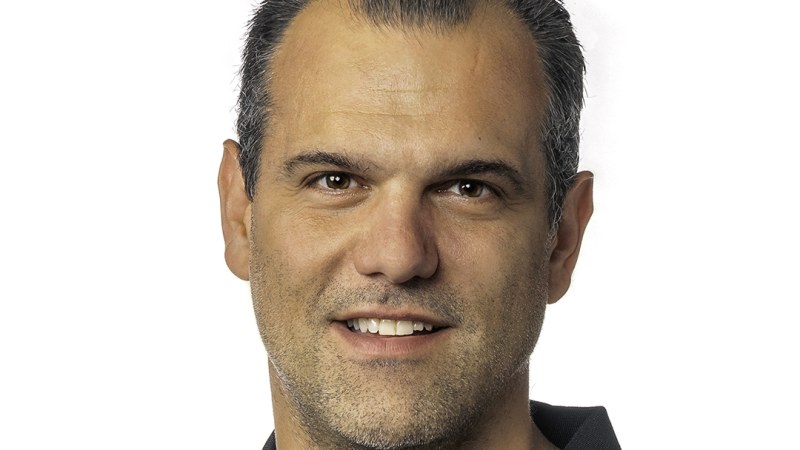
Nicholas Dyner
Nicholas Dyner is the CEO of Moleaer Inc., the Hawthorne, California company that turned nanobubbles - gas bubbles 2,500 times smaller than a grain of salt - into an industrial-scale tool for growing more food, cleaning more water, and reviving dying lakes. A Cornell history-and-economics major who fell into the water industry through a GE leadership program and never left, Dyner has spent nearly two decades selling water-treatment technology in more than 90 countries. Since 2017 he has guided Moleaer from a wastewater experiment to over 10,000 installations across 55 countries, a partnership with Xylem, and a multi-billion-dollar category that barely existed before he showed up.
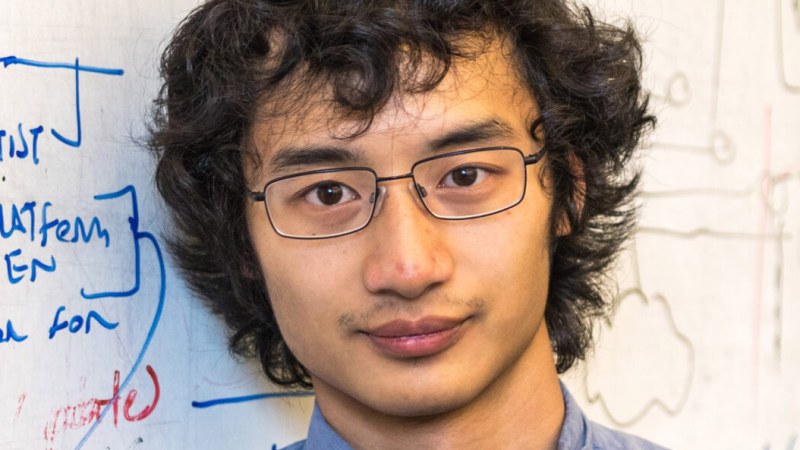
David Lu
David Lu is the co-founder and CEO of Clarity Movement Co., a Berkeley-based climate tech company that deploys hyperlocal air quality monitoring networks across 85+ countries. Growing up in smog-choked Shanghai and arriving to California's startling blue skies as a teenager, he turned personal contrast into a global mission. Clarity's tissue-box-sized solar-powered sensors have recorded over 500 million measurements, informed London's low-emission zones, and earned Lu a spot on TIME's 100 Most Influential Climate Leaders of 2025.

Ethan Cohen-Cole
Ethan Cohen-Cole is the CEO and Co-Founder of Capture6, a Berkeley-based climate technology Public Benefit Corporation that has cracked one of cleantech's most stubborn puzzles: making carbon removal pay for itself. By integrating direct air capture with desalination brine management, Capture6 turns the costly waste stream of water treatment into a revenue engine - producing fresh water, green chemicals, and permanent CO2 sequestration simultaneously. Before pivoting to climate tech, Cohen-Cole spent 25+ years as a PhD economist, Federal Reserve bank regulator, and finance professor, giving him an unusually rigorous lens on the economics of decarbonization. Capture6 raised a $27.5M Series A in March 2025, backed by Hyundai's ZER01NE Ventures and Tetrad Corporation, bringing total funding to nearly $49M.
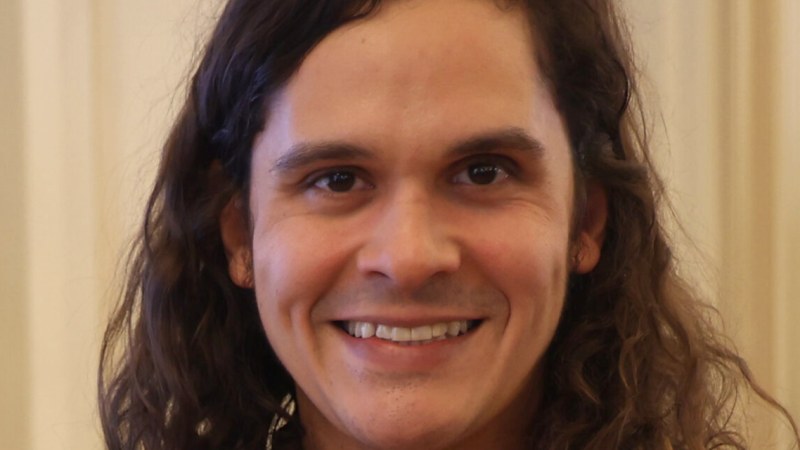
Jason Aramburu
Jason Aramburu is the cofounder and CEO of Applied Carbon, a Houston-based climate tech company building the world's first mobile, in-field biochar production machines that convert agricultural crop waste into permanent carbon storage - and improved soil - in a single pass. A Princeton-trained ecologist who first encountered biochar during field research in Panama, Aramburu has spent two decades building at the intersection of soil science, robotics, and carbon markets. Before Applied Carbon, he founded re:char (smallholder biochar in Kenya, backed by Gates Foundation) and Edyn (smart irrigation, Y Combinator W14), then invested in AI and energy startups at Baidu Ventures and Saudi Aramco Energy Ventures before returning to his original mission. Applied Carbon raised a $21.5M Series A in July 2024, backed by Microsoft Climate Innovation Fund, Congruent Ventures, and the Grantham Foundation, and won the $500,000 Wilkes Climate Launch Prize in September 2024.
Shane Dyer
Shane Dyer is the CEO and co-founder of Irrigreen, an Edina, Minnesota-based company reinventing residential lawn irrigation with AI-powered digital sprinkler systems that use up to 50% less water than conventional setups. A Stanford-trained computer systems engineer and serial entrepreneur with three company foundings under his belt - including Arrayent, an IoT platform acquired for $37M - Dyer applied inkjet printing precision to lawn sprinklers, creating a 'water printing' system now deployed across 300+ installation partners in nearly every U.S. state. Irrigreen raised a $19M Series A in April 2025, bringing total funding to $35.89M, and has saved 400 million gallons of water for customers to date.
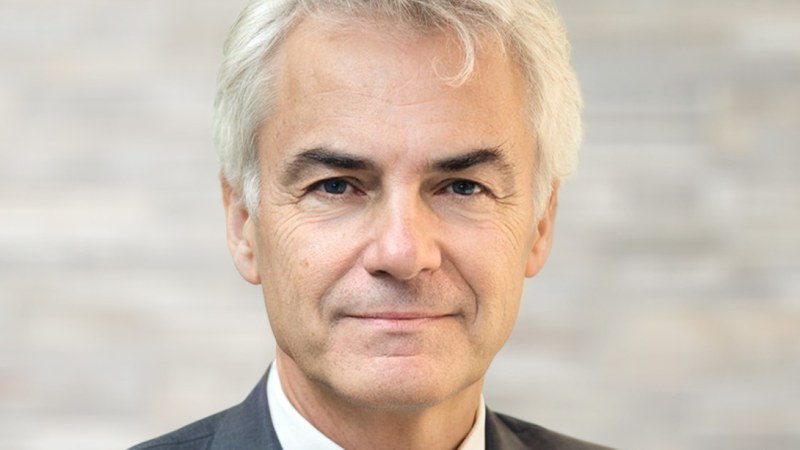
Alex Balkanski
Alex Balkanski is the President and CEO of Picarro, a Santa Clara-based company pioneering precision methane and greenhouse gas measurement technology for natural gas utilities worldwide. A Harvard-trained physicist turned serial entrepreneur, he co-founded C-Cube Microsystems in 1988, helped establish the MPEG video compression standard that underpins modern digital television, took C-Cube public in 1994, and orchestrated its acquisition of DiviCom in 1998. After a stint as General Partner at Benchmark Capital, he pivoted to climate tech, joining Picarro in 2013 to apply the same precision-instrument mindset to the urgent challenge of detecting and quantifying fugitive methane emissions across global gas distribution networks.
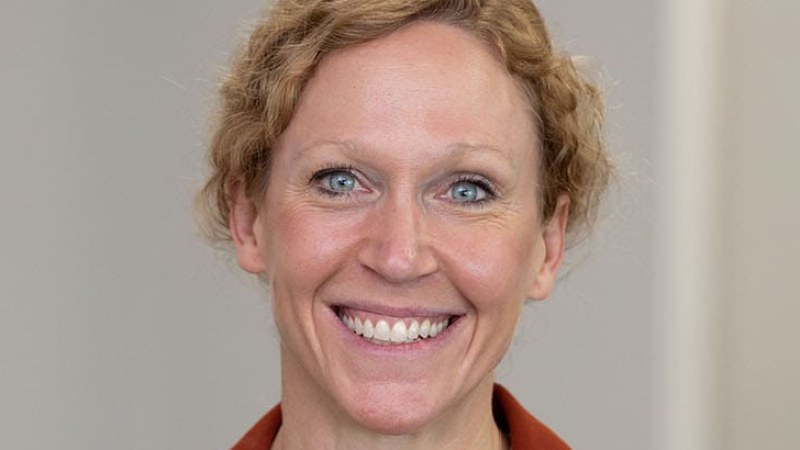
Alyson Watson
Alyson Watson is the CEO and Chair of the Board of Woodard & Curran, a Portland, Maine-based integrated science, engineering, design-build, and operations firm specializing in water and environmental challenges. A Stanford-trained chemical engineer and licensed PE, she became the firm's third CEO in 2021 — and its first woman to hold that title — after more than 20 years leading water resources projects and building environmental consulting teams across the western United States. A self-described 'water brat' with roots in the industry, Watson is a passionate advocate for clean water access, outcome-based contracting, and employee ownership, guiding a firm of 1,300 people across 27 offices nationwide.
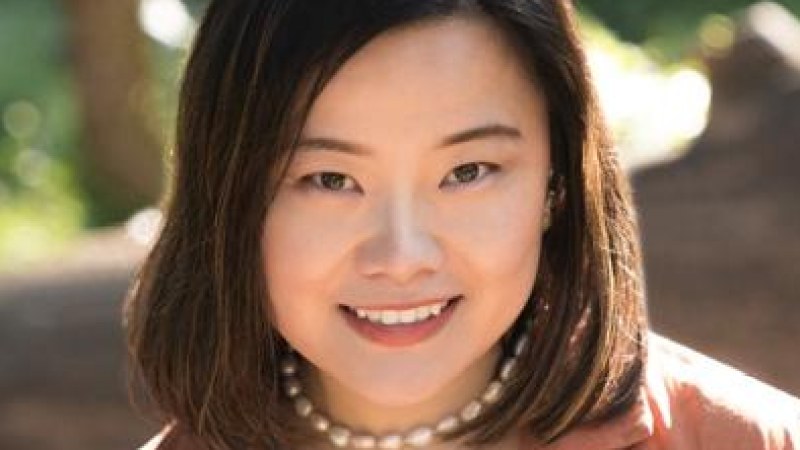
Lily Shen
Lily Shen is the Founder and CEO of Dimension, a San Francisco-based technology platform transforming waste management with data-driven, full-service solutions. A Princeton and Harvard Kennedy School graduate, she previously held roles at Niantic (Pokemon Go), Opendoor, Deloitte, and the Federal Reserve. Dimension, formerly Trash Warrior, has raised $19.5M in funding and operates in ~300 US cities with a mission to raise the national recycling rate from 35% to 75%.
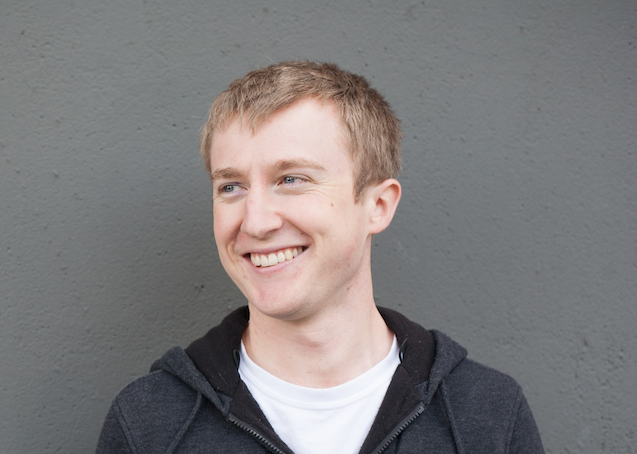
Peter Reinhardt
Peter Reinhardt is CEO and co-founder of Charm Industrial, a San Francisco-based climate tech company that converts agricultural and forest biomass residues into bio-oil and permanently sequesters it underground - effectively putting carbon back where it came from. Before pivoting to saving the planet, he co-founded Segment, the customer data infrastructure platform, and scaled it from a MIT dorm-room idea to a $3.2 billion acquisition by Twilio in 2020. Now he runs Charm with a mission to return atmospheric CO2 to pre-industrial levels of 280 ppm, counting Stripe, Microsoft, JPMorgan Chase, and Meta among customers.