ecommerce-fulfillment
(20)
The Christmas Presents That Became a $3 Billion Bet
Sean Henry started selling online before he was old enough to drive. Two decades later, his obsession with what happens after the click has turned Stord into a $3 billion experiment in making independent commerce move like the giants.
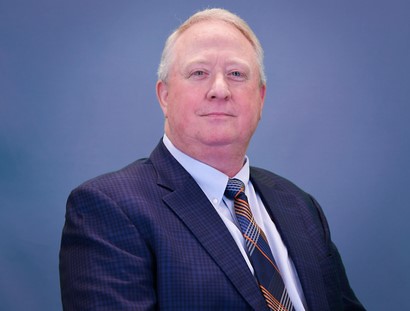
Carl Wasinger Put a Warehouse in Your Browser - Then Kept Building
A western Kansas farm kid saw companies tracking inventory by fax and phone, imagined something closer to online banking, and built Smart Warehousing around one durable idea: the boxes and the data have to move together.
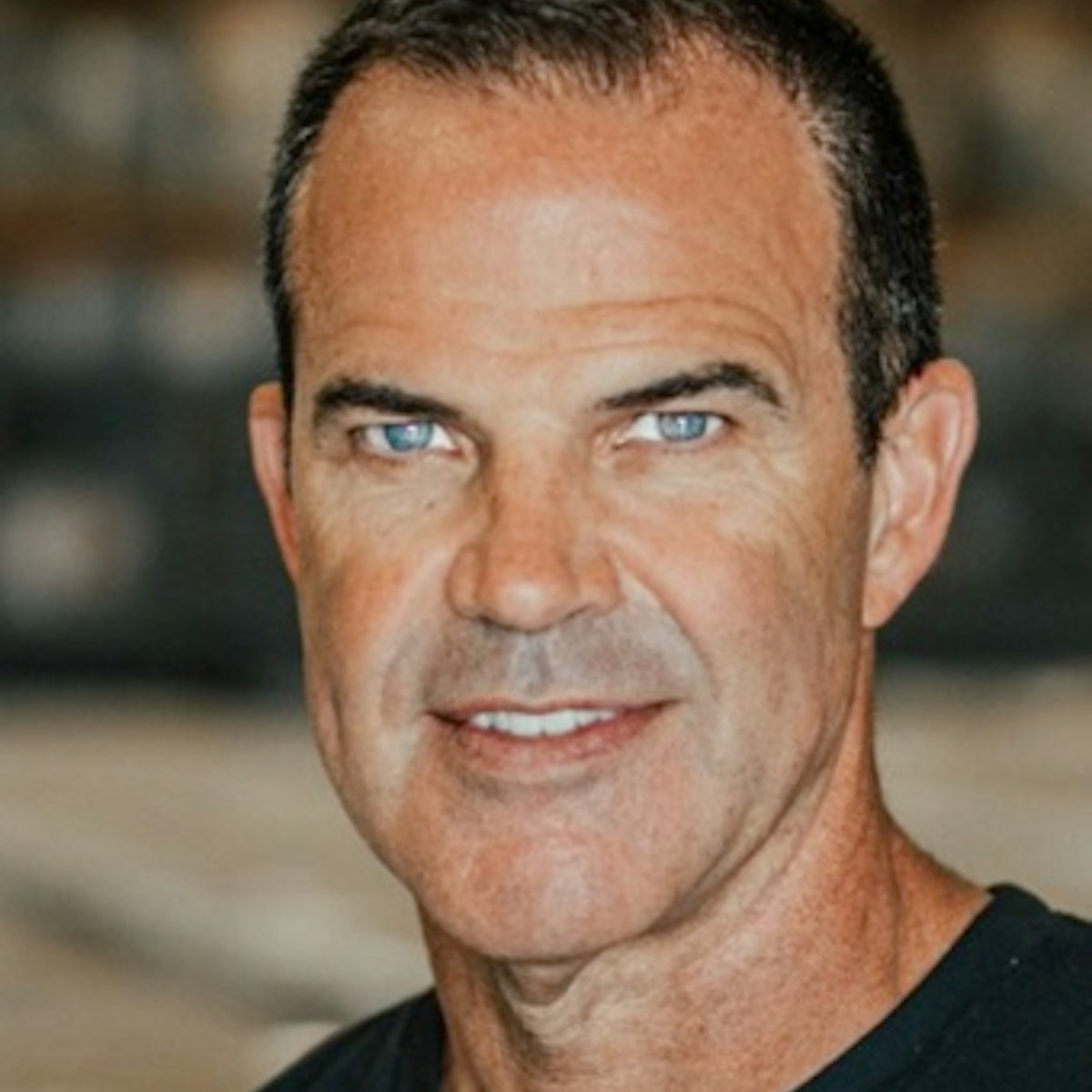
Eric Williams Built a Career Forward - Then Found His Company by Looking Back
The eJOOV co-founder spent two decades learning how goods move. His sharper insight was that the awkward trip home - the return - could become a second sale, a better process and the start of a broader logistics company.
eJOOV Started With the Box Nobody Wanted Back - Then Turned Returns Into a Four-Lane Logistics Business
The Louisville 3PL began with ecommerce's least glamorous problem: the return box with missing tags, parts, or packaging. Six years later, eJOOV is applying the same hands-on, software-backed discipline to bourbon, automotive parts, and cold-chain shipments.
Logiwa Bet the Warehouse on Software That Gets Paid When the Boxes Move
The Chicago software company wants 3PLs and high-volume brands to stop treating warehouse complexity as a consulting annuity. Its pitch: faster launches, smarter pick paths, open integrations, and a bill tied to throughput instead of headcount.
He Wanted Inventory to Work Like Online Banking. Now It Runs 12 Million Square Feet.
Carl Wasinger started Smart Warehousing with one computer under his desk in 2001. Two decades on, its proprietary software SWIMS quietly moves other companies' products through 30-plus warehouses - and nearly 5,000 customers depend on it.
The Company Behind the Cart: How Promologistics Runs Mexico's Invisible Commerce Layer
Promologistics does not simply move boxes. The Mexico City company coordinates the warehouses, software, freight partners and last-mile handoffs that turn an order into a delivery - and gives brands one accountable operator when the chain gets complicated.

The Poker-Chip Seller That Built Retail’s Invisible Endless Aisle
Trademark Global started with collector plates, swords and a mountain of poker chips. Twenty-seven years later, its real product is the machinery behind the product - brands, data, warehouses and direct-to-door fulfillment for retail’s endless aisle.
The 9 Million-Square-Foot Machine Behind the Stuff That Just Shows Up
Custom Goods Logistics has spent more than six decades turning the least glamorous moments in commerce - customs exams, crowded docks, awkward inventory and urgent freight - into one connected service. Its advantage is not a clever app. It is owning more of the handoffs where supply chains usually come apart.
The Robots Taking the Warehouse's Hardest Shift
Berkshire Grey spent a decade teaching machines to pick the unpickable. Now its robots are moving from the tote to the sorter to the trailer door - chasing every stubborn bottleneck in the warehouse.

The Dubai Freight Company That Turned Customs Paperwork Into a Growth Engine
Al Sharqi Shipping began with customs forms and three people in Bur Dubai. More than three decades later, its pitch is still practical: make every handoff between factory, border, warehouse and buyer feel like one continuous journey.
The Truck-Rental Name That Quietly Became a Port-to-Door Machine
Ryder still owns the red logo everyone recognizes. The more consequential business now runs behind it - warehouses, drivers, maintenance bays, software and roughly $10 billion in freight under management.

The Chilean Freight Company That Hands Its Drivers the Keys to the Truck
RockTruck moved 1.7 million last-mile deliveries with a fleet it mostly does not own - then sold 70% of the company to a gas giant. Here is how the collaborative model actually works.
The 3PL That Pays When the Box Goes Wrong
Red Stag Fulfillment built a warehouse business around the boxes other operators would rather avoid. Its sharpest sales tool is not a robot or a routing map, but a set of guarantees that makes warehouse mistakes cost the warehouse.
Delmar International Inc.
Delmar began with customs forms in Montreal. Sixty years later, the family-run forwarder sells something harder to ship: a clear view across the whole supply chain.
Goodwill Industries of South Florida
Goodwill Industries of South Florida is a Miami-based nonprofit social enterprise that funds training, employment and job placement for people with disabilities and other barriers to work. Founded in 1959, it runs a self-sustaining business model spanning donated-goods retail and thrift stores, technically complex apparel and flag manufacturing for the U.S. military, commercial laundry, janitorial services and third-party logistics. With roughly 3,600 employees and about $196M in annual revenue, it is one of the largest Goodwills in North America and the largest employer of people with disabilities in Florida.

Salasa | سلاسة
Salasa is a Riyadh-based end-to-end e-commerce fulfillment and logistics platform. Founded in 2017, it gives online merchants a single stack for warehousing, order fulfillment, domestic and cross-border shipping, bonded zones, returns, and dark-store-powered two-hour delivery, connected through an OMS and API integrations with platforms like Salla, Zid, Shopify and Amazon and more than 40 carriers. The company has fulfilled tens of millions of orders for over 1,000 merchants and raised roughly $40 million to build a tech-first logistics network across Saudi Arabia and the GCC.

Outerspace
Outerspace is a brand-first third-party logistics (3PL) and fulfillment company that handles warehousing, picking, packing, kitting, shipping and returns for high-growth omnichannel consumer brands. Founded in late 2019 and headquartered in Carlstadt, New Jersey, it pairs dedicated on-site operations teams with its proprietary Mission Control order-management and shipping technology to turn fulfillment from a cost center into a growth lever. The company serves DTC and retail brands across apparel, home goods, beauty and CPG, and has raised more than $34 million, including a $30M Series B led by Prysm Capital in 2022.

Paccurate
Paccurate is a New York-based logistics software company that builds cartonization and packing-optimization technology. Its API and packing control system tell shippers the cheapest, most spatially efficient way to pack every order - factoring in carrier rates, labor, and materials rather than just empty space. Founded by James Malley and Pat Powers, Paccurate serves retailers, 3PLs, and brands such as Daily Harvest, Our Place, and Barrett Distribution, and has raised roughly $16M in venture funding, including an $8.1M Series A led by High Alpha in 2024.

GreyOrange
GreyOrange is a warehouse-automation company that builds AI software and mobile robots to run fulfillment operations for retailers, distributors and 3PLs. Its GreyMatter fulfillment operating system continuously optimizes decisions across a distribution center, orchestrating fleets of Ranger mobile robots, people and existing equipment to move goods, pick orders and manage inventory. Founded in India in 2011 and now headquartered in Atlanta, the company sells its technology outright or as a monthly robotics-as-a-service subscription, and has raised more than half a billion dollars from investors including Mithril Capital, Tiger Global and Blackstone-adjacent funds.