dtc
(64)
SparkX finds the customers hiding in plain sight
When a brand runs out of obvious buyers, the next move is better detective work. SparkX combines advertising AI with local market expertise to help brands find their next audience.

The power of “skip this month.”
Privé became Recurly Commerce by helping Shopify brands make subscriptions more flexible. Its useful insight: a customer with too much product may need a different schedule, not another discount.

Recharge sells the second order.
The first sale gets the applause. Recharge built a business around the quieter question: what makes a customer come back?

Superfans.io wants your best customers to skip the queue
The company formerly known as Vajro turns Shopify stores into mobile apps for repeat buyers. Its wager: early access, live shopping, and a little recognition can give customers a reason to return.
Sailing Marketing wants your brand promise to survive the unboxing
For Chinese companies going abroad, Sailing Marketing treats branding as a company-wide job. The revealing part of its pitch is what happens between the advertising and the delivery.

Libre Design & Digital makes the brand. Then comes the hard part.
From surfboard identities to gaming checkout pages, Libre connects how a business looks with how it sells. Its most revealing work happens after the logo is approved.
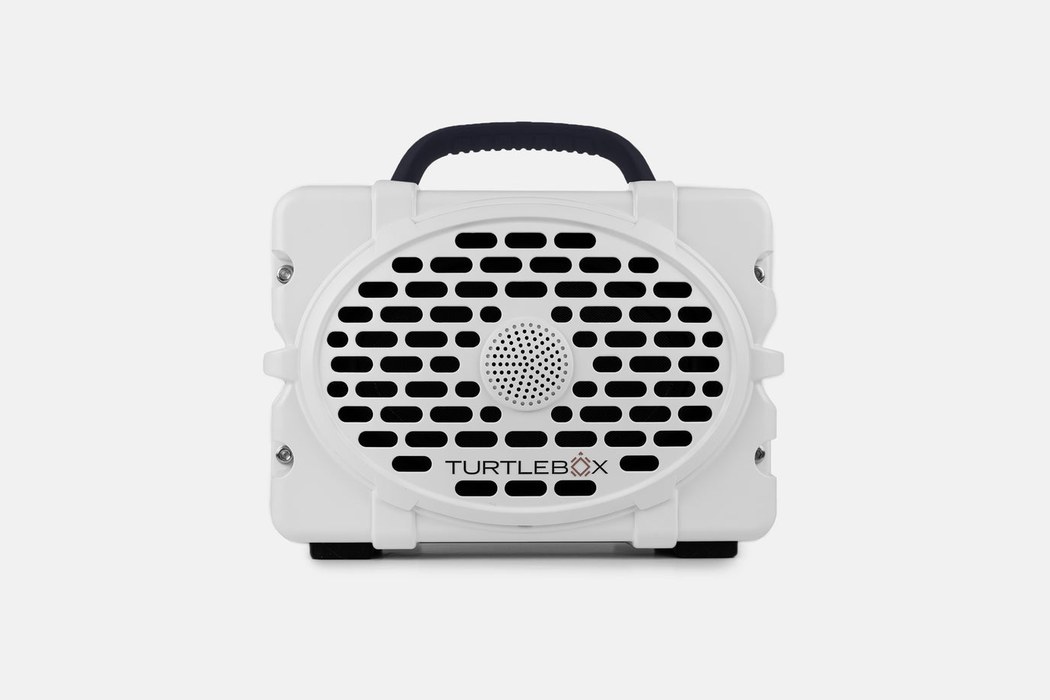
The Speaker Four Friends Built Because Everything Else Broke
Turtlebox Audio spent more than a decade turning a Buffalo Bayou garage project into one of America's fastest-growing private companies - by building a speaker loud and tough enough to outlast the water, the drops, and the duck blind.

The Fertility Nurse Who Turned a Broken Vitamin Aisle Into a Women's Health Company
A fertility-clinic nurse kept getting asked the same question about vitamins she couldn't answer well. So she built the answer - a personalized supplement company with a clinician on the other end of the chat.
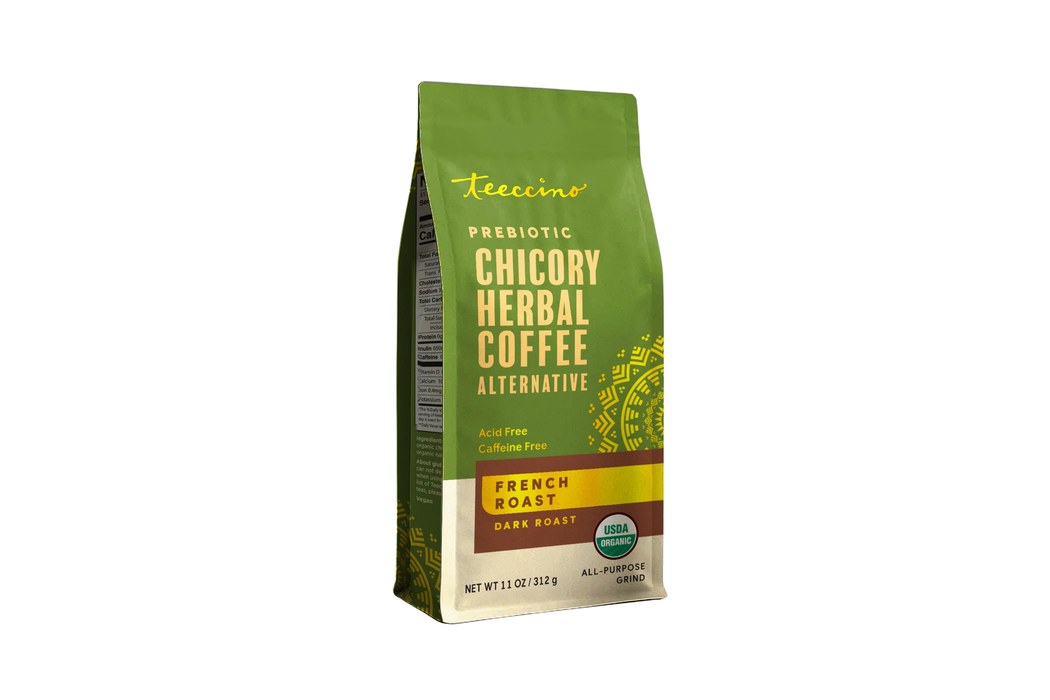
The Woman Who Sold America a Coffee With No Coffee In It
Caroline MacDougall couldn't drink coffee but loved the taste. So she roasted chicory, carob and figs into a caffeine-free brew - and built the best-selling coffee alternative in America.
The Company That Made a Stand Out of Nothing
MOFT folded a laptop stand down to 3mm, raised a million dollars proving people wanted it, and then kept folding - into wallets, desk mats, and iPad studios. Here is how a neck ache became a product category.
The Startup That Wants to Kill the Spreadsheet Running Your Warehouse
Selling online got easy. The part after the sale - knowing what to buy, when, and how much - is still run on 1950s math and Friday-night spreadsheets. Flieber is betting AI can finally do the boring part.
The Boston bank that only speaks fluent brand
A boutique bank that refuses to do anything but consumer deals just got a lot bigger. Here is how a Boston firm turned brand obsession into a specialty M&A practice - and why Origin Merchant Partners bought in.
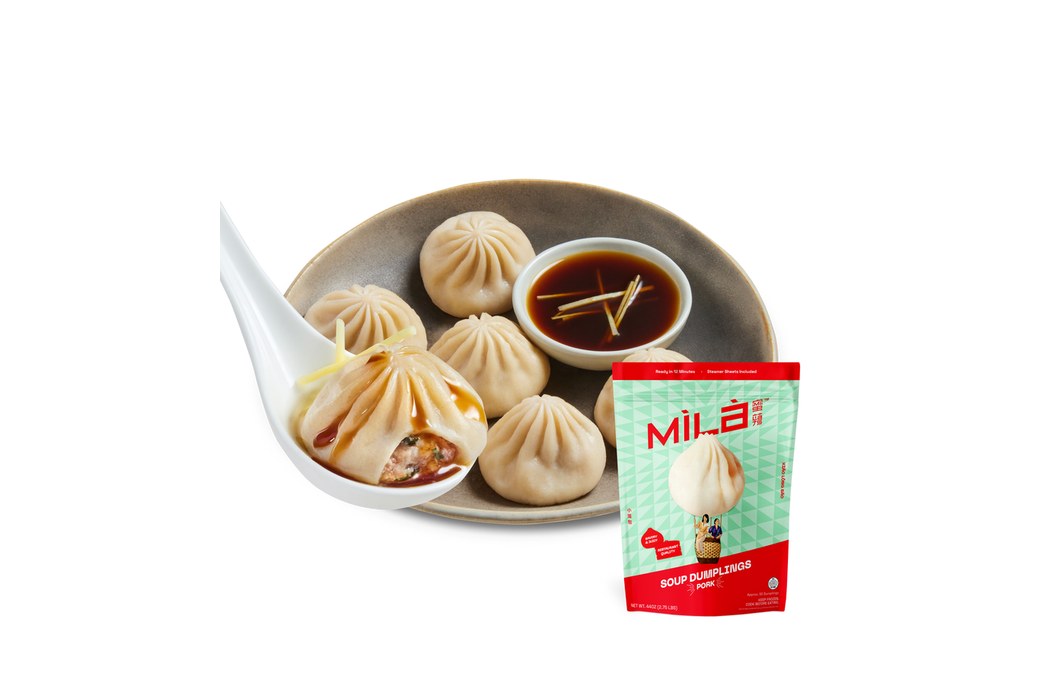
The Soup Dumpling That Escaped the Restaurant
Jen Liao and Caleb Wang couldn't find a good soup dumpling in Bellevue, so they built one you can keep in your freezer - and turned 500 test recipes into a grocery-aisle brand with Simu Liu on the payroll.
The House of Brands That Started With a Kilt
Society Brands buys founder-run e-commerce companies, keeps the founders on the payroll, and is betting that Canton, Ohio can out-scale the aggregators that flamed out.
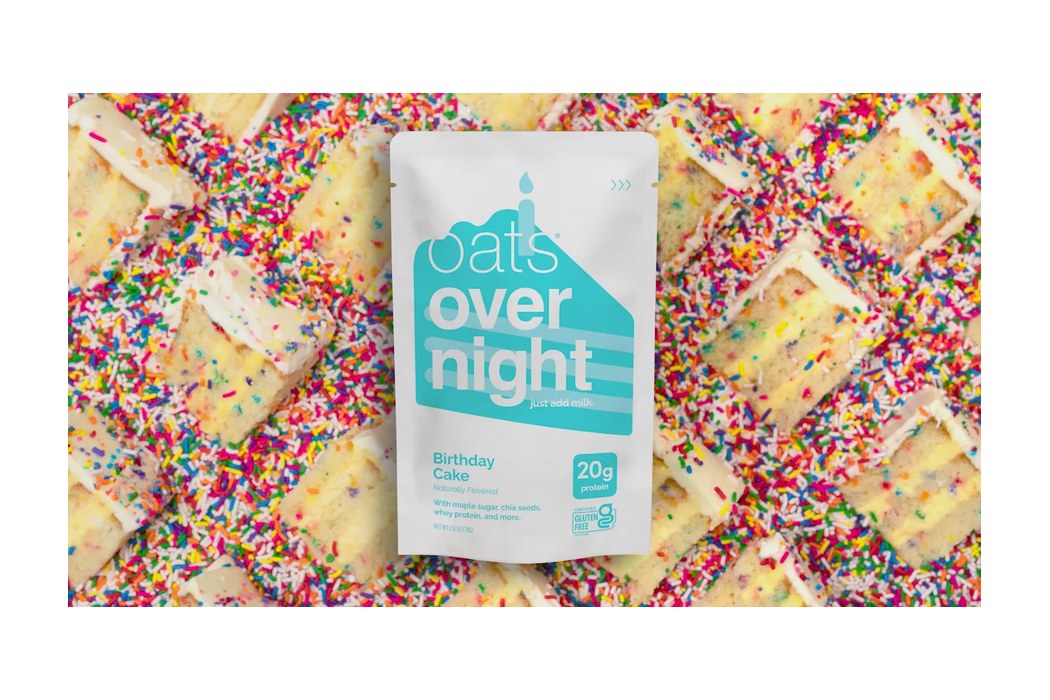
The Card Shark Who Bet It All on Breakfast
Brian Tate spent twelve years grinding high-stakes poker tables. Then he took his winnings, a shaker bottle, and a stubborn idea - that oatmeal could be worth waking up for - and built a business doing more than $200 million a year.
The Firm Buying Back America's Factory Floor - Then Handing It to the Workers
Two brothers watched private equity buy their father's factory and shut it down. Their answer was to build a manufacturing group that ends with the employees owning the whole thing.

The Santa Monica Lab That Builds Companies Like an Assembly Line
Most venture firms wait for founders to knock. Science builds the company first, then writes the check - and the method has turned razors, canned water and robo-advising into billion-dollar exits.

How Two Golf Buddies Sold America Clear Skin at 2 A.M.
Guthy-Renker turned late-night television into a direct-to-consumer machine - Proactiv, Meaningful Beauty, JLo Beauty - by pairing a famous face with a subscription box decades before subscriptions were cool.
Vita Coco
How two guys and a bar-room question about homesickness became a public company that pours roughly half of America's coconut water - and files its social mission in the same drawer as its earnings.

Memebox Corp (YC W14)
Memebox Corp (operating as MBX) is a global multi-brand K-beauty and personal care company founded in Seoul in 2012 by Hyungseok 'Dino' Ha. Now headquartered in Los Angeles, it builds and scales its own portfolio of Korean-made beauty brands - I Dew Care, Kaja, Pony Effect, I'm Meme and nooni - using data-driven product development and partnerships with retailers like Sephora, Ulta and Amazon. It was the first Korean company accepted into Y Combinator (W14) and has raised over $200M in venture funding.
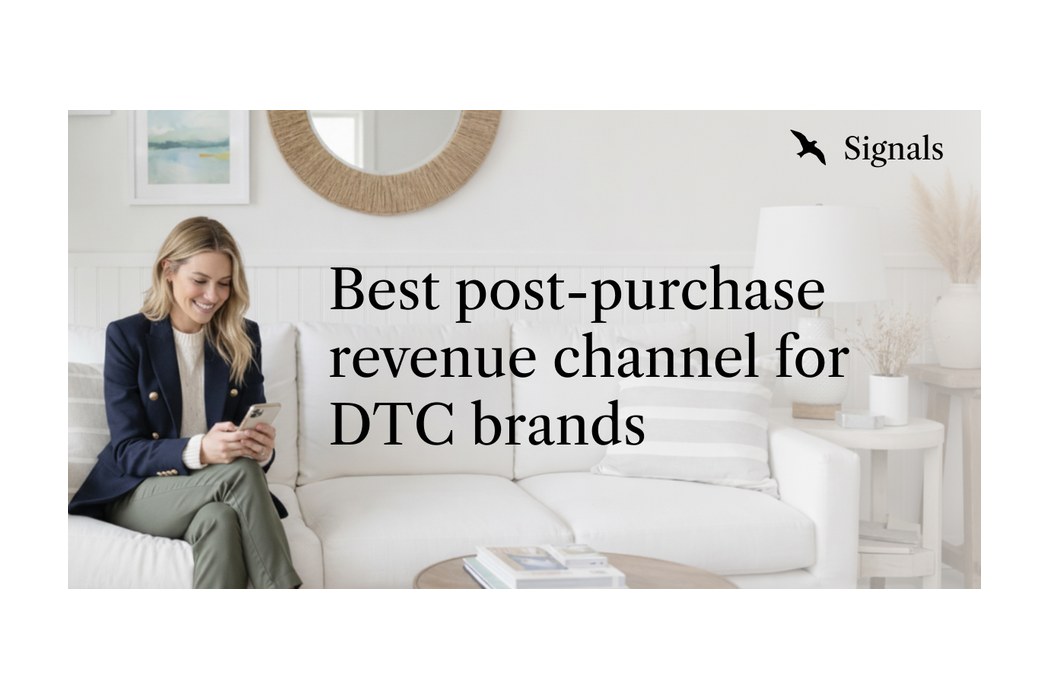
Signals (YC W26)
Signals (legally Material Model, Inc.), also known as Return Signals, is a Y Combinator W26 startup building an AI-powered iMessage revenue channel for direct-to-consumer e-commerce brands. It runs two-way text conversations that check in with buyers after delivery, convert would-be returns into exchanges, and drive repeat purchases. Founded in 2025 by CEO Ilya Valmianski and Alejandro Zaniolo, the two-person San Francisco company reports roughly $30 in incremental repeat revenue per conversation and turns 70% of return intents into exchanges.
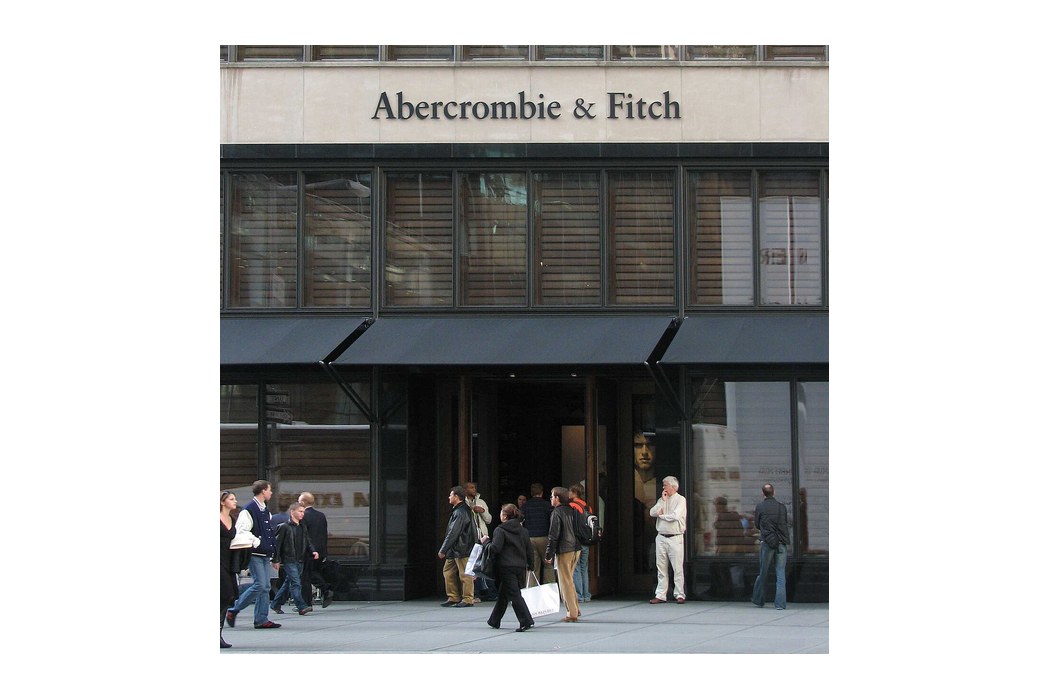
Abercrombie & Fitch Co.
Abercrombie & Fitch Co. (NYSE: ANF) is a Columbus, Ohio-based global specialty apparel retailer that operates a family of brands - Abercrombie & Fitch, abercrombie kids, Hollister, Gilly Hicks, Social Tourist and the YPB activewear line - across roughly 840 company-operated stores, a franchise network and a digital business that accounts for close to half of revenue. Founded in 1892 as a Manhattan outfitter that supplied Theodore Roosevelt's safaris and counted Ernest Hemingway among its customers, the company spent the 2010s dismantling the exclusionary teen-mall identity it had built in the 1990s and 2000s. Under CEO Fran Horowitz, who took over in 2017, it split its two flagship brands into distinct demographic lanes - Abercrombie for millennials in their twenties and thirties, Hollister for teenagers - shrank store footprints, and rebuilt merchandising around a lean-inventory 'chase' model that reads early demand signals and reorders fast. The approach produced record fiscal 2025 net sales of $5.27 billion, a third straight year of double-digit operating margin, and one of the more complete reputational reversals in modern American retail.
Adore Me
Adore Me is a New York-based intimates brand that set out in 2011 to sell well-made bras and lingerie at prices a student could afford, and ended up rewriting how the category is merchandised. Founded by Harvard MBA Morgan Hermand-Waiche, the company paired a wide size range (30-46 bands, A-I cups) with a monthly membership, an at-home try-on box, and an unusually large in-house engineering group in New York and Bucharest that built roughly 15 internal tools for planning, sourcing, and personalization. It reached an estimated $250 million in sales and more than 1.2 million active customers before Victoria's Secret & Co. acquired it in a deal announced November 2022 at $400 million cash upfront plus earnouts, closing January 2023. Adore Me became the only US lingerie brand certified as a B Corporation in 2022. Under its parent it has since narrowed: the founder departed in August 2025, the VIP subscription that defined the model ended in February 2026, and Victoria's Secret recorded a $120 million impairment on the business that same quarter.
Cupshe
Cupshe is a California-inspired, direct-to-consumer beachwear brand for women that sells trendy, affordable swimwear, bikinis, cover-ups, activewear and loungewear. Founded in 2015 by former Alibaba CEO David Wei, the internet-first label pairs a Shopify-powered DTC website and app with a strong Amazon presence, reaching millions of customers across more than 100 countries. Known for vibrant prints, size-inclusive fits and $15-$30 price points, Cupshe grew into a roughly $150M-plus swimwear business and has expanded into recycled, GRS-certified sustainable collections.

Honeylove
Honeylove is a Los Angeles-based direct-to-consumer apparel company that designs shapewear, wireless bras, and everyday intimates engineered with targeted compression and supportive panels. Founded in 2018 by former EDM vocalist Betsie Larkin after she couldn't find shapewear that stayed in place on stage, the brand built its reputation on no-roll construction and comfort-first engineering. It has grown from a $300K Kickstarter and a Y Combinator batch into a nine-figure-revenue business serving more than 3 million customers, backed by a $13M Series A led by Lightspeed Venture Partners.
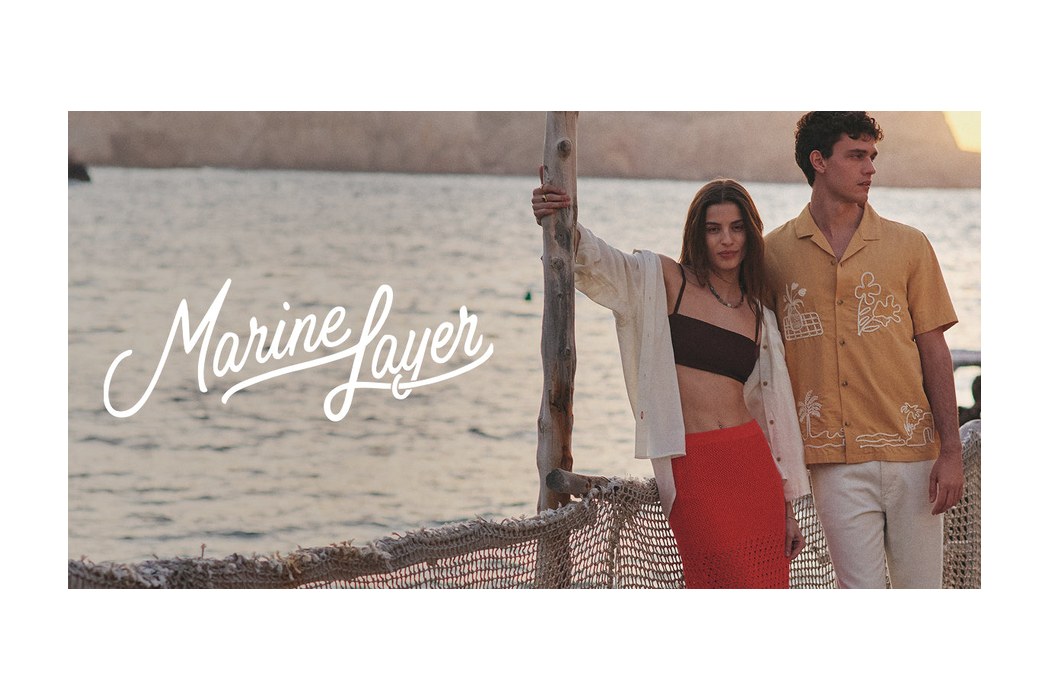
Marine Layer
Marine Layer is a San Francisco-based casual apparel brand built around one obsession: absurdly soft clothes. Founded in 2009 by Mike Natenshon and Adam Lynch, the company built its identity on proprietary fabrics - blends of Supima cotton, MicroModal spun from beechwood pulp, and recycled fibers - sold through a direct-to-consumer model spanning e-commerce and 55+ retail stores. A Certified B Corporation, Marine Layer runs a textile take-back program called Re-Spun that has collected over a million used T-shirts and turns them into new garments. The brand sits in the premium-casual, California-lifestyle segment, competing on comfort, sustainability credentials, and a laid-back aesthetic.

ONDO
ONDO is a New York-based direct-to-consumer apparel brand that reinvented the no-show sock. Founded by former JP Morgan banker Daniel Shim in 2020, ONDO uses a patented, cut-and-sewn silicone grip strip - rather than the usual rubber dots - to keep low-cut socks from slipping off. Built on Woolmark-certified Australian merino wool and certified organic cotton, the brand backs every pair with a No Slip Guarantee and has grown to more than 20,000 five-star reviews while expanding into headbands, compression crew socks, and other everyday essentials.
Outcast
Outcast is a Gold Coast-born, direct-to-consumer women's fashion label founded in 2014 by Lawrence Lees and Paris Marchant. It started selling bikinis on Instagram and grew into a global online boutique known for edgy party, festival and going-out clothing. After spotting sales spikes around US festivals like Coachella, the brand built a Los Angeles headquarters and now generates roughly 80% of its sales from the US, with more than a million social followers and an influencer-driven marketing model.
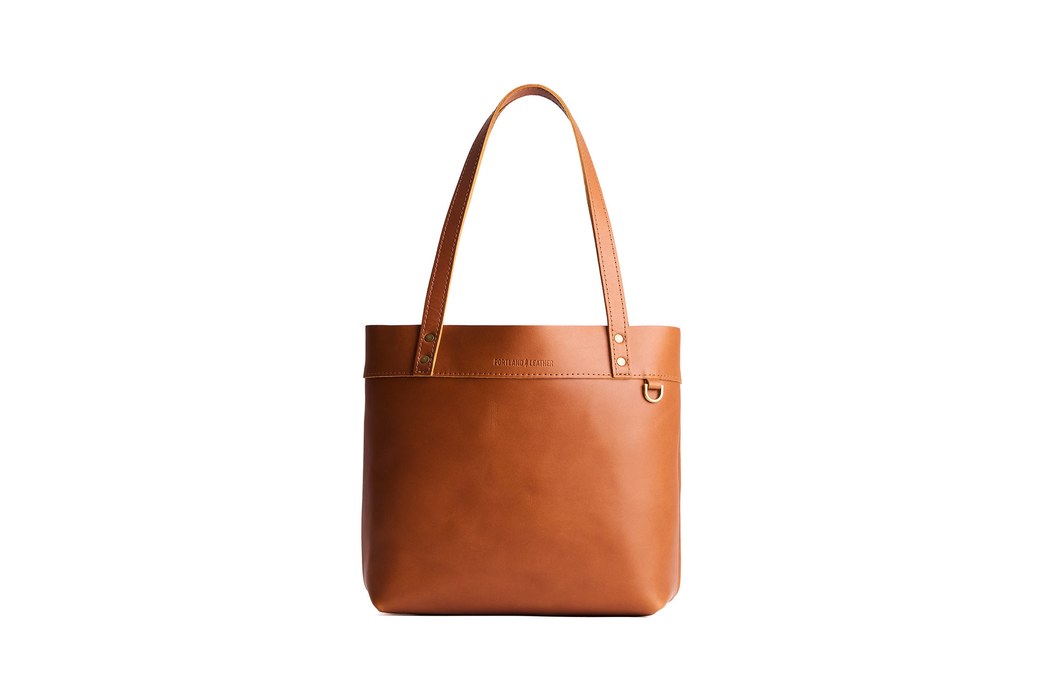
Portland Leather Goods
Portland Leather Goods is a bootstrapped, direct-to-consumer leather brand founded in 2015 by Curtis Matsko in a single-car garage in Portland, Oregon. What began as a handmade journal for his girlfriend grew into one of Etsy's top all-time sellers and a $100M+ business selling handcrafted full-grain leather totes, crossbodies, wallets and accessories. Known for its signature tumbled 'pebble' leather, aggressive social-media community building, and a fiercely loyal customer base, PLG blends artisan craftsmanship with modern DTC marketing to offer high-end leather at accessible prices.
Roller Rabbit
Roller Rabbit is a New York-based lifestyle brand built around vibrant, hand-blocked prints. Founded in 2003 by Roberta Freymann after she found a textile scrap depicting a roller-skating rabbit, the label makes India-inspired sleepwear, ready-to-wear, kids' apparel, accessories and home goods. Its signature monkey-print pajamas turned into a TikTok-era cult item, and under owner RRR Brands the company has rebuilt itself as a direct-to-consumer business known for fast, limited-edition drops and sold-out collaborations.