document-management
(22)
SumnerOne: The printer is the easy part
A business born in the mimeograph era has learned to sell what happens around the machine. SumnerOne’s story runs through college print shops, industrial presses and the surprisingly expensive business of keeping work moving.
On-Site.com and the $250 Million Paperwork Problem
A rental application looks like a form. On-Site saw a chain of handoffs - and built a business by keeping the renter’s information moving all the way to a signed lease.

Neostella and the Case of the Missing Handoff
A law firm can buy excellent software and still lose the thread. Neostella is betting that the valuable part of legal technology is what happens between the tools.

PlanGrid and the $875 Million Problem of Yesterday’s Blueprint
A construction engineer saw what happens when the right crew gets the wrong drawing. PlanGrid put the plans on a tablet - and gave Autodesk a route from the design office to the jobsite.
The Filing Was Never the Problem. The Handoff Was.
PacerPro started by making PACER easier to search. Then it found the larger prize hiding in the most boring part of litigation: the three-to-five-minute relay that begins every time a document lands.
Reliable Graphics and the business hiding inside a blueprint
Before a building becomes concrete, it becomes paperwork. Reliable Graphics built a Southern California business around getting that paperwork printed, organized, and into the right hands.

KeyMark knows where the paperwork is buried
Before an AI system can answer a question, somebody has to make sense of the files. KeyMark has spent three decades doing that work - and its most revealing projects start with a very human mess.

flydocs and the expensive art of finding the right piece of paper
An aircraft lease return is a test of its paperwork as well as its condition. flydocs turns maintenance records into searchable evidence, then puts that evidence to work on the next handover.

CMap and the high cost of spreadsheet hell
A growing professional services firm can win the work and still lose the margin. CMap connects the quote, the people and the invoice - and is betting its next chapter on AI that knows the business.
Filevine Turned a Lawyer’s Software Headache Into a $400 Million Bet on Legal AI
The Utah company began as an escape from legal software that forced firms to work someone else’s way. A decade later, its configurable case system has become the foundation for a broader - and much more expensive - legal intelligence campaign.
The Legal Cloud Bet That Took 27 Years to Look Obvious
NetDocuments put lawyers' files in a browser before SaaS had a name. Now it is trying to turn those files into the context layer that makes legal AI useful - without letting confidential knowledge slip past the ethical walls.
M-Files Declared War on Folders. Then It Moved Into Microsoft’s House.
The Finnish software company spent two decades arguing that folders are the wrong way to run knowledge work. Its new Microsoft 365 alliance turns that contrarian idea into a practical bet on governed, AI-ready documents - if customers can handle the setup.
Laserfiche Turned the File Cabinet Into a Workflow - Now It Wants AI to Do the Filing
The Long Beach software veteran spent decades teaching institutions to stop passing paper. Its next trick is making contracts, invoices and case files answer questions - without letting governance become an afterthought.

Vasion Turned the Office Printer Into a Trojan Horse for Enterprise Automation
The Utah software company spent two decades removing print servers. Now it is betting that the humble print command can become the front door to AI-ready workflows - without asking employees to change how they work.
The Business-Forms Company That Became an Operating System for the Back Office
GBS started with business forms at a kitchen table. Fifty-five years later, its employee-owners sell the connective tissue between labels, servers, medical claims, marketing campaigns and the documents companies cannot afford to lose.
Newgen Software
For three decades, Newgen has quietly run the paperwork that banks, insurers, and governments would rather not think about. Now it wants to orchestrate the whole enterprise.
Artifex Software
Artifex Software is a San Francisco-based developer of document processing and rendering technology best known for Ghostscript, the long-running PostScript and PDF interpreter, and the MuPDF and PyMuPDF families of PDF tools. Operating on a dual-license (open source plus commercial) model for more than three decades, Artifex supplies SDKs, APIs and SaaS that let developers render, convert, extract and manipulate PDF and PostScript documents. Its technology reaches an estimated one billion-plus deployments and is licensed by OEMs and technology companies worldwide; in recent years the company has extended its extraction tools toward AI and RAG/LLM pipelines with products like PyMuPDF4LLM.

Way2B1
Way2B1 is a San Francisco-based SaaS company that builds a secure, cloud-based collaboration platform for family offices, wealth managers, and the ultra-high-net-worth families they serve. Positioned as a 'digital chief of staff,' the platform centralizes secure messaging, document management, asset tracking, approvals, signatures, and decision history into one command center, with an integrated AI assistant to automate routine tasks. Founded in 2015 by family-office veteran Wayne Osborne and former Palantir engineer Casey Ketterling, the company raised a $5.5M Series A in 2017 and helps offices coordinate complex lives with greater clarity, security, and auditability.
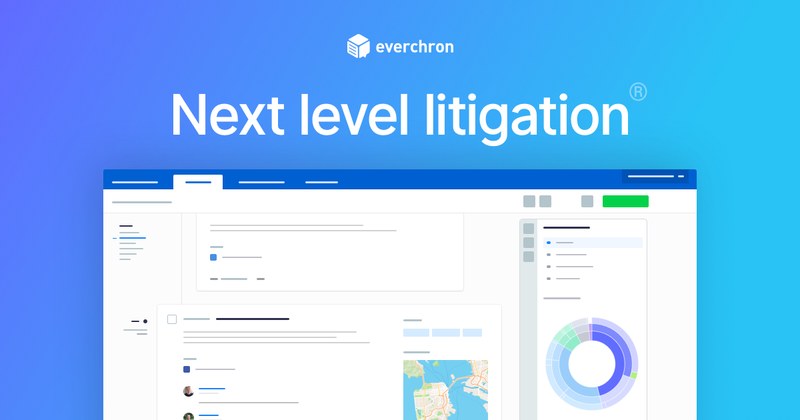
Everchron
Everchron is a Los Angeles-based, cloud litigation and transcript management platform built by lawyers for lawyers. It lets legal teams collaboratively build case chronologies, organize case documents in a master file, auto-generate witness profiles, and manage deposition transcripts and designations - now augmented with generative-AI features (EC:AI) for document interrogation and case insights. Customers range from AmLaw 100 firms and litigation boutiques to corporate legal departments and pro bono organizations.

Reportwell
Reportwell is a Detroit-based, AI-powered compliance and reporting platform built for the K-12 education world - charter school authorizers, districts, agencies, and the schools they oversee. Founded in 2023 by a team of former education agency and school leaders, it scans for new laws, board decisions, and regulatory shifts, keeps policy documents current automatically, and answers plain-language legal questions through an AI chat. The goal is simple: turn the dreaded audit scramble into a routine, so educators can spend less time on paperwork and more time on students.
Northspyre
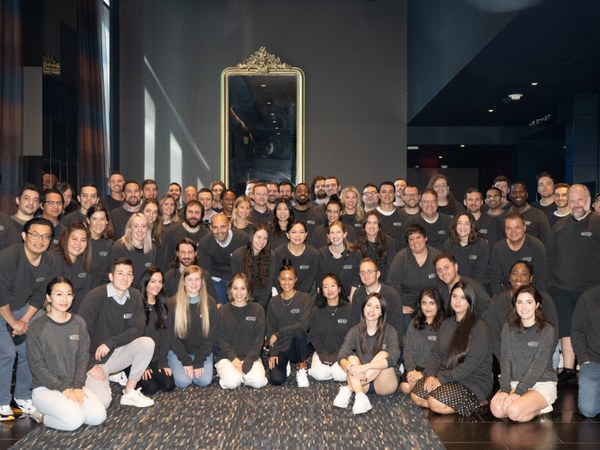
Northspyre is a cloud-based intelligence platform that helps real estate developers, owners and project teams run capital projects with automation, data analytics and AI. Built to replace the spreadsheets and scattered documents that dominate development workflows, it centralizes budgets, vendor data, draws and forecasts so teams can make proactive, data-driven decisions from acquisition through stabilization. The company pioneered what it calls the Real Estate Development Management category.
Hyland
Hyland is a Westlake, Ohio software company that helps large organizations capture, manage, and act on their unstructured content - the contracts, claims, patient charts, and forms that pile up in every enterprise. Built around its flagship OnBase platform and bolstered by acquisitions like Alfresco and Nuxeo, Hyland has spent three decades turning document chaos into automated workflows. Today it is repositioning around the Content Innovation Cloud, layering AI agents and intelligent document processing on top of the content services its 4,000-ish employees have sold to healthcare systems, banks, insurers, and governments worldwide.