digital-therapeutics
(29)
Welldoc Spent 20 Years Turning a Diabetes App Into the Plumbing for AI-Powered Care
The Maryland company learned that FDA clearance was only the opening move. Its more durable play is connecting devices, care teams and everyday decisions - then selling that regulated intelligence through the institutions already paying for chronic care.

Naluri
Naluri is a Southeast Asian digital health company that helps employers and insurers predict, prevent and manage chronic and mental health conditions. Founded in Kuala Lumpur in 2017, it combines behavioural science, data science and licensed health coaches - psychologists, dietitians, fitness and financial coaches - inside a single app to deliver structured, clinically-informed care for conditions such as diabetes, heart disease, obesity, chronic stress, anxiety and depression. Its programmes span Employee Assistance (EAP), chronic disease management and crisis support, serving over 200 employer clients and more than one million members across the region.
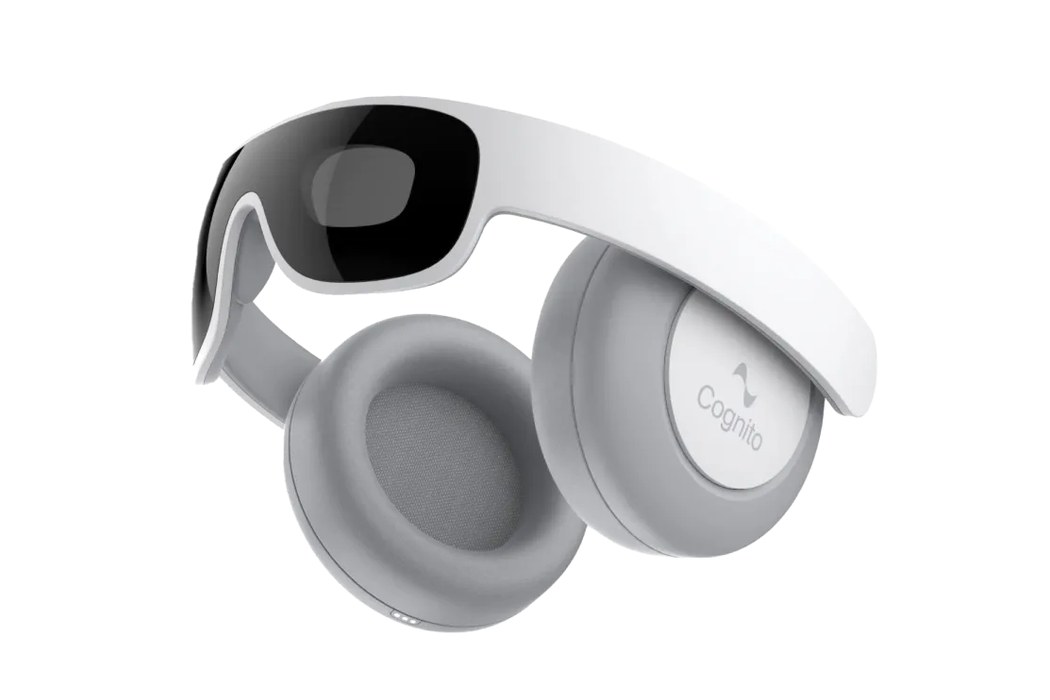
Cognito Therapeutics, Inc.
Cognito Therapeutics is a Cambridge, Massachusetts clinical-stage neurotechnology company spun out of MIT that develops non-invasive, wearable therapy for neurodegenerative disease. Its lead product, Spectris, delivers precise gamma-frequency light and sound stimulation through connected glasses and headphones to evoke gamma brain oscillations, with the goal of slowing cognitive and functional decline in Alzheimer's disease. Spectris AD holds FDA Breakthrough Device Designation and is being evaluated in the HOPE Study, described as the largest medical device trial focused solely on Alzheimer's disease.

Huma
Huma is a London-based digital health technology company that builds a regulated, modular software platform used by hospitals, pharmaceutical companies and governments to run remote patient monitoring, 'hospital at home', companion apps and decentralized clinical trials. Founded in 2011 as Medopad and rebranded to Huma in 2020, it combines predictive algorithms, digital biomarkers and real-world data with a no-code Huma Cloud Platform so partners can launch regulated, disease- and device-agnostic health apps. Its Software as a Medical Device holds EU MDR Class IIb, US FDA Class II and UK MHRA registrations, and its technology has reached thousands of hospitals and tens of millions of patients worldwide.

Neuroglee Health
Neuroglee Health is a Boston-based digital health company building value-based, at-home dementia and cognitive care. It pairs a virtual interdisciplinary clinical team - advanced practice nurses, social workers, pharmacists and care navigators supervised by neurologists and geriatric psychiatrists - with evidence-based digital therapeutics to support patients with mild cognitive impairment through late-stage dementia and their care partners. Founded in 2020 by Aniket Singh Rajput, the company works with Mayo Clinic on its Neuroglee Connect platform and participates in the CMS GUIDE Model to deliver comprehensive, longitudinal dementia care to Medicare beneficiaries at no cost to families.

Pelago
Pelago is a virtual clinic for substance use management, delivering physician-led, evidence-based care for tobacco, alcohol, opioid and other substance use. Founded in 2017 as Quit Genius by three Imperial College London physicians, the company combines cognitive behavioral therapy, medication-assisted treatment and at-home monitoring tools into a program sold to employers, health plans and pharmacy benefit managers. Pelago says it has supported more than 750,000 members and validates its approach with 13 peer-reviewed studies.

WONZ Technology
WONZ Technology is a digital health company built around one goal: helping the world's roughly 1.5 billion smokers cut their exposure to the harmful byproducts of combustion. Founded by Xin (Steven) Du in 2020, WONZ pairs hardware - heat-not-burn smart devices sold under the CIGPAL brand - with digital intervention software, an exhaled-CO tester, and AI-guided coaching. Its proprietary WHC (WONZ Heat Currents) thermal distillation technology is designed to reduce inhalation of more than 90% of the main harmful substances in cigarette smoke while easing cravings and withdrawal. The company holds over 100 patents and has raised more than US$13 million from investors including XVC.
Shayan Khorassani
Shayan Khorassani is the Field CEO at Huma, the London-based AI health infrastructure company powering regulated digital health applications for pharma, providers, and governments across 70+ countries. A licensed architect turned health technology operator, he moved from designing physical structures at Tom Wiscombe Architecture and SCI-Arc to translating Huma's platform into deployments for global health systems.

Yusuf Sherwani
Yusuf Sherwani is a London-born, New York-based medical doctor turned founder who runs Pelago (formerly Quit Genius), the digital clinic he co-founded in 2017 with two medical school classmates, Maroof Ahmed and Sarim Siddiqui. A Y Combinator alumnus and Forbes 30 Under 30 honoree, he has raised more than $150 million from investors including Atomico, Kinnevik and Octopus Ventures to scale technology-driven, evidence-based care. Trained at Imperial College London with an MD and a BSc in management, he co-authored roughly a dozen peer-reviewed studies before pivoting fully into building. He is also an active angel investor backing early-stage founders and writes about healthcare, technology and finance on his personal blog.
Arcade Therapeutics
Arcade Therapeutics is a New York-based digital therapeutics company that builds clinically validated mobile games to treat mental illness. Founded by healthcare entrepreneur Raj Amin and neuroscientist Tracy Dennis-Tiwary, the company embeds a research-backed technique called attention bias modification into engaging games, starting with StarStarter for anxiety. Its lead prescription product, ABM-01, is pursuing FDA submission as one of the first game-based treatments for social anxiety disorder, with a pipeline extending to depression, addiction, and other conditions.
Constant Therapy
Constant Therapy is a Boston-area digital health company that turns speech, language, and cognitive rehabilitation into an AI-personalized app. Spun out of Boston University's Aphasia Research Laboratory in 2012, its platform delivers more than 100,000 evidence-based exercises across 80-plus task categories to people recovering from stroke, traumatic brain injury, aphasia, dementia, and other neurological conditions - and to the clinicians who treat them. A patented NeuroPerformance Engine adapts each session to the individual, extending therapy beyond the clinic and into daily home practice.

Hopelab
Hopelab is a San Francisco social innovation lab and impact investor founded in 2001 by Pam Omidyar. It works at the intersection of technology and adolescent mental health, combining behavioral science, youth co-design, and research to advance the well-being of young people ages 10-25, with a focus on BIPOC and LGBTQ+ youth. Best known for the cancer video game Re-Mission, Hopelab now runs research programs, youth fellowships, and Hopelab Ventures, which has invested more than $12 million across roughly 20 youth mental health startups.

Roga
Roga is a neurotech company building a non-invasive vagus nerve stimulation wearable paired with an AI-guided meditation app to reduce stress and burnout. Founded by two people who each managed clinical anxiety, the discreet behind-the-ear device sends gentle electrical pulses to calm the nervous system, while the companion app personalizes meditation and tracks progress. Based in Los Angeles and Toronto, Roga sells direct to consumers and to employers running workplace wellness programs.

Adhera Health
Adhera Health builds an empathic AI 'precision digital companion' for families managing pediatric chronic conditions - growth hormone therapy, type 1 diabetes, childhood obesity, autoimmune and oncology cases. The platform pairs behavioral science with personalization technology to support caregivers, improve treatment adherence, and surface what happens between clinical visits.

Swing Therapeutics, Inc.
Swing Therapeutics is a San Francisco digital therapeutics company building software-based treatments for chronic illness. Its flagship product, Stanza, is the first FDA-cleared prescription digital therapy for fibromyalgia, delivering acceptance and commitment therapy (ACT) through a smartphone in roughly 15 minutes a day. The company also operates Swing Care, a telehealth clinic that prescribes and supports the therapy across multiple states.

Bozidar Jovicevic
Bozidar Jovicevic is the CEO and co-founder of Evermed, a New York startup that lets medical societies and healthcare organizations launch a Netflix-style, on-demand video library in about 90 days. A medical doctor and FIDE chess master who spent 17 years running global digital initiatives at Novartis and Sanofi, he now builds technology that turns conference recordings and expert lectures into searchable, monetizable continuing-education libraries for physicians. He also hosts the Pharma Launch Secrets and Digital Innovators Circle podcasts.

Raj Amin
Raj Amin is the co-founder and CEO of Arcade Therapeutics, a New York science-first game studio building prescription digital therapeutics that embed clinically proven anxiety-reduction techniques inside mobile games. A University of Pennsylvania-trained engineer and Wharton MBA, he has spent more than two decades building venture-backed companies at the seam of healthcare, media and technology - including HealthiNation, the first on-demand consumer health video network, and Mana Health, a health-data interoperability platform later acquired by Comcast. He is a self-described #GirlDad, a drummer and aspiring guitarist, and a Broadway investor who has backed Tony Award-winning productions.

Veera Anantha
Veera Anantha is the co-founder and CEO of Constant Therapy Health, a Boston-based digital therapeutics company whose AI-powered app helps people living with stroke, traumatic brain injury, aphasia and other neurological conditions rebuild speech, language and cognitive skills. A trained engineer and physicist with a PhD from Northwestern and a degree from IIT Bombay, he spent years building products at startups acquired by Apple and Motorola before turning to brain rehabilitation. Under his leadership the platform has delivered well over 100 million therapy exercises, creating what is described as the largest real-world brain rehabilitation dataset, and he champions AI that is accountable and explainable enough for healthcare.

Progentec Diagnostics, Inc.
Progentec Diagnostics is an Oklahoma City company building blood-based biomarker tests and digital health tools for autoimmune diseases, starting with lupus. Its lead product, the aiSLE DX Flare Risk Index, uses an 11-biomarker algorithm to predict a lupus flare up to 12 weeks before it happens, giving rheumatologists a chance to intervene early. Spun out of research tied to the Oklahoma Medical Research Foundation, the company pairs lab science with patient-facing tools like the LupusCorner community to move autoimmune care from reactive to proactive.

Curavit Clinical Research
Curavit Clinical Research is a Boston-based, all-virtual Contract Research Organization (CRO) that designs and runs decentralized clinical trials. Through its Virtual Clinical Site and STRATUS platform, Curavit recruits, enrolls, and monitors diverse patient populations remotely - eliminating physical site infrastructure and travel while improving data quality. The company specializes in trials for digital therapeutics (DTx) and partners with sponsors and existing CROs to fix the execution layer of clinical research, accelerating timelines and lowering costs.
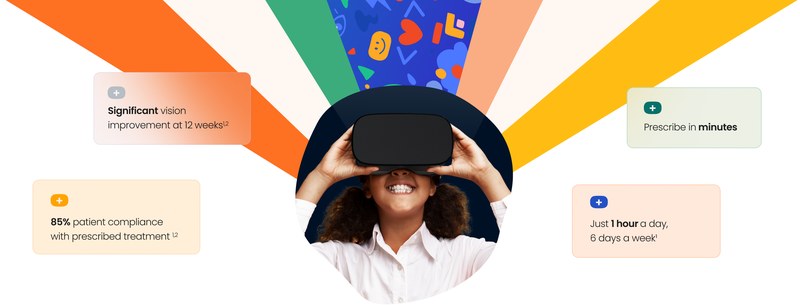
Luminopia
Luminopia is a commercial-stage digital therapeutics company that turns a child's favorite TV shows into FDA-cleared medicine for amblyopia (lazy eye). Children wear a VR headset for one hour a day, six days a week, and watch curated, real-time-modified episodes that retrain the brain to use both eyes together. Founded by Harvard dropouts and incubated at Boston Children's Hospital, Luminopia One became the first FDA-approved digital therapeutic for a neuro-visual disorder.

Medisafe
Medisafe is a digital health company that turns the everyday struggle of taking pills on time into a behavior-driven engagement platform. Born from a near-fatal insulin overdose in the founders' own family, it began as a free virtual pillbox app and grew into an enterprise platform - anchored by Medisafe Maestro and its Just-in-Time Interventions (JITI) engine - that pharmaceutical companies use to keep patients on therapy. With more than 13 million users worldwide and 4+ billion doses tracked, Medisafe sits at the intersection of consumer mobile health and the multibillion-dollar problem of medication non-adherence.

Joel Morse
Joel Morse is the co-founder and CEO of Curavit Clinical Research, a virtual contract research organization (VCRO) that designs and runs decentralized clinical trials for digital therapeutics, devices and drugs. A mechanical engineer turned serial healthcare operator, he previously co-founded C3i Solutions in 1993 and built it into a global leader in tech-enabled clinical trial services before selling to Telerx in 2014. At Curavit he is betting that trials can be run where patients actually live, stitching together wearables, web recruitment and real-world evidence to reach people traditional sites never see.

Scott Xiao
Scott Xiao is the co-founder and CEO of Luminopia, a Boston-area digital therapeutics company whose lead product turns watching cartoons in a VR headset into an FDA-approved treatment for amblyopia, the leading cause of vision loss in children. He left Harvard with classmate Dean Travers to build the first VR-based therapeutic ever cleared by the FDA, partnering with Sesame Workshop, Nickelodeon, and DreamWorks for content and with Boston Children's Hospital and MIT for the science.

Omada Health
Omada Health is a publicly traded (Nasdaq: OMDA) virtual chronic care company that uses behavioral science, connected devices, AI tools, and human care teams to help people manage prediabetes, diabetes, hypertension, high cholesterol, musculoskeletal conditions, and weight - including support for members on GLP-1 medications. Founded in 2011 in San Francisco, it sells to employers, health plans, and pharmacy benefit managers, serving roughly 2,000-plus customers and more than 886,000 members.

Hello Heart
Hello Heart is a Menlo Park-based digital health company exclusively focused on cardiovascular health. Founded in 2013, it offers an AI-powered mobile app paired with a connected blood pressure monitor and smart pill box that helps members understand, track, and improve their heart health. Deployed through employers, health plans, and Medicare Advantage programs, Hello Heart has served users at 150+ Fortune 500 companies and government organizations. Independent peer-reviewed studies - including a JAMA study of 28,000+ participants - show that 84% of high-risk users reduced blood pressure over three years, with average medical cost savings exceeding $1,700 per enrolled member per year. The company has raised $148.5 million in total funding, most recently a $70 million Series D in May 2022.

Maayan Cohen
Maayan Cohen is the Co-Founder and CEO of Hello Heart, a Menlo Park-based digital therapeutics company focused exclusively on cardiovascular health. A former Israeli tank platoon commander turned strategy consultant, she built Hello Heart from a 2013 startup into a platform covering 1.6+ million members across Fortune 500 employers, backed by $148.5M in funding from investors including Khosla Ventures, IVP, and Stripes. Named to CNBC Changemakers 2024 and Inc. Female Founders 500 in 2025, Cohen is recognized for her empathy-driven leadership style - including managing her company from Tel Aviv bomb shelters during the 2023 Israel-Hamas war while providing housing and support for both Israeli and Palestinian staff.

Mike Rosenbluth
Mike Rosenbluth is the Founder and CEO of Swing Therapeutics, the San Francisco-based company behind Stanza - the first FDA-authorized prescription digital therapeutic for fibromyalgia symptoms. A Stanford-trained mechanical engineer with a UC Berkeley PhD in Bioengineering, Rosenbluth spent years at McKinsey, a VC firm (Versant Ventures), and cancer diagnostics company Veracyte before founding Swing in 2019. His company's landmark PROSPER-FM Phase 3 trial results were published in The Lancet in 2024, and Swing has raised over $30 million to bring evidence-based, non-drug behavioral therapy to the estimated 4 million Americans with fibromyalgia.

Bob Schafer
Bob Schafer, PhD, is the CEO of Lumos Labs, the company behind Lumosity, the world's largest brain training platform with over 100 million users. A Stanford-trained neuroscientist with postdoctoral work at MIT, Schafer founded Prophecy Sciences (YC W13) before joining Lumos Labs via acquihire in 2015. He rose from Head of Research to Chief Science Officer to President of Lumosity DTx before being named CEO in May 2023. Under his leadership, Lumos Labs achieved FDA 510(k) clearance in December 2025 for LumosityRx (marketed as Prismira), the first prescription digital therapeutic for attention improvement in adults with ADHD — validated by a 500-participant randomized controlled trial.