BREAKING   Pelago supports 750,000+ members in substance use care $58M Series C led by Atomico, March 2024 Formerly Quit Genius - founded 2017 in London 13 peer-reviewed studies back the model 62% reduction in alcohol use within 30 days Covers 3.4M+ eligible lives BREAKING   Pelago supports 750,000+ members in substance use care $58M Series C led by Atomico, March 2024 Formerly Quit Genius - founded 2017 in London 13 peer-reviewed studies back the model 62% reduction in alcohol use within 30 days Covers 3.4M+ eligible lives
Company Profile  /  Digital Health

Pelago rebuilt the addiction clinic - and put it on your phone.

A physician-led virtual clinic for tobacco, alcohol and opioid use, sold as a benefit to employers and health plans.

2017
Founded
750K+
Members served
$151M+
Raised
NYC
Headquarters
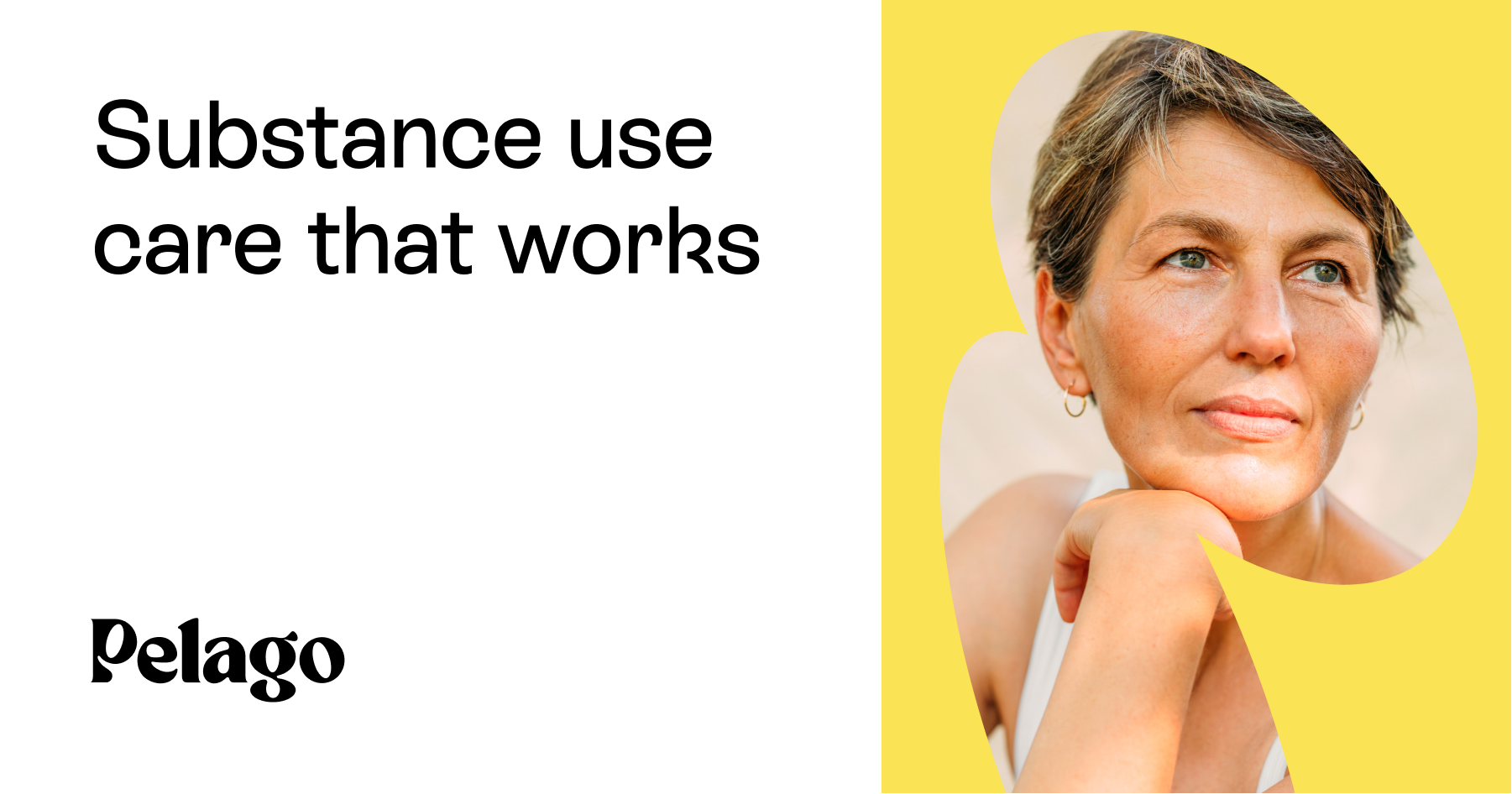
Pelago brand card reading 'Substance use care that works'

PELAGO, NEW YORK. The company's brand mark and tagline - "substance use care that works" - after its 2022 rebrand from Quit Genius.

The Story

A clinic built around the moment before rock bottom

Most addiction treatment waits. It waits for a crisis, a relapse, a family intervention - the point where a person can no longer hide the problem. Pelago was built to reach people earlier, by removing the two barriers its founders kept running into as physicians: stigma and access. The company operates a virtual clinic for substance use management, treating tobacco, alcohol and opioid use through a mix of cognitive behavioral therapy, medication-assisted treatment and at-home monitoring, all delivered remotely.

"This is about care, not just quitting."

Founded in 2017 as Quit Genius by three doctors - Yusuf Sherwani, Maroof Ahmed and Sarim Siddiqui - who met at Imperial College London, the company began as a single-purpose app to help people stop smoking. Sherwani has said the idea followed a personal loss: a close relative died from a substance problem he had not realized was there. During a psychiatric ward internship, he watched patients arrive only once things had become severe.

That observation shaped the product. Rather than a facility people have to check into, Pelago is a clinic that fits into a workday - discreet, phone-first, and covered by an employer or health plan. Over time the company expanded from tobacco to alcohol and opioids, then to adolescents, and eventually renamed itself Pelago in 2022 to move away from the word "quit" and the pressure it implied.
By the numbers

Scale, in figures

750K+
Members supported
3.4M+
Eligible lives covered
13
Peer-reviewed studies
287%
Revenue growth, 2023

The company reports that members see a 62% reduction in alcohol use within the first 30 days of care - a figure it draws from published research rather than internal marketing, part of a deliberate strategy to win over the payers and employers who buy the service.

Customers & the problem

Who it serves, and what it fixes

Pelago's members are adults and adolescents who reach the clinic through their employer or insurer. Its client roster includes AT&T, GE Appliances, Philips and Hewlett Packard Enterprise, alongside regional Blue Cross Blue Shield plans and Cigna Evernorth. The buyers are the ones facing the cost of untreated substance use - in claims, absenteeism and turnover - while the patient is always the individual member.

Nearly 60 million Americans report habitual or excessive use of drugs, alcohol or tobacco each year.

The core problem is a mismatch: the need is enormous, but stigma keeps people from walking into a clinic, and traditional treatment is hard to access, expensive and often fragmented across separate providers for each substance. Pelago's answer is to bundle care for multiple substances into one discreet, physician-led program that reaches people before a crisis forces their hand.

Products & services

One clinic, many programs

Tobacco

Smoking & vaping cessation

The original Quit Genius program: digital CBT with optional pharmacotherapy to help members stop smoking and vaping.

Since 2017
Alcohol

Alcohol use program

Behavioral therapy plus medication-assisted treatment to reduce or stop drinking, with reported 62% reduction in 30 days.

Since 2020
Opioids

Opioid use program

Physician-led medication-assisted treatment for opioid use disorder, delivered entirely through the virtual clinic.

Since 2020
Devices

At-home monitoring

Remote monitoring tools - breathalyzers and urinary test kits - shipped to members so recovery can be tracked between visits.

Since 2021
Incentives

Contingency management

An evidence-based program that rewards members for hitting recovery milestones for substance use disorder.

2024
Adolescents

Teen substance care

An extension of the platform bringing substance use care to adolescents alongside adults.

2023
What makes it different

Why the name changed

Many digital-health competitors focus on a single substance or a single tool. Pelago's distinction is breadth paired with evidence - one clinic covering tobacco, alcohol and opioids, backed by 13 peer-reviewed studies. The 2022 rebrand from Quit Genius captured the shift.

Quit Genius (2017)

  • Single focus: quit tobacco
  • App-first behavioral tool
  • Word "quit" implied willpower
  • Consumer-style framing

Pelago (today)

  • Tobacco, alcohol and opioids
  • Physician-led clinical care
  • Medication + therapy + devices
  • Sold to employers & health plans

Competitors in the space include DynamiCare Health, Workit Health, Ophelia, Bicycle Health and Boulder Care, plus broader mental-health platforms such as Lyra Health and Spring Health that add substance use modules. Pelago's bet is that treating the whole person - across substances and co-occurring conditions - beats a patchwork of point solutions.

Business model

Paid by employers, built for members

Pelago is a B2B and B2B2C business. It sells its virtual clinic as a covered benefit to employers, health plans and pharmacy benefit managers, and integrates with wellness platforms. Members typically pay nothing or very little; the purchasers pay Pelago.

Increasingly, those arrangements are value-based - tied to demonstrated outcomes and healthcare cost savings rather than simple per-user fees. The company frames substance use management as shifting "from a niche solution to an essential benefit," a positioning that helped drive 287% revenue growth in 2023 and, it says, 100% client retention.

B2BB2B2CValue-based care Health plan partnershipsEmployer benefitsPBM integration
Funding

$151M+ across four rounds

Seed · 2018
$2M
Series A · 2020
$11M
Series B · 2021
$64M
Series C · 2024
$58M

Backers include Atomico, Kinnevik, Octopus Ventures, Y Combinator, Triple Point Ventures, StartUp Health, GreyMatter Capital and Eight Roads. Atomico led the March 2024 Series C - a notable raise in an otherwise cautious digital-health funding climate.

Timeline

From app to clinic

2017

Quit Genius founded

Three physicians launch a CBT-based app to help people quit tobacco.

2018

Y Combinator & seed

The company goes through YC and raises roughly $2M.

2020

Series A, beyond tobacco

$11M funds new alcohol and opioid programs.

2021

$64M Series B

Co-led by Kinnevik and Atomico during the pandemic.

2022

Rebrand to Pelago

The company drops "quit"; new identity by A LINE wins a Transform Award.

2023

Adolescents & growth

Platform extends to teens; revenue grows 287%.

2024

$58M Series C

Atomico leads; Pelago launches a contingency management program.

Leadership & expertise

Founded by physicians

Co-Founder & CEO

Yusuf Sherwani, MD

Trained physician who leads the company; started it after a personal loss revealed how hidden substance problems can be.

Co-Founder

Maroof Ahmed, MD

Imperial College London classmate and co-founder, part of the original clinical team behind Quit Genius.

Co-Founder

Sarim Siddiqui, MD

Third co-founder from the med-school trio; helped shape the company's product and clinical approach.

The clinical bench extends beyond the founders, with a chief scientific officer and medical director guiding an evidence-based approach. That physician-led model - roughly 180 employees strong - is central to how Pelago sells to skeptical, safety-focused healthcare buyers.

FAQ

Common questions

Q.What does Pelago do?

It runs a virtual clinic for substance use management, providing physician-led care for tobacco, alcohol, opioid and other substance use through CBT, medication-assisted treatment and at-home monitoring.

Q.Was Pelago called something else?

Yes. It was founded in 2017 as Quit Genius, starting as a tobacco-cessation app, and rebranded to Pelago as it expanded to treat multiple substances.

Q.How do people access it?

Pelago is sold to employers, health plans and pharmacy benefit managers, so eligible members usually access it as a covered benefit at no or low cost.

Q.How much has it raised?

More than $151M in total, including a $58M Series C led by Atomico in March 2024, with investors such as Kinnevik, Octopus Ventures and Y Combinator.

Q.Is the approach clinically proven?

The company says its program is validated in 13 peer-reviewed studies, including a randomized controlled trial, and reports a 62% reduction in alcohol use within the first 30 days of care.

Share & explore

Spread the word

Official links

In the news