decarbonization
(62)
Philippe Boulanger Is Selling Steel's Second Life
At ArcelorMittal Long Products Canada, a former plant leader has a marketing problem measured in furnaces, freight and carbon. Philippe Boulanger's answer begins with customers - and with the idea that old steel can become new infrastructure.
Sean Burke
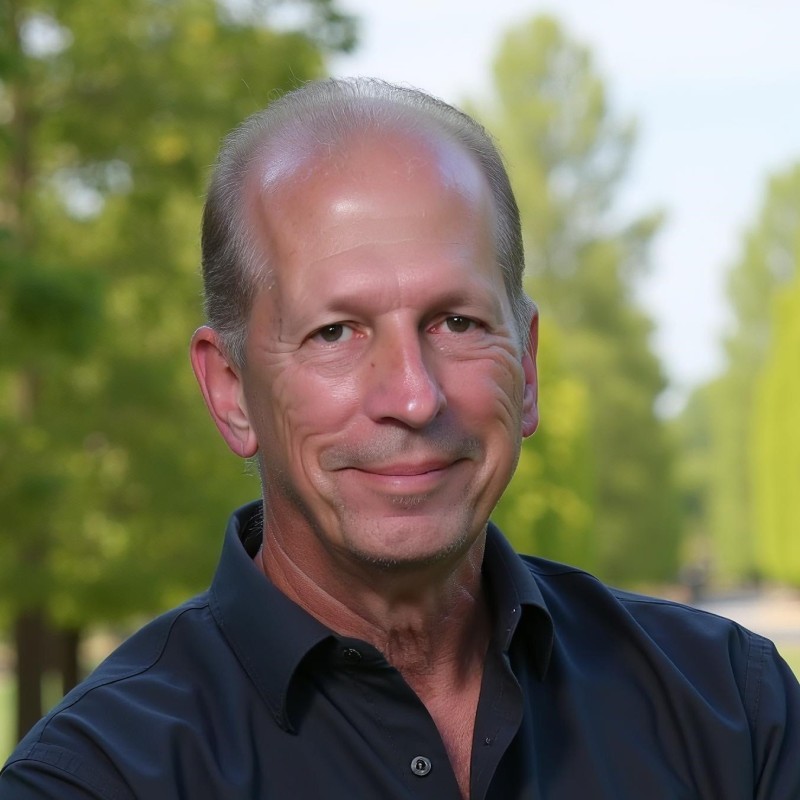
Sean Burke is the CEO and co-founder of Enteligent, a Morgan Hill, California clean-energy hardware company building what it calls the world's first solar-powered DC-to-DC EV charger. Before starting Enteligent in 2020, Burke spent more than two decades as an executive at HP, Dell, Flex, Nortek, Katerra and AMD, working on early notebook computers and the first dual-screen Android phone, and leading product teams credited with 260-plus patents. At Enteligent he is trying to strip the wasteful conversion steps out of charging by keeping power in DC form from solar panel to car battery.
James Boyle
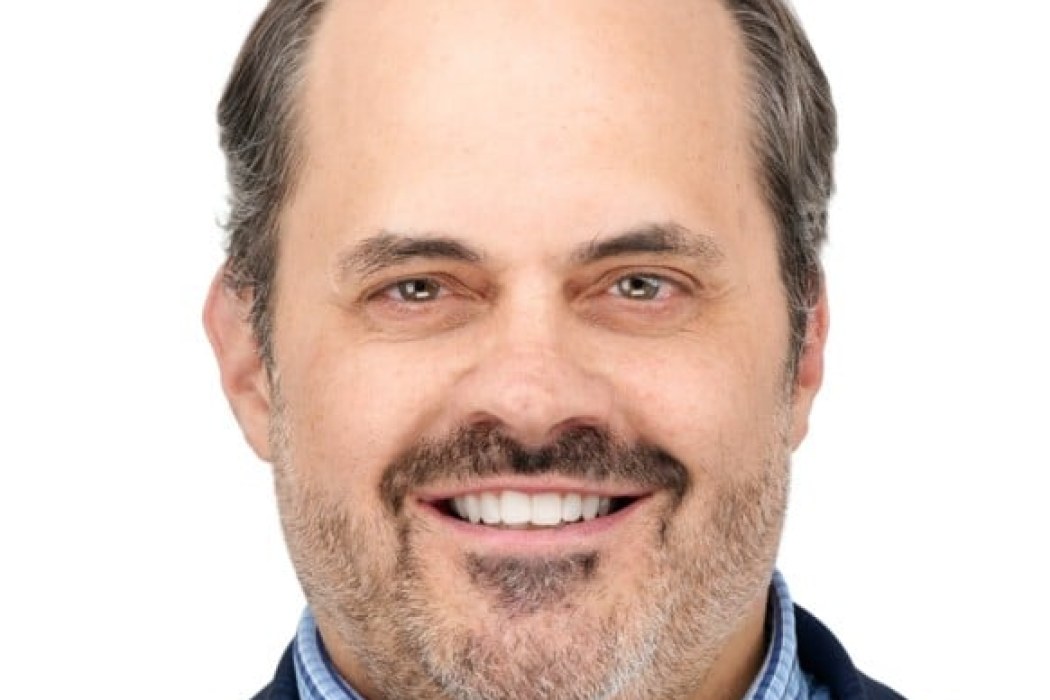
James (Jim) Boyle is the founder and CEO of Sustainability Roundtable, Inc. (SR Inc), a Boston-based public benefit corporation and certified B Corp that advises global companies such as Akamai, Biogen, Cisco, Thermo Fisher Scientific, and Wayfair on corporate sustainability governance, renewable energy procurement, and organizational resilience. A former attorney and aide to U.S. Senator John Kerry who moved through commercial real estate before founding SR Inc in 2009, Boyle built a shared-cost research and advisory model that has helped nearly 100 Fortune 500 and growth companies pursue more sustainable high performance. In 2026 he published Dignity First Leadership, a framework arguing that companies should place human dignity at the center of value creation in an age of climate breakdown and technological upheaval.
James Metropoulos
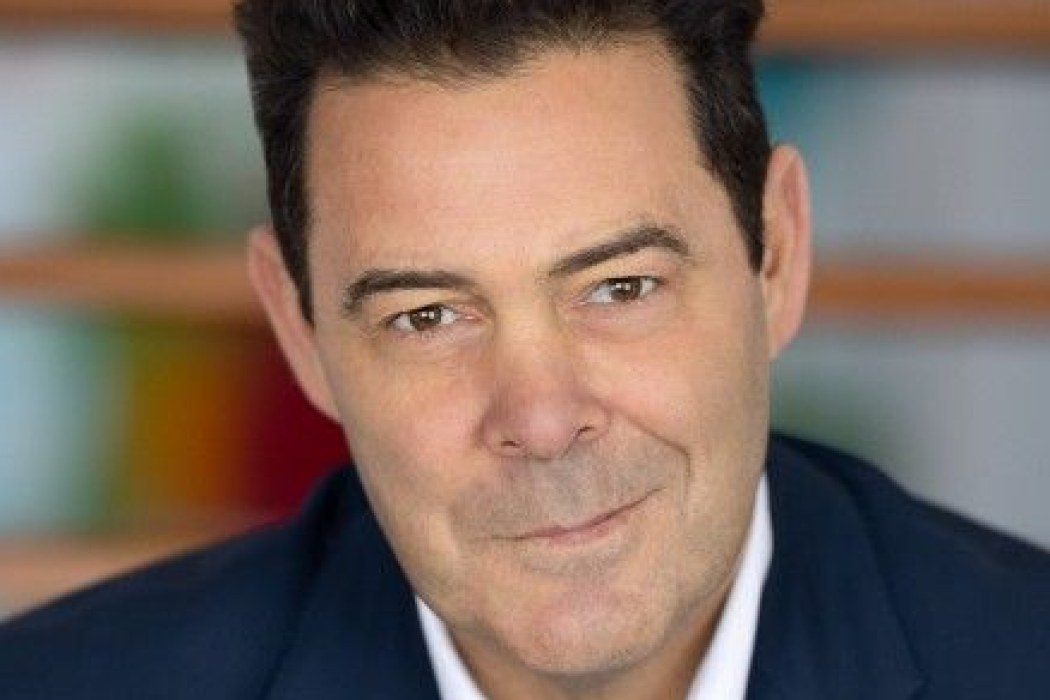
James (Jim) Metropoulos is the founder and CEO of Blue Box Air, a Dallas-based clean tech company that has built a patented, bio-automated way to clean and restore the heat-transfer coils inside commercial HVAC systems. He founded the company in 2016 in Southern California and moved its headquarters to Deep Ellum, Dallas in 2020. His enzyme-based process tackles a century-old problem in the HVAC industry - coils that were never truly cleanable - and in doing so cuts building energy use, improves indoor air quality, and lowers carbon emissions. Blue Box counts clients such as MGM Resorts, UC Berkeley, General Motors, LA Children's Hospital and the Golden State Warriors, and reports having restored tens of thousands of coils while saving hundreds of millions of kilowatt-hours.

Saleh ElHattab
Saleh ElHattab is the founder and CEO of Gravity, a San Francisco-based carbon accounting and energy management platform that helps industrial businesses measure emissions, cut energy costs, and automate sustainability disclosures. A former product leader at Samsara and Salesforce IoT, and a former Eclipse Ventures venture partner, he raised a $13M Series A in January 2025 led by Ansa Capital, bringing Gravity's total funding to more than $20M with customers including WM, Autodesk, and MiddleGround Capital.

Zlatan Menkovic
Zlatan Menkovic is the CEO and co-founder of Scaler, an ESG data platform helping real estate managers measure, report, and cut the carbon footprint of their buildings. A Dutch product designer turned repeat founder, he built Scaler after years shaping products at Uber and Uber Freight and an earlier startup, PeerReach. Scaler now serves roughly 30 clients overseeing more than $350 billion in assets and raised a $10M Series A in 2024 led by Plural. Menkovic's pitch is blunt: if you want global impact, start with the buildings we already live and work in.
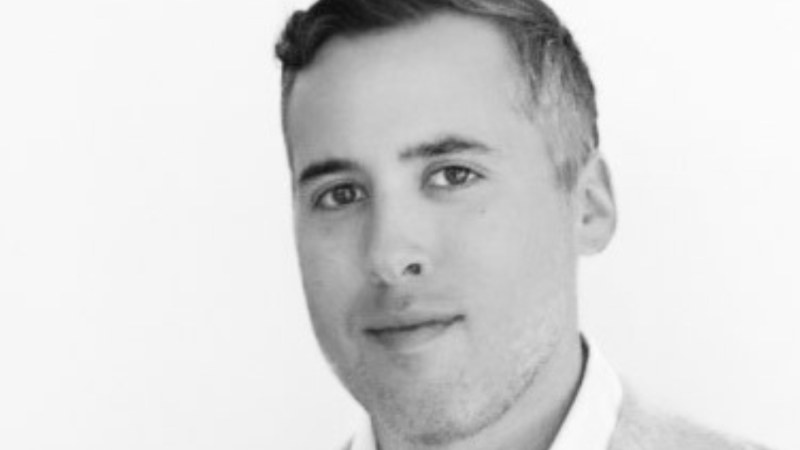
Ben Hernandez
Ben Hernandez is the founder and CEO of Numat, a Chicago deep-tech company that treats chemistry like software. Numat designs metal-organic frameworks (MOFs), nanoscale materials that capture, hold, and even destroy specific molecules with atomic precision. Trained as an engineer with a law degree and an MBA, and a former private equity investor, Hernandez turned a Northwestern lab idea into the world's first industrial-scale MOF manufacturing campus, powering safer hazardous-gas storage for the semiconductor industry through its ION-X product and pushing toward industrial decarbonization.
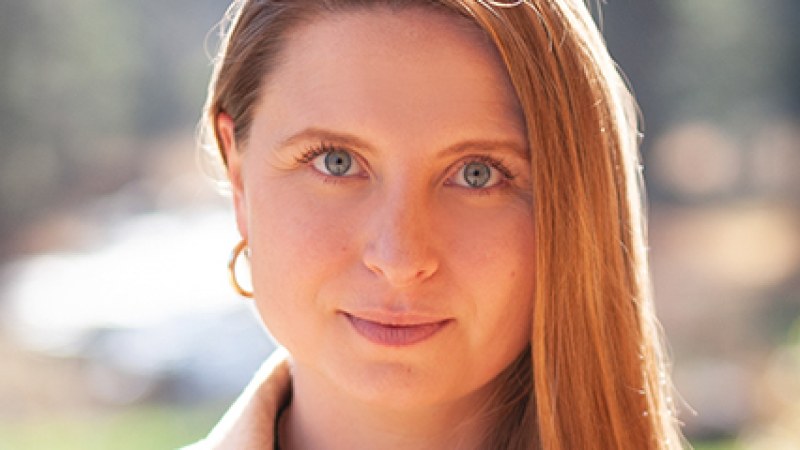
Ellie Cunningham
Ellie Cunningham is the CEO of Canoa, a Brooklyn-based design-technology company building a browser canvas that unifies mood boards, scaled floor plans, real product data and FF&E schedules for interior designers. A Pratt-trained interior designer who spent years running global design operations at WeWork, she stepped up from COO to chief executive in October 2024 and is steering Canoa toward a circular, low-carbon future for commercial furniture, where good pieces get reused instead of dumped.

Kazuhiko Nishioka
Kazuhiko Nishioka is the co-founder and CEO of Sun Metalon, a Japan-origin, Chicago-area climate-tech company decarbonizing the metal industry. A former Nippon Steel engineer with a materials science background from Northwestern University, he built a patented, near zero-emission heating technology that turns metal scrap, sludge and swarf into clean, reusable metal pucks on-site. Founded in 2021, Sun Metalon has raised roughly $42M in total funding, partnered with Toyota on aluminum recycling, and drawn Nippon Steel's first venture investment in its 100-plus-year history.
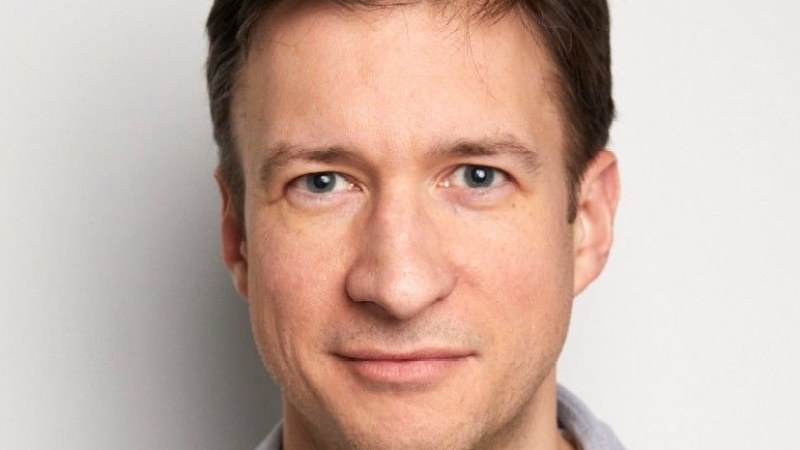
Matt Soule
Matt Soule is the founder and CEO of Parallel Systems, a Los Angeles company building autonomous, battery-electric railcars that move freight in small, self-propelled platoons instead of behind diesel locomotives. A former SpaceX avionics leader who once ran a 300-person department, Soule started Parallel in 2020 to pull short-haul freight off congested highways and onto underused rail. The company has raised more than $91 million, secured a Federal Railroad Administration pilot near the Port of Savannah, and aims to convert a slice of the $700 billion U.S. trucking market to cleaner rail.
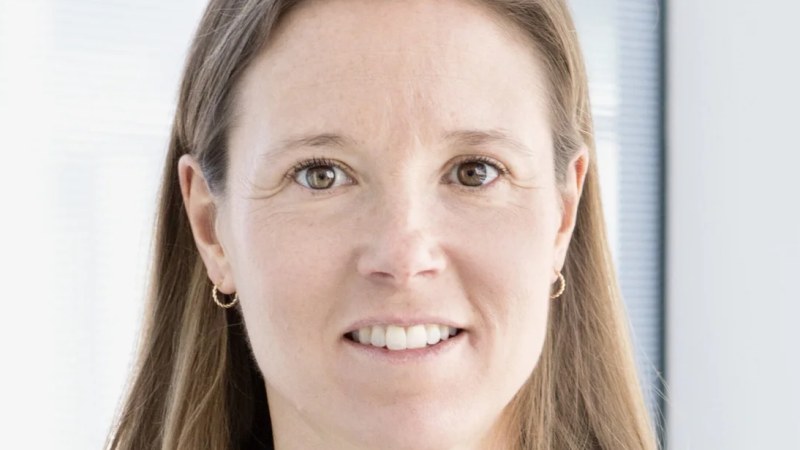
Kristin Brief
Kristin Brief is the CEO of Terragia Biofuel, a Hanover, New Hampshire startup engineering thermophilic bacteria to turn farm leftovers into cost-competitive, low-carbon ethanol. A 20-year clean energy operator and former Breakthrough Energy Fellow, she previously co-founded medical diagnostics company Virex Health, which was acquired by Sorrento Therapeutics.
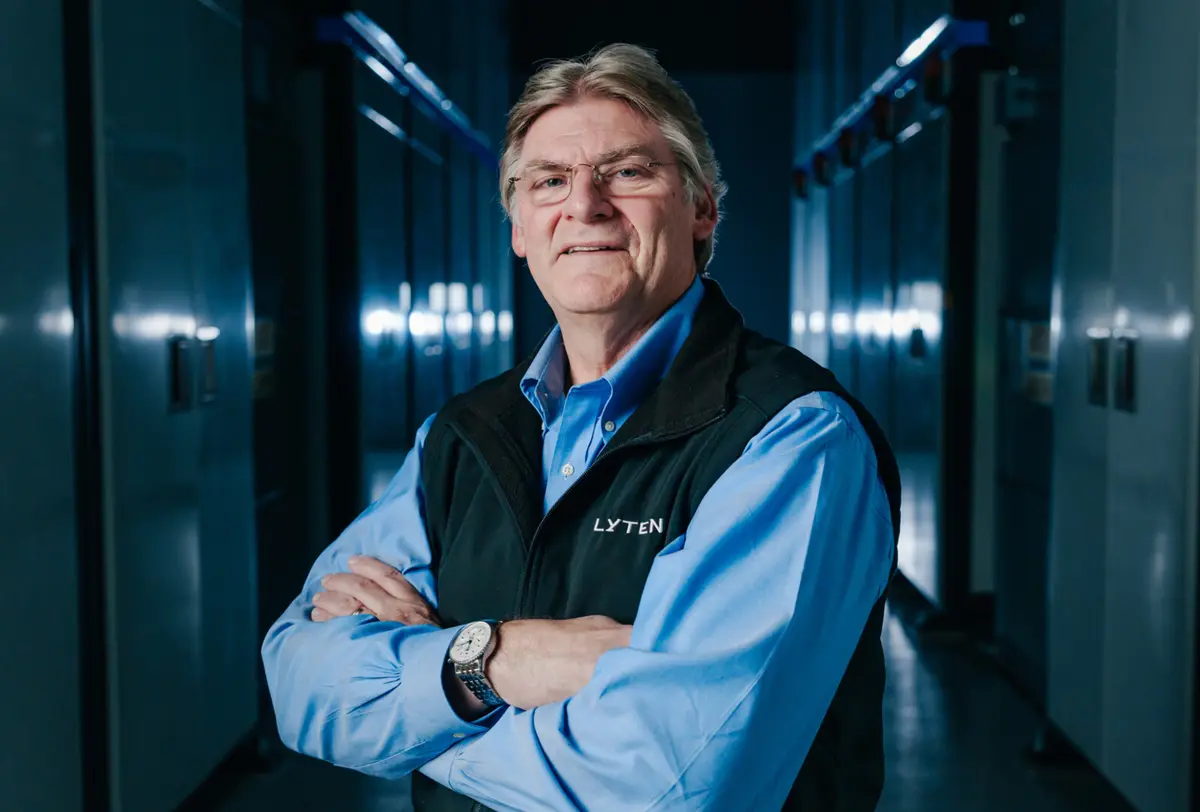
Dan Cook
Dan Cook is the CEO, Co-founder, and Investor at Lyten Inc, a San Jose-based deep-tech company pioneering 3D Graphene supermaterial and next-generation lithium-sulfur batteries. With over three decades spanning General Motors, NeXT Computer (under Steve Jobs), Bay Networks/Nortel, and private equity at Cerberus Capital, Cook pivoted to found Lyten in 2015 around a serendipitous discovery: trying to turn methane into clean hydrogen, the team accidentally created a revolutionary 3D graphene material. Under his leadership, Lyten has raised over $1.2 billion, shipped lithium-sulfur A-samples to automotive and military customers, announced the world's first lithium-sulfur gigafactory in Reno, Nevada, and in 2025-2026 acquired significant Northvolt assets across Europe to become one of the largest battery manufacturers on the continent.

Leise Sandeman
Leise Sandeman is the CEO and co-founder of Pathways, a climate-tech startup building the data layer for sustainable manufacturing. Pathways uses AI to automate the creation of Life Cycle Assessments (LCAs) and Environmental Product Declarations (EPDs) for building-material makers - concrete, steel, cement, glass - turning a months-long consultant slog into a process that takes weeks. A Copenhagen native and former McKinsey sustainability consultant who scaled a recycling venture before studying at Harvard and MIT, Leise co-founded Pathways in 2022 with Alex Cooper after meeting in an MIT entrepreneurship class. The company raised an oversubscribed $2.5M seed round in February 2024 and now serves manufacturers across hundreds of plants.

Adam Slavney
Adam Slavney is the co-founder and CEO of Pascal, a Cambridge, Massachusetts startup commercializing solid-state refrigerants to replace the planet-warming gases inside air conditioners, heat pumps, refrigerators and data centers. A Stanford-trained chemist who studied perovskite solar cells before a Harvard postdoc in clean-energy economics, Slavney spun Pascal out of Harvard in 2023 around a class of barocaloric materials that respond to pressure two orders of magnitude more strongly than other solids. The company raised an $8M seed round in 2024 led by Engine Ventures, with Khosla Ventures participating, and later added a Series A to scale prototypes. Slavney's pitch is blunt: heating and cooling burn nearly 40% of the world's energy and the refrigerants doing it cause about 2% of global warming, and he wants to keep the cooling while deleting the climate cost.
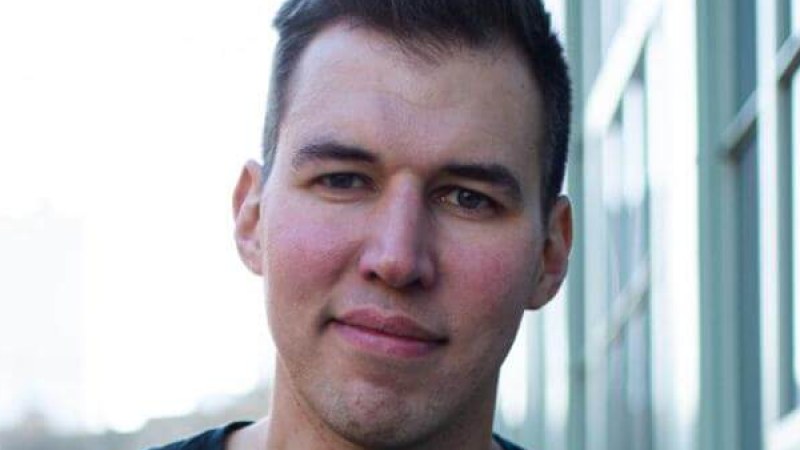
Alex Cooper
Alex Cooper is the co-founder and co-CEO of Pathways, a New York climate-AI company building the data layer for sustainable manufacturing. Pathways automates the creation of real-time Life Cycle Assessments (LCAs) and Environmental Product Declarations (EPDs) for building-material producers - turning a slow, costly, manual six-to-twelve-month process into something that takes weeks. A decade scaling consumer and data startups (Uber, Clutter, Two Chairs) left Cooper convinced that the manufacturers responsible for roughly 40% of global CO2 deserved software as good as the apps on everyone's phone. He teamed up with Harvard classmate Leise Sandeman in 2022 to prove it.
Daniel Sobek
Daniel Sobek is the co-founder and CEO of 1s1 Energy, a Portola Valley startup turning a chunk of boron chemistry into cheaper, cleaner green hydrogen. An MIT-trained engineer with three degrees from the institute and a habit of starting companies, he spent years in microfluidics and cancer-imaging hardware before betting on electrolyzers. His company's boron-based membranes claim to cut the energy needed to make hydrogen by about 30 percent, and he says they already hit a U.S. Department of Energy efficiency target set for 2031.
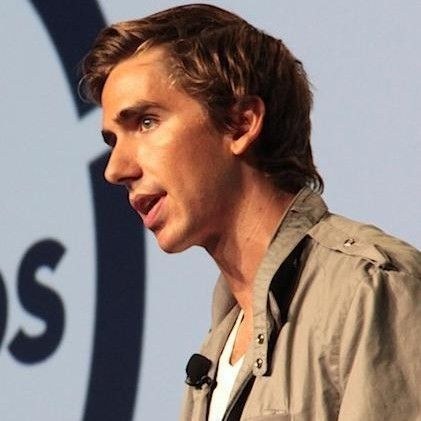
Dylan Keil
Dylan Keil is the co-founder and CEO of Bearing AI, a Palo Alto startup that uses artificial intelligence to cut carbon emissions and improve operations across the global maritime shipping fleet. A Stanford-trained mechanical engineer who grew up on college campuses, he built and sold the mobile sensor startup Chronos to Life360 before launching Bearing in 2019. Backed by Andrew Ng's AI Fund and Japanese shipping giant Mitsui & Co., Bearing predicts vessel fuel consumption, speed and carbon ratings without onboard sensors, helping shipowners navigate regulations like CII, EU ETS and FuelEU Maritime while saving fuel and money.

Gurinder Nagra
Gurinder Nagra is the founder and CEO of Furno Materials, a South San Francisco climate-tech company building the world's first modular, energy-efficient cement plant. Born in India, raised in rural Griffith, Australia, and trained as a geoscientist at UNSW and Stanford, he traded a boyhood cricket dream for a fight against cement's outsized carbon footprint. Furno's compact kilns use oxyfuel combustion to make ASTM-certified cement at lower cost and far lower emissions; in 2024 the company's cement tested at twice the ASTM strength standard, closed an oversubscribed $6.5M seed round, and Nagra landed on the Forbes 30 Under 30 list.
Howard Yuh
Howard Yuh is a plasma physicist turned founder who is trying to break China's grip on magnesium by pulling the metal out of the ocean. As CEO and cofounder of Tidal Metals, the New Jersey deeptech he spun out of his earlier desalination venture GreenBlu, he uses an adsorption temperature-swing vapor pump - a trick borrowed from fusion research - to extract magnesium salt from seawater with only electricity, no mining, and no waste. The company raised $8.5M in seed funding led by DCVC in 2024 and won the World Economic Forum's Sustainable Mining Challenge the same year.
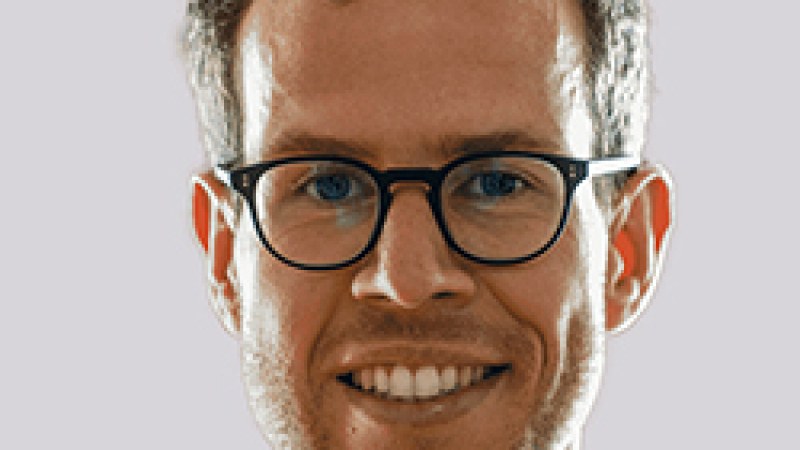
Lukas Hackl
Lukas Hackl is the co-founder and CEO of Aepnus Technology, an Emeryville, California startup building electrolyzers that turn sodium sulfate waste - a salty byproduct piling up across the EV battery supply chain - back into the sulfuric acid and caustic soda that battery makers have to buy. The technology grew out of his UC Berkeley and Lawrence Berkeley National Laboratory PhD work on electrochemical water desalination. After hearing the same waste complaint on road trips from California to Canada, he and co-founder Bilen Akuzum turned a laboratory curiosity into a company that emerged from stealth in 2024 with $8 million in seed funding led by Clean Energy Ventures.

Michael Alexander
Michael Alexander is the co-founder and CEO of Addis Energy, a Somerville, Massachusetts startup turning the Earth's crust into a chemical reactor to make clean ammonia. A chemical engineer who spent more than eight years refining oil at Shell and Marathon Petroleum, he discovered geologic hydrogen at Harvard Business School and teamed up with classmate Charlie Mitchell and MIT professors Iwnetim Abate and Yet-Ming Chiang to commercialize a process that stimulates ammonia production from iron-rich rock underground. In December 2025 Addis raised an oversubscribed $8.3M seed round, bringing total funding to $17.3M.
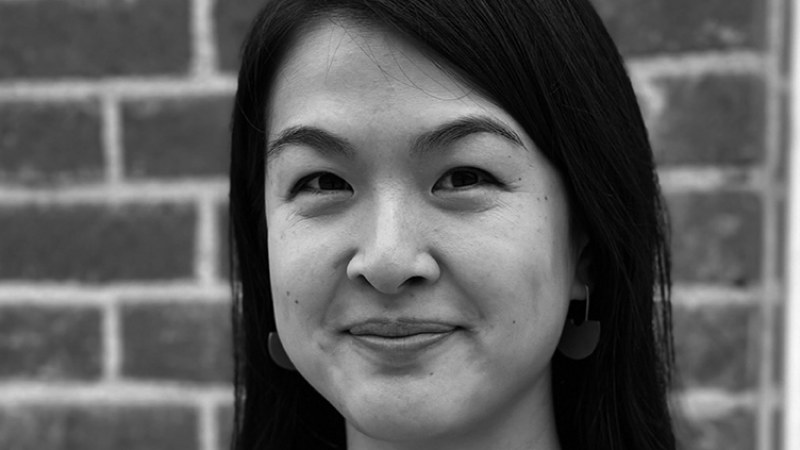
Molly Yang
Molly Yang is the co-founder and CEO of Hgen, a Los Angeles climate-tech company building modular, mass-manufacturable alkaline electrolyzers to make clean hydrogen cheap enough for heavy industry. A former energy product lead at Tesla, she teamed up with childhood friend and ex-SpaceX engineer Colin Ho to shrink the electrolyzer roughly twentyfold and package it into shipping containers that need only water and electricity. Hgen has raised $7M total from Founders Fund, Seven Seven Six, and Fontinalis Partners, and Yang was named a 2022 Breakthrough Energy Fellow.
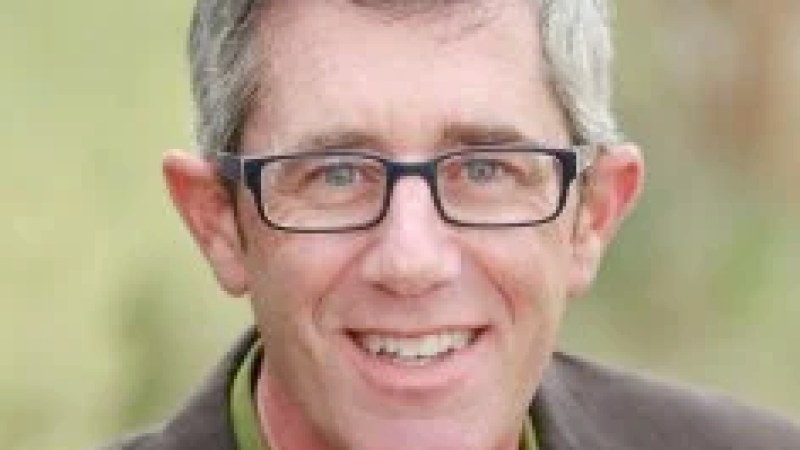
Noah Helman
Noah Helman is the co-founder and CEO of Industrial Microbes (iMicrobes), an Alameda, California synthetic biology company that engineers the central metabolism of microbes so they can eat cheap, renewable feedstocks - ethanol and methane - and spit out the chemicals normally pumped from petroleum. A Stanford applied-physics PhD who spent roughly a decade in physics labs before crossing into biology, Helman co-founded the company in 2014 with two fellow alumni of the biofuels startup LS9. iMicrobes targets drop-in, cost-competitive, net-zero versions of acrylic acid (for paints and adhesives) and acrylonitrile (for carbon fiber). The company went through Y Combinator's W15 batch, holds more than 20 patents, raised a $10M+ seed round in late 2024, and in 2025 announced it had scaled production of 100% bio-based, high-purity acrylic acid.
Paul Huelskamp
Paul Huelskamp is the co-founder and CEO of Anode Technology Company, a San Francisco startup building AI-orchestrated mobile microgrids and battery energy storage systems that deliver grid-independent electricity to EV depots, data centers, construction sites, and live events. A renewable-energy financier turned hardware founder, he previously built and ran Moxion Power, which raised more than $110 million to replace diesel generators before it went bankrupt in 2024. In 2025 he returned with a leaner, software-first venture and $9 million in seed funding from Eclipse Ventures, determined to 'finish what we started.'
Phil Krinner
Phil Krinner is the co-founder and CEO of Arch, a San Francisco company building AI revenue software for home services contractors, starting with HVAC and heat pumps. A Stanford GSB graduate and former McKinsey strategy consultant who once built large-scale solar plants and installed panels himself, Krinner started Arch after asking 15 contractors to quote a heat pump for his apartment and finding that not one could tell him whether it would save money. Arch uses public home data and AI to help contractors find the right homes, size systems in minutes, and run hyper-personalized campaigns. The company raised a $6.2M seed round in 2024 led by Coatue with Floodgate, Gigascale, ReGen and MCJ.
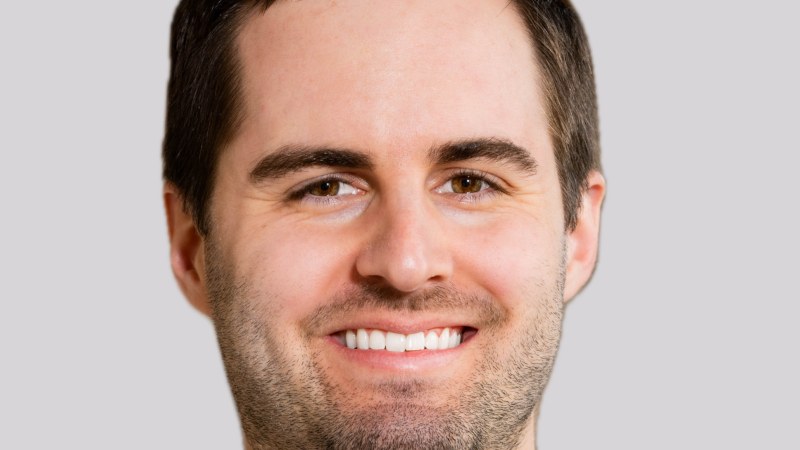
Ryan DuChanois
Ryan DuChanois is the co-founder and CEO of Solidec, a Houston climate-tech startup that spun out of Rice University in 2024. Solidec builds modular reactors that pull molecules from air and water and, using only electricity, make industrial chemicals like hydrogen peroxide on-site - no centralized plants, no long supply chains, no carbon-heavy inputs. A Gates Cambridge Scholar with a Yale PhD and 20 peer-reviewed papers in membrane science, DuChanois traded the academic bench for the factory floor, aiming to abate over a gigaton of carbon emissions a year by reinventing how the world's chemicals are made.
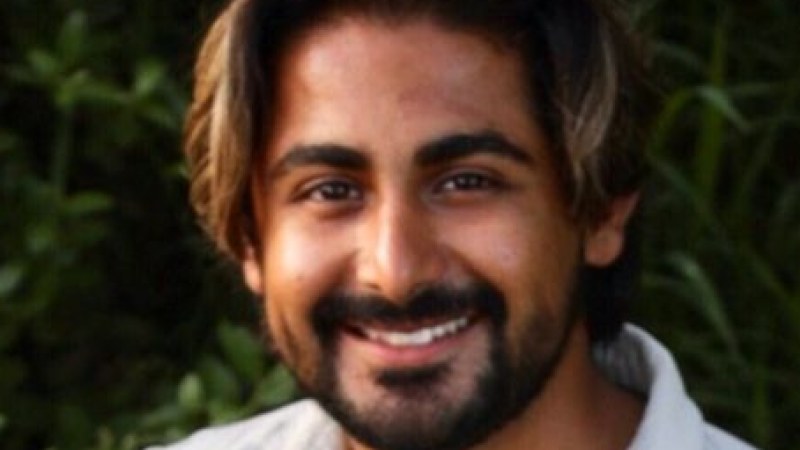
Saif Bhatti
Saif Bhatti is the founder and CEO of Renoster, an Austin-based carbon credit ratings agency that uses remote sensing and open science to grade nature-based carbon projects on whether they actually remove carbon. He started the company in 2019 as anti-poaching technology - a device that listens for gunshots on the African savanna to protect rhinos - and pivoted it into one of the sharpest, most independent watchdogs in the voluntary carbon market. A Northwestern-trained industrial engineer and philosopher turned data scientist, he has helped review hundreds of millions of credits and published deep-transparency reports that have rattled some of the world's largest carbon projects.
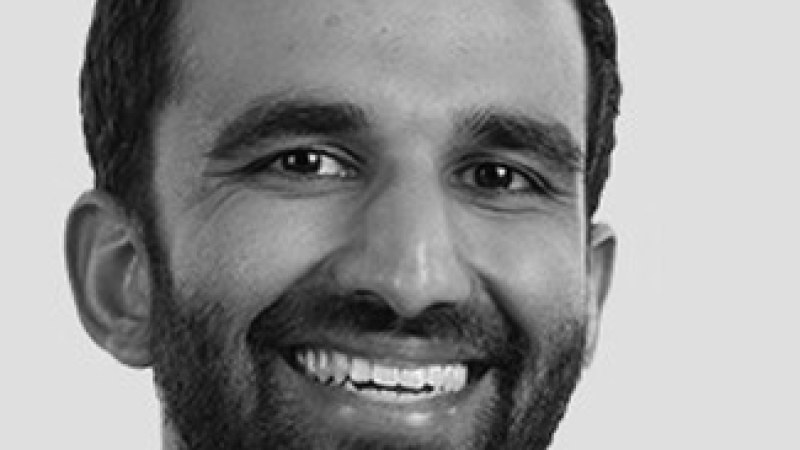
Sami Khan
Sami Khan is the co-founder and CEO of Nevoya, an all-electric, AI-orchestrated freight carrier building a zero-emissions trucking network from the ground up. A Cambridge-trained physicist who moved through private equity, Accenture consulting, and four years inside McLaren's applied-technology arm, Khan launched Nevoya in 2022 to prove that electric trucks can beat diesel on cost, reliability, and emissions. The company raised a $9.3M seed led by Lowercarbon Capital, runs Freightliner eCascadias for Fortune 500 shippers and 3PLs, and is built around a proprietary AI-powered Transportation Management System designed specifically for the quirks of running EVs at freight scale.
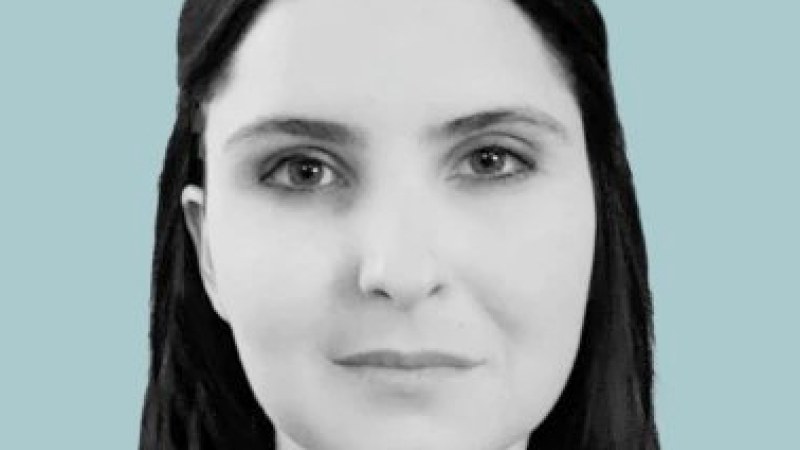
Shannon Nangle
Shannon Nangle is a microbe-wrangling scientist turned CEO who co-founded Circe Bioscience to make fats, oils, and even chocolate out of thin air. Her company feeds carbon dioxide, water, and electricity to engineered microbes that grow like plants and excrete valuable molecules, producing food and industrial ingredients in a carbon-negative way. Spun out of Harvard's Wyss Institute in 2021, Circe made what it calls the world's first gas-fermentation-derived chocolate and has raised over $17 million to scale a manufacturing process Nangle spent six years building.
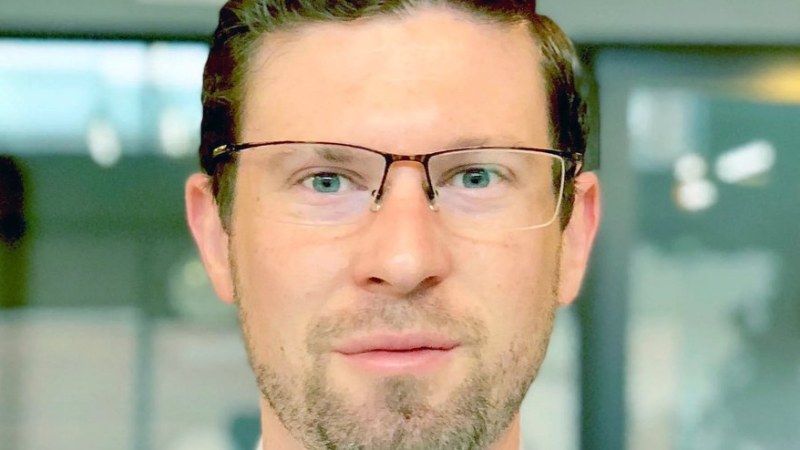
Bret Kugelmass
Bret Kugelmass is the founder and CEO of Last Energy, an Austin-based company building factory-made 20-megawatt nuclear power plants designed to be shipped, assembled, and switched on like industrial equipment rather than built on-site like cathedrals. A Stanford-trained roboticist who once helped build a lunar rover control device at NASA, he sold a drone startup, then interviewed more than 800 nuclear experts on his Titans of Nuclear podcast before concluding that the technology was never the problem - the cost of slow, custom construction was. Last Energy has raised about $164 million, closing an oversubscribed $100 million Series C in December 2025, and is racing to plug a pilot reactor into the Texas A&M-RELLIS grid by mid-2026.