Lee Lynd has spent decades at Dartmouth's edge of a single, stubborn idea - that one engineered microbe should be able to do what a biofuel plant currently spends three expensive steps doing. The idea has a name: consolidated bioprocessing. It has been a research-paper dream since before most clean energy startups existed.
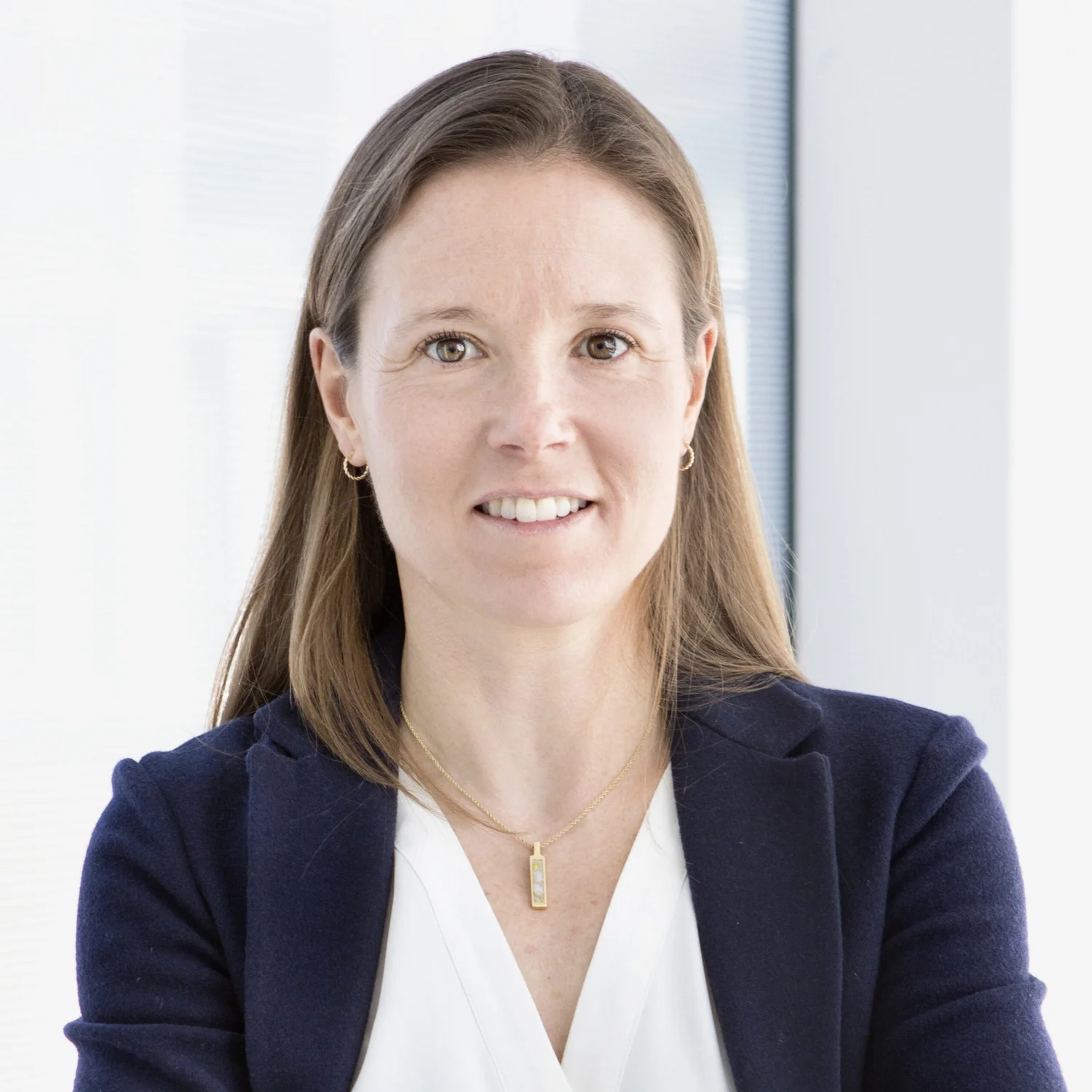
In March 2024, Lynd stepped aside as CEO of the company he co-founded to chase that dream commercially. He kept the title that mattered to him - Chief Technology Officer - and handed the rest to Kristin Brief.
The hand-off is the story. Scientist-founders rarely give up the corner office, and when they do, the person on the other side has to be the right shape of stubborn. Brief has spent twenty years near early-stage clean energy ventures. She helped build Virex Health from co-founder up to a Sorrento Therapeutics acquisition. She did an eighteen-month tour as a Business Fellow at Breakthrough Energy, the climate accelerator Bill Gates seeded with a thesis that science alone never decarbonizes anything - markets do.
Terragia is the consequence of that thesis meeting Lynd's lab. Engineered thermophilic bacteria - microbes that thrive at hot temperatures - eat cellulosic biomass directly, no pretreatment, no enzyme cocktails, no second fermentation tank. Corn stalks in, ethanol out. The pitch is not a moral one. It is a cost one.
Brief, when she talks about why she said yes, sounds almost suspicious of the word "differentiated." She uses it anyway. "Terragia's technology, team, and path to commercialization are differentiated," she said when she took the job. Said by someone selling a research dream, that line means little. Said by someone who has spent two decades watching clean energy startups die between the bench and the boiler, it carries weight.
That she runs the company from a town of roughly 11,000 people, several hours from any major venture capital cluster, is not incidental. Hanover, New Hampshire is where the science lives. Brief moved the executive office to where the work is.