corporate-development
(43)
Will Pacheco wants a better conversation before the deal
After investment banking, private equity and corporate development, Greenfield’s co-founder built a sourcing business around a simple conviction: better data should make more room for the people behind the companies.

Lak Ananth wants founders to get failure right
From a carefully budgeted student life in Kansas to the founding of N47, Lak Ananth has kept his attention on what makes technology useful. His advice to ambitious founders begins with an unfashionable word: failure.
Ryan Ahern and the value of being in the same room
A call to a former supervisor. An office gathering that outgrew its guest list. Ryan Ahern built his place at Truveta by connecting people - and now shares responsibility for leading the company.
Adam Sabloff and the art of starting again
Before VirtualHealth, Adam Sabloff ran a New Orleans music venue and helped develop luxury residences. His career turns on a quieter skill: getting people to work together, then staying long enough to make it count.
Mitchell Krebs and the trouble with getting bigger
An Iowa-born finance graduate spent three decades at Coeur Mining learning what growth demands. His next challenge appeared when the numbers looked good.
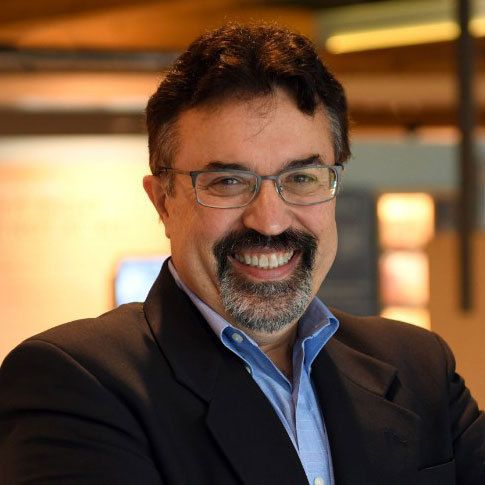
Bruce Fleming and the second life of a refinery
After decades in oil-industry operations and dealmaking, Bruce Fleming is helping put existing refinery equipment to work on renewable fuels. In Great Falls, Montana, that means connecting chemical engineering, farm output and the price of a plane’s next tank.
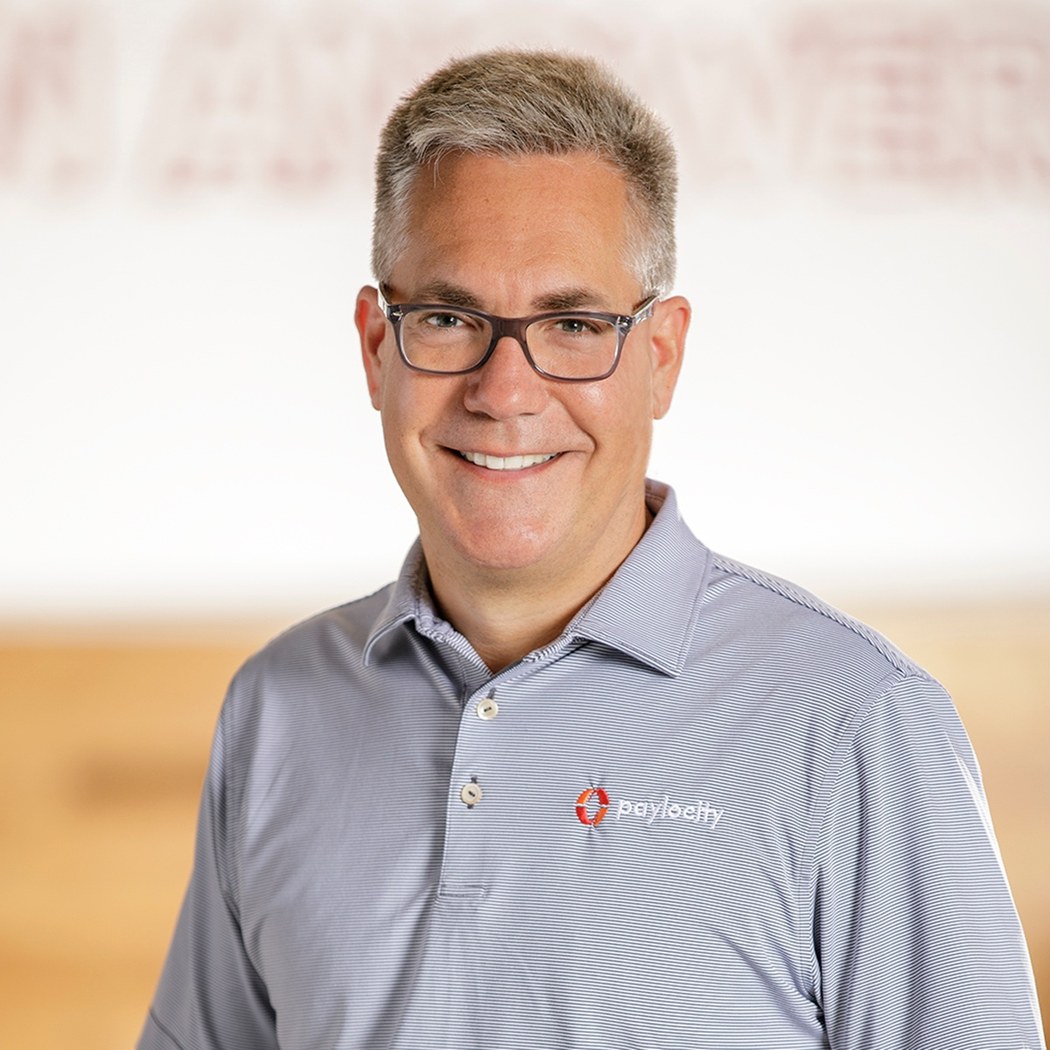
Toby Williams and the art of getting out of the way
From corporate law to the corner office at Paylocity, Toby Williams has spent his career crossing departmental lines. His next test is helping customers spend less of their day doing the same.
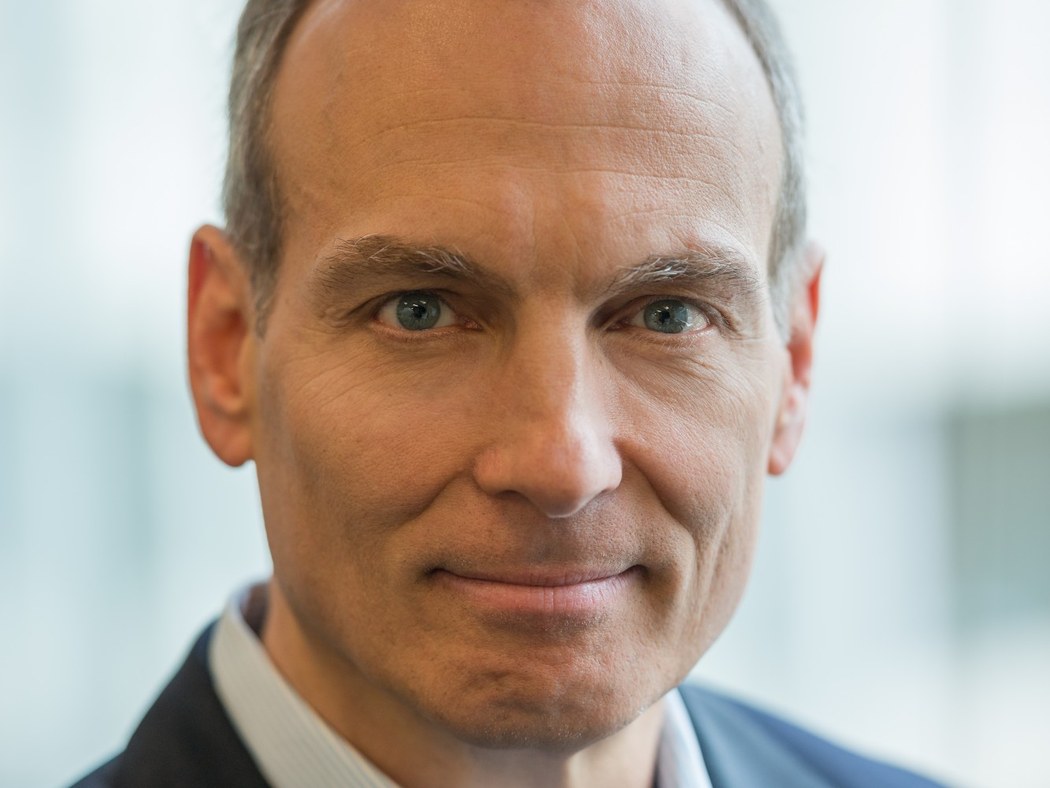
Glenn Fogel and the trouble with getting there
He helped assemble Booking Holdings one acquisition at a time. Now Glenn Fogel wants the pieces of a journey to cooperate - especially when the journey goes wrong.
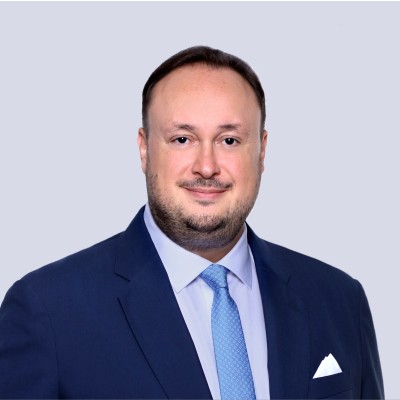
Gregory Kallinikos and the value of being nearby
From a Singapore clearing business to an expanding Asian network, Gregory Kallinikos has built a career around getting closer to the people who use financial markets. The next connection is often a local one.
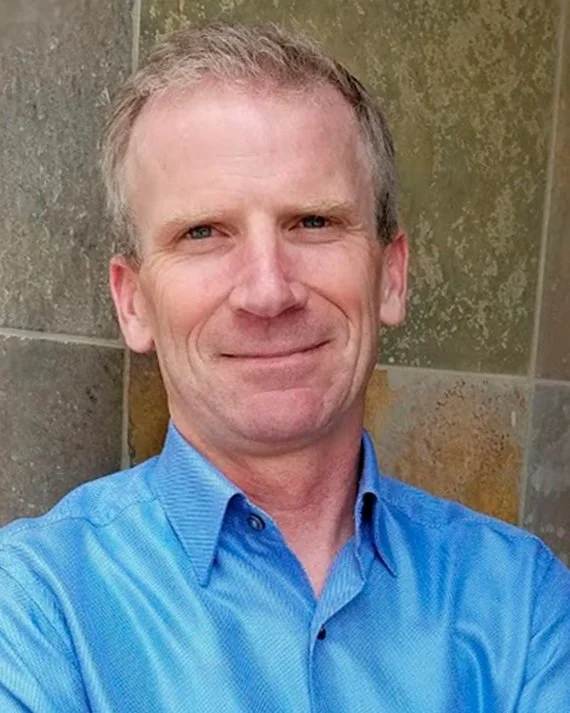
Bob Myers and the Value of a Second Invitation
From ALZA to Jazz Pharmaceuticals to Orbus, Bob Myers built a career alongside people who kept turning up again. His story follows the working relationships behind two companies - and the long stretch between founding one and handing it on.
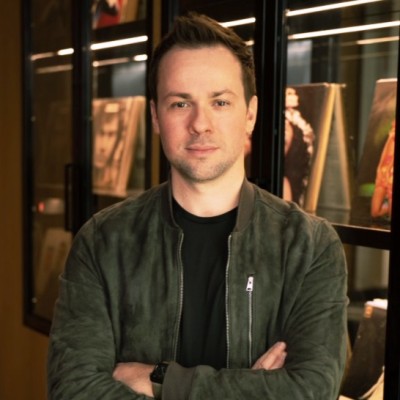
Dennis Kogan and the business of staying power
Before Caresyntax, Dennis Kogan and his future co-founder wanted to buy one company and spend years building it. That early bargain helps explain the entrepreneur, the international expansion, and the decision to pass on the CEO title.
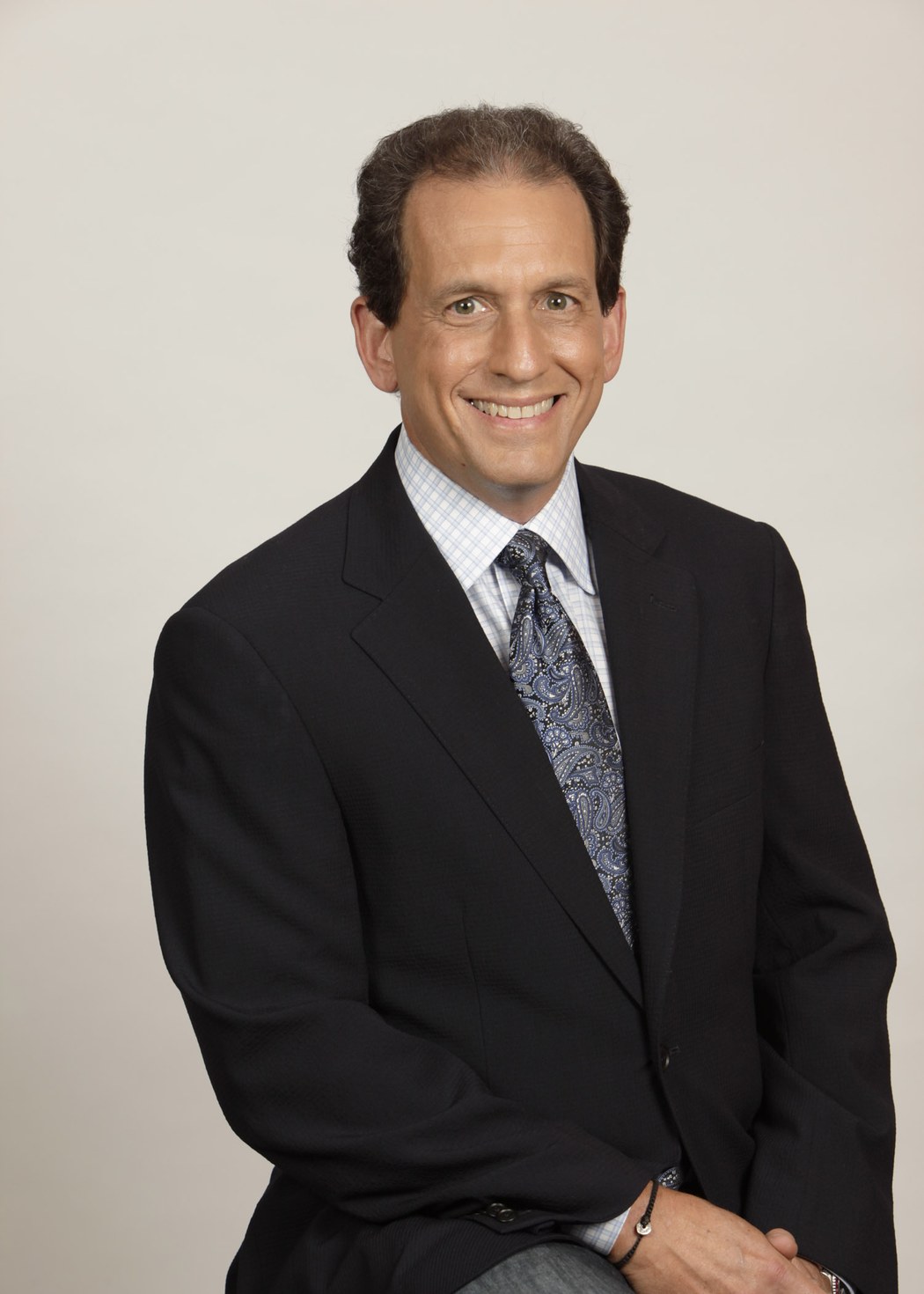
David Schlanger and the art of the handoff
A corporate lawyer became a dealmaker, then led WebMD and took Progyny public. His next move was to give a longtime colleague the CEO’s chair - and keep a different seat at the table.
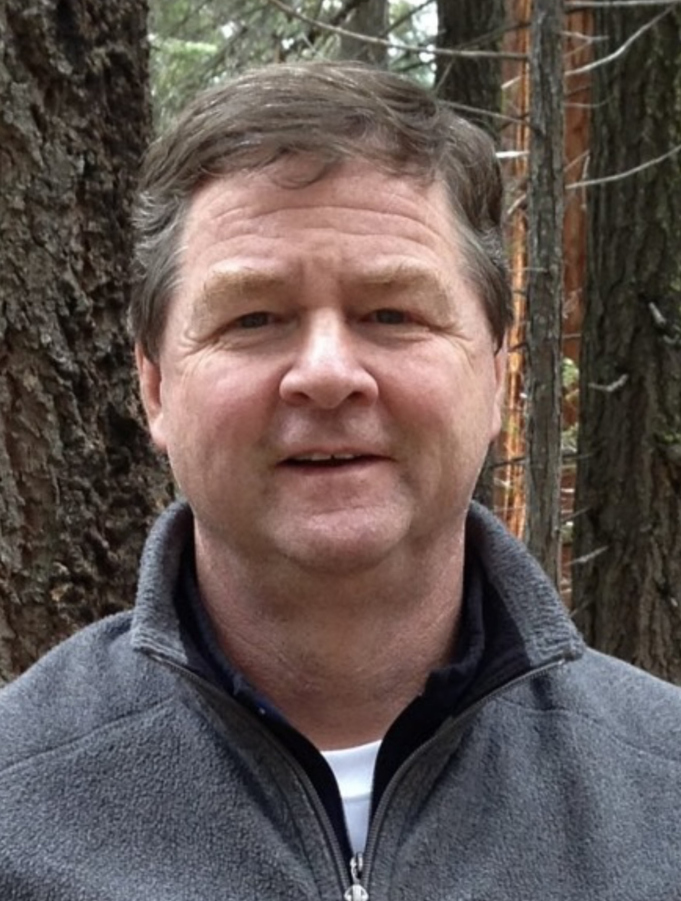
Edward Lanphier and the second life of a family name
Before Edward O. Lanphier II founded Sangamo, he taught science, met his wife while teaching, and borrowed a name from his great-grandfather’s electrical company. His story runs from an Illinois industrial legacy to a California startup and back to the places that shaped him.
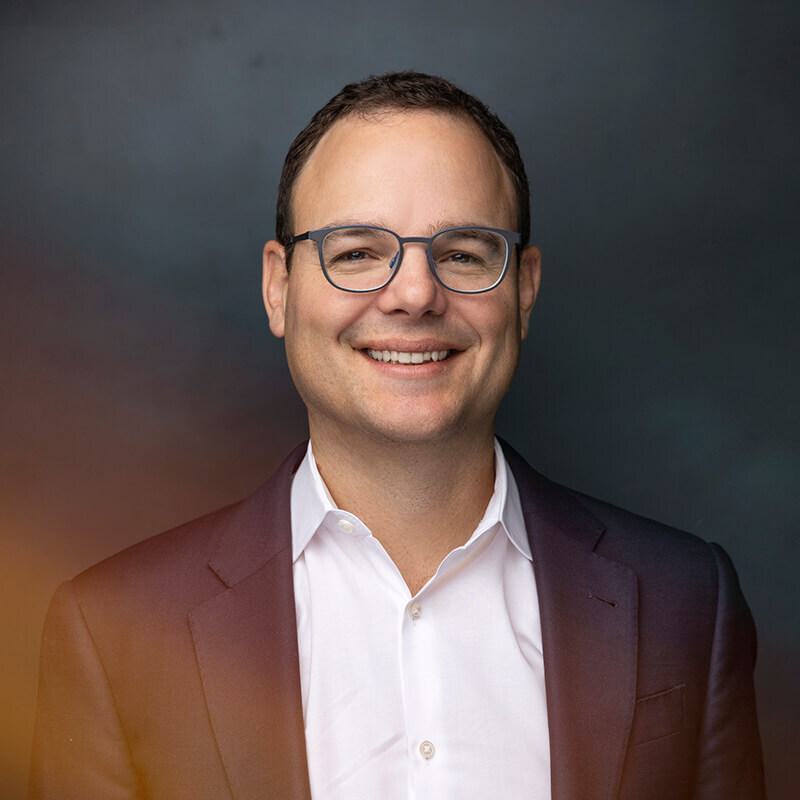
Brian McGuigan and the art of inheriting someone else’s future
After a decade inside Laird Norton Company, Brian McGuigan became its second non-family CEO. His task: keep an eight-generation enterprise moving while giving its investments time to grow.
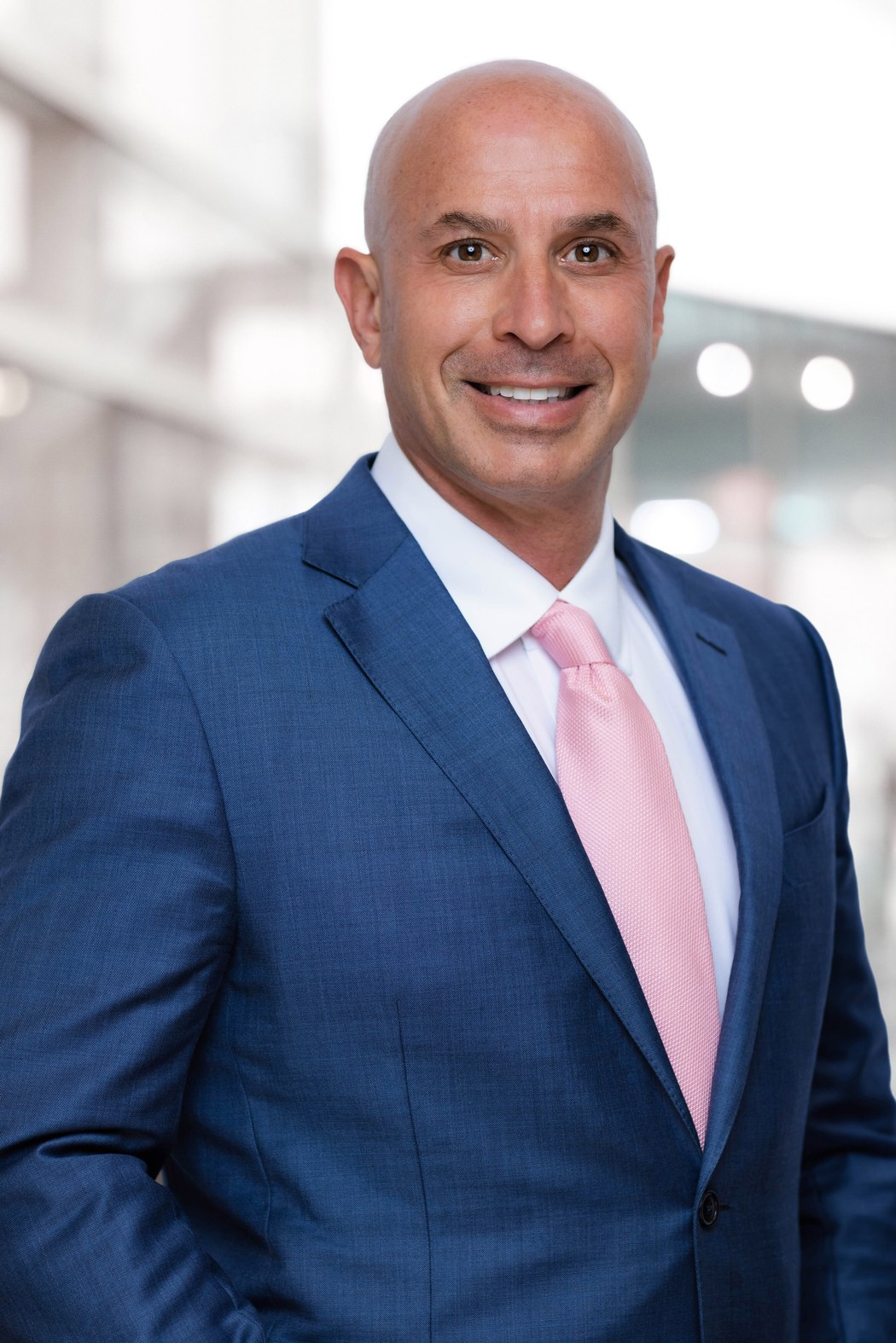
Neil Aaronson and the value of staying in the game
He chose finance after law school, returned to Chicago for family, and took charge of Hilco’s real estate business. Now Neil Aaronson is helping a collection of specialists work together on a larger stage.
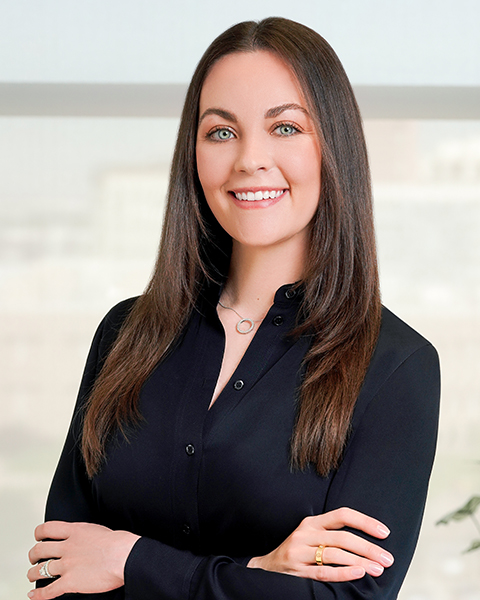
Nora Davis and the email that earned a reply
Before she led Elevation, Nora Davis sent a founder a note he chose to answer. Her path through deal sourcing now leads to a growing team in Austin, where the first conversation is part of the work.
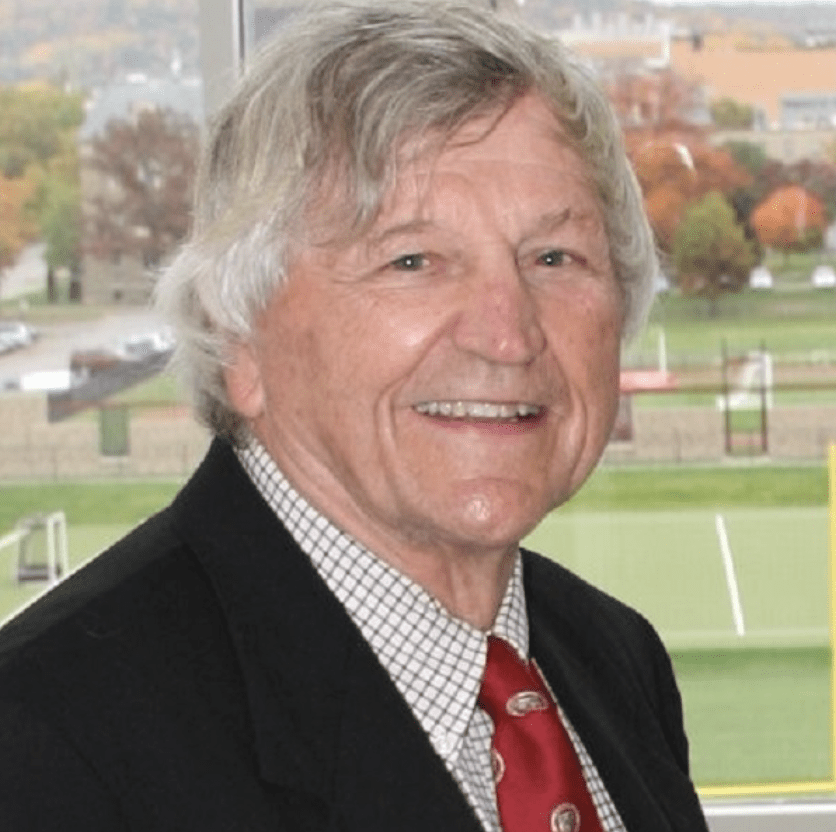
Tom Itin and the business of making things happen
From Mobil’s overseas offices to truck controls, golf stores and technology licensing, Tom Itin has spent his career working where a promising idea meets the practical business of getting it financed, built and sold.
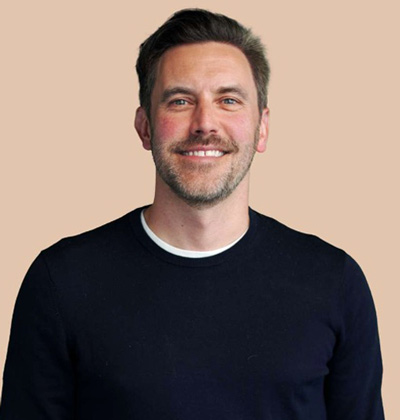
David MacCallum and the Art of Carrying More Than One Map
He trained to understand machines, studied the rules that govern companies, then took responsibility for making one grow. At Wunderkind, David MacCallum has built a career in the useful territory between disciplines.

The Biotech Firm That Put a Velvet Rope Around Investor Relations
Biotech has no shortage of science. It has a shortage of attention at exactly the moment attention becomes money. astr partners built a referral-only advisory firm around that bottleneck.
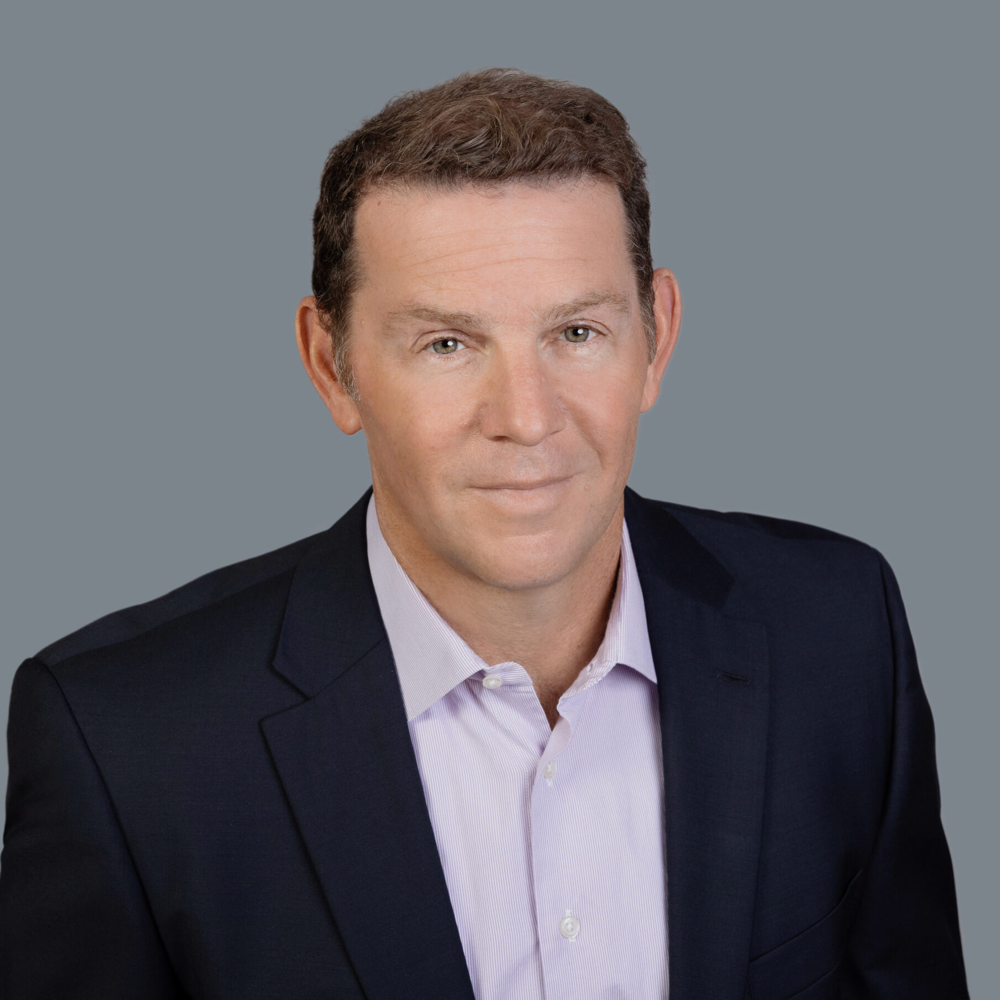
Iri Trashanski Has Spent His Career Moving Intelligence Closer to the Action
From flash memory to physical AI, the Ceva strategist has built a career around one question: where should intelligence live when the world cannot afford to wait? His other laboratory is a water polo pool, where every decision happens in motion.
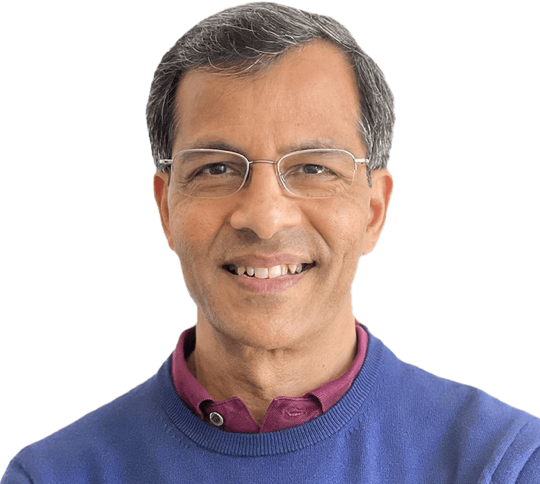
Shekar Ayyar Is Betting the AI Boom on the Part Nobody Sees
After helping VMware turn strategy into more than 60 deals, Shekar Ayyar chose a smaller stage and a harder problem: freeing networks from the boxes that contain them. Now AI is making his once-technical argument feel rather urgent.
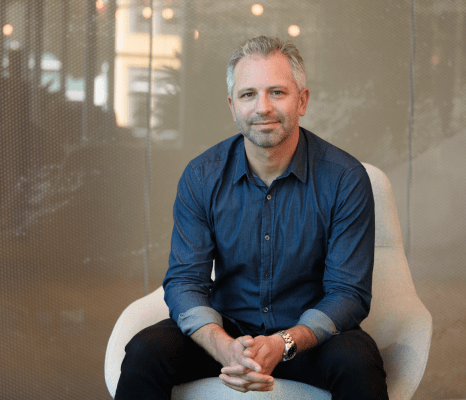
Brad Armstrong Has Spent a Career Making Software Companies Shake Hands
From AppExchange to Slack, Rippling and Lovable, Brad Armstrong has built a career around a quiet conviction: software gets more useful when companies learn to work together.
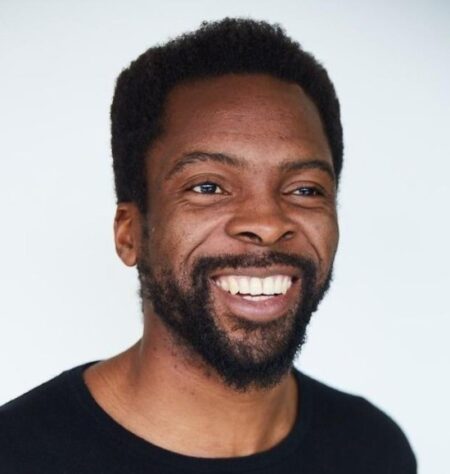
Brian Mokoro’s Career Has One Recurring Move: Learn the System From the Inside
Before finance, private equity and technology, Brian Mokoro taught ninth-grade algebra in Washington. His career since has been a study in entering complicated systems, learning their machinery and moving closer to where decisions get made.
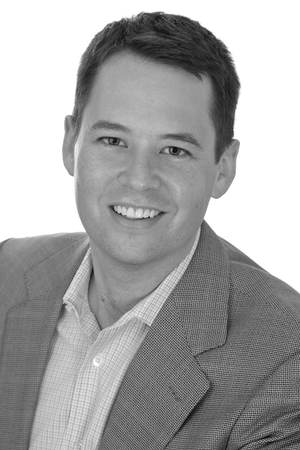
John Craighead’s Second Language Is the Business of Cells
He trained in cell biology, learned to read biotech through markets and corporate strategy, and now leads Syntax Bio as it turns a laboratory insight into a repeatable process.
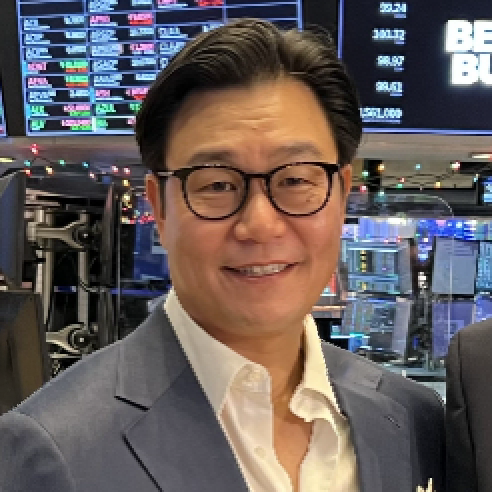
Alex Wang Is Taking AI Out of the Demo and Into the Lab
After two decades helping enterprise technologies find their market, NobleAI's CEO is betting that scientific AI wins only when chemists and engineers can understand it, check it and use it in the flow of real work.
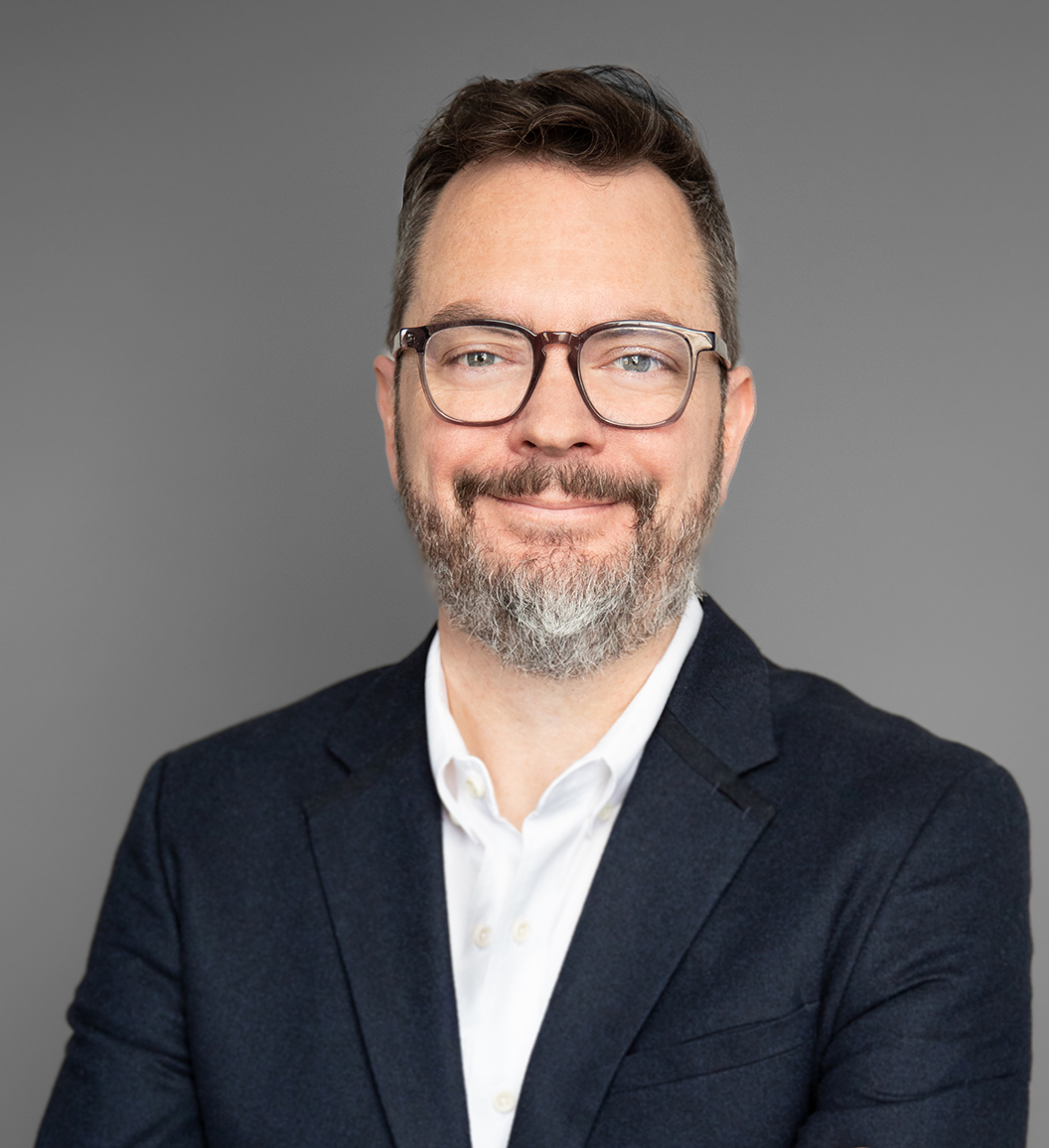
Adam Townsend
He spent two decades launching other people's medicines. Now he is running a biotech built to delete the antibodies that make patients sick - and taking the top job for the first time.
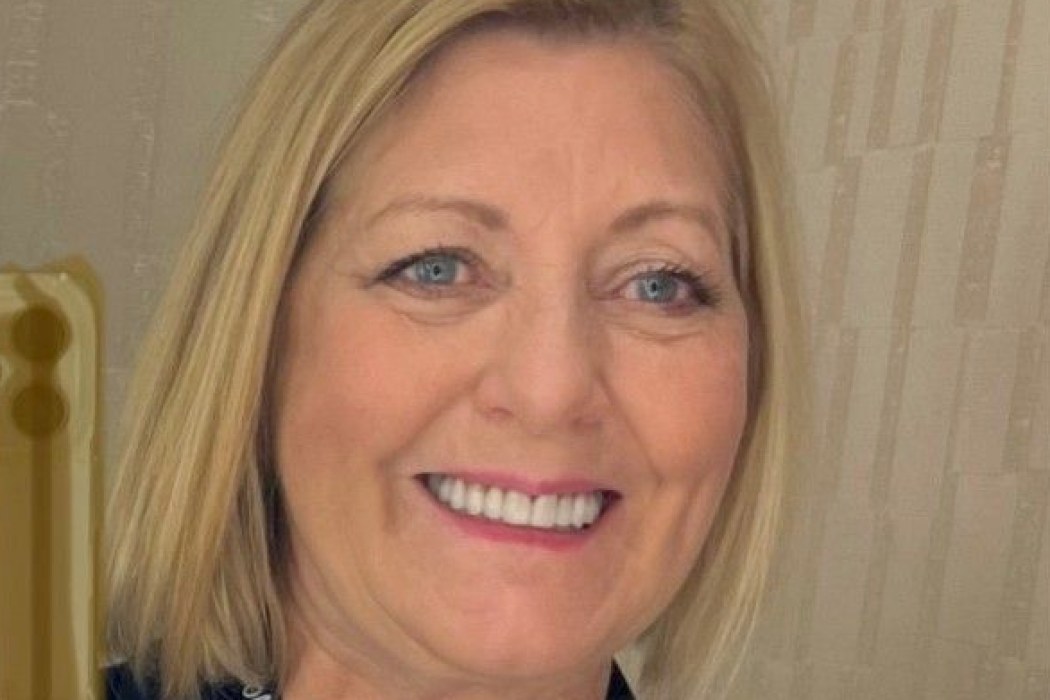
Elizabeth Czerepak
Elizabeth Czerepak is a life sciences finance executive with more than three decades in big pharma, venture capital, and public biotech. She is Chief Financial Officer and VP of Corporate Development at Mirror Biologics, a clinical-stage immunotherapy company in Wesley Chapel, Florida, where she also served as acting CEO from July 2024 to May 2025. Over her career she has helped raise hundreds of millions of dollars, taken companies public through IPOs and SPAC mergers, and worked on landmark pharma transactions including the search that led to BASF Pharma's sale to Abbott. She sits on the boards of Delcath Systems and TransCode Therapeutics.
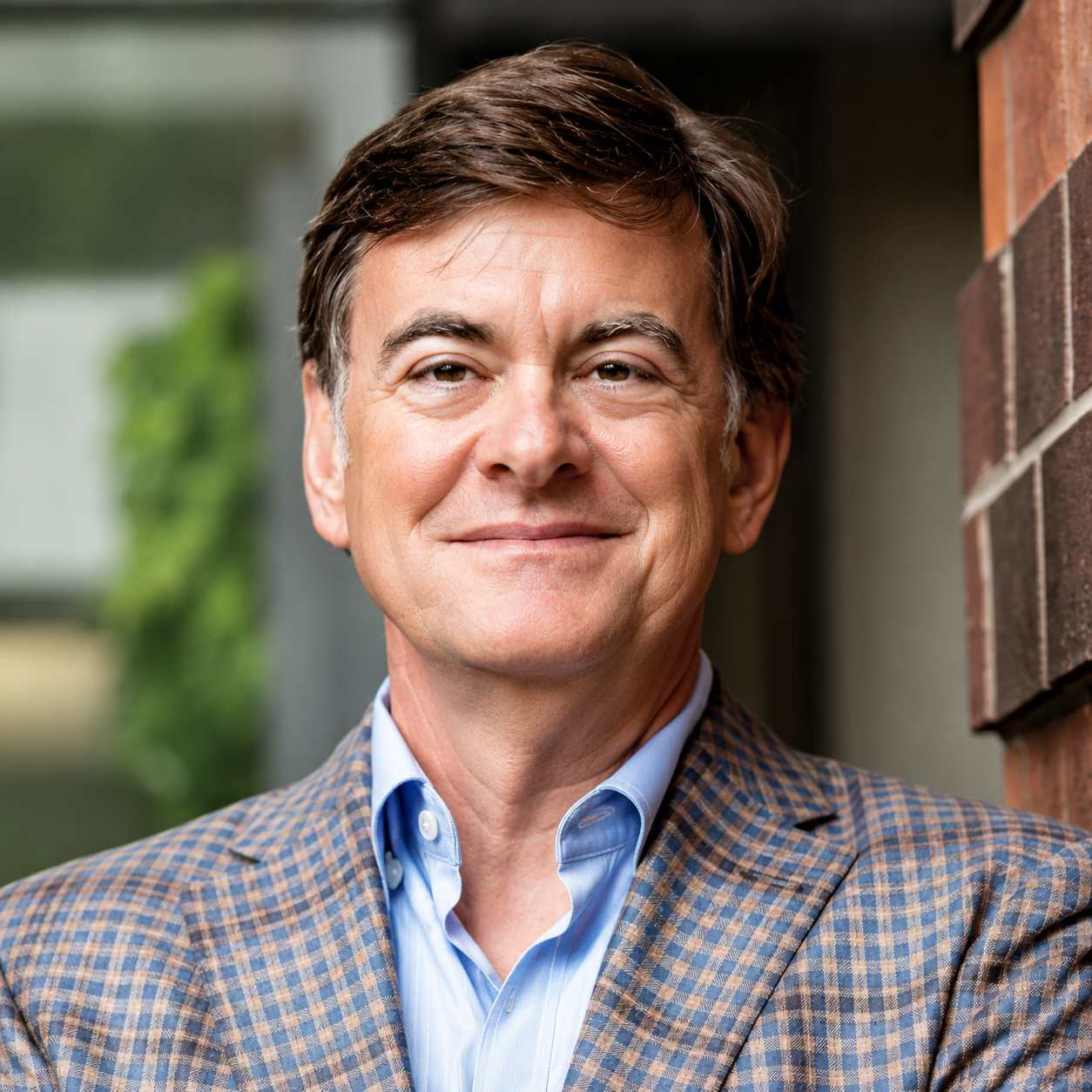
James O'Mara
James (Jim) O'Mara is the President and CEO of Neurogastrx, a Woburn, Massachusetts specialty pharmaceutical company developing oral therapies for gastrointestinal disorders. A pharmacist by training with decades in biotech, he was one of the original members of the LINZESS team at Ironwood Pharmaceuticals, where he rose to Senior Vice President of Corporate Development and drove licensing deals across the U.S., Europe, Japan and China. At Neurogastrx he raised a $60 million Series B and is steering the company's lead candidate, NG101, through clinical studies aimed at the nausea and vomiting that lead many patients to abandon GLP-1 weight-loss and diabetes medicines.
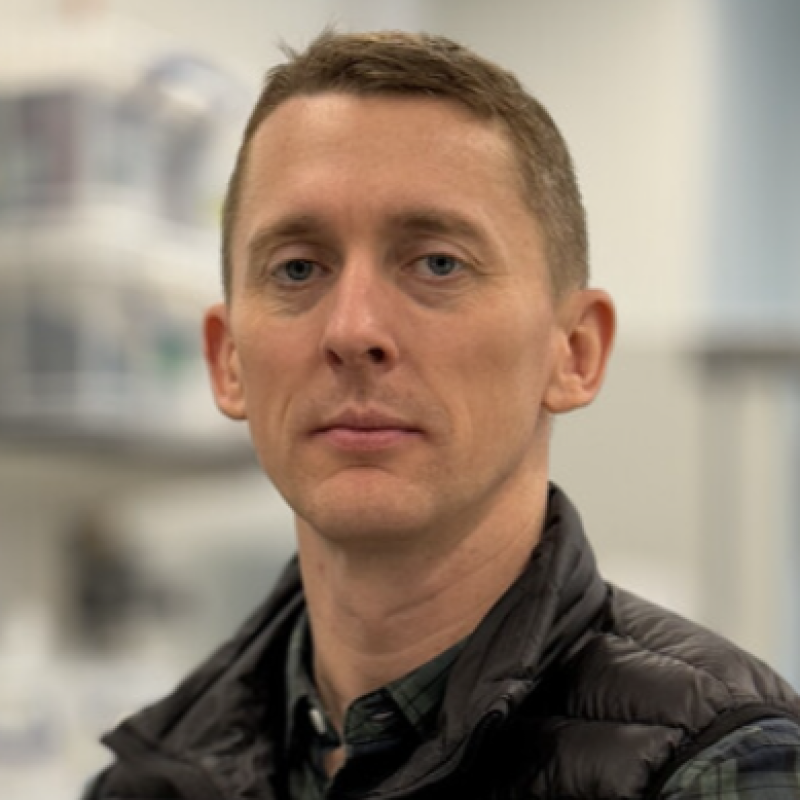
Kevin Walton
Kevin Walton is the Chief Executive Officer and Board Director of Baseimmune, a London-based biotech using AI and computational protein design to build next-generation vaccines and active immunotherapies. He joined in 2024 after a career in biotech corporate development and dealmaking at Moderna, StrideBio, Curis and G1 Therapeutics, and is steering the company beyond infectious-disease vaccines into chronic diseases, starting with a lead fibrosis program in idiopathic pulmonary fibrosis.
Scott Peterson
Scott Peterson is the Chief Business Officer of T-Cypher Bio, an Oxford-based biotech building next-generation TCR therapeutics for solid tumors and autoimmune disease. A Harvard-trained PhD who started his career at the lab bench as a medicinal chemist at Merck, he crossed over to the deal side and spent two decades shaping pipelines and partnerships at Intarcia, Spero, and Dewpoint Therapeutics before taking the commercial helm at T-Cypher. He is the rare dealmaker who can read both a term sheet and a reaction mechanism.