climate-finance
(17)
Marco Monroy and the business of making less count
A Colombian lawyer went to Beijing to talk about climate change and found himself negotiating for Diego Maradona. His longer wager has been turning carbon reductions and energy savings into investments that can stand on their own.
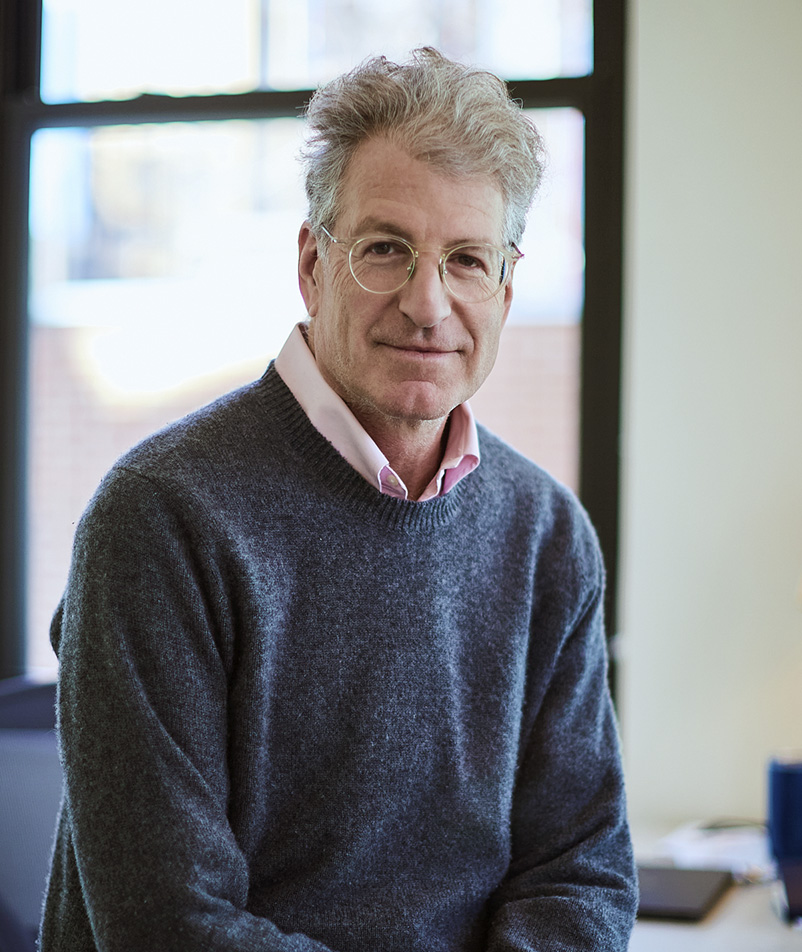
Peter Davidson and the distance between money and a working power plant
After running the federal government’s clean-energy loan office, Peter Davidson returned to New York with a practical question: how do you get capital to the projects ready to be built? His answer now spans solar fields, venture investments, and a Brooklyn landmark.

Craig Cogut and the distance between money and meaning
He co-founded Apollo, built Pegasus, and helped turn a hotel brand into a $300 million sale. Now Craig Cogut is working on a harder transaction: connecting private capital to the places that need it.
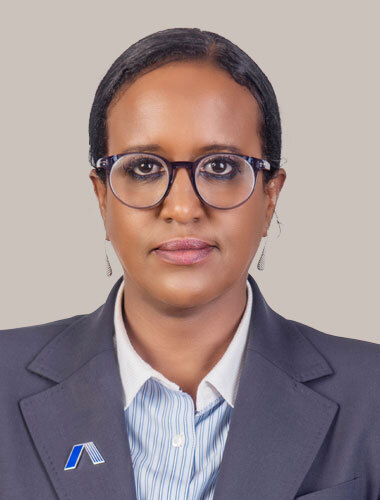
Ayaan Adam and the price of building for tomorrow
From a mathematics degree to climate finance, Ayaan Adam has spent her career connecting capital with development. At AFC Capital Partners, she is asking investors to account for the weather an African infrastructure project will face long after its opening day.
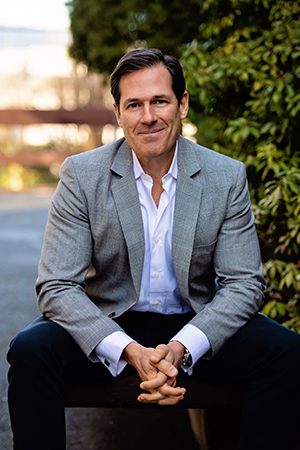
Fernando Alvarado and the missing piece of clean energy
A solar project can have sunshine, customers, and a willing bank - and still stall. From San José, Fernando Alvarado has built a career financing the gap between a promising plan and a working power plant.

The 30-Centimeter Pipe That Made Rice Visible
Mitti Labs did not invent a better way to irrigate rice. It built the field operation, measurement system and market that could make an old idea travel across thousands of tiny farms.
Luxembourg put its startup network under one roof
At the House of Startups, the neighbours include incubators, investors and potential customers. The bet: a shorter walk can help turn a young company into a working business.
Intellecap works on what money alone cannot fix
A ₹1 lakh experiment became an advisory business connecting entrepreneurs, investors and industry. Its work reveals how much has to happen before a good idea becomes a business someone will finance.

Terraformation Is Trying to Turn Forest Restoration Into an Investable Machine
The former Reddit CEO Yishan Wong found that planting trees was the easy part. Terraformation now packages seeds, software, training and patient capital into a bid to make native forests financeable - without flattening them into plantations.
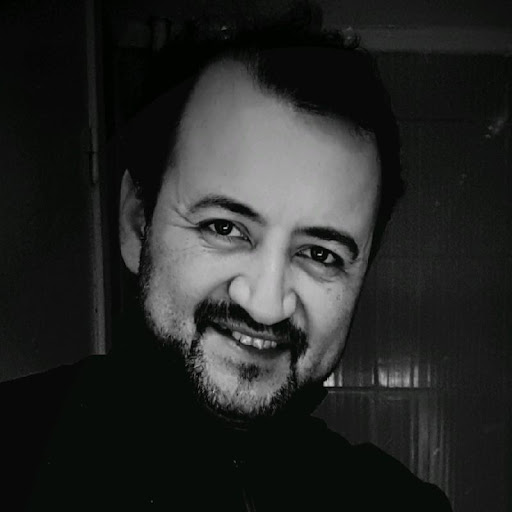
Eduardo Esparza Left the Growth Business to Finance What Grows Back
After two decades spent helping companies scale, the BlueDot Project founder made a deliberate turn: away from growth as the default answer and toward capital designed to restore land, water and community.

He Shrunk His Agency to Finance a Bigger Idea: Can BlueDot Project Make Regeneration Investable?
Eduardo Esparza left the comfortable agency script for a stranger assignment: make whole communities, watersheds and living systems legible to capital without flattening what makes them alive. BlueDot Project is the small firm testing whether that bridge can carry real weight.

Mast Reforestation Learned Planting Trees Wasn’t the Hard Part - Financing the Forest Was
Mast began with a fleet of seed-firing drones. Then it discovered the expensive truth: after a megafire, the real bottlenecks are native seed, nursery space, dead wood and patient capital - so it bought the supply chain and buried the business model underground.
The Climate Investor With an Unfair Advantage: Its Customers Are Already in the Room
Energy Impact Partners built a venture firm around a stubborn fact: energy startups do not scale on capital alone. Its coalition model puts the utilities and industrial companies that might buy, test and deploy new technology inside the investment platform.

Pathzero
Pathzero is a Sydney-based climate-tech company that builds a unified software platform for financial institutions to measure, share and disclose carbon emissions across public and private markets. Its data-sharing network connects asset owners with more than 500 fund managers, giving investors direct-from-source, audit-ready emissions data where information has historically been hardest to obtain - private markets. Founded in 2020 inside the Antler incubator, Pathzero has grown into what it describes as the world's largest private-markets carbon emissions data network.

Varaha
Varaha is an India-based climate-tech company that builds high-integrity carbon removal projects in the Global South. Working with roughly 170,000 smallholder farmers across about 1.7 million acres, it generates verified carbon credits through four pathways - regenerative agriculture, agroforestry, biochar, and enhanced rock weathering - and quantifies the results with a measurement, reporting and verification (MRV) platform powered by remote sensing, machine learning and field science. Its credits are bought by buyers like Google, Microsoft, Lufthansa and Swiss Re.
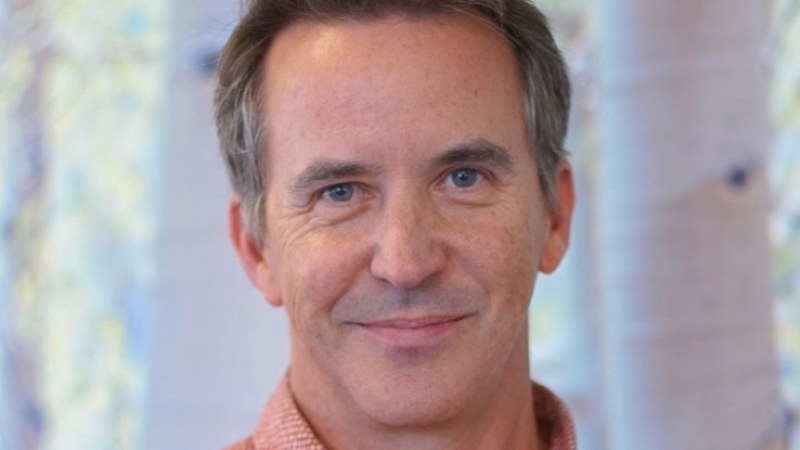
Eric Faurot
Eric Faurot is the long-serving CEO of Trellis Group (formerly GreenBiz Group), a B2B media company headquartered in Oakland, California that runs flagship sustainability conferences including VERGE, BLOOM, GreenFin, and Circularity. Over 14 years at the helm, he built GreenBiz into a leading platform for sustainability professionals - combining editorial media, peer networks, and live events - before transitioning to a Growth Leader role in July 2024 when Hana Kajimura succeeded him as CEO. His career traces an arc from tech media event production (COMDEX, INTEROP, Black Hat) to climate and sustainability, making him a rare figure who bridged Silicon Valley-era conference culture with the emerging sustainability economy.
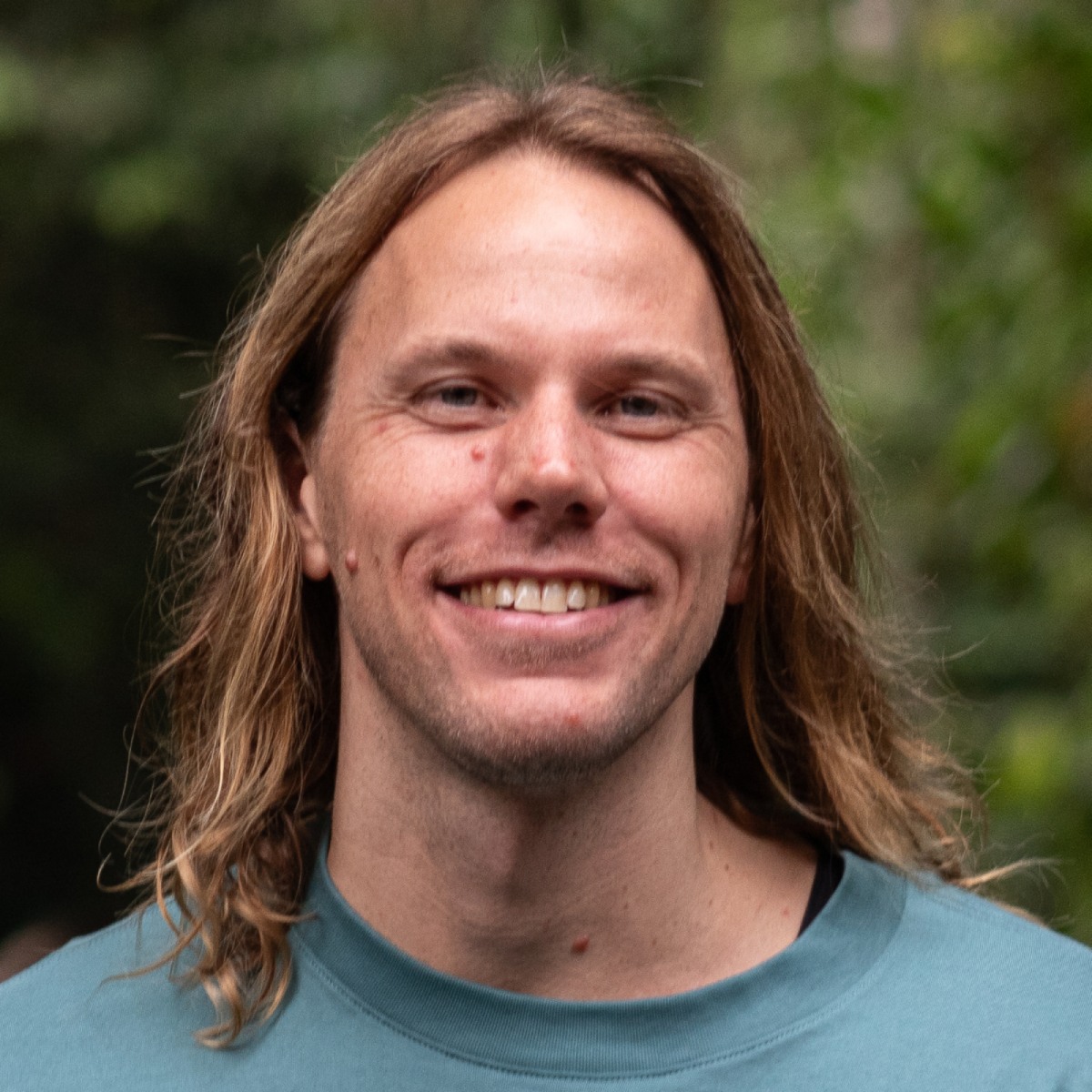
Troy Carter
Troy Carter is the CEO and Co-Founder of Earthshot Labs, a Sebastopol, California-based climate tech company that uses AI-driven ecological modeling, satellite data, and geospatial analysis to develop, finance, and verify nature-based carbon projects at planetary scale. Before founding Earthshot in 2020, Carter co-founded RIZOME, a bamboo building materials company, and was an early employee at Airbnb. Raised on St. Croix in the U.S. Virgin Islands and educated at Stanford, he brings a rare combination of entrepreneurial grit and ecological urgency to the carbon markets, with Earthshot managing 50+ client projects across more than one million hectares and directing $55M+ in project financing.