civic-engagement
(20)
The League Found the Voters Hiding in Plain Sight
The League treats culture as civic infrastructure. Its wager is simple: the right storyteller can make a court race, a care-work policy or a documentary feel less like homework and more like something worth passing along.
The City’s Quiet Switchboard
JCRC-NY’s product is not a press release. It is the relationship that already exists when a school, synagogue, City Hall or neighborhood leader suddenly needs the right person on the phone.
The Firm That Learned to Count Wins, Not Headlines
For 45 years, a Chicago communications firm has treated public opinion like a campaign: define the win, find the people who matter, and never mistake a busy day for a useful one.

The Muslim Voice With One Foot on Capitol Hill and the Other in Hollywood
For nearly four decades, MPAC has worked a two-room strategy: influence the rules in Washington, then influence the stories in Hollywood. The bet is that representation needs both policy and plot.
The Firm City Hall Calls Before the Phones Start Ringing
Tripepi Smith built a communications business around an overlooked customer: the lean public agency with no room for a bad sentence. Its most useful lessons begin with a seven-hour alert, a global news frenzy and a municipal retainer that learned to bend.
People Powered wants democracy to come with instructions
From city budgets to campus AI rules, People Powered helps communities get a say in decisions that affect them. Its bet: practical guidance, patient mentors and a little funding can turn participation into policy.
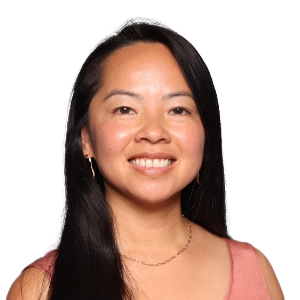
Wendy Nguyen Knows How to Turn a Message Into a Movement
The Hello Heart CMO has spent two decades learning what makes people act. Now she applies the same discipline to companies, civic campaigns and a long game for Asian American political power.
CivicPlus Wants to Be the Operating System for City Hall
It began with four cities that were tired of calling a webmaster. Twenty-eight years later, CivicPlus is stitching websites, permits, potholes, public records and AI into one sprawling bet: that city hall would rather buy a connected system than babysit a dozen vendors.
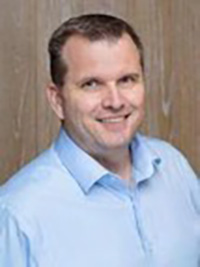
Bill Weeshoff Is Making an Old Bank Feel Present Tense
After three decades selling ideas, places and institutions, First Hawaiian Bank’s marketing chief has learned that a legacy brand stays relevant by showing up in the life of its community.
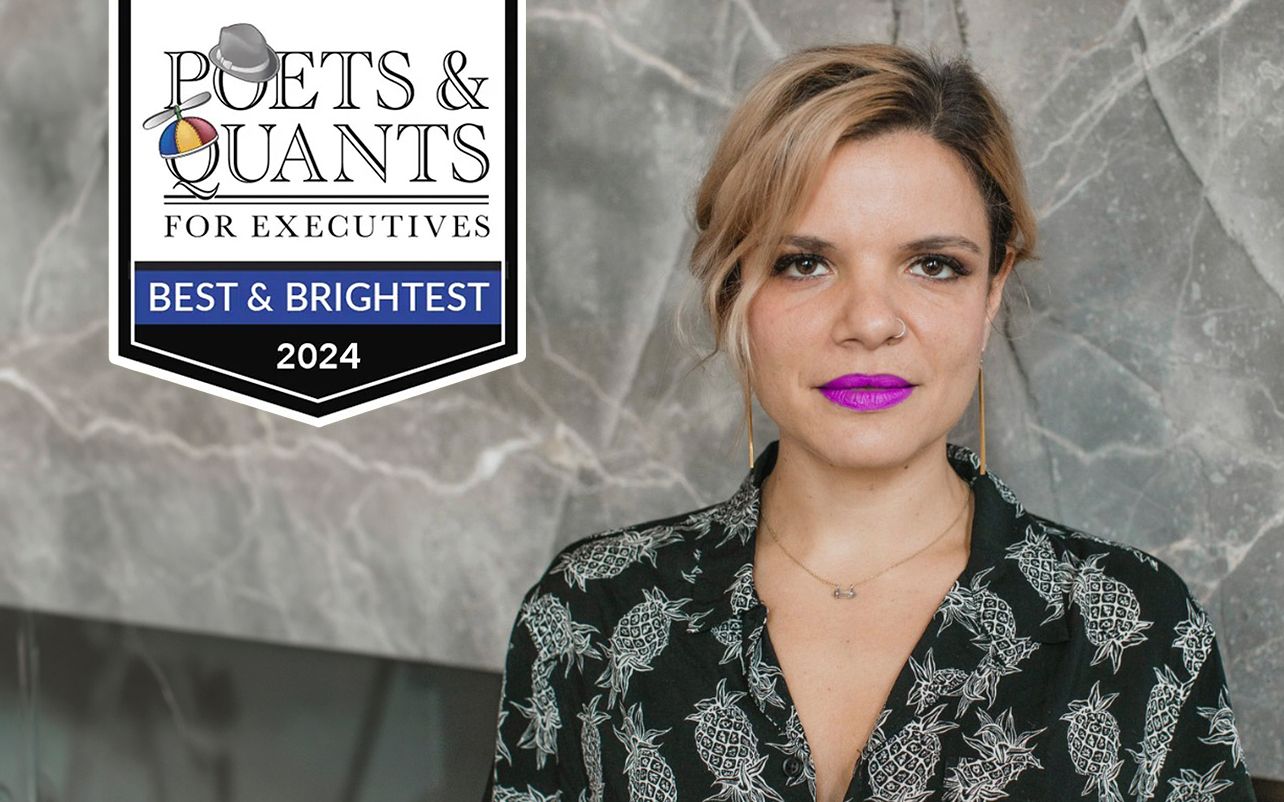
Liz Castelli Knows How to Keep a Room - and a Voting Line - Moving
She began as a science teacher, built an events company from $600, negotiated its sale from a schoolhouse in the Amazon, and now brings an operator's eye to Pizza to the Polls. Her real medium is not décor. It is momentum.

Danielle Weisberg Built a Media Habit - Then Knew When to Leave It
She and Carly Zakin turned a 6 a.m. email into a company, a community and an exit. The useful lesson is smaller: meet people inside the life they already have.
theSkimm Built a 5 Million-Woman Habit. Then the Ad Market Sent a Wake-Up Call
Two former TV producers turned a $4,000 couch project into a daily ritual for millions. The clever part was never the email itself - it was owning a useful moment in the reader's day, then learning the hard way that habit and revenue are not the same thing.

How Free Pizza Became a Weapon Against Long Voting Lines
It began as a weekend lark before the 2016 election. Four cycles later, Pizza to the Polls has fed voters at thousands of polling places in all 50 states - and turned the misery of a long line into something people actually share.
The Billionaire-Backed LLC That Refuses to Pick Just One Lever
Emerson Collective can write a grant, take an equity stake, convene a coalition, or back a story. That flexibility is its product - and its central bet on how difficult public problems get solved.

Zencity
Zencity is a govtech company that builds the leading platform for community trust, purpose-built for local government. It combines AI-driven social listening, statistically representative resident surveys, and communication tools to help cities, counties, and public safety agencies understand what residents think and turn that input into decisions, budgets, and policy. Founded in 2016 and headquartered in New York and Tel Aviv, Zencity works with more than 600 government agencies and has raised roughly $93M in venture funding.
Generation Citizen
Generation Citizen is a national nonprofit that brings action-oriented civics education into middle and high school classrooms. Founded as a 2008 student project at Brown University, it partners with schools and districts to run a project-based curriculum in which students identify a local issue, research it, and take real civic action - then present their work at community 'Civics Day' showcases. The organization also advocates for state and federal policy that funds equitable civic learning. It has reached more than 250,000 students and, in recent years, serves roughly 25,000 students annually across 150+ schools in eight states.
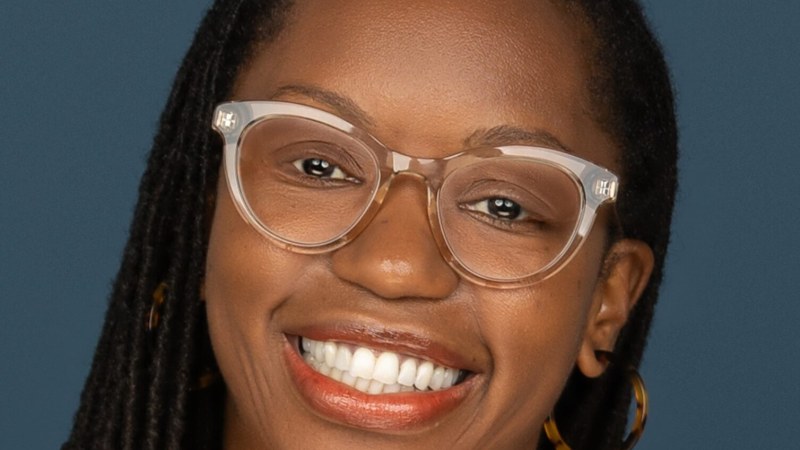
Elizabeth Roy
Elizabeth Clay Roy is the CEO of Generation Citizen, a national nonprofit that partners with schools to teach 6th-12th graders Action Civics - hands-on, project-based democracy. A Columbia-trained urban studies graduate who campaigned door to door in Boston before she could vote, she has built a career across grassroots organizing, government, and economic-mobility work, from co-authoring an urban planning guidebook in Bangalore to co-creating the Opportunity Index and leading TakeRoot Justice in New York. She frames her work through 'critical patriotism' and insists young people are 'partners and problem-solvers, not citizens in waiting.'
BallotReady
BallotReady is a Chicago-based civic technology company behind the nonpartisan online voter guide at ballotready.org - the place you go before you vote. It gives Americans tailored, trustworthy information on every candidate and referendum on their ballot, all the way down to school boards and water reclamation districts, plus tools to register, find a polling place, and make a plan to vote. Through its CivicEngine platform and API, BallotReady also powers voter registration, candidate recruitment, and turnout campaigns for organizations, brands, and nonprofits. Founded in 2015 out of the University of Chicago, it has helped tens of millions of voters and was acquired by Civitech in May 2025.

Change.org
Change.org is the world's largest online petition platform, letting anyone start a campaign, gather signatures, and pressure decision-makers on social, political, and consumer issues. Founded in 2007 by Ben Rattray, it now reports more than 580 million users worldwide. The platform operates as a public benefit corporation and, since 2021, is wholly owned by the nonprofit Change.org Foundation. Its stated mission is to empower people everywhere to create the change they want to see and to shift the balance of power between individuals and large institutions.

Ben Rattray
Ben Rattray is the founder and Executive Chair of Change.org, the world's largest platform for social change. He started it in 2007 with a borrowed $1,000 after his brother's coming-out reframed how he thought about bystanders and responsibility. What began as a social network for activists became a petition engine that has grown to hundreds of millions of users worldwide, turning ordinary signatures into pressure on corporations and governments. Named to TIME's 100 Most Influential People and Fortune's 40 Under 40, Rattray has spent his career trying to shift the balance of power between individuals and large institutions.