Imagine that you need to explain a state supreme court election. You can begin with jurisdiction, precedent and the composition of the bench. This is accurate, worthy and an excellent way to watch a room discover its ceiling. Or you can ask the person who already has the room's attention.
In 2024, The League recruited more than 60 lifestyle influencers in Ohio and Michigan for a three-month series about state courts. They were not made to impersonate constitutional scholars. They did what trusted creators do: connected an abstract institution to the matters their own communities already discussed. The result, according to The League, was more than 245 pieces of content and a reach above 16 million.
This is the small New York nonprofit's essential insight. Public life is full of messages written from the speaker's point of view. The League starts at the other end - with the audience, its habits, its humor and the person it already believes.
Politics, without the political voice
The League calls itself a social-impact collective. That slightly elastic phrase suits the work. It is part audience-research shop, part creative studio, part influencer network, part documentary impact producer and part coalition builder. Its clients and collaborators include filmmakers, foundations, advocates, entertainment companies, brands and sports teams. The public is not exactly the customer. It is the audience whose attention all those institutions have trouble earning.
The organization says its proprietary research combines cultural and political data. It then turns the findings into stories, creator partnerships, live programs and calls to action. Its curated network includes more than 200 influencers. The number matters less than the curation. A creator is useful here not because she has a vast following, but because a particular group has granted her permission to interpret the world.
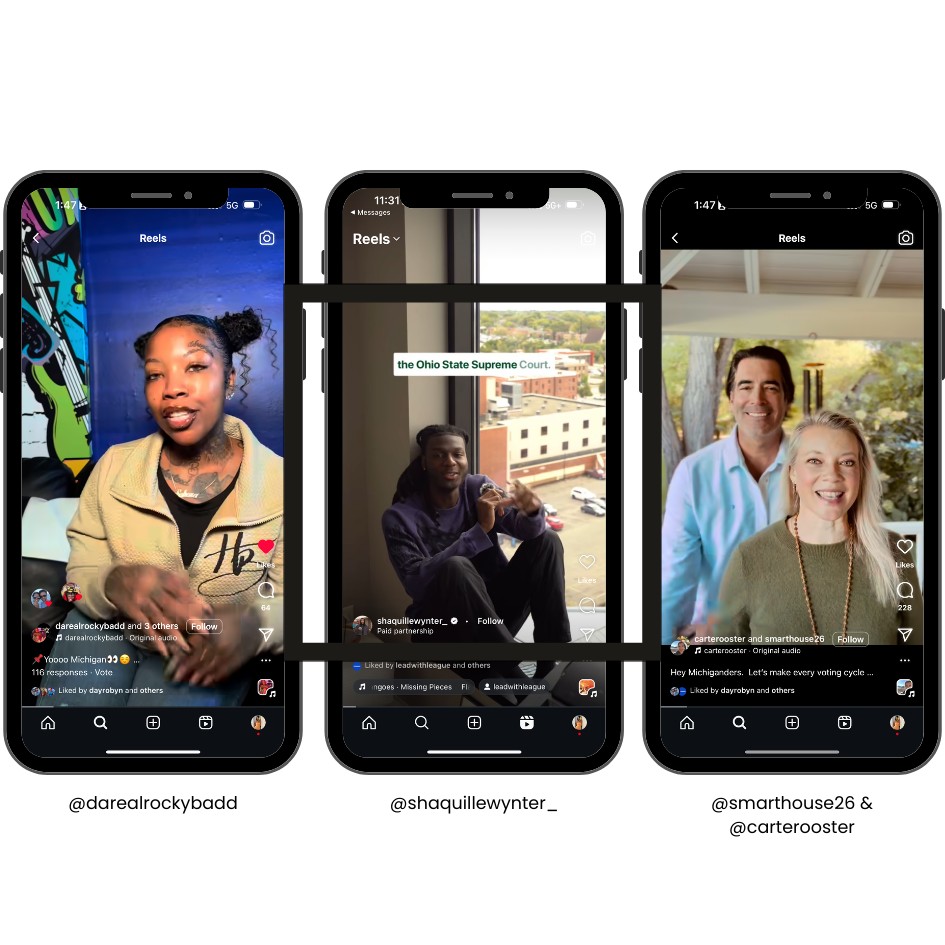
“Culture moves people - and people move policy.”Tracy Sturdivant, co-founder and CEO
Sturdivant came to this belief through organizing, philanthropy and campaigns. Before The League, she co-founded Make It Work, a three-year effort that pushed child care and paid family leave into the 2016 political conversation. That campaign mixed advocacy with culture - including an Issa Rae short film and an Iowa State Fair activation - and reported reaching nearly 30 million people. The League, formed in 2018, made the method into an institution.
The useful part is the order
A study of documentary impact work captured Sturdivant describing the choice behind another campaign. The usual audience for a political documentary was not necessarily the audience the film needed. The team invested in building an Instagram community, mapped the people it hoped to reach and used micro-influencer mothers to carry the story. The sequence is the product.
Anyone can copy that order. A local library could use it. So could a health department or a museum. Begin with the people whose imagination must move. Learn what they already watch and who makes sense to them. Give that messenger room to sound human. Then offer an action proportional to the trust you have earned.
The conditions matter. This approach is weak when the messenger has no authentic relationship with the subject, when an institution insists on approving every syllable, or when reach is treated as proof of changed behavior. It also cannot rescue a policy that harms the very audience being courted. Cultural fluency is not a coupon for credibility.
A film is not finished at the credits
The League's documentary work shows what the studio adds beyond promotion. For When Claude Got Shot, a film about gun violence, punishment and repair, the impact campaign moved into community screenings, a youth-designed Milwaukee mural and Courtside Conversations with young men and NBA partners. For The Rebellious Life of Mrs. Rosa Parks, the campaign worked against the tidy schoolbook version of Parks as a tired seamstress who happened into history. It emphasized the lifelong organizer, the radical and the Black women continuing her work.
The distinction is between marketing a story and giving it somewhere to go. A trailer asks for a view. An impact campaign asks what should become possible after the view. The League's services - narrative advising, audience research, partnerships, creator content and events - are arranged around that second question.
The conversation before the campaign
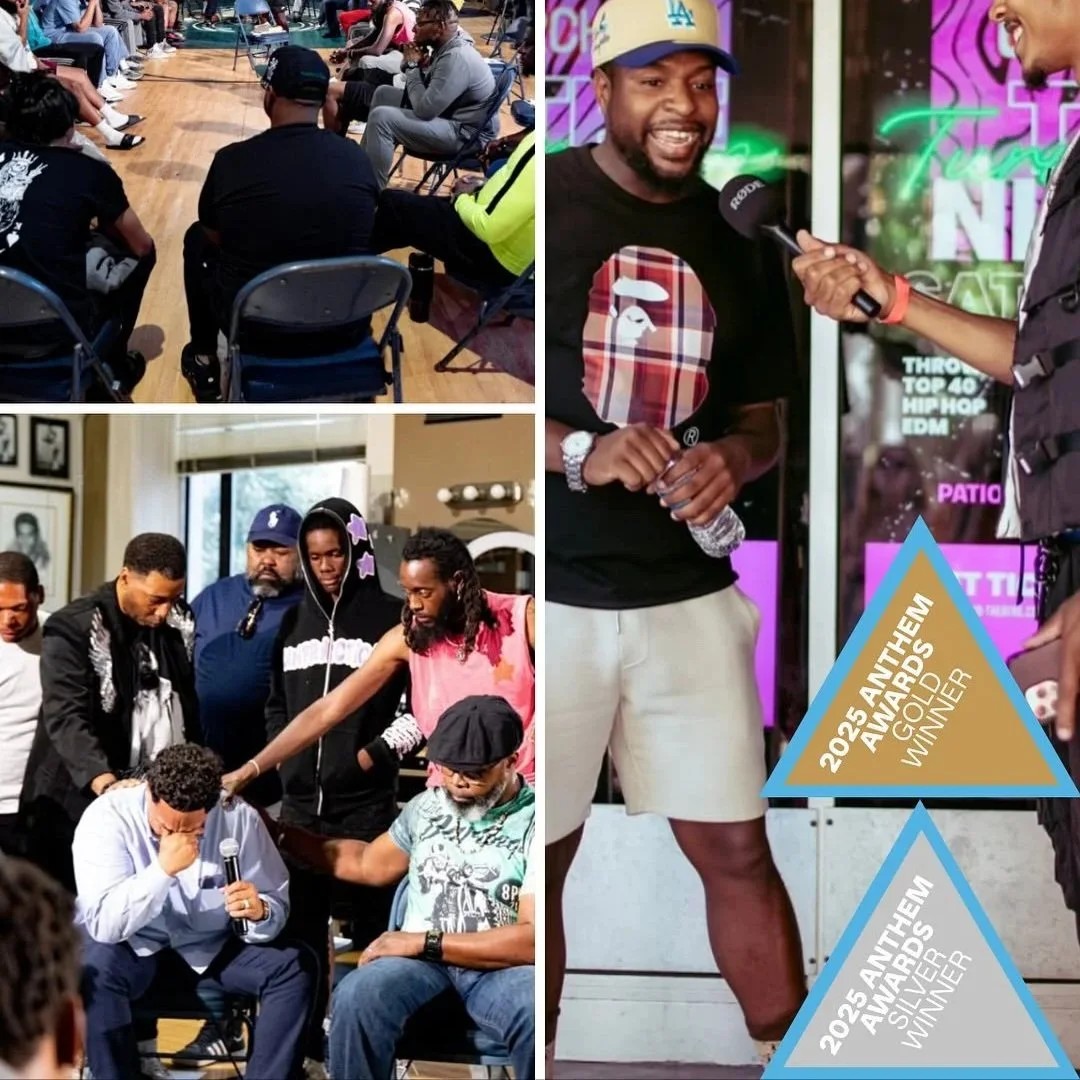
Black on Purpose, launched in fall 2024, is perhaps the cleanest example. Built by and for Black men in Detroit and Milwaukee, it created space for unvarnished conversation about civic engagement, gender, leadership and neighborhood life. The League says the platform followed years of community building and research. More than 150 pieces of content reached 1.2 million people.
There is restraint hidden inside those numbers. The project did not begin by telling an audience what it lacked. It began with the premise that the audience already possessed insight, contradiction and cultural authority. This is different from merely putting a fashionable face on an institutional memo. The community supplies the texture of the work.
The same logic travels into less obvious settings. The League helped develop Spotify's Party Code, turning an airy promise of inclusion into practical norms about consent, safety and shared space. The Essential Campaign, made with the National Domestic Workers Alliance, paired care-worker advocacy with short films and talent including Angela Bassett and Sherri Shepherd. A collaboration with SheaMoisture and Monkeypaw Productions put representation in hair, skin tone and Hollywood on the Essence Festival stage.
Where this little shop fits
The League sits between several businesses that usually live apart. Public-affairs firms understand policy but often sound like public-affairs firms. Influencer agencies can buy distribution but may lack movement knowledge. Documentary marketers can sell a premiere while leaving the public life of the film unplanned. Advocacy groups know the stakes but may speak mainly to people who already agree.
The League's difference is the bridge: movement experience on one side, popular culture on the other, audience evidence underneath. Its business appears to be custom and project-based, funded through partnerships and nonprofit support; standard fees, campaign budgets and revenue are not public. That makes it less a packaged product than a specialist studio. Organizations bring a hard issue, a story or a constituency they cannot quite reach. The League designs the route between them.
The work is a fit when trust is the scarce resource.
It is most useful for a film that needs a public life, a movement that needs to reach beyond its regulars, or a brand with real commitments and little license to speak alone. It is less useful when the only objective is impressions, the creative must be tightly scripted, or the partnership has no room for community influence.
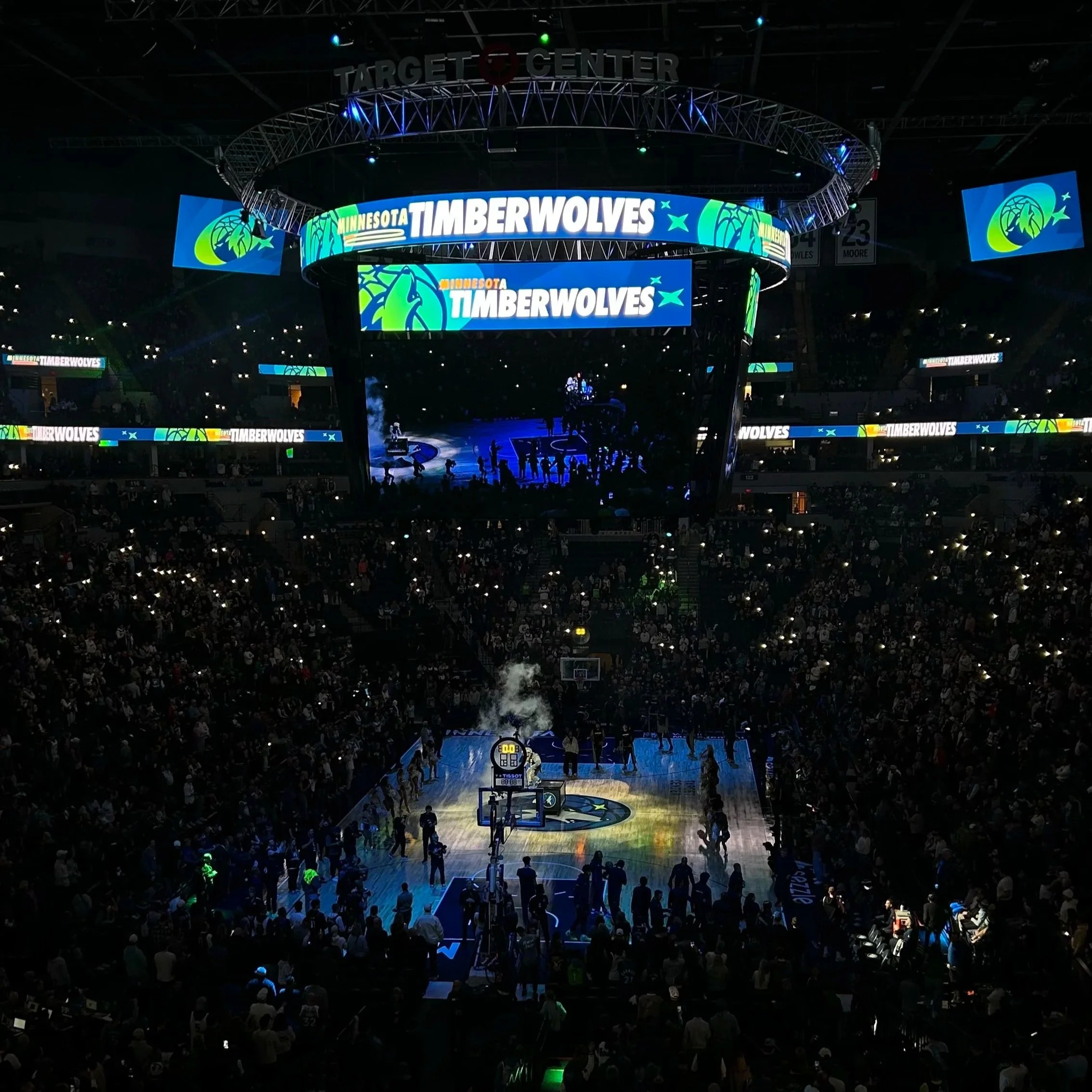
The latest experiment makes that bridge literal. Game4Good Minnesota brings together the Timberwolves, Lynx, Vikings, Don't Follow the Wave, civic leaders and creatives around community healing, belonging and a wider pipeline of diverse talent in sports. A stadium is not a town hall. That is the point. People have already chosen to be there.
In September 2026, Sturdivant is due to become president and CEO of the Ms. Foundation for Women. The League says co-founder and chief operating officer Becca Rueble will take the lead. The transition gives the organization the test every founder-shaped shop eventually meets: whether its method can outlast its most visible maker. The encouraging clue is that the method was never built around a single voice. It was built around finding the voice an audience had already chosen.