She runs the nonprofit that hands a generation of teenagers the most radical tool in the building - a working democracy they get to use today.
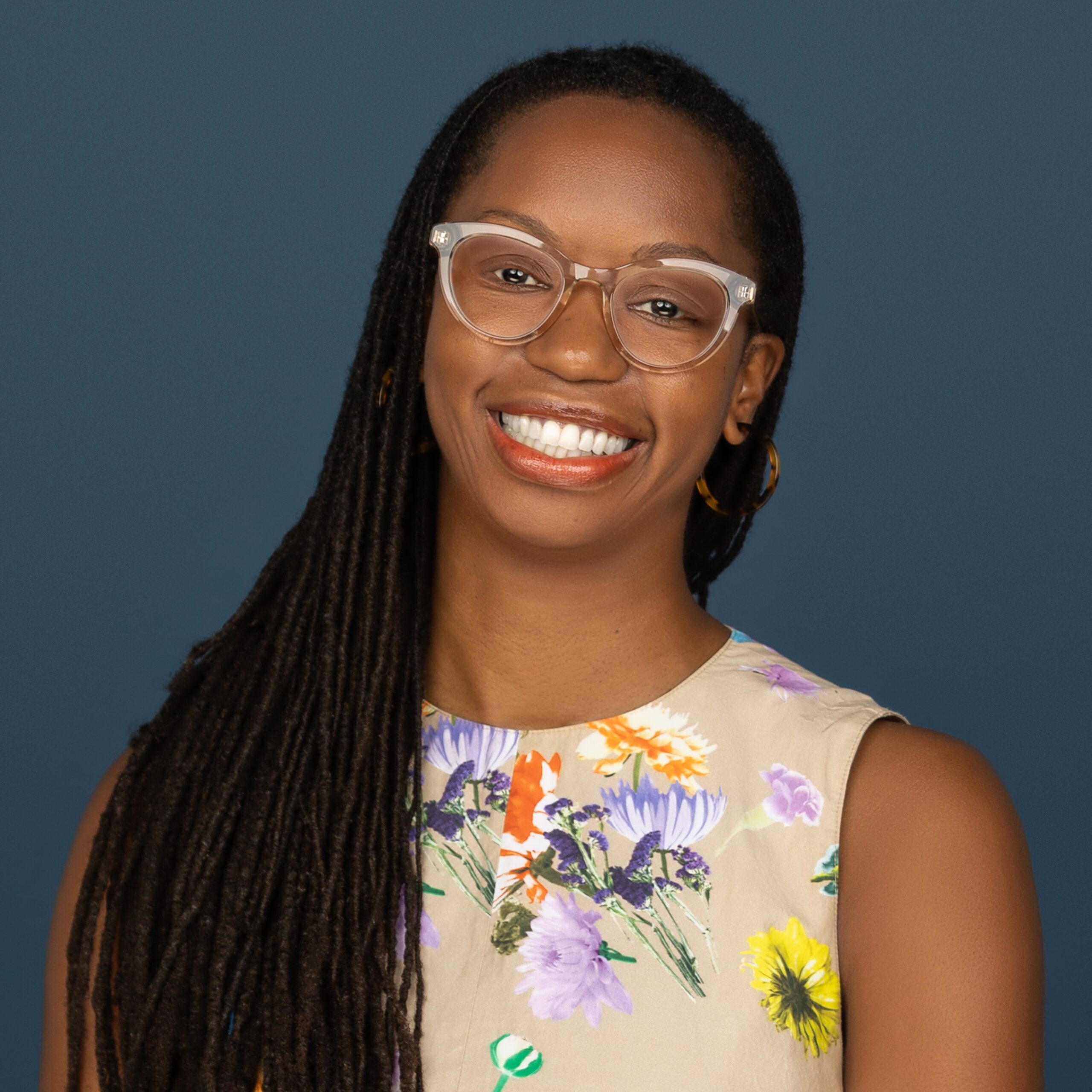
Walk into a Generation Citizen classroom and the civics looks nothing like the textbook. There's no quiz on the three branches. Instead a room of sixth-to-twelfth graders is arguing about a busted crosswalk, a school dress code, a missing bus route - and then drafting a plan to actually change it. That is Action Civics, and Elizabeth Clay Roy is the person scaling it across the country.
As CEO since January 2021, Roy leads a national nonprofit on a simple, stubborn bet: that you don't learn democracy by reading about it any more than you learn to swim by reading about water. Her strategic plan puts racial equity at the center and treats young people as what she insists they already are - partners and problem-solvers, not citizens in waiting. The phrase is hers, and it doubles as the whole thesis.
The work is having a moment because the moment demands it. Trust in institutions is thin, civic knowledge is patchy, and the loudest debate about young people tends to talk over them. Roy's answer is to hand them the microphone and a real assignment: pick a problem in your own community, and go fix it.
Role: CEO, Generation Citizen
Based: New York, NY
School: Columbia College '02, Urban Studies
Big idea: Action Civics + critical patriotism
Honors: EBONY Power 100, Black Voices for Black Justice, 1954 Beacon Award
Long before the title, there was a kid going door to door for candidates in Boston - too young to vote, too curious to wait. She was so relentless on voter registration drives that PBS's In the Mix picked her to lead youth coverage of the 2000 Presidential election. The pattern was set early: don't watch the civic life of the country, get inside it.
At Columbia, she arrived planning to major in political science. Older students nudged her toward urban studies - cities, they argued, were where the real questions actually lived. She took the advice and never looked back, later describing her college years, with a grin, as "Living Single meets Seinfeld." A constituent-services internship for Senator Ted Kennedy taught her something she still cites: people will tell the truth about their lives to someone they trust is listening.
Then came the passport years. Studying and volunteering in Ghana, Brazil, South Africa, and India did the quiet, permanent work of dismantling her assumptions about American exceptionalism and showing her how identity gets socially constructed. In Bangalore she worked on participatory governance with Janaagraha and co-authored Shaping Vibrant Cities, a guidebook on community-led urban planning. The throughline from all of it: ordinary people, given real tools, can plan and run the places they live.
Her resume reads like a tour of the places where citizens and power meet - a statehouse, a national mobility campaign, a South Bronx classroom, a legal-services nonprofit. The job titles change. The assignment does not.
With research partner Measure of America, she helped build a first-of-its-kind map of who actually gets a shot at economic mobility - state by state, county by county. You can't fix what you refuse to measure.
A guidebook on community-led urban planning, drawn from her participatory governance work in Bangalore. The premise: residents are the experts on their own streets.
At Generation Citizen, civics stops being a memory test and becomes a project. Students name a local problem, build a campaign, and practice the muscles democracy actually requires.
A cradle-to-college collective-impact partnership she co-led at Phipps - stitching schools, families, and services into one strategy for student success.
As Executive Director, she steered a New York organization that backs grassroots organizers and delivers legal services to thousands of clients each year.
Inside Governor Deval Patrick's office, she worked to make state government something residents could reach into, not just read about.
She arrived at Columbia for political science and walked out an urban studies major - on the say-so of older students who told her cities were where the real questions lived.
Her guiding idea, "critical patriotism," comes straight out of Langston Hughes's poetry.
She was knocking on doors for Boston candidates before she was legally old enough to vote for any of them.
PBS once handed a teenage Elizabeth the assignment of covering a U.S. presidential election.
Interning on constituent services for Senator Ted Kennedy taught her that people open up to someone they trust is really listening.
She has summed up her college life as "Living Single meets Seinfeld."