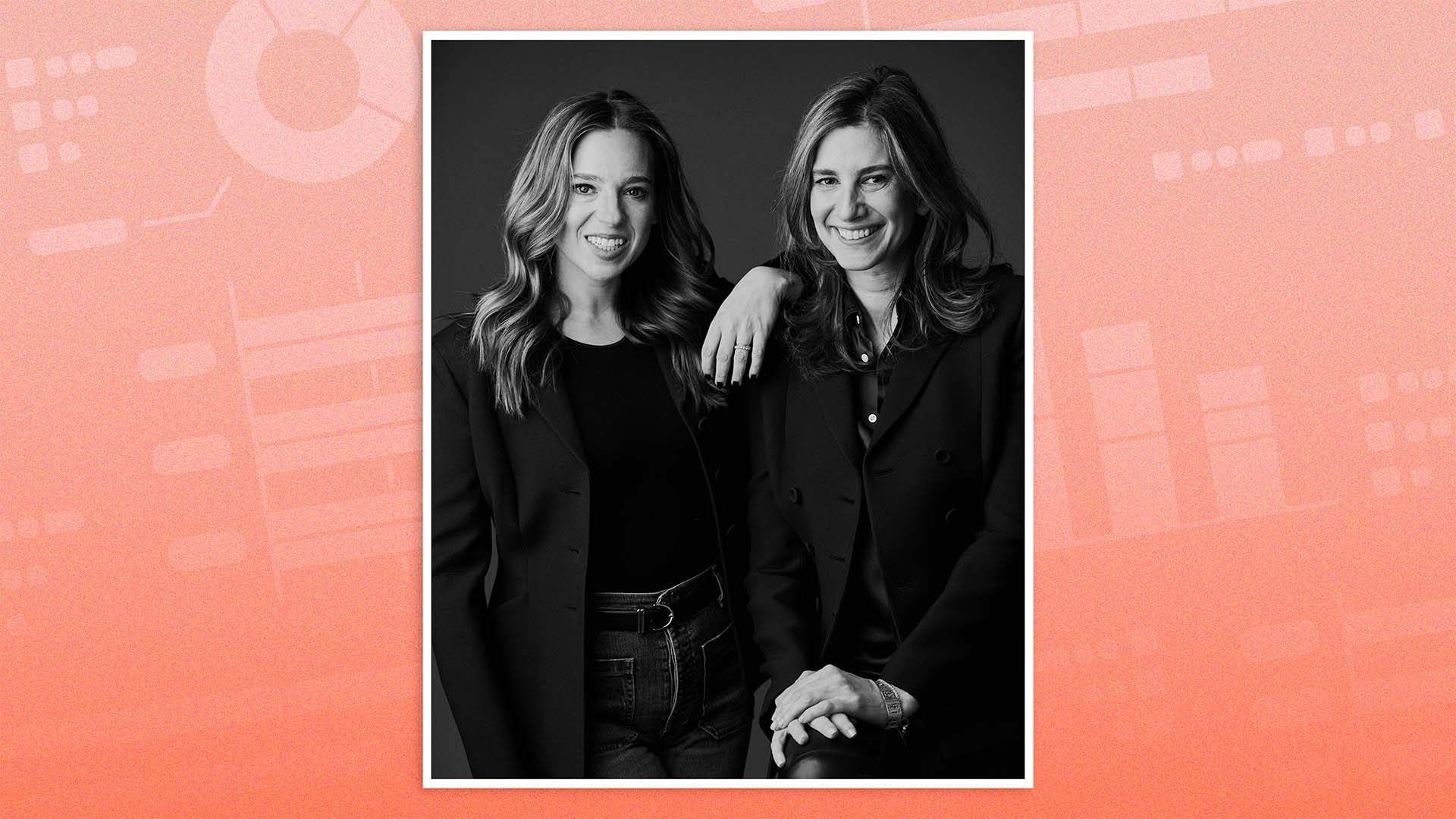
The first edition of the Daily Skimm did not arrive with a launch film, a media budget or a famous venture capitalist waiting in the wings. It arrived by email. Carly Zakin and Danielle Weisberg, two former NBC News producers and New York roommates, had quit their jobs, pooled roughly $4,000 and written a concise digest for the sort of person they knew intimately: a smart, busy young woman who wanted to understand the news but did not plan to organize her morning around cable television or a stack of homepages.
They sent it to a few hundred contacts in July 2012. The exact launch-list number changes with the telling, which is fitting for a company built on forwarding. The important number was one: one dependable email, delivered at one repeatable point in the day. By the time Everyday Health Group acquired theSkimm in March 2025, that modest ritual had become a suite of newsletters, podcasts, videos, commerce recommendations and brand services reaching more than five million millennial and Gen X women.
They packaged the world for one person
What, exactly, did theSkimm do? It edited the daily agenda, translated it into plain language and wrapped it in the cadence of a knowing friend. A typical item tells you what happened, why people care and what comes next without demanding that you become a specialist. The voice could be playful, sometimes too playful for critics who thought serious stories deserved fewer pop-culture winks. That argument was part of the product's visibility. Readers were not neutral about “Skimm-speak.” They recognized it.
The customer was never simply “someone who reads news.” It was a woman navigating a workday, a paycheck, an election, a doctor's appointment and, eventually, children or aging parents. The product solved compression and confidence. It did not promise exhaustive coverage. It promised enough context to enter the conversation and make a decision. Competitors such as Morning Brew, Axios AM and 1440 also compress news; women's lifestyle publishers such as Refinery29 and Bustle address a similar audience. theSkimm's difference was to combine the daily-news habit with female life-stage utility.
“The clever part was not making news shorter. It was making being informed fit somewhere readers already went.”The inbox thesis
The free email was the front door, not the whole house
Once the Daily Skimm had a loyal audience, the company expanded by decision category. Skimm Money tackled saving, credit, salary and investing. Skimm Well covered women's health and wellness. Skimm Shopping turned product discovery into affiliate commerce. Skimm Parenting addressed family logistics. “9 to 5ish” and Well Played moved into careers and sports through audio. SKM Report spoke to marketers. SKM Lab sold the company's audience knowledge and creative production to brands.
There were earlier experiments, too. Skimm Ahead, introduced in 2016, charged $2.99 a month to place events, releases and deadlines into an iPhone calendar. Skimm Studios produced original video. Skimm This became a daily news podcast in 2019. The book How to Skimm Your Life translated the brand into 256 pages on money, work, health, travel and practical adulthood; it debuted at No. 1 on The New York Times bestseller list. SkimmU later offered free virtual financial-literacy classes.
The revenue stack · Conceptual, not disclosed percentages
theSkimm does not publish a current revenue split. The bars show the architecture of the model: a large advertising base, supplemented by commerce, custom work and periodic paid products.The business works because email offers direct distribution and useful first-party signals. Brands pay for sponsorships, native campaigns and access to an identifiable audience. Retail partners pay affiliate commissions when recommendations convert. SKM Lab packages editorial instincts, production and audience insight as a service. Paid subscriptions have appeared at different moments, but advertising and adjacent commercial work have remained central. In 2019, contemporaneous reporting put revenue at roughly $20 million and said the company had only just reached profitability.
What failed first was the cushion
A loyal audience could not cancel an ad recession.
When pandemic uncertainty froze marketing budgets in 2020, theSkimm cut about 20% of its staff. Its reader relationship remained valuable; the revenue tied to brand spending suddenly was not.
That was theSkimm's cleanest stress test. A company can own a habit and still rent its economics from advertisers. The pandemic hit the rent. A planned membership product had already encountered delays and product-team changes; the company accelerated a broader Teal membership push while making access free through the end of 2020. It was less a grand ideological pivot than a reminder that attention, affection and cash flow occupy different columns.
The shock did not make the founders abandon the inbox. It changed what they built around it. Finance became a larger editorial pillar as women absorbed a disproportionate share of pandemic job losses. Wellness and parenting sharpened the service proposition. Affiliate recommendations added transactions. SKM Lab made audience expertise sellable even when the deliverable was not a Daily Skimm ad slot. The organization still faced a difficult digital-media market and explored a sale for years, but the product mix became more legible to a strategic buyer.
The acquisition was an audience trade
Everyday Health Group did not need theSkimm to explain how websites work. It wanted credibility with women who had invited the brand into their routines. The buyer already owned Everyday Health, BabyCenter, Lose It! and other health properties. theSkimm supplied a complementary audience, a distinctive editorial tone and direct email relationships. The price was not disclosed. Zakin and Weisberg stayed to lead the brand, and executives said the editorial strategy would not broadly change while health and wellness would receive more room.
Two months before the deal, the newsroom offered a sharp example of that credibility in action. When the federal ReproductiveRights.gov site disappeared after the January 2025 inauguration, theSkimm's team found an archived copy, cleared the idea with lawyers and republished the material at ReproductiveRightsDotGov.com. It moved from noticing the gap to restoring the resource in roughly two days. For a publisher that says it helps women make confident decisions, the move converted positioning into utility.
The pieces worth stealing
theSkimm's early growth did not depend only on a witty voice. It depended on distribution designed to look like a favor. Readers forwarded the email because it helped friends catch up. The company formalized that impulse with Skimm'bassadors, a volunteer referral community that eventually numbered in the tens of thousands. Status, access and branded rewards made recruiting visible, but the social reward came first: a sharer looked informed and helpful.
A smaller company can copy this without pretending to be a newsroom. A tax service could own the Friday payroll question. A local-health startup could explain one confusing appointment every Tuesday. A professional community could turn its most helpful members into recognized guides. The transferable unit is not “send a newsletter.” It is: solve a recurring uncertainty in a predictable place, then let the user's success advertise the product.
When this playbook does not work
- The problem is occasional, so a daily or weekly cadence creates filler.
- The voice is more memorable than the accuracy, especially in high-stakes subjects.
- Readers enjoy the content but gain no social value from forwarding it.
- Every new vertical adds production cost without a distinct audience or revenue path.
- One advertiser category supplies most of the money and can vanish in the same downturn.
A media company hiding in a useful email
theSkimm sits between journalism, service media and a consumer brand. Its expertise is not merely summarization. It is sequencing information for a defined audience, maintaining a recognizable tone across serious and soft subjects, and converting editorial trust into action - opening an email, registering to vote, considering a financial plan or buying a recommended product. The John Hancock “Face the Future” campaign, for example, reported a 22-point lift in awareness and an 86% favorability rating, evidence that the same plain-language treatment could move brand measures as well as newsletter opens.
There is no need to romanticize the result. Venture-backed expansion was expensive. The paid-app and membership experiments did not replace advertising. Layoffs complicated the public picture of a women-first company. A long sale process ended in a price neither side disclosed. Yet the central achievement remains sturdy: theSkimm took a commodity - today's news - and built differentiation around whom it served, how it sounded and when it arrived. Thirteen years after two roommates hit send, a larger media group bought not just the content, but permission to show up tomorrow morning.