catering
(34)
Not Your Average Joe's and the art of staying familiar
A scratch kitchen can change a sauce. A growing chain has to learn what else it can change without losing the people who came for dinner.
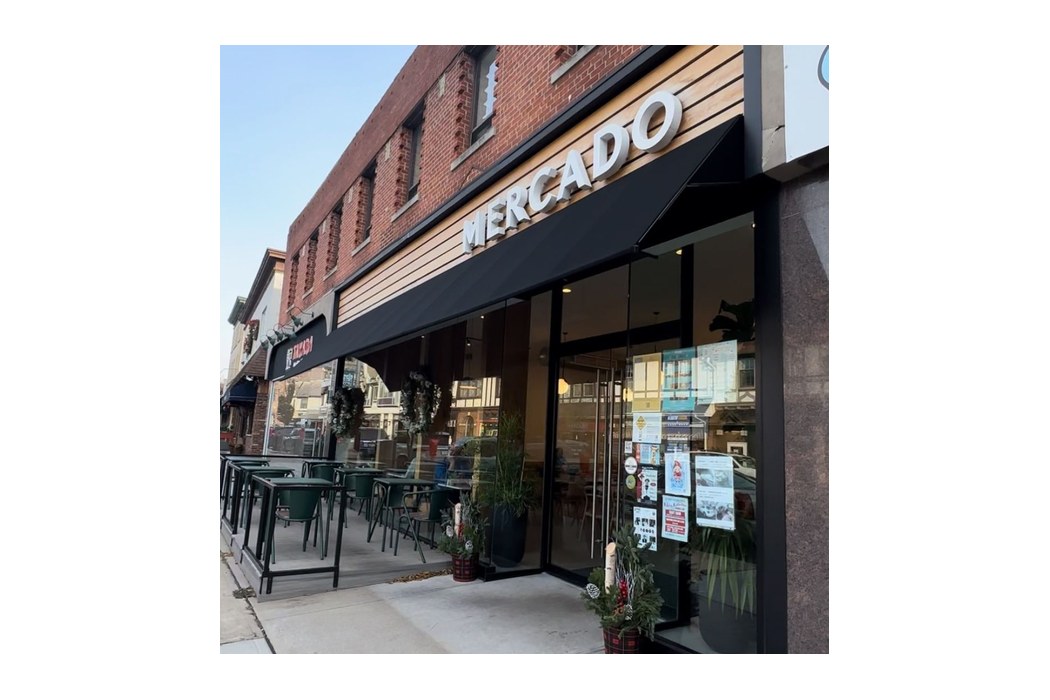
Mercado moved down the road. Portugal came along.
A Montclair sandwich shop became a Portuguese-inspired café without leaving its neighborhood behind. Mercado makes a case for growing a business around the people who already walk through the door.

Caterman sells lunch. The real order is peace of mind.
From office lunches to wedding buffets, the San Jose caterer sells a practical promise: food shaped around the guests, and someone else watching the clock.
Cattlemens changes the address. Keeps the steak.
The family-owned California steakhouse has spent 58 years making dinner feel familiar. Behind the cowboy décor is a business willing to move, rebuild and find its next neighborhood.

Urban Plates Wants Your Dinner Habit. The Asking Price Is $5.
The California restaurant chain pairs scratch cooking with a paid discount club. Behind the bargain is a story of ambitious expansion, a pandemic retreat, and a more practical way to win the next meal.
Luna Grill Wants Your Weeknight Dinner
The Mediterranean chain is selling relief from the shopping, chopping and washing up. Its next test is making a family kitchen work at the scale of 62 restaurants.
Venda Ravioli sells dinner. The spoon has opinions.
A Providence pasta maker turned a neighborhood specialty into groceries, catering and gifts. Its next sale might be a tray of chicken Parmesan or an entire Italian night in a box.
The 800-Dish Machine Behind Toronto’s Favourite Fancy Grocery Store
Summerhill Market escaped the supermarket price war by making dinner itself. Its six-store system offers a useful lesson in how an independent retailer can turn a costly back room into the reason customers cross town.
What Restaurant Operators Can Steal From Newk's: It Lost the Dining Room, Then Found a Leaner Growth Plan
When COVID-19 erased 75 percent of its business, the nearly 100-unit Southern chain did not abandon scratch cooking. It cut the clutter around it - and turned a four-day curbside scramble into a more disciplined franchise playbook.

Condado Tacos Turned the Check-Off Menu Into a Growth Machine
The Columbus chain does not sell authenticity theater. It sells choice - then uses murals, margaritas and a surprisingly sophisticated loyalty engine to make 50-plus restaurants feel local.
The $15 Lunch That Learned to Think Like a Chef
Mendocino Farms turned the office sandwich into a seasonal, chef-driven product - then built a 100-store growth machine around the part fast casual often forgets: hospitality.
The Sports Bar Built for People Who Didn't Come Just for Sports
Miller's Ale House turned a Florida neighborhood tavern into a 112-location chain by making the game only half the attraction. The other half is a broad, value-minded menu designed to keep families, fans and after-work regulars at the same table.
The Sandwich Chain Where Every Sub Helps Buy a Fire Truck
Two firefighter brothers turned steamed subs and a fire-station theme into a 1,300-store chain - and a charity that has bought more than $100 million in gear for first responders.
The 4,000-Café Bakery That Is Quietly Rebuilding America’s Neighborhood Cake Counter
Paris Baguette’s name points to France, its operating system comes from South Korea, and its growth plan is unmistakably North American. The result is a bakery-café built to make an everyday pastry run feel like an occasion - then repeat it hundreds of times.
The $1.5 Million Scoop: How Chicken Salad Chick Turned a Picnic Staple Into a Franchise Machine
Chicken Salad Chick took a dish associated with picnics and church lunches, gave it 12 personalities, and built a fast-casual growth story around the humble scoop. Its real product is not novelty alone - it is repeatable choice served with a neighborhood touch.
The Chicken Chain That Marinates for 24 Hours and Won't Leave Texas Behind
How a 1967 chicken stand from San Marcos turned a 24-hour marinade and a fresh-baked yeast roll into a 250-restaurant franchise - and why it is finally leaving the small Texas towns that made it.
The Red Bag at 100: How Sendik's Made a Moat Out of Knowing Milwaukee
A horse-drawn produce route became a 17-store regional grocer by treating fresh food, helpful people and neighborhood memory as infrastructure. In its centennial year, Sendik's is betting that a red bag can still carry more meaning than a national loyalty card.
The Pizza Chain Built on Four Beautiful Mistakes
Ledo Pizza turned rectangular pans, pastry-like dough, smoked provolone and hurriedly cut pepperoni into a regional identity. Seventy years later, the family franchise is testing how far a Maryland original can travel without rounding off its edges.
The Fast-Food Chain Betting the Mainland Wants a Hawaiian Plate Lunch
Hawaiian Bros turned chicken, rice and macaroni salad into a high-throughput operating system. Now the Kansas City chain is testing how far a deliberately tiny menu - and a carefully borrowed spirit of hospitality - can travel.
Noodles & Company Wants to Be the Place Where Every Craving Fits in One Bowl
The Colorado chain built a national business by treating noodles as a universal language. Now it is testing whether a sharper menu, a strong digital habit and fewer weak stores can turn variety into durable growth.
The Pizza That Became a Place: How UNO Is Rebuilding Around Its Deep-Dish Original
An 83-year-old Chicago pie is now carrying a leaner restaurant company - through neighborhood dining rooms, hotel conversions, delivery counters and a brand story no rival can quite copy.
Potbelly Sandwich Works
Potbelly turned an antique shop's lunch counter into a repeatable neighborhood ritual. Now, under RaceTrac ownership, the question is whether its stove, hot peppers and lunch-hour warmth can travel to 2,000 shops without losing the odd little details that made the first one work.
Qdoba Restaurant Corporation
Qdoba built its counter-service identity around a small act of abundance: the guacamole and queso are included. Now the 31-year-old chain is turning that promise into a franchise-led campaign to nearly double its footprint.
Portillo's
How a $1,100 hot dog trailer in Villa Park became a $730-million restaurant company that still refuses to franchise, put chocolate cake in a milkshake, and ships Italian beef to your door.

Handel's Homemade Ice Cream
An 80-year-old Ohio ice cream counter is becoming a national franchise without outsourcing its central ritual: every parlor still makes the product on site. The constraint is also the pitch.
Firebirds Wood Fired Grill
Firebirds found a durable gap between the neighborhood grill and the expense-account steakhouse. Now, with 71 restaurants, a paid loyalty tier and private-equity backing, it is trying to scale the feeling of dinner around a real fire.

Panera Bread
The chain that turned soup, bread and free refills into a national habit - and is now betting that a $12-a-month coffee subscription is the future of lunch.
Lou Malnati's Pizzeria
Lou Malnati's has spent 55 years turning one stubbornly local recipe into restaurants, delivery kitchens and a nationwide cold-chain business. Its next challenge is expansion without sanding away the family ritual that made the pizza travel in the first place.
foodspot (PT Klik-eat Indonesia)
foodspot (PT Klik-eat Indonesia) is a Jakarta-based B2B catering and corporate food-service marketplace that connects companies with a network of 2,000+ vetted caterers and restaurants. It handles corporate daily meals, lunch boxes (nasi kotak), buffets (prasmanan), snack boxes and event catering through a single ordering platform, with dedicated menu consultants and consolidated payment. Founded from the earlier Klik-eat venture, the company positions itself as Indonesia's largest corporate catering portal serving Greater Jakarta and Surabaya.

Mnzil | منزل
Mnzil is a Riyadh-based proptech company that provides integrated housing, transportation, and catering solutions for Saudi Arabia's blue-collar and migrant workforce. Through a hybrid model of subleasing, purpose-built development, and a C2B marketplace, Mnzil lets companies outsource the housing and movement of their workers, offering furnished, regulated, and serviced accommodation at scale. Founded in 2024, it operates 60+ facilities across 13+ cities, serves 100+ corporate clients including Amazon, Nestlé, and SIXT, and raised an $11.7M Series A led by Founders Fund in November 2025.