carnegie-mellon
(55)
Eric Danziger Is Teaching Factories to See Before Robots Learn to Act
After the Army, Carnegie Mellon and a front-row seat to self-driving hype, the Invisible AI co-founder chose a harder, quieter mission: give factory floors a memory.

Mitchell Fogelson Is Folding a Power Plant Into a Rocket
The Beyond Reach Labs co-founder turned a PhD in deployable structures into a bet on orbital power - and a 16,000-square-foot Brooklyn factory built to make space hardware repeatable.
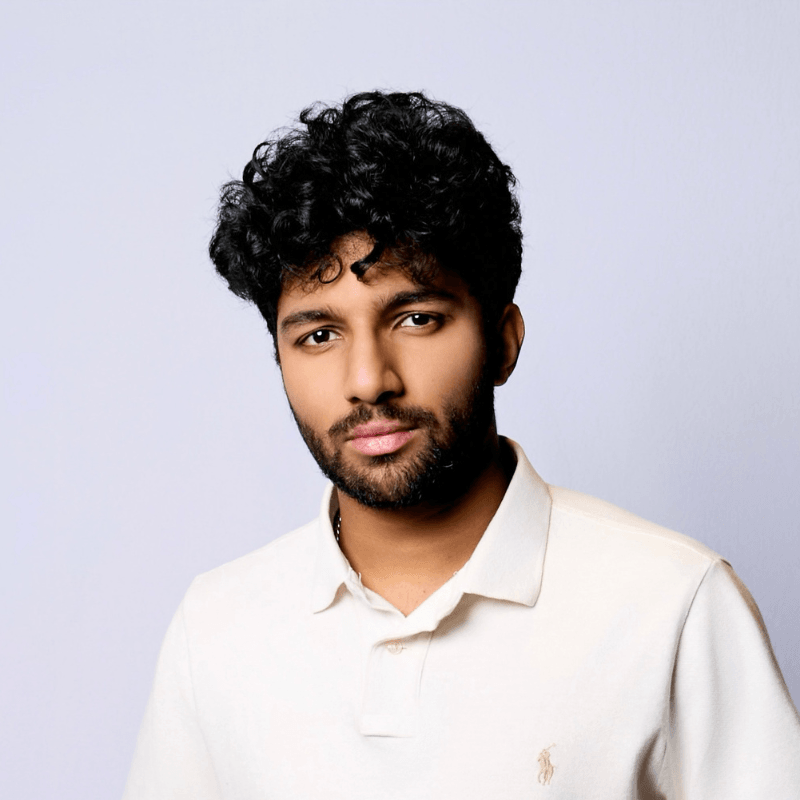
Anir Prativadi Is Teaching a Phone to Read a House
The ValueMate co-founder is betting that three minutes of phone-based LiDAR can remove hours of appraisal paperwork - while leaving the judgment to the appraiser.
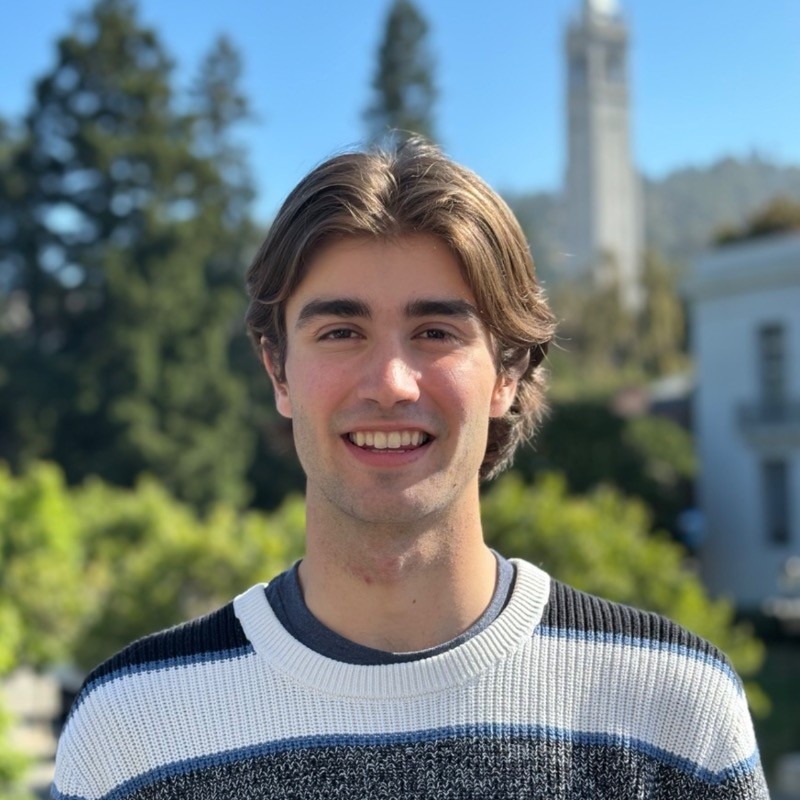
Quentin Romero Lauro Is Folding the IDE Into the Browser
Before his browser became an IDE, Quentin Romero Lauro spent years watching people negotiate with software - Pittsburgh entrepreneurs, AI engineers, and front-end developers included. Now those observations are converging in one small San Francisco company.

Krishang Todi Left the Trading Desk for Healthcare's Paperwork Problem
He arrived in America expecting a career in fixed-income trading. A rejected claim, two college friends and a 3 a.m. application redirected him toward the stubborn machinery of hospital billing.
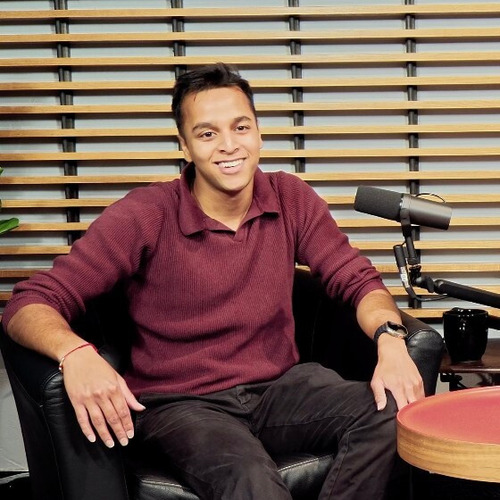
Mehul Agarwal Is Teaching AI to Listen Before It Shoots
The Koyal founder began with stand-up jokes, a pandemic meme group and machine-learning research. Now he and his sister Gauri are building an audio-first filmmaking system where the camera is software and consent is part of the architecture.
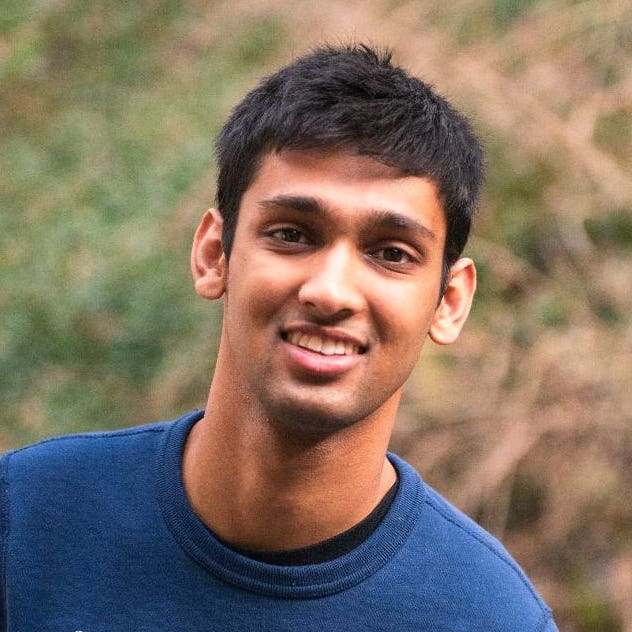
Mohak Nahta Built Atlys From One Very Expensive Passport Problem
Five visas for one work trip gave the former Pinterest engineer a product idea. The harder lesson came later: simplifying travel means earning trust whenever software meets an embassy, a courier and a deadline.
Nick Bartel Took a Screenwriter’s Eye to the Open Road
He started in television, learned to read a balance sheet, and ended up helping fleets read risk before a crash. After Idelic’s 2026 acquisition, Nick Bartel’s next question is disarmingly simple: how can I be helpful?
Hyunggi Cho Bet on the Part of Self-Driving That Had to Ship
A cafeteria conversation became a nine-year lesson in automotive patience. Hyunggi Cho built Phantom AI around the unfashionable idea that the road to autonomy begins with driver assistance people can actually use.
Boris Sofman Is Teaching Machines to Build the World
After giving toy robots personality and self-driving trucks judgment, Boris Sofman has chosen a harder canvas: the ground beneath our feet. His latest company, Bedrock Robotics, is betting that construction's bottleneck can be loosened one retrofitted excavator at a time.
Bill Kish Keeps Making Hard Technology Feel Ordinary
At Ruckus, he helped Wi-Fi carry video through walls. At Cogniac, he gave factory and railway teams a way to teach machines what matters - without asking them to become AI researchers.

Cenk Bulbul
He earned a PhD studying how feelings drive what people buy, then spent twenty years turning that thesis into marketing for YouTube, Walmart, and now a global bank.

Stella Han
Stella Han is the co-founder and CEO of Fractional, a San Francisco startup that lets friends and strangers pool money to co-own investment real estate for as little as a few thousand dollars. A Carnegie Mellon computer science graduate and former senior software engineer at Affirm, she left fintech to attack a problem she grew up around: real estate is a great way to build wealth, and almost impossibly clunky to buy with other people. Fractional went through Y Combinator's Winter 2021 batch, raised a $5.5M seed led by CRV with backing from Will Smith and Kevin Durant, and a $15M Series A led by Fifth Wall in late 2024.

Veerbhan Kheterpal
Veerbhan Kheterpal is the co-founder and CEO of Quadric, a Burlingame, California processor IP company building the Chimera general-purpose neural processor (GPNPU) for on-device AI inference. A three-time technology founder with a PhD from Carnegie Mellon University, he previously co-founded Fabbrix (acquired by PDF Solutions) and was a technical co-founder of 21, Inc. Quadric's software-first architecture aims to run any AI model without the obsolescence that plagues fixed-function AI accelerators, and the company has raised roughly $90M across its funding rounds while scaling licensing revenue sharply through 2025.
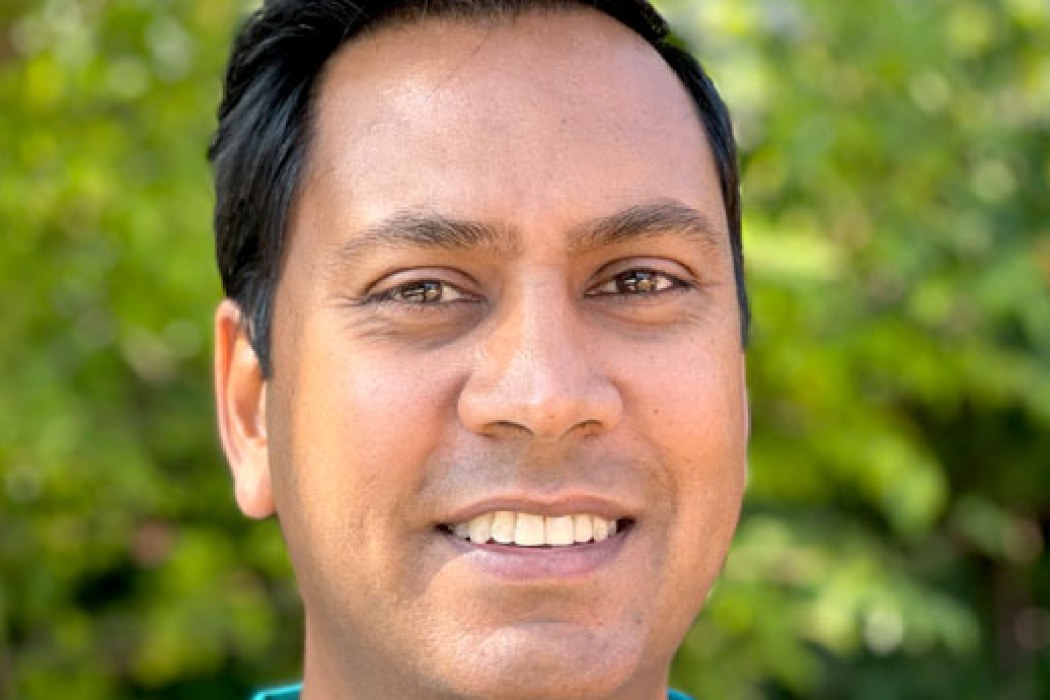
Vishwas Prabhakara
Vishwas Prabhakara is the co-founder and CEO of Honey Homes, a membership service that gives homeowners a dedicated, salaried handyperson for recurring maintenance and repairs. A Carnegie Mellon and Harvard Business School graduate, he spent 15-plus years in Silicon Valley product and operations roles - including ESPN, Digg, Yelp Reservations, and a stint as COO of the fintech Digit - before starting Honey Homes in 2021 with his wife Avantika and two other co-founders. The company operates across the San Francisco Bay Area, Los Angeles, Dallas-Fort Worth and beyond, and has raised more than $21 million from investors including Khosla Ventures, Pear VC and Era Ventures.
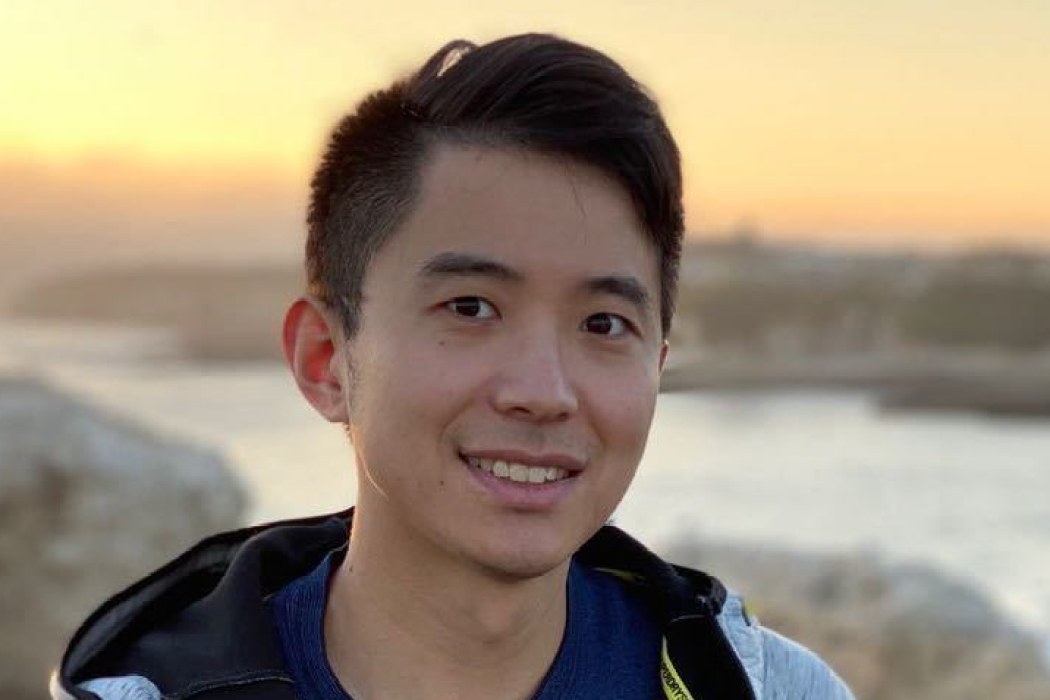
Yingjun Wu
Yingjun Wu is the founder and CEO of RisingWave Labs, the San Francisco company behind RisingWave, a PostgreSQL-compatible distributed SQL database for stream processing. A database researcher turned entrepreneur, he earned his PhD at the National University of Singapore, was a visiting PhD at Carnegie Mellon under Andy Pavlo, and worked on the AWS Redshift team and at IBM's Almaden Research Center before founding RisingWave in 2021. His goal is to democratize real-time stream processing by making it as simple, affordable, and accessible as writing SQL. The company has raised more than $40 million, including a $36 million Series A.
Monel Amin
Monel Amin is the founder and CEO of DiligenceVault, a New York based digital diligence platform used across the investment management industry. She built the company in 2014 after running risk oversight for liquid investments at Citi, where she watched analysts spend their best hours moving PDFs, spreadsheets and questionnaires through email. DiligenceVault raised a Series A led by Goldman Sachs Growth Equity in 2019 and now serves asset managers, allocators and consultants globally.
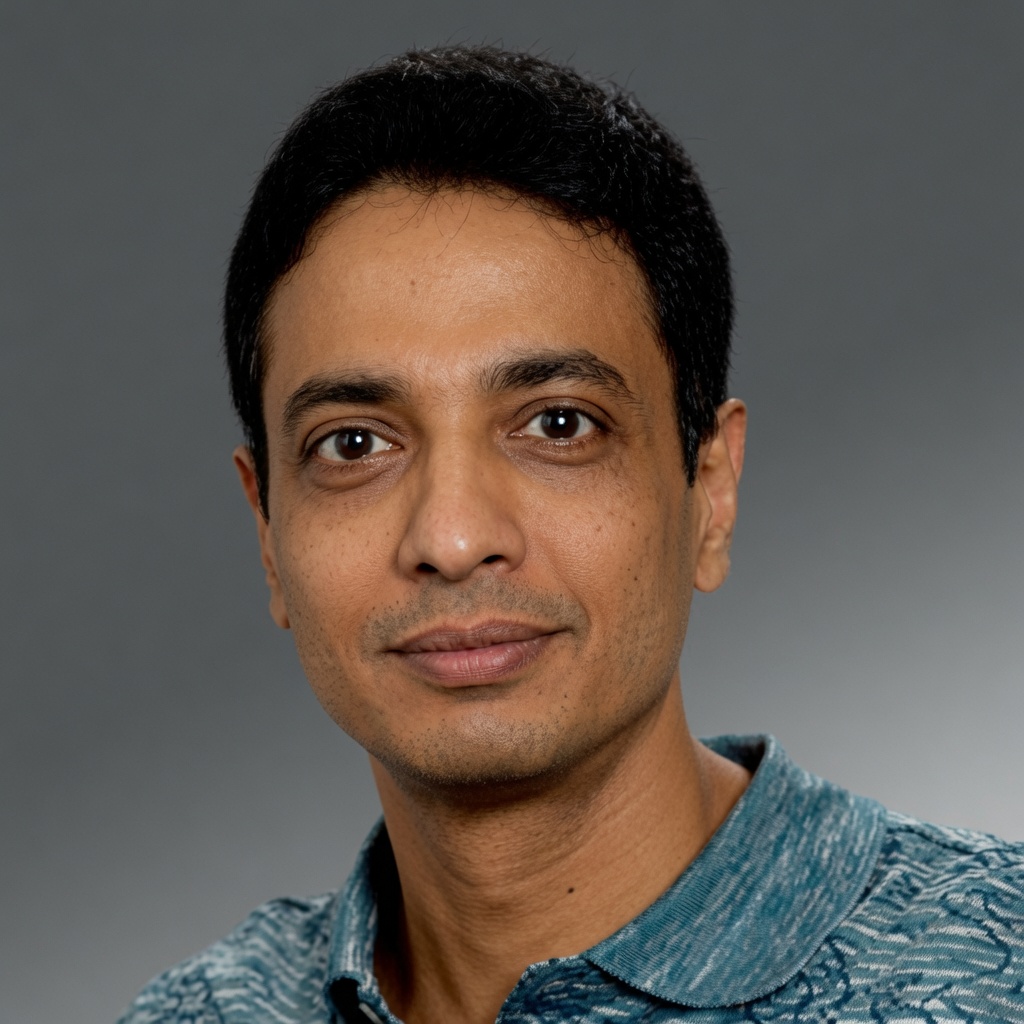
Sriram Vasantharajan
Sriram Vasantharajan is the President and CEO of Mazama Energy, a Khosla Ventures and Gates Frontier-backed startup drilling into Oregon's Newberry Volcano to prove that superhot rock geothermal can deliver round-the-clock, carbon-free power at fossil-fuel prices. A former ExxonMobil engineer and CEO of oilfield services firm Blade Energy Partners, he is now applying decades of drilling and well-stimulation know-how from the oil patch to the geothermal industry, chasing rock hot enough to make a volcano's flank into a power plant.
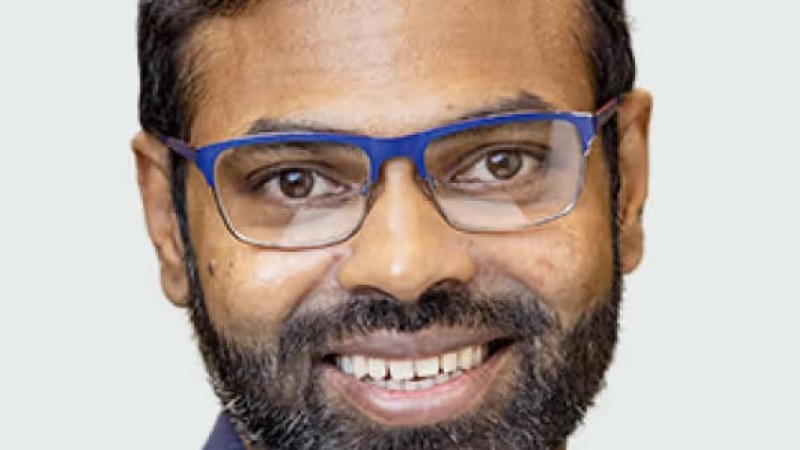
Snehal Fulzele
Snehal Fulzele is the founder and CEO of UPTIQ, a McKinney, Texas company building an AI agent platform for banks, credit unions, wealth managers and non-bank lenders. A Carnegie Mellon-trained engineer who spent time at Adobe and Oracle before co-founding Cloud Lending Solutions (sold to Q2 Holdings in 2018 for about $105M), he is now on his second fintech infrastructure company, having raised roughly $69M in total including a $25M Series B in February 2026 led by Curql.

Fred Goff
Fred Goff is the co-founder and CEO of Jobcase, the Cambridge-based social platform built for and around workers rather than recruiters. A first-generation college graduate from Toledo, Ohio, he ran roughly a billion dollars in emerging-markets trading on Wall Street before turning a machine-learning hedge fund team loose on the labor market in 2009. Jobcase now counts more than 130 million registered members and ranks among the largest online destinations for career services. Goff has become one of the more vocal executives arguing that the AI era should put people first, a stance that landed him on the 2026 TIME100 list.

Ania Rodriguez
Ania Rodriguez is the founder and CEO of JourneyTrack, a Miami-based customer journey management SaaS platform whose mission is to humanize the customer experience. An industrial engineer turned two-time founder, she spent more than two decades advising Fortune 500 companies on UX and CX through her first company, Key Lime Interactive, which she launched from a conference hallway three weeks after giving birth and being laid off. JourneyTrack, founded in 2021, raised $1.5M in seed funding and counts Google among its enterprise customers.

Riad Wahby
Riad Wahby is the co-founder and CEO of Cubist, a key management infrastructure company building hardware-backed, policy-driven signing for Web3. He is also an assistant professor of Electrical and Computer Engineering at Carnegie Mellon University and an applied cryptographer known for co-inventing the proof systems Lasso, Hyrax, and Brakedown and co-authoring the BLS signature standard (RFC 9380) used across Ethereum, Avalanche, and other chains. Before academia and entrepreneurship he spent a decade designing analog and mixed-signal chips at Silicon Labs and researched cryptography at Algorand.
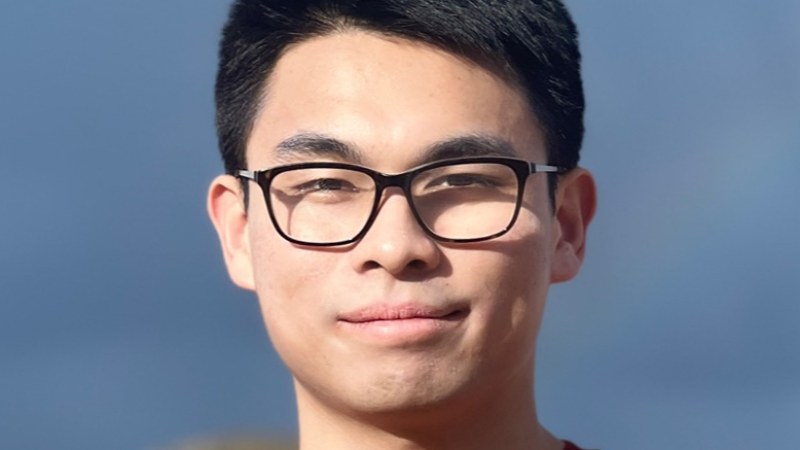
Tao Chen
Tao Chen is the co-founder and CEO of Dexmate, a Santa Clara robotics startup building general-purpose mobile humanoid robots with genuinely dexterous hands. An MIT CSAIL PhD whose research on in-hand object reorientation won the CoRL 2021 Best Paper Award and landed in Science Robotics, Chen left academia to chase a single conviction: that robots will only matter when their hands can do the small, fiddly, human things. Dexmate's first product, Vega, a folding dual-armed robot built in under six months, is his bet that the moment has finally arrived.
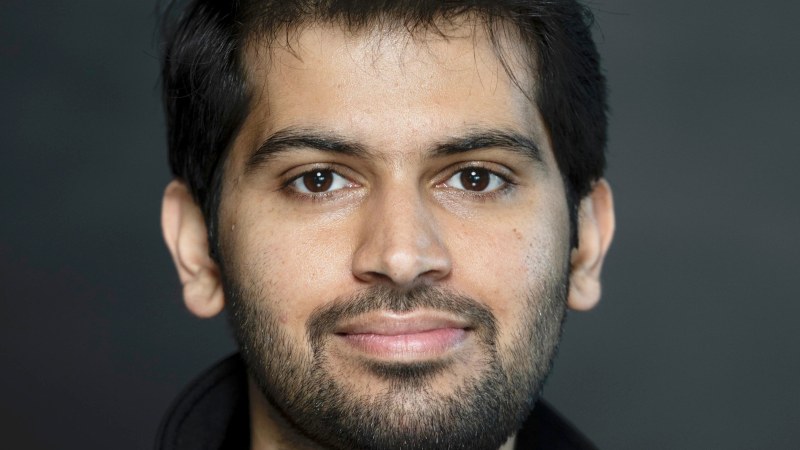
Deepak Pathak
Deepak Pathak is the co-founder and CEO of Skild AI, the Pittsburgh robotics company building a single general-purpose 'brain' that can run any robot from a quadruped to a humanoid. A Raj Reddy Associate Professor at Carnegie Mellon, he earned a gold medal at IIT Kanpur and a PhD at UC Berkeley before betting that physical intelligence, not language, is the real path to AGI. In January 2026 Skild raised $1.4 billion at a valuation north of $14 billion, backed by SoftBank, Nvidia, and Jeff Bezos.
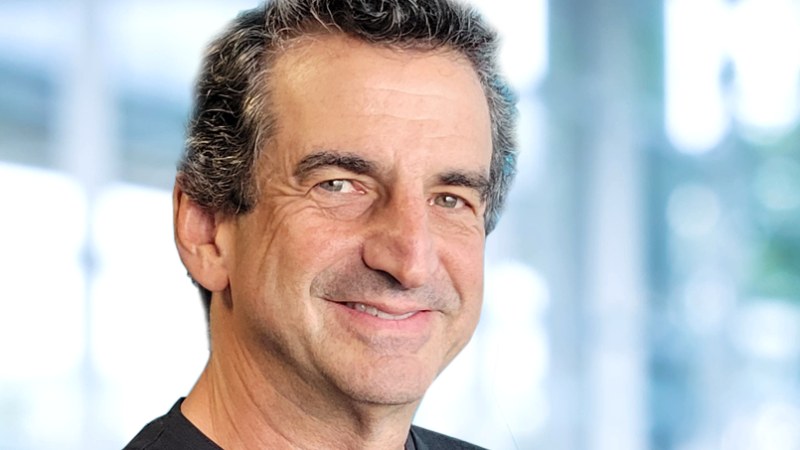
Monte Zweben
Monte Zweben is the co-founder and CEO of ControlRooms.ai, an AI troubleshooting platform for chemical and energy plants. A serial entrepreneur and AI pioneer, he ran NASA Ames' artificial intelligence branch (winning a Space Act Award for Space Shuttle work) before founding a string of companies: Red Pepper Software (merged into PeopleSoft), Blue Martini Software (which IPO'd at roughly $2.9 billion), and Splice Machine. He trained at Carnegie Mellon under AI legends Geoffrey Hinton, Herbert Simon and Allen Newell, holds a Stanford master's, co-authored the textbook Intelligent Scheduling, and now also advises AI Fund and sits on the board of Haven Safety AI.

Steve Hoover
Steve Hoover is the CEO of Impossible Objects, the Northbrook, Illinois company commercializing CBAM (composite-based additive manufacturing), a from-the-ground-up 3D printing process that bonds carbon fiber and other composites into parts that are stronger, lighter and more heat-tolerant than conventional prints. A mechanical engineer with a Carnegie Mellon doctorate, he spent roughly two decades at Xerox, rising to corporate CTO and running PARC as CEO, before a stint leading RIT's Global Cybersecurity Institute and co-founding the art-recognition startup Artify.ai. He took the Impossible Objects helm in March 2023 to push composite 3D printing from prototypes into high-volume manufacturing.

Tudor Achim
Tudor Achim is the cofounder and CEO of Harmonic, the Palo Alto AI lab he started in 2023 with Robinhood founder Vlad Tenev to build what they call Mathematical Superintelligence. Harmonic's system Aristotle reached gold-medal performance on the 2025 International Math Olympiad while formally verifying every proof in Lean 4, a feat that put a roughly 40-person startup alongside OpenAI and Google DeepMind. A former competitive pianist turned machine-learning researcher, Achim previously cofounded the self-driving company Helm.ai and worked on ranking at Quora. He argues that mathematics is the route to AI that does not hallucinate.

Patrick Brown
Patrick Brown is SVP of Global Marketing at Adobe, leading growth, analytics, media, and marketing engineering across the company's global B2B and B2C operations. He oversees Adobe's Digital Economy Index — a research engine that tracks a trillion e-commerce transactions across 100 million SKUs — and has emerged as one of the most data-forward voices in enterprise marketing. Based in San Jose, California, Brown combines an MBA from Carnegie Mellon's Tepper School of Business with deep experience in technology, finance, and consumer goods sectors.
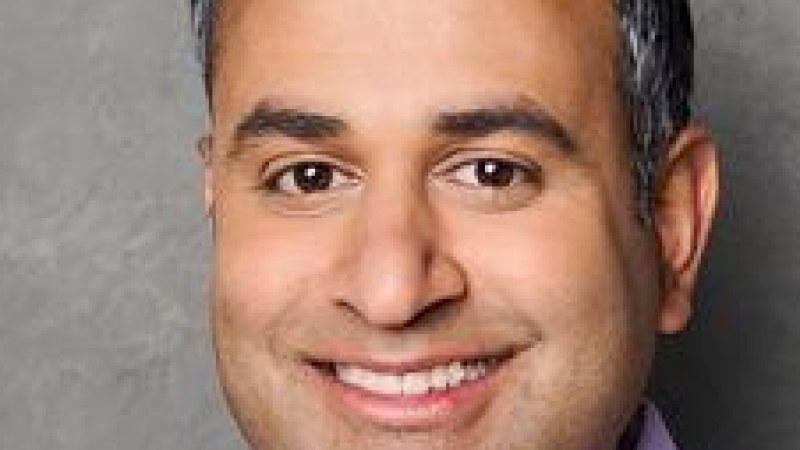
Saureen Shah
Saureen Shah is a San Francisco based founder and engineer. He was an early engineer at YouTube, co-founded Instawork (YC S15) and served as its CTO, advised Mozart, and now leads Nudge AI as founder and CEO. Carnegie Mellon graduate in business administration and computer science.

Albert Wang
Albert Wang is the co-founder and CEO of PatPat, a direct-to-consumer children's and family apparel brand he built from a mobile app in 2014 into a global platform serving 21 million customers across 140 countries. A Carnegie Mellon-trained engineer and former Oracle founding member, Wang spotted the gap in affordable, stylish kids' clothing when he and his co-founder Ken Gao both became fathers the same year. PatPat has raised over $465 million in funding, including a $160 million Series D2 from SoftBank Vision Fund 2 in 2021, and has pioneered innovations like Go-Glow light-up apparel technology.