care-coordination
(21)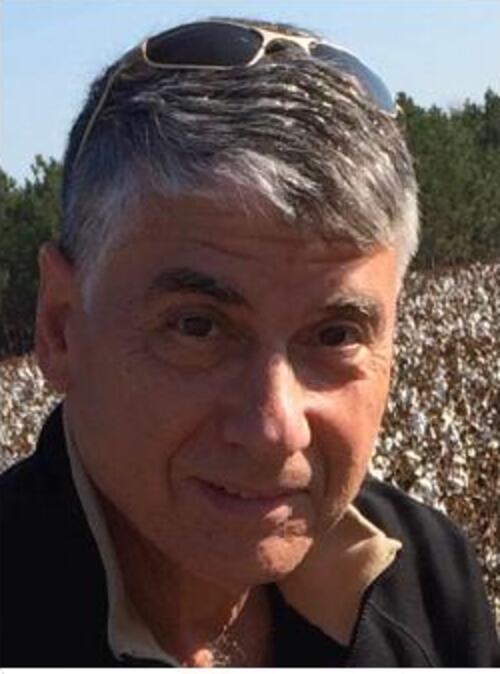
Andy Schuyler Spent a Career Turning Health Data Into Decisions
Long before healthcare software learned to say “AI,” the physician executive was arguing for a humbler achievement: weave scattered information together, put it where decisions happen, and make it useful.
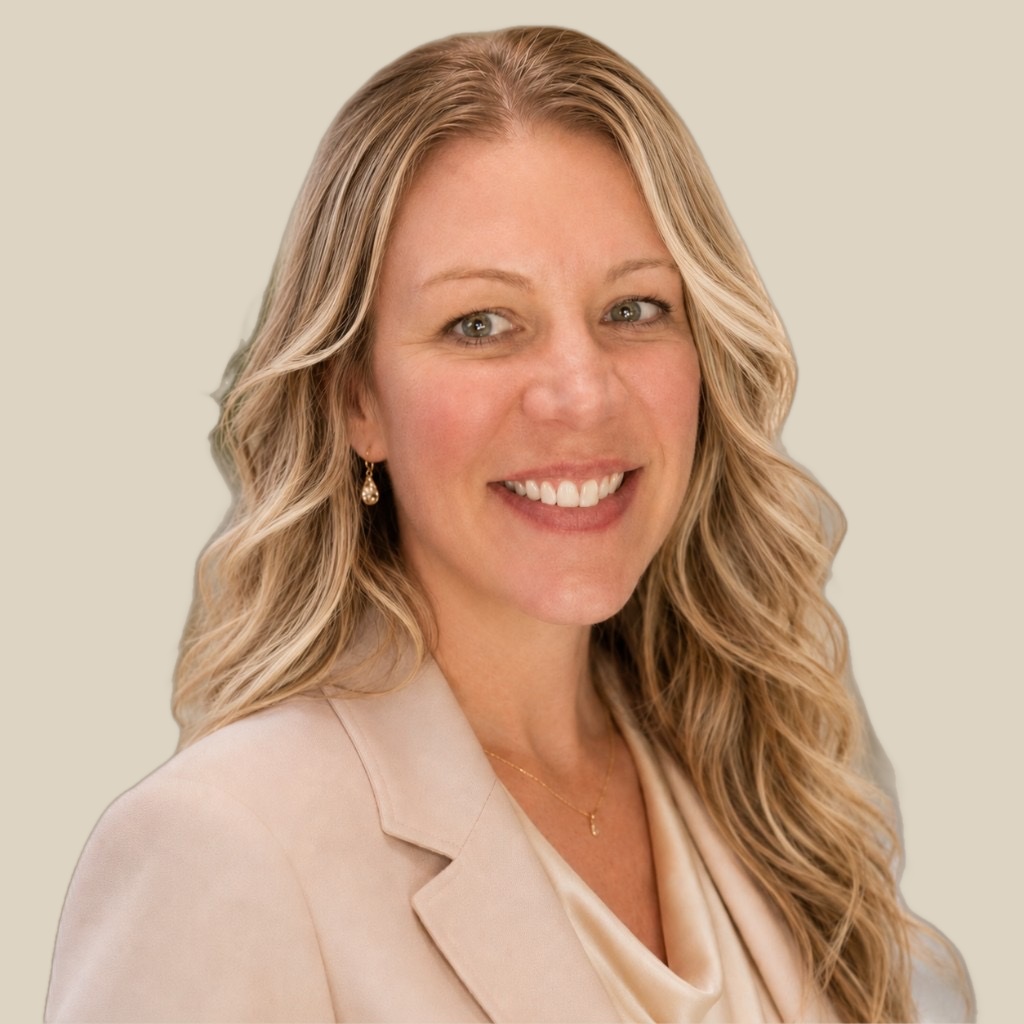
Jen Thomas Is Selling the Connective Tissue of Care
After more than two decades in healthcare technology sales, CipherHealth's chief sales officer has a precise diagnosis for a sprawling industry: hospitals own moments, but patients live journeys. Her work begins in the gaps between them.

Lucas Takahashi Bet on the Space Between an Order and an Answer
The Medmo co-founder turned a stubborn trail of phone calls, faxes and missing follow-ups into a coordination business. His route there runs through finance, a discarded mail idea, and the cool concentration of a junior skeet champion.

Joel Theisen Is Building a Company Around the Part of Aging the System Forgot
The nurse-turned-founder spent two decades turning a frontline frustration into Lifespark. His wager is simple: the future of senior living begins with a life, not a list of services.
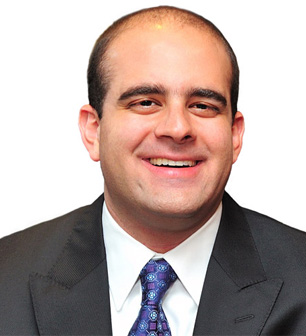
Farbod Hagigi Has Spent 20 Years Fixing the Hand-Off
The ClinicalBox founder built a career around a stubborn observation: complex systems fail at their seams. His answer has been equal parts policy research, software design, and patient attention.
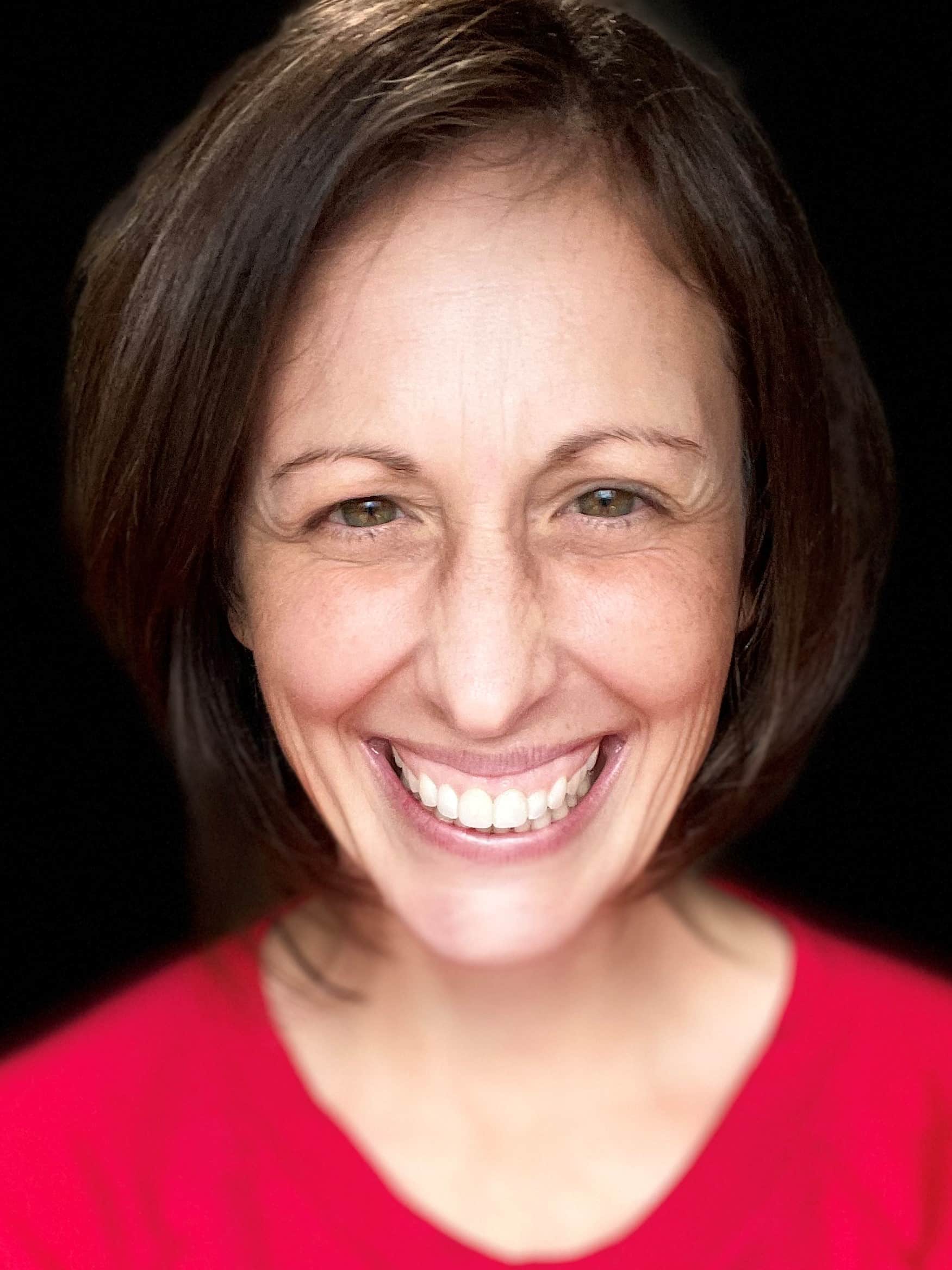
Jean Ross Is Building the Missing Place Between the Portal and the Kitchen Table
A patient-finance manager became a critical-care nurse, then turned years of binders, portals and repeated explanations into a company. Jean Ross’s useful idea is simple: the record should travel with the family.
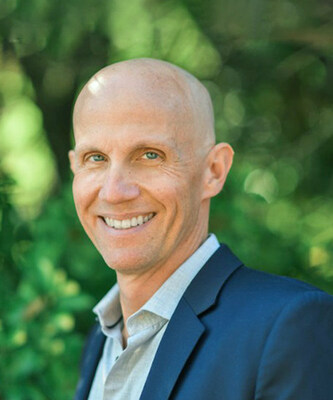
Darren Schulte Is Building the Operating System Between the Appointment and the Crisis
The physician-executive spent two decades teaching software to read the chart. At Vynca, he is tackling the harder problem: turning those signals into coordinated action before a routine gap becomes a costly crisis.
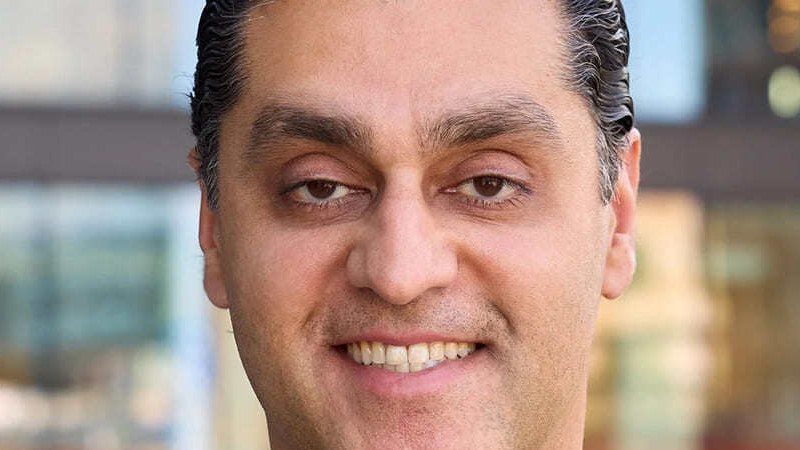
Danish Qureshi
Danish Qureshi is the founder and CEO of Zarminali Pediatrics, a nationwide pediatric multispecialty group he started in 2024 to fix the fragmented way American children get care. Before Zarminali, he co-founded LifeStance Health, scaling it into the country's largest outpatient mental health provider with thousands of clinicians across dozens of states before it went public. A former Bain consultant and private equity operator who cut his teeth in wound care, Qureshi has raised roughly $150M for Zarminali and grown it to nearly 30 clinics across eight states in under two years.

Mohammed Memon
Mohammed Memon is the CEO and co-founder of Hifinite Inc. (dba Chronica), a San Diego telehealth company that builds an AI-enabled digital health platform for remote patient monitoring, chronic care, and virtual visits. An engineer turned product entrepreneur, he holds graduate degrees from Clemson and Harvard and spent two decades shipping software before founding Hifinite in 2016. Under his direction the company built the hiCare suite and the Chronica brand, reached roughly $1.7M in annual revenue with a lean 23-person team, and showed up at the industry's biggest telemedicine stages.
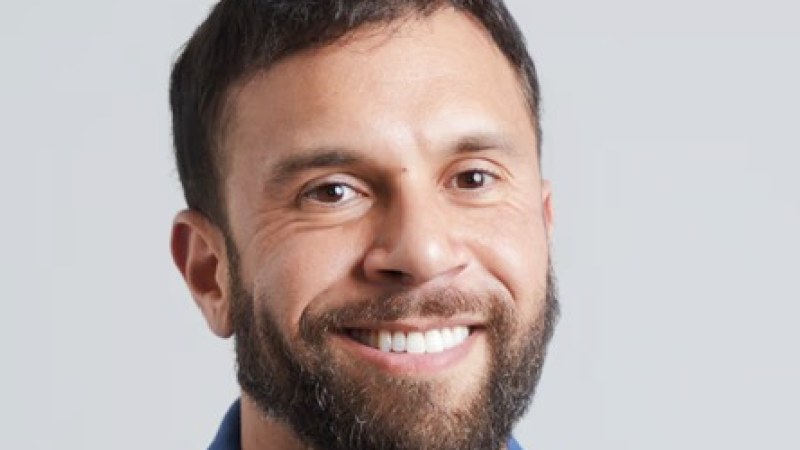
Othman Ouenes
Othman Ouenes is the CEO and co-founder of Fidari, an oncology-first care infrastructure company whose name means 'in my home' in Arabic. A second-time healthcare founder, he previously co-founded QURE Healthcare (acquired by TRC Healthcare), where he spent roughly twelve years building clinical-measurement software. Born in France to a Moroccan mother and French-Algerian father and raised in the United States, he studied Human Biology at Stanford and now lives in Santa Fe, New Mexico, where he also serves as a part-time firefighter. Fidari combines AI-driven workflow automation with human navigation to help health systems coordinate supportive cancer care, capture billing, and connect patients to home-based services.
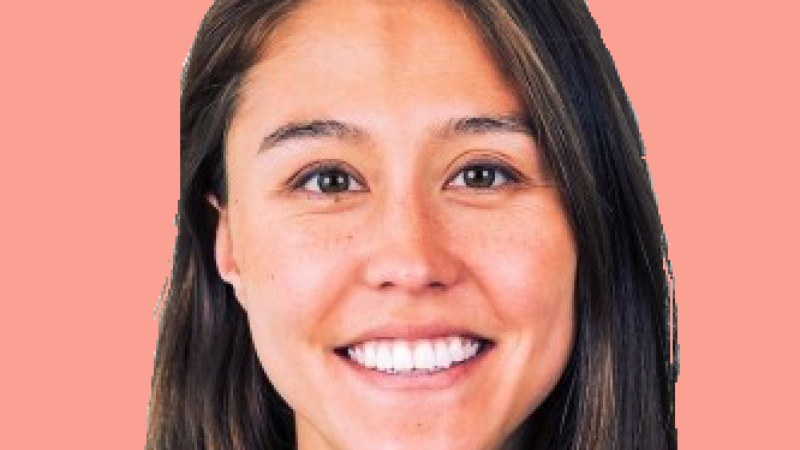
Rachel Munsie
Rachel Munsie is the CEO and co-founder of Ounce of Care (Ounce), a tech-enabled resident services platform that connects people living in affordable housing to public benefits, health and social care coordination, and community programming. A former Goldman Sachs banker and private equity investor who left MIT Sloan to help build home-health startup Tomorrow Health, she launched Ounce to close the gap between where people live and the care they can actually reach. In October 2023 the company raised $5.2M in seed funding led by Meridian Street Capital and Flare Capital, with backers including Chelsea Clinton's Metrodora Ventures, Hilton CEO Chris Nassetta, and Unite Us co-founder Taylor Justice.
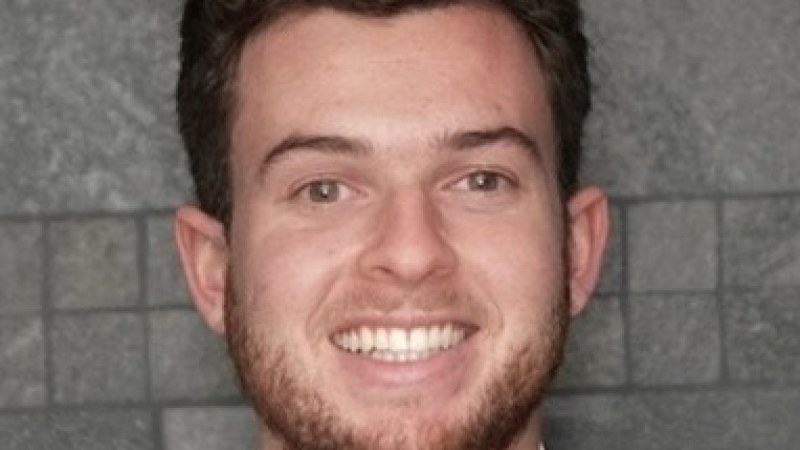
Sebastian Coates
Sebastian Coates is the CEO and co-founder of Tellescope, a HIPAA-compliant, API-first patient communication and CRM platform used by more than 150 digital health organizations. A Tufts computer science and mathematics graduate who once wrote software for the Apple Watch and prototyped blockchain systems for clinical trials at Vertex Pharmaceuticals, he started Tellescope in 2020 with co-founder Derek Strauss to give telehealth companies a developer-friendly tech stack for managing patients across SMS, email, voice, and secure messaging. Notably, he has kept the company lean and profitable rather than chasing oversized venture rounds.
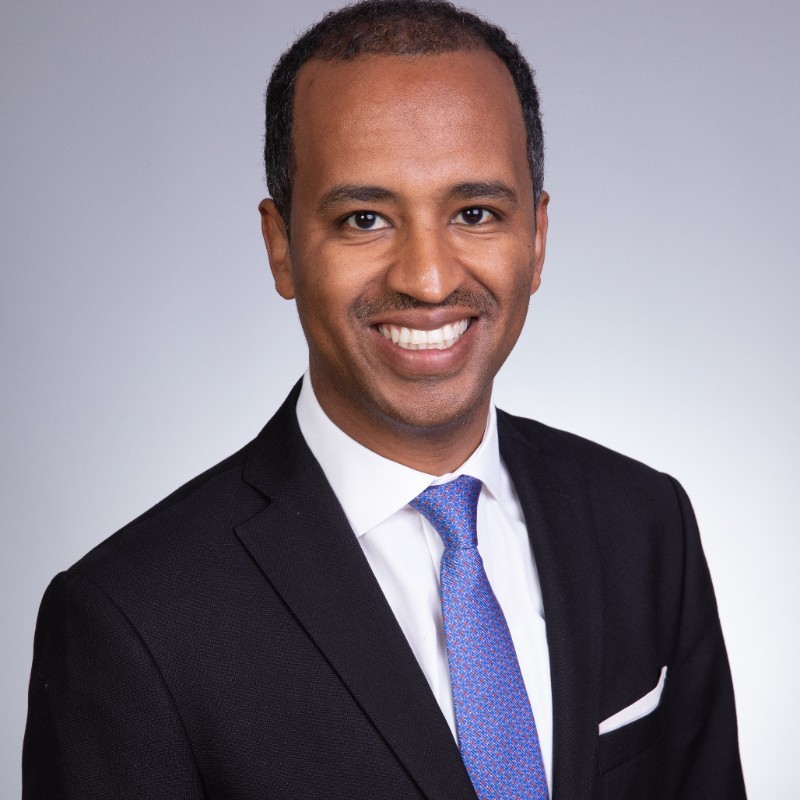
Samuel Ethiopia
Samuel Ethiopia is the CEO and co-founder of DocSpera, a Silicon Valley surgical coordination platform used by thousands of surgeons and 300-plus health systems to synchronize the messy stretch between a surgical decision and a patient's recovery. A chemical engineer turned strategy consultant turned operator, he carried a Kellogg MMM dual degree and stints at Dow, Eli Lilly, PwC's Strategy&, and Yahoo into the operating room's back office, where he now bets that real-time, AI-driven data can make surgery run on time. He also co-founded The Par Fund to back underrepresented entrepreneurs.
Gokul Mohan
Gokul Mohan is the co-founder and CEO of CareHarmony, a Brentwood, Tennessee health-tech company that pairs machine learning with around-the-clock clinical teams to deliver chronic care management and care coordination at scale. A Wharton finance and entrepreneurship grad with a biomedical engineering degree, he traded a Morgan Stanley and McKinsey track for a bet that the gap between a doctor's visit and a patient's daily life is where healthcare actually breaks. CareHarmony serves dozens of hospitals and health systems across more than 20 states and raised a $15M Series A led by Maverick Ventures in 2022.
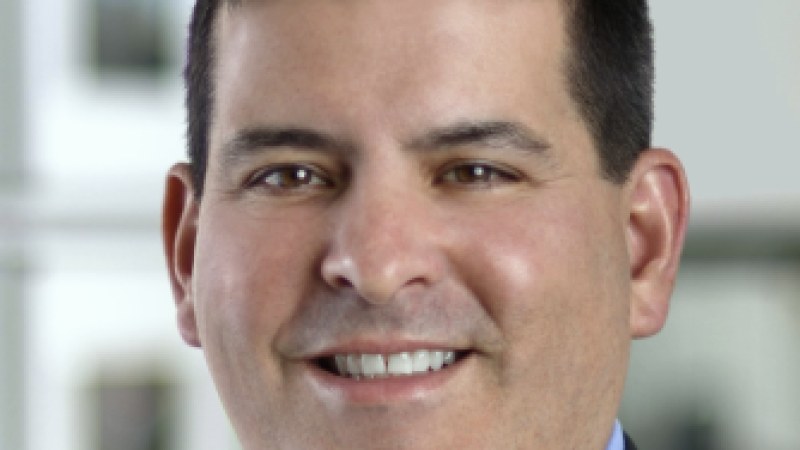
A.R. Weiler
A.R. Weiler is the CEO of C3 HealthcareRx, the Raleigh-based value-based care company formed when Wellbox Health and C3 merged in January 2026. A Harvard-trained computer scientist who began in Silicon Valley software, he has spent more than fifteen years building and scaling healthcare companies - running Healthsense, Livio Health Group, SonarMD and Wellbox, and holding senior posts at Oracle, OptumInsight, Virgin Pulse and Change Healthcare. He specializes in turning fragmented care vendors into coordinated, multi-specialty operations.
Justin Schram
Justin Schram, MD, is Co-Founder and Co-CEO of August Health, an AI-enabled electronic health record platform built for senior living communities. A physician by training from the Perelman School of Medicine at UPenn, Schram spent years on the front lines of value-based care for older adults at Landmark Health before channeling that clinical experience into building the software he wished existed. August Health has raised $44M total - including a $29M Series B in August 2025 led by Base10 Partners - and now serves hundreds of senior living communities nationwide, including Sonida Senior Living's 94-community network.
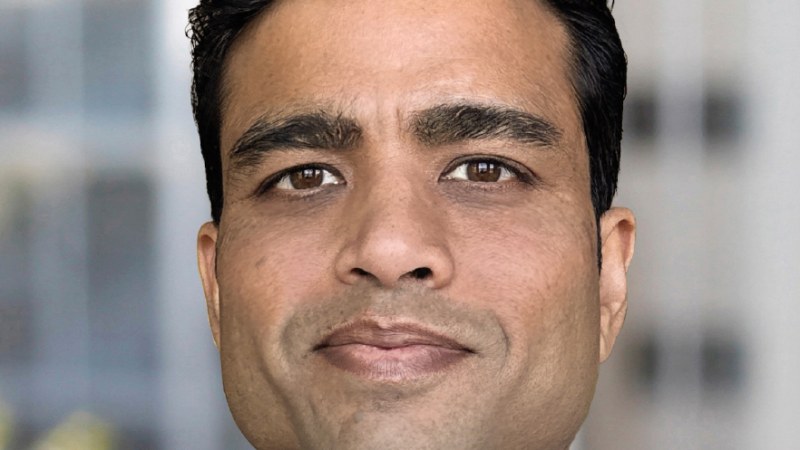
Sach Jain
Sach Jain is the Founder & CEO of Carrum Health, a San Francisco-based value-based care platform that connects self-insured employers with top-tier hospitals and surgical centers through bundled payment arrangements. Founded in 2014 after Jain's frustration with America's fee-for-service healthcare system, Carrum Health has raised $96M in total funding and now covers 90% of the US population through a network that includes Mayo Clinic, Cleveland Clinic, Johns Hopkins, and Stanford. With a background spanning IIT Delhi, University of Chicago Booth, investment banking at Bank of America Merrill Lynch, and healthcare consulting at Booz & Company, Jain built Carrum to solve a systemic problem: employers spending $20,000+ per employee annually on health benefits with up to a 10x pricing variation for identical procedures.
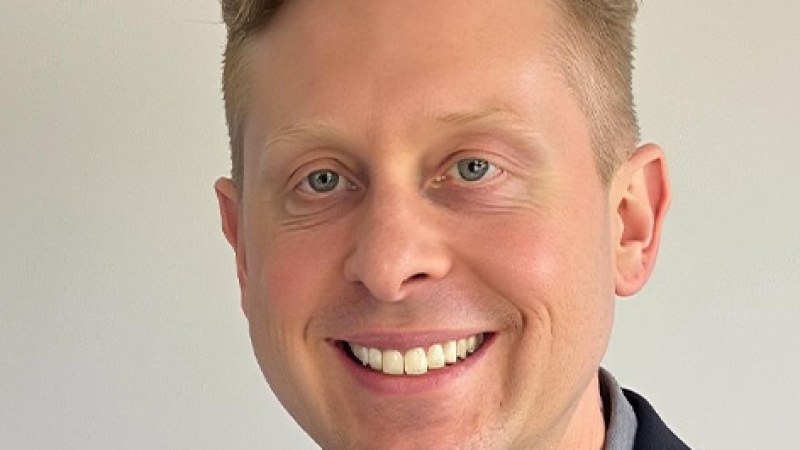
Michael Zawadski
Michael Zawadski is a healthcare technology executive who led RTZ Systems for over a decade before stepping up as founding CEO of Collabrios Health - a 2024 platform merger that unified electronic health records, financial TPA services, and care coordination tools for over 125 PACE (Program of All-Inclusive Care for the Elderly) programs nationwide. A JD-trained operator with an uncommon blend of legal, financial, and health-tech instincts, he oversaw the assembly of a company serving more than one million individuals in community-based care.
Mike Fitzgibbons
Mike Fitzgibbons is the CEO and Founder of Claritas Rx, a South San Francisco-based healthtech company that uses AI and real-world patient-level data to help biopharmaceutical companies track, understand, and support patients across the specialty drug treatment journey. Founded in 2011, Claritas Rx serves 20+ rare and specialty therapeutic areas and has appeared on Inc.'s 2025 list of America's Fastest-Growing Private Companies. Before founding Claritas Rx, Fitzgibbons spent seven years at Morgan Stanley as an equity research analyst covering pharma services and drug distribution, then joined Genentech where he worked on pricing strategy and led the Avastin marketing team - experiences that directly shaped his conviction that patient-level data, not aggregated reports, is what biopharma companies actually need.
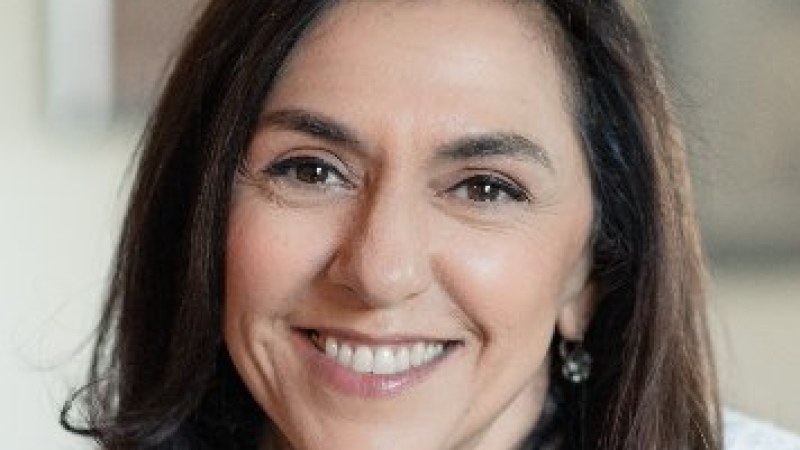
Malekeh Amini
Malekeh Amini is the Founder and CEO of Trayt Health, a patient-centric behavioral health platform powering 25 statewide mental health programs and covering 10 million+ lives across the US. A Harvard MBA and USC-trained engineer with 25+ years in digital health, she built Trayt after personally navigating the fractured US mental health system with her son. The company raised $7.17M in April 2026 and was selected by Kentucky's KyCOMPASS program to power maternal mental health access statewide.
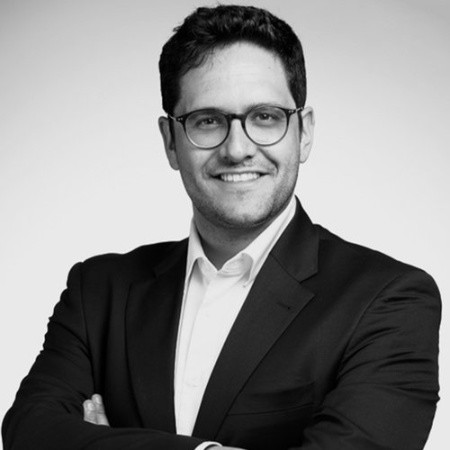
Chris Mansi
Chris Mansi is a Cambridge and UCL-trained neurosurgeon turned AI entrepreneur, and the Co-founder and CEO of Viz.ai - the company that puts an AI brain between a CT scanner and a surgeon so that patients who are about to die of a stroke stop dying from delays. Named to TIME100 AI in 2024, Mansi built Viz.ai from a Stanford dorm-room insight into a platform covering nearly 2,000 U.S. hospitals and 230 million lives, reducing stroke diagnostic timelines by more than an hour - one patient at a time, every ten seconds.