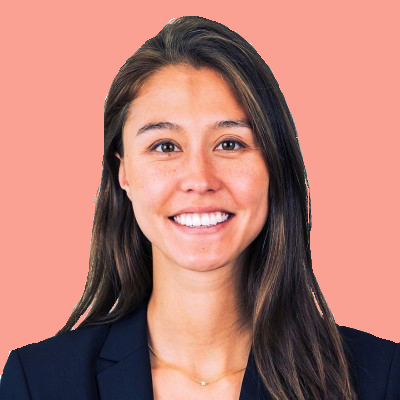
Start with the strange detail: her Medium bio is four words long. "Trying to unpack U.S. healthcare." No title, no hashtags, no humble-brag. It reads like a sticky note left on a monitor at 1 a.m. - and that, more than any pitch deck, is the shortest honest summary of what Rachel Munsie does for a living.
She did not arrive in healthcare by the front door. Munsie began on Wall Street, an investment banker at Goldman Sachs, then crossed over to the buy side as an investor at a private equity firm. It was the kind of resume people frame. She enrolled at MIT's Sloan School of Management to add an MBA to it. Then, partway through, she did the thing the resume-framers never do - she walked away from year two to join a startup.
The startup was Tomorrow Health, a company trying to rebuild home-based care from the ground up. As Head of Business Development on the founding team, Munsie owned go-to-market strategy, built partnerships with insurers, and learned the unglamorous machinery of how American healthcare actually pays for itself. She wrote about the decision to defer in an essay titled "What I'll Miss - the MIT Ethos." Most people quietly drop out. She published a reflection on it.
The idea that wouldn't leave
At Tomorrow Health, Munsie kept bumping into the same wall. You can design the most elegant care plan in the world, but if the patient can't get to the appointment, can't afford the prescription, or never got enrolled in the benefits they qualify for, the plan is a fiction. The problem wasn't medicine. The problem was everything around the medicine - the food, the rent, the paperwork, the ride.
So she co-founded Ounce of Care. The name is a wink at the old proverb: an ounce of prevention is worth a pound of cure. The thesis is blunt. If health is mostly decided by where and how people live, then meet people where they live. Ounce embeds tech-enabled resident services directly into affordable housing: help enrolling in SNAP, Medicaid, utility assistance, and SSI; coordination for appointments and referrals; and live virtual learning sessions on health and wellness. Phone support, text support, on-site programming, and reporting that lets property owners and payers see what's actually working.
It is, in other words, the missing connective tissue between three groups who rarely speak the same language - residents, property managers, and insurers. Munsie spent a career as a translator between capital and operations. Now she translates between a tenant who needs a ride to dialysis and a payer who needs to lower its cost of care.