car-t
(15)
Sabah Oney
Sabah Oney is the president and CEO of Dispatch Bio, a Philadelphia- and San Francisco-based biotech engineering a universal treatment for solid tumors using CAR-T cell therapy. Born in Cyprus and in the U.S. since age 18, he holds a genetics degree from the University of Kansas, a PhD in genetics and genomics from Duke, and an MBA from Stanford. Across nearly two decades in biotech he helped scale Ariosa Diagnostics (acquired by Roche), took Alector public as its chief business officer, co-founded Vilya, and served as a venture partner at ARCH. Dispatch launched publicly in 2025 with $216 million behind its FLARE platform and CAR-T pioneer Carl June among its founders.
Daniel Getts
Daniel Getts, PhD, is the co-founder and CEO of CREATE Medicines (formerly Myeloid Therapeutics), a Cambridge, Massachusetts biotech building RNA-based in vivo immune programming therapies that reprogram T cells, NK cells and myeloid cells directly inside the body. An immunologist trained at the University of Sydney with an MBA from Western Michigan, he previously founded Cour Pharmaceuticals and served as VP of Research at TCR2 Therapeutics. He has more than 45 peer-reviewed publications, multiple issued patents, and a track record of large pharma partnerships, including Takeda's $420M licensing deal for TIMP-GLIA. In May 2026 CREATE closed a $122 million Series B to advance its in vivo CAR pipeline across autoimmune disease and oncology.
Filippo Petti
Filippo Petti is the Chief Executive Officer of Leucid Bio, a London-based clinical-stage biotech developing next-generation CAR-T cell therapies for solid tumours built on a proprietary lateral CAR platform spun out of two decades of King's College London research. Appointed CEO in July 2023, Petti pairs a bench-science start at OSI Pharmaceuticals with years on Wall Street as a healthcare investment banker and equity analyst, and a prior run leading Celyad Oncology as CEO and CFO. Under his watch, Leucid moved its lead asset LEU011 into the AERIAL Phase I/IIa trial, reporting early proof-of-concept in relapsed/refractory solid tumours in late 2025.
Joanne Smith-Farrell
Joanne Smith-Farrell is the President and CEO of Be Biopharma, a Cambridge, Massachusetts company building a new class of medicines from engineered B cells - the body's own protein factories. A physicist by training who moved into drug development, she has spent more than 25 years leading teams tackling cancer and rare diseases, most notably building bluebird bio's 400-person oncology cell therapy business behind the CAR-T therapy Abecma. Since taking the helm at Be Bio in early 2021, she has steered the company through more than $350 million in funding as it works to turn B cells into durable, in vivo sources of therapeutic proteins.
Server Ertem
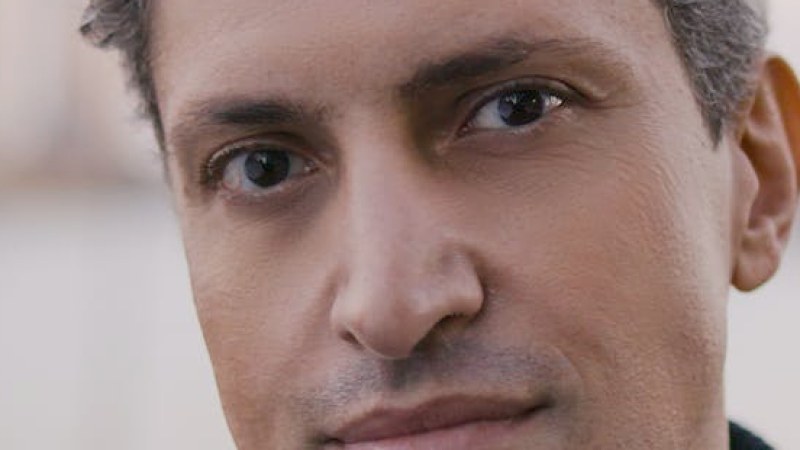
Server Ertem is the founder and CEO of Sanavia Oncology, a New York biotech developing antibody drug conjugates, T-cell engagers, and CAR-T therapies aimed at the roughly 80% of cancer patients whose tumors escape today's treatments. He built the company after a PhD in cancer cell biology at Weill Cornell, a postdoc at Memorial Sloan Kettering, and a Runway Startup Postdoc fellowship at Cornell Tech - stitching high-throughput cell biology, super-resolution microscopy, and machine learning into a platform designed to find cancer-specific epitopes on validated targets with atomic-level precision.
Andrew Schiermeier
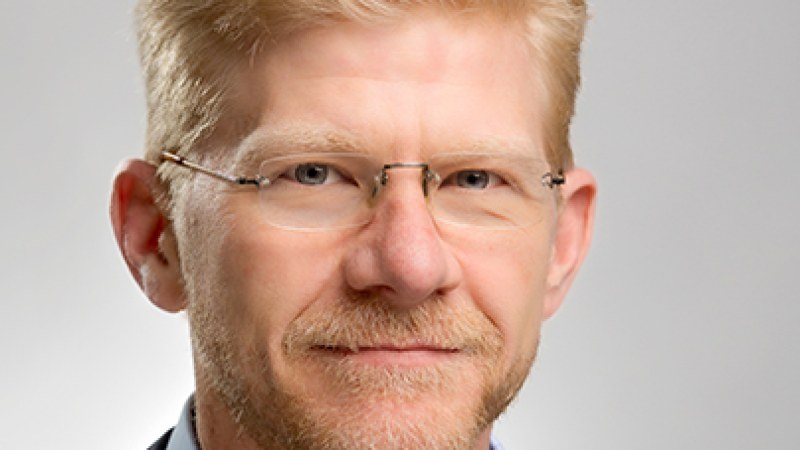
Andrew Schiermeier is the President and CEO of AvenCell Therapeutics, a clinical-stage biotech in Cambridge, Massachusetts and Dresden, Germany building switchable, universal CAR-T cell therapies for hard-to-treat cancers like acute myeloid leukemia. An engineer-turned-operator with a Harvard PhD in applied mathematics, he spent two decades across startups and global pharma - five years at CRISPR pioneer Intellia Therapeutics rising to COO, and a stint running Merck KGaA's oncology business across 60-plus countries - before taking AvenCell's helm in 2021 and leading its $112 million Series B in 2024.
Ken Drazan
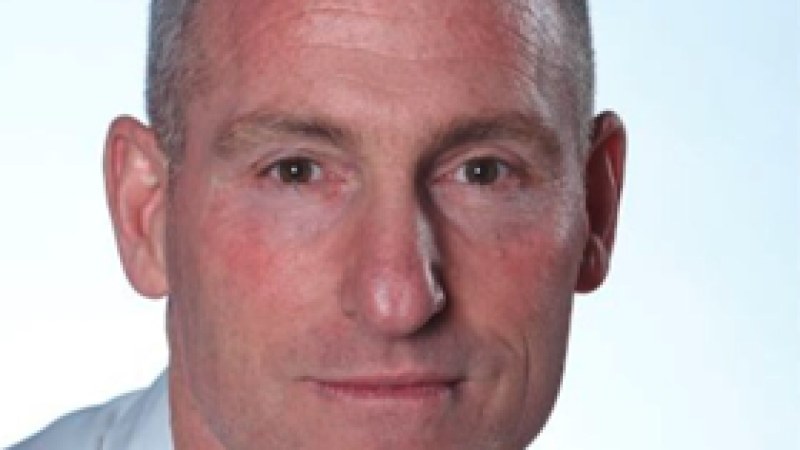
Ken Drazan is the Chairman, CEO and co-founder of Arsenal Biosciences (ArsenalBio), a South San Francisco clinical-stage company building computationally designed, programmable T-cell therapies to attack solid tumors. A board-certified liver transplant surgeon turned operator and investor, he previously was President and Chief Business Officer of GRAIL (acquired by Illumina), founded the robotic surgery company Verb Surgical (acquired by Johnson & Johnson), and co-founded the private equity firm Bertram Capital. At ArsenalBio he has raised hundreds of millions of dollars and forged collaborations with Bristol Myers Squibb and Genentech, betting that gene-edited 'integrated circuit' T cells - and an AI foundation model of the T cell - can turn cell therapy into something curative for cancers that have resisted it.
Kumar Srinivasan
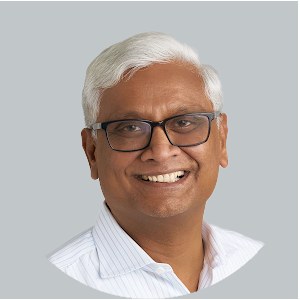
Kumar Srinivasan is the President and CEO of Wugen, a St. Louis clinical-stage biotech building off-the-shelf memory NK and CAR-T cell therapies for cancer. A chemist turned dealmaker, he spent 25+ years in pharma and biotech business development, most notably engineering the partnering strategy at Turning Point Therapeutics that culminated in its $4.1 billion acquisition by Bristol Myers Squibb. Since taking Wugen's helm in March 2023, he has steered its lead programs WU-CART-007 and WU-NK-101 into pivotal and early clinical trials.
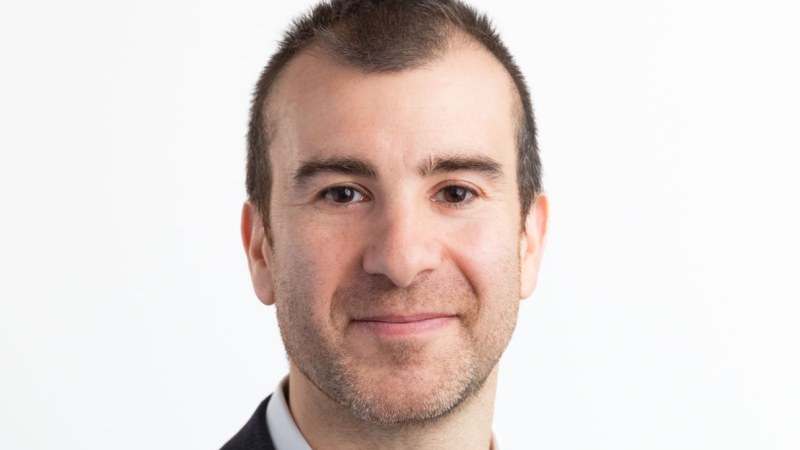
Marc Lajoie
Marc Lajoie is a protein designer turned biotech CEO. He co-founded Outpace Bio in 2021 in Seattle, where he is chief executive, building engineered cell therapies that aim to bring the kind of cures seen in blood cancers to the solid tumors that make up the vast majority of cancer cases. Trained in George Church's genome-engineering lab at Harvard and David Baker's Institute for Protein Design at the University of Washington, Lajoie helped pioneer the design of proteins with moving parts - molecules that compute, switch, and make decisions inside living cells. Outpace raised a $144M oversubscribed Series B in 2024 to push its AI-powered, protein-designed therapies toward the clinic.
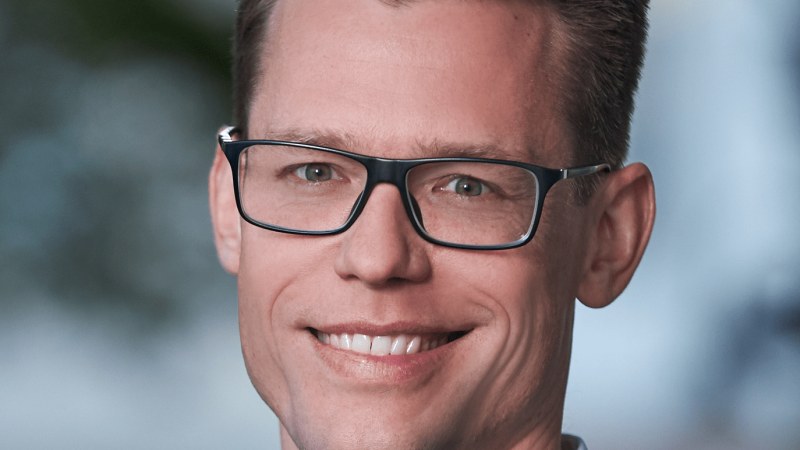
Fabian Gerlinghaus
Fabian Gerlinghaus is the Co-Founder and CEO of Cellares, a South San Francisco biotech company building the world's first Integrated Development and Manufacturing Organization (IDMO) for cell therapy. An aerospace engineer turned life-science entrepreneur, he co-founded Cellares in 2019 after spotting a critical gap: FDA-approved CAR-T therapies were sitting ready while patients died on waitlists because manufacturing couldn't scale. His Cell Shuttle platform — a fully automated, factory-in-a-box system processing 16 patient batches simultaneously — has attracted $630M in funding, a $380M partnership with Bristol Myers Squibb, and FDA's Advanced Manufacturing Technology designation. TIME magazine named it one of 2025's most important inventions.
Srini Akkaraju
Srini Akkaraju, MD/PhD, is the Founder and Managing General Partner of Samsara BioCapital, a Palo Alto-based venture capital firm he founded in 2016 to translate cutting-edge biology into transformative therapeutics. With a Stanford MD/PhD in Immunology and a computer science foundation from Rice University, Akkaraju has spent over 25 years at the intersection of science and capital - from corporate development at Genentech to partnership roles at J.P. Morgan Partners, Panorama Capital, New Leaf Venture Partners, and Sofinnova Ventures. Samsara has built a portfolio of 93+ companies with 32 IPO exits, backing breakthroughs in immunotherapy, cell therapy, kidney disease, and gene therapy. His conviction-driven approach is evident in moves like a $19M personal stake in Scholar Rock, and his belief that biotech is entering an 'unbelievable innovation cycle' over the next two to three decades.
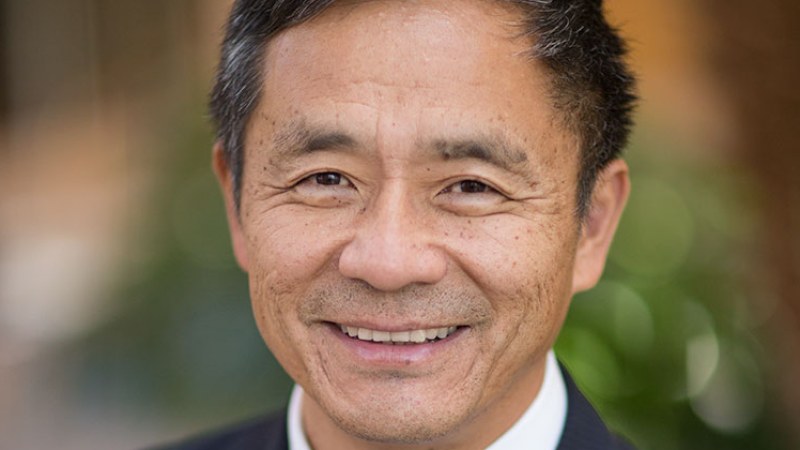
Cheng Liu
Cheng Liu is the founder, President, and CEO of Eureka Therapeutics, Inc., a clinical-stage biopharmaceutical company based in Emeryville, California. A molecular cell biologist trained at UC Berkeley and Peking University, Liu invented a novel class of TCR mimic antibodies that allow engineered T cells to recognize intracellular tumor antigens - a major challenge in treating solid tumors. Since founding Eureka in 2006 after a decade at Chiron/Novartis, he has built a pipeline of ARTEMIS T-cell therapies targeting liver cancer, multiple myeloma, and neuroblastoma, with the company's ECT204 program earning FDA RMAT Designation in January 2026 - one of the highest-priority designations the FDA gives to regenerative medicine therapies. Eureka has raised over $168 million in total funding and holds more than 500 patents worldwide.
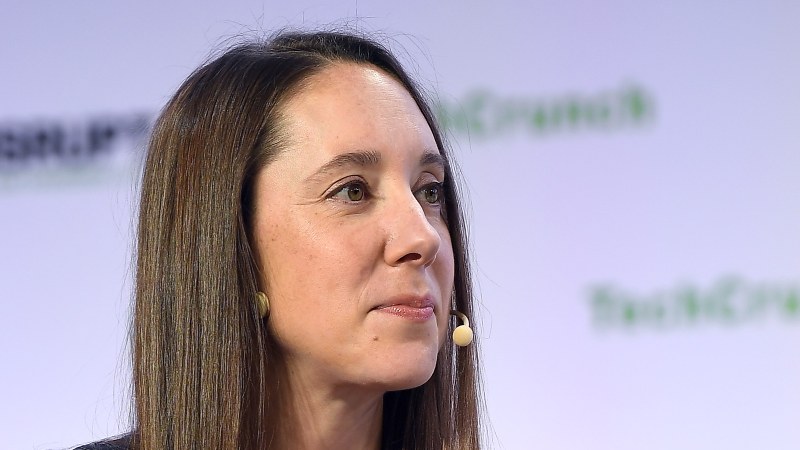
Rachel Haurwitz
Rachel Haurwitz is the President and CEO of Caribou Biosciences, a clinical-stage biopharmaceutical company she co-founded in 2011 with Nobel laureate Jennifer Doudna and colleagues Martin Jinek and James Berger. A pioneer in CRISPR commercialization, Haurwitz earned her PhD from UC Berkeley under Doudna's mentorship — she was the first student in the lab to work on CRISPR — and pivoted from academia to industry to bring genome-editing technology to patients. Under her leadership, Caribou has developed a proprietary Cas12a-based platform (chRDNA technology) enabling precise, multiplex genome editing for off-the-shelf allogeneic CAR-T and CAR-NK cell therapies targeting blood cancers and autoimmune diseases. She also co-founded Intellia Therapeutics in 2014 and has been recognized on Forbes 30 Under 30, Fortune 40 Under 40, and featured in Walter Isaacson's bestseller 'The Code Breaker.'
Rami Elghandour
Rami Elghandour is Chairman and CEO of Arcellx (NASDAQ: ACLX), a clinical-stage biotechnology company developing next-generation cell therapies for cancer and autoimmune diseases. An engineer turned venture capitalist turned serial CEO, he has led two successful IPOs, built two multibillion-dollar public companies, and raised over $1.75 billion in capital. At Arcellx, he transformed the company from an early-stage startup into a commercial-ready organization with a peak valuation exceeding $6 billion, advancing the anito-cel BCMA CAR-T therapy toward FDA approval for relapsed/refractory multiple myeloma. A TEDx speaker on unconscious bias and gender equity, Rami is also an executive producer of the Oscar-nominated documentary 'The Voice of Hind Rajab' and the Sundance-premiered 'American Doctor.'
Kevin Parker
Kevin Parker, Ph.D. is the co-founder and CEO of Cartography Biosciences, a South San Francisco-based oncology company using single-cell genomics and AI to map the tumor antigen landscape and build precision immunotherapies. A Harvard and Stanford alumnus who founded the company straight out of his PhD, Parker has raised $124M in total funding, struck a landmark collaboration with Gilead Sciences, received FDA IND approval for his lead drug CBI-1214, and dosed the first patient in a Phase 1 colorectal cancer trial in early 2026 - all before most scientists finish a second postdoc.