campaign-strategy
(36)
David Barnhart and the Distance Between K Street and Everywhere Else
He arrived in Washington from a dairy farm and spent three nights sleeping in his car. The founder of LSG has spent the years since bringing people outside the capital into its conversations.

Chris Bravacos Starts at the Finish Line
From congressional offices to a Harrisburg communications firm, Chris Bravacos has built a career around working backward from the result. Even the toy robots in his office belong in a story about picking your fights.

Phil Singer and the art of getting ahead of the story
A campaign spokesman learns quickly that the next question is already on its way. Phil Singer took that lesson from national politics into Marathon Strategies, where research, reputation, and the public argument share a desk.

Andrew Blunt and the Business of Being in the Room
He grew up around Missouri politics, learned to enjoy the pressure of a campaign, and co-founded HB Strategies. Now Andrew Blunt is working on a different kind of staying power: a company that can carry on without its founders.
Bryan Merica and the distance between attention and influence
From enterprise software to California campaigns, Bryan Merica has spent two decades asking how technology changes persuasion. His work at Unearth follows the message from the screen to the people who make decisions.

The Company That Sells the Missing Ingredient in Global Health: Attention
Global Health Strategies does not make vaccines or run hospitals. It engineers the attention, alliances and political will that help health ideas travel - from village councils in Uttar Pradesh to a polio milestone watched around the world.

The Firm That Treats Every Boardroom Like Election Night
SKDK built a national communications business by importing the habits of political campaigns - research, message discipline, rapid response and a stubborn belief that every audience can be moved.
The Polling Firm That Learned to Make the Weather
Global Strategy Group started by measuring public opinion. Thirty years later, it sells something more ambitious: a way to turn research into movement - in markets, media, policy, and politics.

The Campaign Agency That Put the Money Desk Next to the Message Desk
TAG Strategies sells an unusual campaign promise: the people who raise the money, make the ads, read the data and contact the voters should work as one team. In a business built on handoffs, the Austin firm has made integration its product.

The Campaign Never Ends
A digital shop born in an Obama campaign became a transatlantic influence machine. Its wager is simple: in a fractured media world, the agency that can measure belief can also learn how to move it.
Moxie Strategies Bet the Agency on the People Usually Left in the Waiting Room
A two-year-old public affairs firm grew by refusing the oldest agency trick: selling senior judgment, then handing the work downstairs. Its more interesting product may be the structure itself.

The Question Behind the Question
A Montana polling firm survived four decades by learning that the number is rarely the answer. The useful thing is discovering which words, messengers and audiences can still move it.

The Campaign That Never Ends
Grove Partners treats boardroom problems like election night: map the audience, sharpen the story, count the opposition, and keep moving until the vote is real.
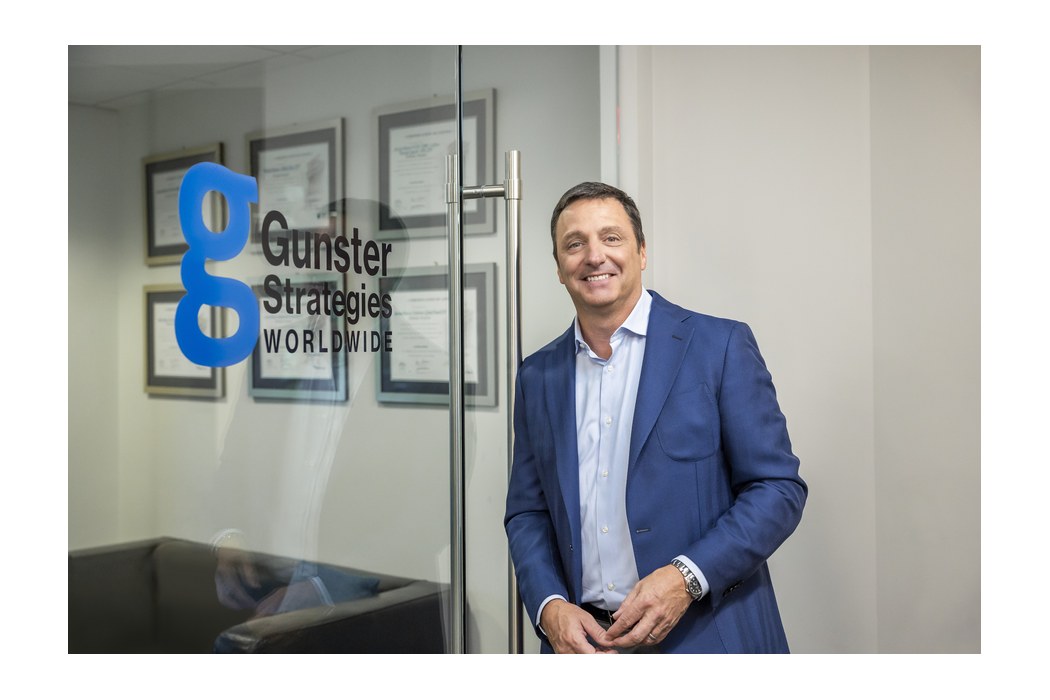
The Persuadable Middle Is Where Gunster Goes to Work
A 13-person Washington firm sells a complete campaign loop: find the movable audience, test the language, recruit the validators, then put the message everywhere. Its most famous work also shows why persuasion is easier to sell than to measure.

The Firm That Learned to Campaign Between the Aisles
Tharon Johnson built an Atlanta firm around an unfashionable political idea: the person who understands the message should also understand the room where policy gets made.

The Two Percent Candidate and the Shop That Found His Majority
Technicolor Political sells a deceptively simple idea: put story before spend. The climb from roughly 2% to 52% in Chicago shows what that looks like when a campaign has five weeks to turn recognition into belief.
The Campaign Firm That Got Tired of Waiting
RedRock Strategies built a national political consultancy around a simple irritation: campaigns should not have to wait for faraway vendors to understand the place, the stakes or the client. Two decades later, its integrated model stretches from ballot language to the courtroom door.

The Campaign That Begins Before the Campaign
818 Political sells mail, media and campaign strategy. Its more revealing product is confidence - built by watching a candidate work before deciding what voters should hear.
The Campaign Weapon That Still Arrives by Mail
Creative Direct turned an old political instrument into a fast, data-led system - one that moves from a Richmond strategy table to printers, phones and screens across the country.

The Campaign Researchers Who Prefer to Arrive Before the Trouble
Jones Mandel sells campaigns an unusual luxury: discovering the damaging fact while there is still time to decide what it means. Its real product is not the dossier. It is the extra day before the story breaks.

The Ad Agency That Put Purpose on the P&L
OBERLAND sells an unfashionably demanding proposition: a brand can take a stand and still make the numbers work. The interesting part is not the promise. It is the receipts.
The Company That Began as a Placeholder
Susan McPherson thought she was building a bridge to her next job. Instead, she built an agency around a deceptively practical idea: before you broadcast a purpose, connect the people who can make it real.
The Small Agency That Chose the Hard Stories
Most agencies sell attention to whoever can buy it. Kyiv's linza agency made a narrower bet: difficult public-interest stories deserve the sharpest strategy in the room.

The Pollster That Put Brown Back on the Padres
Competitive Edge has spent nearly four decades asking what people think. Its sharper trick is knowing when the easy way to ask produces the wrong answer.

The consultancy that turns a roomful of missions into one usable story
LightBox Collaborative does not begin with a logo or a press release. It begins with the harder question: what must the audience understand, feel, and do next?
The 37-Year-Old Agency That Finally Took Its Own Advice
Harding Marketing spent decades translating complicated products for Silicon Valley. Its sharpest case study was the month it turned the same lens on itself.

The Influencer Agency Built Before TikTok Had a Name
Clicks Talent learned influencer marketing by solving a stranger problem: how to make a brand-new social app feel inhabited. The answer became a global agency - and a useful lesson in why relationships still beat databases.
The Political Consultants Who Want Candidates to Keep Their Souls
Evinco Strategies sells the machinery of modern campaigns - fundraising, field, digital, message and training - to progressives who would rather not become machinery themselves.
The PR Agency That Lost 34 Pitches - Then Found the Business Hiding in Plain Sight
Shine Talent Group began as a Toronto PR shop, where becoming an agency made it harder to win agency clients. Its escape route was a side business the founders expected to stay small - managing the people brands suddenly needed but did not yet know how to hire.
The Little PR Firm That Learned to Move More Than Headlines
Brown·Miller sells communications. Its more interesting product is the moment a wary voter, landlord or parent decides to do something differently.